

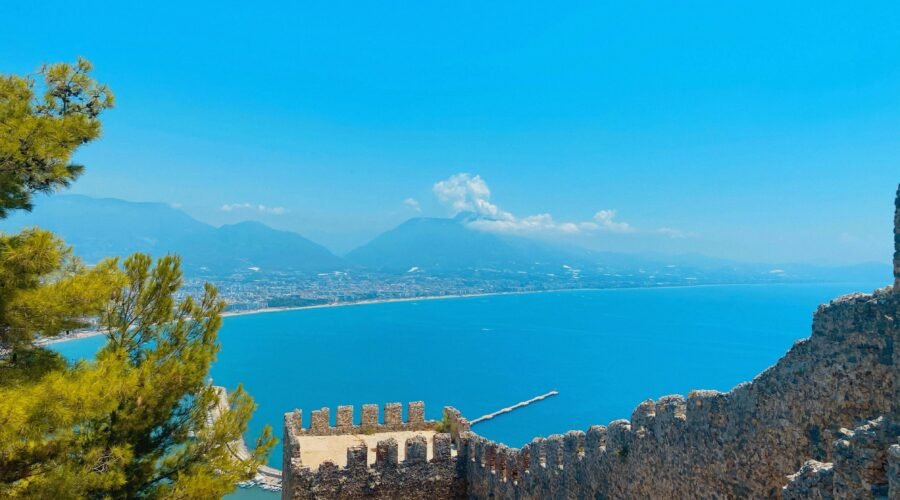
Planning a trip to Antalya means choosing between sunny beach days, ancient ruins, mountain scenery, and quieter city breaks. The best time to visit Antalya depends on whether you want warm swimming water, comfortable sightseeing weather, or lower travel costs. Here’s how the seasons compare, with official temperature averages, crowd patterns, and practical itineraries to help you choose.
Quick Answer
The best time to visit Antalya for most travelers is April, May, or October. These months offer comfortable sightseeing weather, fewer tourists than midsummer, and potentially better hotel rates. Choose June through September for warmer swimming conditions, although July and August are particularly hot. December through February generally suit budget-conscious travelers who prefer sightseeing over beach holidays.
Last checked: October 23, 2026. Climate figures, identified attraction restrictions, and dated events were checked against official sources.
Key Takeaways
- May is especially good for walking through Antalya’s Old Town, visiting ancient ruins, and enjoying spring scenery.
- July and August have average daytime highs around 34°C, making midday sightseeing tiring.
- September remains hot, with an average daytime high above 31°C, so it is not always a cool alternative to summer.
- October combines milder air temperatures with sea water that remains relatively warm after summer.
- Winter has fewer tourists but significantly more rain, shorter daylight hours, and reduced services at some seasonal resorts.
1. Antalya Weather by Month: When Is the Best Time to Visit?
Antalya has a Mediterranean climate, with long, hot, dry summers and mild, wetter winters. Weather changes noticeably between the seasons, especially if you plan to combine beach time with outdoor sightseeing.
According to the Turkish State Meteorological Service’s official Antalya climate statistics, July and August have average daytime highs of approximately 34°C. January averages 15°C during the day, while October reaches a more comfortable 26.6°C.
The following figures are rounded from the official long-period Antalya climate statistics, which cover observations through 2025. They describe average conditions in Antalya city, not a forecast for your trip or temperatures at higher mountain elevations.
| Month | Avg. High | Avg. Low | Avg. Rainy Days | Best For |
|---|---|---|---|---|
| January | 15°C | 6°C | 12.4 | Quiet city breaks |
| February | 15.6°C | 6.4°C | 10.4 | Budget travel |
| March | 18°C | 8.1°C | 8.5 | Early spring walks |
| April | 21.4°C | 11.3°C | 6.4 | History and nature |
| May | 25.7°C | 15.3°C | 5.2 | Sightseeing and beach walks |
| June | 30.8°C | 19.7°C | 2.5 | Swimming and resorts |
| July | 34.2°C | 22.9°C | 0.5 | Hot beach holidays |
| August | 34.1°C | 22.9°C | 0.6 | Beach clubs and water sports |
| September | 31.2°C | 19.6°C | 1.7 | Warm sea and sun |
| October | 26.6°C | 15.4°C | 5.4 | Swimming and sightseeing |
| November | 21.4°C | 10.9°C | 7.5 | Culture and walking |
| December | 16.7°C | 7.7°C | 11.9 | Quiet winter breaks |
Source: Turkish State Meteorological Service, Antalya long-period climate statistics. Average highs and lows represent air temperatures, not sea temperatures. Rainy days are long-term monthly averages, not a guarantee of how many days it will rain during your stay.
Spring (April–May): Comfortable Weather for Exploring
Spring is one of Antalya’s most versatile travel periods. You can explore archaeological sites without summer’s strongest heat, enjoy greener landscapes, and spend pleasant afternoons along the coast.
- April: Average daytime highs reach 21.4°C, making walking and sightseeing comfortable. Evenings can still feel cool, and occasional showers remain possible.
- May: Average daytime highs rise to 25.7°C. Sunshine becomes more reliable, and the sea gradually warms. Late May can be suitable for swimming if you do not mind cooler water.
- Best activities: Explore Kaleiçi, Hadrian’s Gate, Perge, Aspendos, Düden Waterfalls, and the region’s walking trails.
- What to pack: Comfortable walking shoes, light clothing, sunscreen, and a thin jacket for evenings.
If you want to spend most of your holiday outdoors rather than beside a resort pool, May is a particularly strong choice.
Summer (June–August): Hottest Weather and Peak Beach Season
Summer offers Antalya’s most dependable hot beach weather. The sea warms, rainfall becomes uncommon, and seaside resorts run their main holiday programs.
- June: Average highs reach 30.8°C. This is a good option if you want swimming weather before the most intense summer heat.
- July: Average highs reach 34.2°C. Heatwaves can push temperatures considerably higher, making unshaded sightseeing difficult.
- August: Average highs remain around 34.1°C. The Mediterranean is usually very warm, and the beach holiday atmosphere continues.
- Best activities: Swimming, beach clubs, boat excursions, waterparks, resort entertainment, and water sports.
- What to pack: Lightweight clothing, a wide-brimmed hat, sunscreen, sunglasses, and a refillable water bottle.
The sea commonly reaches the mid-to-high 20s Celsius during the warmer part of summer, making it inviting for long swims. However, swimming comfort depends on the exact beach, weather, and your tolerance for warm or cool water.
July and August are less suitable for travelers who want to walk through exposed ancient ruins for several hours. Plan outdoor cultural visits for the cooler parts of the day.
Autumn (September–October): Warm Sea and Better Sightseeing Weather
Autumn offers an appealing combination of beach conditions and more comfortable sightseeing. September still feels like summer, while October brings a more noticeable drop in daytime temperatures.
- September: Average highs reach 31.2°C. The sea retains summer warmth, but afternoons can remain very hot.
- October: Average highs fall to 26.6°C. Swimming is often enjoyable, especially earlier in the month, while walking around the city becomes more comfortable.
- Best activities: Beach afternoons, Old Town exploration, coastal cruises, ancient ruins, and moderate hiking.
- What to pack: Swimwear, walking shoes, light layers, and a jacket for cooler October evenings.
October does bring an increasing chance of rain compared with September. However, it remains a strong choice for travelers who want to combine the beach with history and culture.
Winter and Late Off-Season (November–March): Mild Days but More Rain
Winter in Antalya is generally mild compared with colder European destinations. It is not reliable beach weather, but it can be pleasant for city sightseeing between rainy periods.
- November: Average daytime highs remain around 21.4°C, although rainfall becomes more frequent.
- December: Average highs drop to 16.7°C, with cooler evenings and some of the year’s heaviest rainfall.
- January: Average highs are around 15°C, and rain is common.
- February: Daytime highs average 15.6°C. The city remains quieter than during the summer tourist season.
- March: Average highs reach 18°C, making it a reasonable month for early spring sightseeing.
- Best activities: Exploring Kaleiçi, visiting museums that are operating, enjoying local restaurants, and taking short walks during suitable weather.
Antalya city rarely experiences sustained winter snow, but the nearby Taurus Mountains have much colder conditions. Higher trails can be affected by snow, ice, or poor visibility.
Winter also brings shorter opening hours at some attractions, while certain seasonal hotels, beach facilities, and excursions may not operate.
2. Antalya Crowds: Peak, Shoulder, and Off-Peak Seasons
Antalya’s crowd levels depend on weather, school holidays, resort demand, and local events. July and August are usually the busiest beach months, while winter tends to be quieter.
However, the shoulder seasons are not automatically crowd-free. Major events and public holidays can create busy weekends even when the overall tourist season is less intense.
Peak Season: June–August
Summer brings high demand from international travelers and families taking school holidays. Popular beaches, coastal resorts, archaeological sites, and boat excursions can become busy.
Expect particularly strong demand around Lara Beach, Konyaaltı Beach, Kaleiçi, and the major resort areas along the Antalya coast.
To make your trip more comfortable:
- Reserve popular beachfront accommodation and excursions ahead of time.
- Visit Perge or Aspendos early rather than during the hottest part of the afternoon.
- Consider quieter beach sections away from the most heavily developed resort areas.
- Allow additional time for transport and restaurant visits during the busiest periods.
Shoulder Season: April–May and September–October
The shoulder seasons usually offer a more relaxed experience than July and August. Beaches can still be popular, but sightseeing is generally easier without the strongest summer heat.
May and October are often better than September for travelers who are particularly sensitive to hot weather. September remains part of the active beach season, especially in resort areas.
There are also specific dates worth considering:
- April and May: Spring travel demand can rise around school breaks, public holidays, and long weekends.
- September: Beach resorts may remain busy because the sea and weather are still suitable for summer-style holidays.
- October 2–11, 2026: The 16th Antalya Book Fair took place at Cam Piramit, attracting visitors interested in books and cultural events.
- October 24–31, 2026: The 63rd International Antalya Golden Orange Film Festival is scheduled to bring screenings, filmmakers, and cultural events to the city.
- October 29, 2026: Republic Day is a Turkish national holiday, confirmed by the Turkish Ministry of Foreign Affairs holiday calendar. Central areas and public celebrations may be busier.
These events may make particular venues and city-center areas busier. They do not necessarily mean every beach or hotel will be crowded.
Off-Peak Season: November–March
November through March is usually the quietest period for conventional beach tourism. You can often explore the Old Town, enjoy local cafes, and visit historic attractions without the same level of summer congestion.
However, Antalya does not completely shut down in winter. It remains a large working city with restaurants, shops, neighborhoods, and cultural activities throughout the year.
The International Antalya Piano Festival is one example of a cultural event associated with the cooler season. The municipality describes it as an annual festival traditionally held in November, although individual editions can have different schedules.
Christmas and New Year travel can also create short periods of additional demand, especially at hotels offering holiday packages.
3. Antalya Travel Costs: Cheapest and Most Expensive Months

Travel costs in Antalya usually follow seasonal demand. Summer is generally the most expensive period for beachfront accommodation, while winter often provides the lowest hotel rates.
Actual costs vary by flight route, booking date, hotel category, location, and travel dates. A luxury resort and a small guesthouse in Kaleiçi can have very different prices during the same month.
June–August: Highest Demand and Premium Resort Prices
Summer is usually the most expensive period for a traditional Antalya beach holiday. International school vacations increase demand for flights, family rooms, beachfront hotels, and all-inclusive resorts.
- Hotels: Beachfront properties and family resorts often command their strongest rates.
- Flights: Popular holiday routes can become expensive during school vacation periods.
- Activities: Waterparks, boat excursions, and popular tours may have limited availability on busy dates.
- Restaurants: Dining costs depend more on location and restaurant type than on the month alone. Tourist-oriented waterfront venues may charge more than neighborhood restaurants.
Package holidays can sometimes offer competitive overall value because accommodation, transfers, and certain meals are combined.
April–May and September–October: Often Better Value
These months may offer better hotel availability and more attractive accommodation rates than peak summer, although popular properties can still be expensive.
- April: Good for travelers focusing on sightseeing instead of beach resorts.
- May: A useful balance between improving beach weather and potentially lower accommodation costs.
- September: Strong swimming conditions can keep demand high at coastal resorts.
- October: Often attractive for combining beach activities, culture, and a more moderate accommodation budget.
If your goal is a comfortable holiday without paying peak summer prices, May and October are sensible months to compare first.
November–March: Best Chance of Lower Hotel Rates
Winter generally offers the strongest opportunities to save on accommodation. Many hotels face lower leisure travel demand, although operating schedules vary.
There are a few trade-offs:
- Some all-inclusive resorts and seasonal hotels may close temporarily.
- Heated indoor pools, spas, and year-round city hotels may be more useful than seasonal beach facilities.
- Rain can limit sightseeing and outdoor excursions.
- Airline schedules may provide fewer direct flight choices from certain international airports.
For a budget-focused holiday, compare the total cost of accommodation, flights, transport, and available activities rather than judging value by hotel rates alone.
How to Save Money Without Missing Antalya’s Highlights
You do not have to spend every day on paid excursions. Antalya offers historic streets, coastal walking areas, viewpoints, and accessible public spaces.
- Free walking: Explore Kaleiçi’s streets, Hadrian’s Gate surroundings, and Karaalioğlu Park.
- Public beaches: Enjoy public-access areas around Konyaaltı and Lara. Private loungers, umbrellas, and beach club services may cost extra.
- Local dining: Explore restaurants away from the busiest waterfront tourist areas.
- Transport: Consider public transportation for city attractions, while comparing organized tours or car rental for distant archaeological sites.
Some museums and cultural attractions also offer free entry. Antalya’s provincial tourism authority has listed Antalya Atatürk House Museum, Antalya Ethnography Museum, and Antalya Mevlevihane Museum as free-entry attractions in its published museum and archaeological-site visiting schedule for November 2025–April 2026. Entry arrangements and visiting hours can change in later seasons.
4. Best Time to Visit Antalya for Beaches, History, and Nature

Antalya offers more than beach resorts. Its location between the Mediterranean coast and the Taurus Mountains makes it suitable for swimming, archaeological sightseeing, outdoor adventures, and cultural visits.
The ideal month depends on which experiences matter most to you.
Best Time for Swimming and Beach Holidays
June through September is the strongest period for warm-water beach holidays. July and August offer the hottest conditions, while June and September are often more appealing if you prefer somewhat less intense heat.
October is also a good option for swimming. The sea cools more slowly than the air because it retains heat from summer, making early and mid-autumn swimming possible.
Popular beach choices include:
- Konyaaltı Beach: A long, mainly pebbly beach west of central Antalya, with mountain views, seaside cafes, and public-access areas.
- Lara Beach: A sandy coastal area east of central Antalya, known for beachfront hotels, resorts, and organized beach facilities.
- Çıralı Beach: A quieter coastal setting near Olympos, suitable for travelers who prefer nature and a less urban atmosphere.
- Side beaches: A good choice for combining resort time with a visit to an ancient town.
If swimming is your main goal, June or September offers a useful compromise between warm sea conditions and extreme midsummer heat.
Best Time for Ancient Ruins and Historical Sightseeing
April, May, and October are among the most comfortable months for exploring Antalya’s ancient sites. Much of the walking takes place outdoors, often with limited shade.
The region has several important archaeological destinations. The official GoTürkiye Antalya attractions guide identifies major historical locations, including Kaleiçi, Perge, Termessos, and other ancient sites.
- Kaleiçi: Antalya’s historic Old Town, filled with narrow streets, traditional houses, cafes, and the old harbor. Hadrian’s Gate dates to the Roman period.
- Perge: Located approximately 18 kilometers east of Antalya city center. Its remains include a colonnaded street, Roman baths, a stadium, and other ancient structures.
- Aspendos: Famous for its exceptionally well-preserved Roman theater. It is a major destination for history lovers and visitors interested in ancient architecture.
- Side: A coastal ancient town where archaeological remains stand close to modern shops, restaurants, and the Mediterranean shoreline.
- Termessos: A mountain archaeological site northwest of Antalya, known for dramatic scenery and a historic theater surrounded by rugged terrain.
These destinations are particularly rewarding when the weather is cool enough to walk comfortably for extended periods.
Termessos requires more physical effort than a simple walk through Kaleiçi. Uneven paths and mountain conditions make suitable footwear and reasonable fitness important.
Best Time for Waterfalls, Hiking, and Mountain Scenery
Spring and autumn are generally the best periods for hiking around Antalya. Daytime temperatures are more comfortable for long walks, and spring can bring green landscapes and wildflowers.
Popular natural attractions include:
- Upper Düden Waterfall: Located in the Kepez area, with walking paths and a green setting around the waterfall.
- Lower Düden Waterfall: Known for the dramatic flow of water over the coastal cliffs into the Mediterranean Sea.
- Kurşunlu Waterfall: A nature-focused destination with shaded walking areas and attractive waterfall scenery.
- Green Canyon: A scenic canyon and reservoir area associated with boat excursions and natural landscapes.
- Taurus Mountains: A broad mountain region offering dramatic landscapes, trails, and cooler elevations.
- Lycian Way: A well-known long-distance hiking route with sections along the southwestern Turkish coast.
Spring is excellent for visitors who want greener scenery. Autumn can be especially pleasant for walking after summer temperatures begin to ease.
Winter hiking is possible in suitable low-elevation areas, but mountain conditions can differ sharply from the coast. Snow, rain, slippery rocks, and shorter daylight hours can affect access.
Best Time for Culture and Local Experiences
Antalya’s city center is worth visiting throughout the year. Cooler months are especially useful for travelers interested in markets, traditional food, local neighborhoods, and cultural activities.
Consider spending time around Kaleiçi, the Old Harbor, local shopping streets, or a traditional Turkish bath.
One important attraction requires special attention: Antalya Museum is currently closed to visitors. Its official Turkish Museums visitor information identifies the museum as closed. The former building was demolished in 2025 as part of a replacement project, and a confirmed public reopening date was not established in the sources checked.
Rather than planning a visit to the closed museum, consider other operating museums, Kaleiçi, Perge, Aspendos, or Side.
5. Sample Antalya Itineraries for Each Travel Season
| Month | Weather | Crowds | Costs |
|---|---|---|---|
| January | Cool and rainy | Low | Usually low |
| April | Mild, some rain | Moderate | Moderate |
| July | Very hot and dry | High | Usually high |
| October | Warm, rain increasing | Moderate | Moderate |
The following itineraries show how to match your activities with Antalya’s changing seasons. They are flexible examples rather than fixed tours, so you can shorten or extend them based on your interests.
Spring Adventure: Six Days in April or May
This itinerary focuses on outdoor sightseeing, natural attractions, and historic landmarks. Spring temperatures make it easier to explore several different areas without needing a resort-focused holiday.
- Days 1–2: Kaleiçi and Old Harbor. Stay in the historic center, wander through traditional streets, see Hadrian’s Gate, explore the marina, and enjoy Turkish restaurants.
- Day 3: Perge and Aspendos. Visit these important ancient sites and appreciate their Roman architecture.
- Day 4: Düden Waterfalls. Explore Upper Düden and visit the coastal viewpoint overlooking Lower Düden. Consider a harbor boat excursion if operating conditions allow.
- Day 5: Side. Take a day trip to the ancient coastal town and explore its archaeological remains and harbor area.
- Day 6: Konyaaltı Beach. Enjoy a relaxed coastal afternoon and a seaside meal before leaving Antalya.
Best for: First-time visitors, couples, nature lovers, and history enthusiasts.
Classic Summer Escape: Seven Days in June, July, or August
Summer is best suited to a slower, beach-centered itinerary. Focus on swimming, resort activities, and enjoyable evening outings rather than filling every afternoon with outdoor sightseeing.
- Days 1–3: Lara Beach. Settle into a beachfront resort, enjoy the sea, and make use of the hotel’s facilities.
- Day 4: Waterpark Visit. Spend a day enjoying slides, pools, and family activities at a seasonal waterpark.
- Day 5: Coastal Boat Trip. Join a boat excursion along the Mediterranean coastline, with swimming stops where included and permitted.
- Days 6–7: Konyaaltı and Coastal Activities. Visit Konyaaltı Beach, explore seaside cafes, and consider water sports such as jet-skiing or parasailing through a suitable operator.
Best for: Families, swimmers, beach lovers, and travelers who enjoy a busy resort atmosphere.
For children or anyone sensitive to high temperatures, choose shaded activities during the hottest hours and keep drinking water available.
Autumn Discovery: Seven Days in September or October
Autumn combines much of the summer beach experience with better conditions for exploring. October is particularly appealing if you want to divide your time between swimming and cultural attractions.
- Days 1–3: Antalya City and Kaleiçi. Explore the Old Town, visit markets, enjoy the waterfront, and spend time at operating cultural attractions. Antalya Museum should not be included while it remains closed.
- Day 4: Lara or Konyaaltı Beach. Enjoy an afternoon beside the sea, with swimming if the water and weather conditions suit you.
- Day 5: Olympos and Çıralı. Visit the ancient ruins of Olympos, explore Çıralı Beach, and consider an evening visit to the natural flames of Chimaera.
- Day 6: Mediterranean Boat Excursion. Enjoy views of the coastline and possible swimming opportunities.
- Day 7: Local Shopping and Food. Explore local craft shops, enjoy traditional Turkish coffee, and pick up souvenirs before departure.
Best for: Couples, first-time visitors, photographers, and travelers wanting both swimming and sightseeing.
Winter City Break: Seven Days from November to March
A winter trip works best when you focus on city life, history, food, and flexible outdoor activities. Plan some indoor alternatives because wet weather can interrupt sightseeing.
- Days 1–3: Museums and Local Life. Explore operating museums, local neighborhoods, cafes, and cultural attractions. Antalya’s historic center offers plenty to see without needing a beach holiday.
- Day 4: Termessos. Visit the mountain archaeological site if weather, trails, and access conditions are suitable. Otherwise, choose a lower-elevation cultural attraction.
- Day 5: Kaleiçi. Spend a relaxed day exploring the old streets, harbor area, and historic architecture.
- Day 6: Turkish Bath. Enjoy a traditional hamam experience and sample more of Antalya’s local food.
- Day 7: Alanya. Consider a longer day trip to Alanya to explore its harbor, castle area, and coastal scenery.
Best for: Budget travelers, cultural visitors, and people who prefer quieter city breaks over summer resort holidays.
Winter daylight hours are shorter, and some attractions have reduced visiting schedules. Keep long-distance excursions realistic, especially during periods of heavy rainfall.
6. Final Thoughts: Choosing Your Ideal Antalya Travel Dates
For a balanced Antalya vacation, April, May, and October are excellent starting points. They offer relatively comfortable sightseeing temperatures and opportunities to experience the coast without the strongest midsummer heat.
If swimming and resort entertainment matter most, choose June through September. If lower hotel costs and quieter streets are your priorities, consider the cooler months while allowing for rain and seasonal closures.
Before booking, decide whether beaches, history, or nature will take up most of your time. Then select the season that best supports those activities and your budget.
Frequently Asked Questions
What is the best time to visit Antalya for pleasant weather?
April, May, and October are among the best months for pleasant sightseeing weather in Antalya. Average daytime highs range from about 21°C in April to 27°C in October. These months are generally more comfortable for walking and outdoor attractions than the hottest summer period.
When is the peak tourist season in Antalya?
The peak tourist season in Antalya is generally June through August, with particularly heavy demand in July and August. Hot weather, school holidays, and warm swimming conditions attract large numbers of visitors. Popular resorts, beaches, and excursions can become crowded, while accommodation prices are usually higher.
When is the off-peak season in Antalya?
The off-peak beach tourism season in Antalya generally runs from November through March. December, January, and February are especially quiet compared with summer. Hotels may offer lower rates, but the weather is cooler and wetter, and some beach resorts and seasonal activities have reduced services.
Are travel costs higher in Antalya during summer?
Yes, Antalya’s summer season usually brings higher demand for flights, beachfront hotels, and resort packages. July and August are commonly among the more expensive months for accommodation. Actual prices vary by property, departure airport, and booking date, so individual winter or shoulder-season offers may provide better value.
When should I visit Antalya to avoid crowds and high prices?
April, May, and October often provide a useful balance between favorable weather and lower demand than peak summer. November through March may offer even lower accommodation rates, although rainfall and seasonal closures become more important. Public holidays and major events can still make individual dates busy.
Can you swim in Antalya in October?
Yes, swimming in Antalya is often enjoyable during October, especially earlier in the month. The Mediterranean retains warmth from summer even as daytime air temperatures decrease. October averages approximately 26.6°C during the day, although rain and cooler conditions become more likely as autumn progresses.
Is Antalya Museum open to visitors?
Antalya Museum is currently listed as closed to visitors by the official Turkish Museums service. Its former building was demolished in 2025 for a replacement project. Until the new museum reopens, visitors can explore alternative cultural attractions, including Kaleiçi, Perge, Aspendos, and operating local museums.
Sources
- Turkish State Meteorological Service: Official long-period temperature, rainfall, and rainy-day statistics for Antalya.
- GoTürkiye, Antalya Attractions: Official tourism information covering Kaleiçi, Perge, Termessos, and other regional landmarks.
- Turkish Museums, Antalya Museum: Official visitor status and institutional information.
- Antalya Provincial Directorate of Culture and Tourism: Published seasonal museum opening schedules and free-entry attractions.
- International Antalya Golden Orange Film Festival: Confirmed October 24–31, 2026 festival dates.
- Antalya Metropolitan Municipality, International Piano Festival: Background information and the festival’s traditional season.
- Antalya Metropolitan Municipality, Antalya Book Fair: Confirmed October 2–11, 2026 event dates.
- Turkish Ministry of Foreign Affairs: Official holiday information covering Republic Day on October 29, 2026.


[…] Antalya, Antalya […]
[…] Antalya, Antalya […]
[…] Antalya, Antalya […]
[…] Antalya, Antalya […]
[…] Antalya, Antalya […]