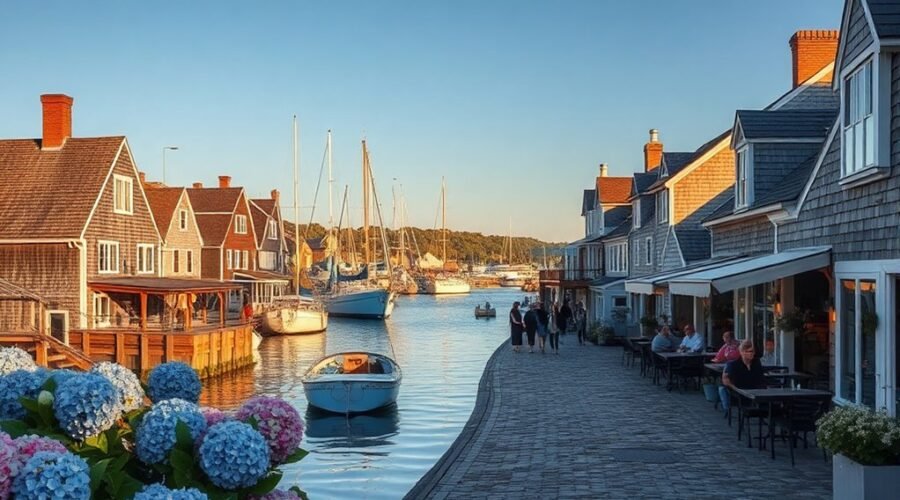
The best time to visit Nantucket depends on whether you want warm beaches, lower prices, or peaceful island streets. Summer offers the fullest range of activities, but it also brings the biggest crowds and highest lodging costs. Visit in the right season, and you can enjoy the island’s coastal scenery without paying peak-season prices.
Quick Answer
September is the best time to visit Nantucket for most travelers. You’ll find pleasant weather, fewer crowds after Labor Day, and more flexible accommodation options. Choose June for longer days and spring festivals, July or August for swimming and summer events, or October for quieter streets and coastal walks.
Also compare: Cumayeri, Düzce · Princes' Islands, İstanbul.
Last checked: November 11, 2026. Dates and figures were verified against official sources.
Key Takeaways
- Warmest weather: July and August average daytime highs near 75–76°F, according to NOAA.
- Major spring events: The 2027 Daffodil Festival runs April 22–25, followed by the Wine & Food Festival on May 19–23.
- Quietest months: January through March offer solitude, although many seasonal businesses are closed.
- Holiday exception: Christmas Stroll draws visitors in early December, so winter isn’t always inexpensive.
- Budget advantage: Nantucket’s WAVE public buses are free through 2027, helping visitors explore without renting a car.
Best Time to Visit Nantucket: Weather by Month
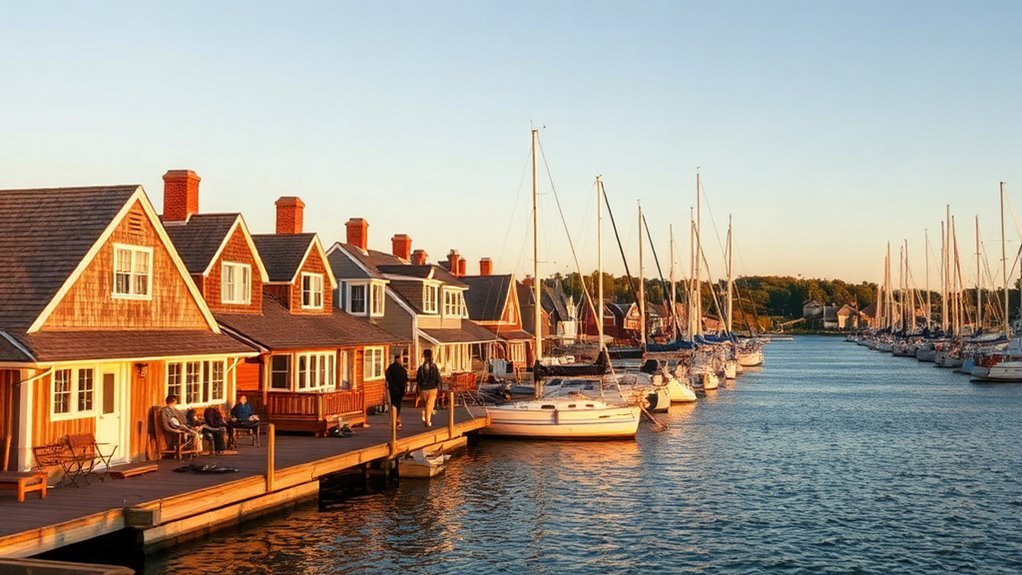
Nantucket has a maritime climate influenced by the Atlantic Ocean. Summers are generally mild, winters are cold and windy, and weather can change quickly. September offers a useful balance of comfortable temperatures and smaller crowds.
The island sits about 30 miles south of Cape Cod. Surrounding water moderates seasonal temperatures, so spring warms slowly while autumn often stays comfortable after the mainland begins cooling.
According to the NOAA 1991–2020 climate normals for Nantucket Memorial Airport, average daytime highs range from about 40°F in January to 76°F in August.
The following table combines NOAA’s average daily high and low temperatures with typical travel conditions. Festival dates are from the Nantucket events calendar. Crowd descriptions are seasonal guides rather than measured visitor totals.
| Month | Average High / Low | Typical Crowds | What to Expect |
|---|---|---|---|
| January | 40°F / 27°F | Very low | Quiet streets, cold beach walks, limited seasonal services |
| February | 40°F / 27°F | Very low | Windy coastal scenery and a slower island pace |
| March | 44°F / 32°F | Very low | Early spring walks and cool, changeable weather |
| April | 52°F / 39°F | Low; festival spike | Daffodil Festival, April 22–25, 2027 |
| May | 61°F / 47°F | Moderate; event spikes | Wine & Food Festival, May 19–23, 2027 |
| June | 69°F / 56°F | Moderate to high | Book Festival, June 10–13; Film Festival, June 16–21, 2027 |
| July | 75°F / 63°F | Very high | Swimming, sailing, July 4 celebrations, summer festivals |
| August | 76°F / 62°F | Very high | Beach season and Nantucket Race Week, August 6–16, 2027 |
| September | 70°F / 57°F | Moderate, then lower | Comfortable coastal walks, quieter beaches, outdoor dining |
| October | 62°F / 49°F | Low; event weekends busier | Fall walks, cranberry heritage, community events |
| November | 53°F / 40°F | Low; holiday spike | Thanksgiving activities and November 27, 2026 tree lighting |
| December | 45°F / 32°F | Low; Stroll weekend busy | Christmas Stroll, December 4–6, 2026 |
These figures are long-term averages, not daily forecasts. A July afternoon may feel warmer than its average, while a windy September evening can feel surprisingly cool.
Nantucket’s ocean climate keeps summer comfortable and allows pleasant autumn days, but wind and fog can appear in any season.
Fog is a familiar part of island life. It can reduce visibility, affect flights, and create changing conditions for boating. Rain and strong winds may also disrupt ferry services, particularly outside the main summer season.
For swimming, July and August are generally the most dependable months. September can still offer enjoyable beach days, while April, May, and much of June usually have colder water.
Nantucket’s Busiest and Quietest Months
July and August are Nantucket’s busiest months, while January through March are usually the quietest. June and September offer a middle ground, although festivals and holiday weekends can still create noticeable crowds.
Understanding how the island changes through the seasons helps you choose the experience you want.
Spring: March Through May
Spring brings blooming flowers, longer days, and the gradual return of seasonal businesses. March remains cold and quiet, while April and May become increasingly active.
The major spring attraction is the Nantucket Daffodil Festival, scheduled for April 22–25, 2027. The celebration includes decorated antique cars, a parade, children’s activities, and a traditional picnic in Siasconset.
The Chamber lists its Saturday parade and community activities as free. However, festival weekend can be busy, especially around Main Street and the parade route.
Food lovers can plan around the Nantucket Wine & Food Festival, scheduled for May 19–23, 2027. Its tastings and special dining events attract visitors and can increase accommodation demand.
Outside these popular weekends, spring is excellent for cycling, walking coastal trails, and exploring Nantucket Town before the summer rush.
Summer: June Through August
Summer brings the warmest weather and the widest choice of restaurants, tours, shopping, and outdoor activities. June starts the busy period, while July and August are the main peak-season months.
The 2027 Nantucket Book Festival is scheduled for June 10–13, followed by the Film Festival on June 16–21. These events give early-summer travelers cultural experiences beyond the beaches.
July brings Independence Day celebrations and events such as the Nantucket Garden Festival and Comedy Festival. August features Nantucket Race Week, scheduled for August 6–16, 2027, along with major waterfront celebrations.
Popular beaches include Jetties, Surfside, Children’s Beach, and Madaket. You’ll have opportunities for swimming, kayaking, sailing, fishing, and beachside dining.
However, you’ll also face higher accommodation rates, busy restaurants, and greater demand for ferry reservations. July 4 and major summer event weekends deserve particular attention.
If you want the full Nantucket summer experience, this is the right season. Just expect a lively atmosphere rather than complete relaxation.
Fall: September Through November
Fall is ideal for travelers who prefer quieter streets and outdoor exploration. September often retains summer-like conditions, while October brings cooler air and more noticeable seasonal closures.
After Labor Day, family vacation crowds generally thin out. You can spend more time exploring Siasconset, riding the island’s bike paths, and enjoying peaceful beach walks.
October is also connected with Nantucket’s cranberry-growing history. However, the island’s long-running Cranberry Festival was discontinued in 2023, as reported by Nantucket Current.
The Nantucket Conservation Foundation now hosts a Fall Festival and Batacular Bike Race. Its October 25, 2026 celebration included free family activities, hayrides, live music, and cranberry-related attractions at Milestone Bog. The 2027 event date has not been confirmed.
By November, many seasonal restaurants and shops have closed or reduced their hours. Thanksgiving and holiday events bring temporary activity before winter settles in.
Winter: December Through February
Winter offers Nantucket’s quietest atmosphere outside holiday events. Cold winds, short days, and fewer open businesses make this season better for peaceful retreats than traditional beach vacations.
One major exception is the Nantucket Christmas Stroll, scheduled for December 4–6, 2026.
The weekend features holiday decorations, carolers, a Christmas marketplace, and Santa’s arrival by boat. The public celebration is free, although shopping, meals, and accommodation cost extra.
Following the holiday celebrations, January and February become especially quiet. You can explore cobblestone streets, watch winter waves, and experience a slower side of island life.
Winter is also the time to expect fewer dining choices and occasional transportation disruption from severe weather.
What Peak Season Actually Costs in Nantucket
Nantucket is an expensive summer destination, especially from late June through August. Accommodation usually accounts for the largest part of your budget, followed by dining, transportation, and activities.
Peak-season lodging prices vary widely by property, booking date, and length of stay. The hotel, rental, and dining ranges below are approximate planning estimates from the original article, not fixed island-wide averages. Ferry fares are published 2026 adult passenger prices.
| Expense | Peak Season Cost |
|---|---|
| Hotel (per night) | $400–$900 estimated |
| Vacation Rental (weekly) | $5,000–$15,000 estimated; luxury homes may cost more |
| Ferry Ticket (adult round trip, 2026) | $43–$99, depending on operator and service |
| Dinner for Two | $150–$300 estimated for an upscale meal |
The ferry price deserves a closer look because the original estimate was too broad.
For 2026, the Steamship Authority’s published Nantucket fares list an adult round-trip ticket at $43 on the traditional ferry and $93 on the high-speed service. Hy-Line Cruises lists a standard adult round trip at $99.
The Steamship Authority’s traditional ferry takes about 2 hours and 15 minutes from Hyannis. Its high-speed ferry makes the crossing in about one hour.
Bringing a car creates another major expense. During the 2026 peak season, the Steamship Authority charged $320 one way for a vehicle under 17 feet on Monday through Thursday and $370 one way on Friday through Sunday.
These vehicle prices exclude passenger tickets and other travel costs. For many visitors, leaving the car on the mainland is a more practical choice.
Accommodation shows an even bigger seasonal difference. For example, the published 2027 Northern Exposure Nantucket rental rates list $7,000 per week during much of the summer and $3,500 per week from late September into autumn.
That’s a 50% reduction for one specific property. It demonstrates why flexible dates can make a substantial difference, although not every accommodation follows the same pricing pattern.
Pro Tip: Compare the complete cost of staying in town with a cheaper property farther away. A lower room rate may lose its advantage if you need a rental car, expensive parking, or frequent taxi rides.
For the best balance of affordability and convenience, compare early June with the weeks after Labor Day. If you prioritize price over warm weather, late October and the winter months may provide more opportunities for discounted lodging.
Why Spring and Fall Offer the Best Value on Nantucket
Spring and fall offer Nantucket’s strongest value for flexible travelers. You can enjoy the island’s scenery and many outdoor attractions without the same demand found in July and August.
However, these seasons aren’t equally affordable every week. Festival weekends, Memorial Day, Labor Day, and fall wedding weekends can push accommodation prices higher.
The best-value Nantucket trip combines shoulder-season lodging with activities that don’t depend on summer weather or crowds.
What Can You Do for Free?
You don’t need an expensive activity schedule to enjoy Nantucket. Several of the island’s most appealing experiences are outdoors.
- Beach walks: Explore the shoreline at Jetties, Surfside, or Madaket while respecting posted access rules and wildlife protections.
- Historic Nantucket Town: Walk along Main Street, Centre Street, and the surrounding historic lanes to enjoy architecture and harbor views.
- Conservation walks: Explore permitted public trails through the island’s moors, woodlands, and coastal landscapes.
- Spring celebrations: Enjoy free public activities during Daffodil Festival weekend.
- Seasonal scenery: Photograph spring flowers, autumn cranberry landscapes, and winter harbor views.
Walking these areas is generally free, although parking, tours, organized activities, and access to certain privately managed sites may cost extra.
How Can You Save on Island Transportation?
You can explore much of Nantucket without bringing a car. The island has bike paths, walkable areas, and a public bus system.
The Nantucket Regional Transit Authority operates The WAVE bus network. All rides are free through the end of 2027, according to the transit authority.
Routes serve destinations such as Nantucket Town, the airport, beaches, and Siasconset. Some routes run year-round, while others operate seasonally.
For visitors staying near downtown, walking and taking the bus can remove the need for an expensive rental vehicle. Cycling is another option during comfortable weather.
What Are the Drawbacks of Visiting Outside Summer?
The biggest trade-off is reduced access to seasonal businesses and activities. Some waterfront restaurants, tours, stores, and accommodations operate only during the warmer months.
September usually offers the best compromise because many seasonal businesses are still operating. October has fewer choices, and winter requires more careful planning.
The Town of Nantucket maintains a weekly list of open restaurants, including establishments offering sit-down dining, takeout, and delivery.
This can help you distinguish businesses that remain open year-round from those reopening for festivals or holidays.
Cold ocean water is another drawback. If swimming is essential to your vacation, late spring and autumn may not meet your expectations.
Still, for travelers interested in photography, cycling, historic neighborhoods, and coastal walks, the benefits of quieter seasons often outweigh these limitations.
The Best Time to Visit Nantucket for Your Travel Style
There’s no single perfect month for everyone. Your ideal travel dates depend on whether you’re planning a family vacation, a romantic getaway, an outdoor adventure, or a budget-conscious trip.
Here’s how to match the season to your priorities.
- For beach vacations: Choose July or August. You’ll have the warmest average temperatures and the best conditions for traditional summer activities.
- For comfortable weather with fewer crowds: Visit after Labor Day in September. You can enjoy coastal walks, outdoor meals, and a more relaxed island atmosphere.
- For festivals and local culture: Consider late April, May, or June. The Daffodil, Wine & Food, Book, and Film festivals give each period a distinct character.
- For couples: September or early October works well for scenic bike rides, quiet evenings, and relaxed exploration of Nantucket Town.
- For families with school-age children: July and August provide the widest selection of summer activities, although prices and crowds are higher.
- For a budget-focused getaway: Compare late September, October, and early spring, avoiding major event weekends.
- For solitude and photography: January through March offers peaceful beaches, dramatic weather, and fewer visitors.
- For holiday traditions: Visit during Christmas Stroll weekend in early December rather than expecting the usual quiet winter atmosphere.
Where you stay also affects your experience. Nantucket Town is convenient for walking to shops, restaurants, and the ferry. Siasconset offers a quieter village atmosphere and scenic coastal surroundings.
For a short trip without a car, staying in or near Nantucket Town is often the easiest choice. For longer visits focused on relaxation, a quieter area may be worth the additional travel time.
Note: Nantucket’s weather can change quickly, and strong winds or fog may affect ferry and flight operations. When planning a short island getaway, allow some flexibility around your return journey.
Once you’ve chosen your preferred season, compare lodging near your main activities and select ferry times that fit your arrival and departure plans.
Frequently Asked Questions
How Do I Get to Nantucket From the Mainland?
You can reach Nantucket by ferry from Hyannis, Massachusetts, or by plane. The Steamship Authority operates a traditional ferry taking about 2 hours and 15 minutes and a high-speed service taking about one hour. Air travel is faster, but flight options and schedules vary by season.
Are There Family-Friendly Activities Available on Nantucket Island?
Yes, Nantucket offers family-friendly beaches, bike rides, museums, and seasonal events. Children’s Beach and Jetties Beach are popular with families, while the Whaling Museum introduces visitors to the island’s maritime history. Summer provides the widest activity selection, but spring festivals also offer activities for children.
What Restaurants Are Must-Visits When Vacationing in Nantucket?
CRU Oyster Bar is a popular waterfront choice for seafood, oysters, and harbor views. Lemon Press on Main Street offers breakfast, lunch, and cafe-style dining. CRU is seasonal and lists May 13, 2027 as its reopening date, so restaurant availability matters when planning a spring or winter visit.
Is Nantucket a Pet-Friendly Destination for Traveling With Animals?
Yes, Nantucket welcomes pets at some accommodations and outdoor areas. However, the town’s leash law requires dogs to remain leashed on public property, including beaches, parks, and sidewalks. Additional restrictions apply to certain beaches and wildlife areas. Confirm accommodation and ferry pet policies before traveling.
What Are the Best Neighborhoods to Stay in on Nantucket?
Nantucket Town is best for travelers who want walkable restaurants, shops, historic streets, and easy ferry access. Siasconset is better for a peaceful village setting and coastal scenery. Madaket appeals to visitors seeking sunsets and quieter surroundings, while Surfside offers convenient access to south-shore beaches.
Is September a Good Month to Visit Nantucket?
Yes, September is one of Nantucket’s best months for comfortable weather and smaller crowds. NOAA records an average daytime high of about 70°F and an average low near 57°F. Early September can still be busy, but the island generally becomes quieter after Labor Day.
Is Nantucket Worth Visiting in Winter?
Yes, Nantucket is worth visiting in winter if you enjoy peaceful coastal scenery and don’t need summer activities. January and February are especially quiet, with cold temperatures and fewer open businesses. Christmas Stroll in early December is a livelier alternative for travelers interested in holiday celebrations.
Conclusion
For most visitors, September is the best time to visit Nantucket because it combines comfortable weather with fewer crowds. Choose July or August for a classic beach vacation, spring for festivals, or October for a peaceful coastal getaway. Match your travel dates to your priorities, compare accommodation costs, and plan your ferry journey before booking.
Sources
- NOAA National Centers for Environmental Information: Nantucket Memorial Airport monthly temperature normals, 1991–2020.
- Nantucket Events Calendar: Published 2026 and 2027 festival schedules and annual events.
- Nantucket Island Chamber of Commerce: Daffodil Festival dates, activities, and free public events.
- Nantucket Wine & Food Festival: Official 2027 event dates.
- Nantucket Current: Reporting on the discontinuation of the traditional Cranberry Festival.
- Nantucket Conservation Foundation: Official 2026 Fall Festival and Batacular Bike Race information.
- Nantucket Christmas Stroll: Official 2026 dates and public activities.
- Steamship Authority: Published 2026 ferry passenger and vehicle fares.
- Northern Exposure Nantucket: Published 2027 seasonal vacation rental prices.
- Nantucket Regional Transit Authority: Free public transportation through 2027.
- Town of Nantucket Visitor Services: Weekly restaurant operating information.
- Town of Nantucket Leash Law: Regulations for dogs on public property.