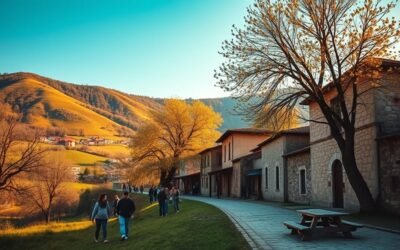
Alright, so you’re thinking about heading up to Norman Wells in the Northwest Territories and wondering when’s the sweet spot to go? Good question! The “best” time really depends on what you’re after. If you want to experience that iconic crisp Arctic air and maybe catch the Northern Lights, you’ll be looking at the colder months. But if sunshine and slightly milder, albeit still cool, temperatures are more your style, then summer is your best bet. Let’s break down what you can expect through the seasons so you can plan your trip perfectly.
Norman Wells experiences a subarctic climate, which means you can expect long, cold winters and short, cool summers. The weather here is a significant factor in planning any visit, as it dictates what you can do and how you’ll need to prepare. Think extremes: very cold and dark in winter, and surprisingly sunny but still chilly in summer.
Winter: The Reign of Cold
Winter in Norman Wells is serious business. It’s characterized by consistent sub-zero temperatures, ample snowfall, and extensive darkness. If you’re coming in these months, be prepared for the cold, but also for a unique kind of beauty and opportunity.
Peak Cold and Darkness (December to February)
This is the heart of winter. Temperatures regularly dip to -30°C (-22°F) and can plummet even further. Wind chill can make it feel significantly colder. Daylight hours are extremely short, with the sun barely making an appearance, if at all, during the deepest parts of December. This period is ideal for those seeking the full winter experience: snow, ice, and the best chance to see the aurora borealis.
Transition to Spring (March)
March sees a slight reprieve from the absolute depths of winter. While still very cold, temperatures begin to moderate, and daylight hours start to increase noticeably. Snow remains, and the frozen Mackenzie River is still a significant feature. This month can offer a good balance for winter activities with slightly more manageable conditions than the preceding months.
Spring: The Thaw and Renewal
Spring in Norman Wells is a time of dramatic change. The frozen landscape begins to awaken, and the days grow significantly longer. It’s a period of transition that brings its own set of challenges and unique sights.
Breakup on the Mackenzie (April to May)
This is perhaps the most visually striking, and potentially disruptive, period in spring. The ice on the Mackenzie River begins to break up, a powerful and awe-inspiring natural event. However, this also means travel can become very difficult or impossible for a period as ice roads disappear and river travel isn’t yet feasible. Waiting for the river to clear completely is often necessary for boat travel. Temperatures are still cool, often hovering around freezing or slightly above.
Towards Summer (June)
By June, the last of the snow has usually melted, and the tundra is starting to bloom. The daylight hours are incredibly long, a phenomenon known as the “midnight sun,” where the sun doesn’t set. The temperatures become more pleasant, though still cool by southern standards, making it an ideal time for exploring the landscape on foot or by boat.
Summer: The Season of Light and Activity
Summer in Norman Wells is a time of long daylight hours and a burst of activity as the landscape comes alive. While it doesn’t get ‘warm’ by traditional definitions, it’s the most temperate season and offers the most opportunities for outdoor exploration.
The Longest Days (July)
July typically offers the warmest temperatures of the year, though “warm” is relative – average highs are in the mid-teens Celsius (around 60°F). The mosquitos can be quite active during this time, so insect repellent is a must. This is the peak time for exploring the Mackenzie River, hiking, and enjoying the extended daylight that allows for a full day of activities.
Lingering Light (August)
August still boasts very long daylight hours, though they begin to shorten as the month progresses. Temperatures remain mild, and the mosquito activity starts to decrease. The autumn colors begin to emerge on the landscape towards the end of August, offering a different kind of visual appeal. It’s a great month for extended outdoor excursions before the cold truly sets in.
Autumn: A Brief but Beautiful Spectacle
Autumn in Norman Wells is a fleeting season, marked by a dramatic shift from the coolness of summer to the harshness of winter. The landscape transforms, offering a last burst of color before the snow returns.
Fall Colors and Frost (September)
September brings a noticeable chill to the air, and the first frosts are common. The most striking feature of September is the vibrant autumn foliage. The tundra transforms into a tapestry of reds, oranges, and yellows. Daylight hours are still decent but are shrinking rapidly. This is a beautiful time to visit if you’re prepared for cooler weather and want to witness the fall colors.
Early Snow and Freezing (October)
By October, winter’s grip begins to tighten significantly. Temperatures drop well below freezing, and snow is a regular occurrence. The Mackenzie River will likely start to freeze over. Daylight hours are short. This is generally considered the beginning of the winter season, and travel can become more challenging.
If you’re planning a trip to Norman Wells, Northwest Territories, you might find it helpful to read about the best times to visit, taking into account factors like weather, crowds, and costs. For more insights on travel planning and tips, check out this related article on the importance of understanding your destination’s climate and local events. You can find it here: Lele Tours.
Weather Considerations for Planning
The weather in Norman Wells is the dominant factor influencing your experience. It dictates everything from the clothing you’ll need to the activities you can realistically undertake. Being prepared for the extremes is key.
Temperature Extremes
You’ll experience some serious swings. Winters are frigid, with averages far below freezing. Summers are cool, with highs rarely exceeding 20°C (68°F). Always check forecasts closer to your travel dates, but plan for colder than you might expect, especially outside of July and August.
Daylight Hours: From Midnight Sun to Polar Night
This is a major differentiator. In summer, you’ll have nearly 24 hours of daylight, giving you incredible flexibility for exploring. In winter, especially December and January, you’ll have very little daylight, with the sun barely cresting the horizon, or not at all. This extreme difference significantly impacts your itinerary and what’s possible.
Precipitation and Snowfall
Snowfall is abundant throughout the winter months and into spring. Summer can bring rain, but it’s typically not a season of heavy precipitation. The presence of snow dictates travel conditions, especially concerning road access when winter roads are established or ice roads melt.
Navigating Crowds and Tourism Seasons
Norman Wells isn’t exactly a bustling metropolis, so ‘crowds’ are relative. However, there are still periods when more people are likely to be around.
Summer Peak: When Most People Visit
The summer months, particularly July and August, see the highest visitor numbers. This is when the weather is most conducive to travel and outdoor activities, and when services and tours are most readily available. If you prefer a quieter experience, consider traveling outside of this window.
Winter Wonder: The Niche Traveler
Winter draws a specific type of traveler – those interested in the full Arctic experience, Northern Lights viewing, and winter sports. While not crowded, you might encounter more people engaged in these specific pursuits. Book accommodations and tours well in advance if you’re planning a winter trip.
Shoulder Seasons: The Best of Both Worlds
The shoulder seasons – late spring (May to early June) and early autumn (September) – can offer a good balance. You’ll find fewer people than in summer, but the weather is often pleasant enough for enjoyable exploration. Prices might also be more moderate during these times.
Cost Considerations: Budgeting for Your Trip
Prices in Norman Wells, like many remote Northern communities, can be higher than in southern Canada. This is due to transportation costs for goods and services.
Flights: The Biggest Ticket Item
Getting to Norman Wells often involves flying, and airfare can be a significant portion of your budget. Prices fluctuate based on demand and booking time. Booking flights well in advance is usually the best strategy.
Accommodation: Options and Prices
Accommodation options are somewhat limited. Hotels and lodges are available, but they can be pricier, especially during peak summer demand. Consider booking early to secure your preferred lodging and potentially better rates. If you’re looking to save, research any potential for more rustic or self-catering options, though these are less common.
Activities and Tours: Investing in Experiences
Many of the best experiences in Norman Wells involve guided tours or activities, such as boat trips on the Mackenzie River, wildlife viewing excursions, or winter aurora tours. These add to the cost but are often essential for truly experiencing the region. Factor these into your budget.
Food and Supplies: Remote Pricing
Groceries and everyday supplies can be more expensive in Norman Wells due to transportation costs. If you plan on self-catering some meals, budget accordingly. Dining out will also reflect the higher cost of living.
If you’re planning a trip to Norman Wells, Northwest Territories, it’s essential to consider not only the best time to visit but also the various activities available during your stay. For more insights on travel planning, you might find this article on travel tips particularly helpful, as it covers important aspects such as local attractions, seasonal events, and budgeting advice that can enhance your experience in this beautiful region.
What to Pack: Dressing for the North
| Month | Weather | Crowds | Costs |
|---|---|---|---|
| June | Mild temperatures, long days | Low | Medium |
| July | Warmest month, occasional rain | Low to Medium | Medium |
| August | Mild temperatures, decreasing daylight | Low | Medium |
| September | Cooling temperatures, fall colors | Low | Low to Medium |
Your packing list will heavily depend on the season you choose to visit. Being prepared for the weather is not just about comfort; it’s about safety.
Winter Essentials: Layers are Key
If you’re visiting in winter, think extreme cold protection. This means thermal base layers, insulated mid-layers (fleece or down), and a heavy-duty, windproof, and waterproof outer shell. Warm hats that cover your ears, insulated gloves or mittens, and warm, waterproof boots are non-negotiable. Consider hand and foot warmers.
Summer/Shoulder Season Gear: Prepared for Coolness
Even in summer, pack layers. A good waterproof and windproof jacket is essential. Comfortable walking shoes or hiking boots are a must. Bring long pants and long-sleeved shirts to protect against the sun and any potential insects. A lighter hat and gloves might still be useful for cooler mornings and evenings.
Insect Repellent: A Summer Must-Have
If you’re traveling between late May and August, insect repellent, especially something effective against mosquitoes and black flies, is crucial. The “mosquito season” can be intense, and good repellent can make a huge difference in your enjoyment of the outdoors.
Essential Documents and Gear
Beyond clothing, ensure you have all necessary identification. A good camera to capture the unique landscapes and phenomena is highly recommended. Binoculars can also enhance wildlife viewing.
If you’re planning a trip to Norman Wells, Northwest Territories, you might find it helpful to read about the best time to visit, considering factors like weather, crowds, and costs. For additional insights on travel planning and tips, check out this related article on travel tips that can enhance your overall experience. Understanding these elements can help you make the most of your adventure in this beautiful region.
The “Best” Time: A Summary for Decision Making
So, to wrap it up, the “best” time boils down to what you want to get out of your trip:
- For the Northern Lights and Ultimate Winter Experience: December to February. Be ready for extreme cold and limited daylight, but the aurora potential is at its highest.
- For Slightly Milder Winter Travel and Increasing Daylight: March. Still cold, but potentially more manageable for some winter activities.
- For Seeing the Ice Breakup and the Landscape Awaken (with travel caveats): April to early May. Be aware of travel disruptions during the ice breakup.
- For Long Days, Outdoor Exploration, and Tundra Blooms: Late May to August. This is the most popular time with the warmest (cool) weather and 24-hour daylight, but also the most mosquitos.
- For Fall Colors and Fewer People: September. A beautiful, fleeting window before winter truly sets in.
Ultimately, any time you choose to visit Norman Wells will offer a unique and memorable experience. By understanding the weather, crowd patterns, and costs associated with each season, you can make an informed decision that best suits your travel style and priorities.
FAQs
1. What is the best time to visit Norman Wells, Northwest Territories?
The best time to visit Norman Wells, Northwest Territories is during the summer months of June to August when the weather is milder and the days are longer, allowing for more outdoor activities and exploration.
2. What is the weather like in Norman Wells, Northwest Territories throughout the year?
Norman Wells experiences a subarctic climate, with long, cold winters and short, warm summers. Winter temperatures can drop well below freezing, while summer temperatures can range from mild to warm.
3. When are the crowds at their peak in Norman Wells, Northwest Territories?
The peak tourist season in Norman Wells, Northwest Territories is during the summer months of June to August when the weather is most favorable. However, the town is generally not overcrowded due to its remote location.
4. When is the off-peak season in Norman Wells, Northwest Territories?
The off-peak season in Norman Wells, Northwest Territories is during the winter months of December to February when temperatures are extremely cold and daylight hours are limited. This is also the time when outdoor activities are limited.
5. How do costs vary throughout the year in Norman Wells, Northwest Territories?
Costs in Norman Wells, Northwest Territories can vary throughout the year. Accommodation and activity prices may be higher during the peak summer season, while they may be lower during the off-peak winter season. It’s important to plan and budget accordingly based on the time of year you plan to visit.