Let’s cut to the chase: The absolute sweet spot for visiting Hay River, Northwest Territories, is June through August. This is when you’ll find the most comfortable weather, endless daylight, and a vibrant community. While other seasons offer unique experiences, summer generally delivers the best all-around package for most visitors. Now, let’s dive into the details and help you decide what works best for your trip.
1. Summer (June, July, August): The Golden Ticket
If you’re looking for the quintessential northern experience with agreeable temperatures and an abundance of activities, summer is your go-to.
Weather in Summer: Warm, Sunny, and Long Days
Believe it or not, Hay River gets warm in the summer. Average daily temperatures in July, the hottest month, hover around 17°C (63°F), often climbing into the low to mid-20s (70s°F). Nights are cool but comfortable, rarely dipping below 10°C (50°F). Humidity is generally low, making those warm days feel even more pleasant.
The defining characteristic of a northern summer is the daylight. From mid-June until late July, Hay River experiences nearly 24 hours of daylight (or at least very long twilight). This “midnight sun” is a truly unique phenomenon, allowing for extended outdoor activities and a sense of having endless time. It also means you might want an eye mask for sleeping!
Precipitation during this period is moderate. You’ll likely encounter some rain showers, but they tend to be brief and refreshing, rarely disrupting plans for an entire day. It’s always a good idea to pack a light rain jacket, but you won’t be battling constant downpours.
Summer Crowds: Lively But Not Overrun
Hay River isn’t a massive tourist hub, so even in peak season, you won’t find yourself battling huge crowds. However, summer does see an increase in visitors. These include:
- Road Trippers: Many people venture up the Mackenzie Highway (Highway 1) during the warmer months.
- Families: Local families and those visiting relatives often plan their trips for summer vacation.
- Fishermen & Boaters: The Great Slave Lake and Hay River are magnets for fishing enthusiasts.
- Event-Goers: Local festivals often take place during the summer.
While there will be more people around, especially at popular spots like the Hay River Territorial Park or the beachfront, “crowded” is a relative term. You’ll easily find space to spread out, enjoy nature, and experience local life without feeling overwhelmed. It’s a friendly, bustling atmosphere, not a tourist trap.
Summer Costs: Moderate Increase
As with any popular travel season, summer sees a slight increase in costs in Hay River, particularly for accommodation.
- Accommodation: Hotels, motels, and B&Bs may have higher rates and book up more quickly. It’s wise to reserve your stay several weeks or even months in advance, especially if you’re traveling during a long weekend or a local event. Campground spots, while often first-come, first-served, also fill up faster.
- Flights: If you’re flying into Yellowknife and then connecting or driving, airfares tend to be at their peak during the summer months.
- Activities: Guided tours (like fishing charters) will be in full swing, and their prices reflect the demand. Fuel costs, while not season-dependent, are a significant factor for road trippers, and they generally remain high in the North.
Despite these increases, Hay River generally remains a more affordable destination compared to some of the larger, more established northern tourist centers. The key is planning ahead and booking early to mitigate some of the higher costs.
Summer Activities: Embrace the Outdoors
Summer is prime time for almost every outdoor activity in Hay River:
- Fishing: Great Slave Lake is world-renowned for its opportunities, particularly for trophy lake trout and northern pike. Hire a local guide for the best experience.
- Boating/Kayaking/Canoeing: Explore the Hay River itself or venture onto the vast Great Slave Lake. Rentals are available.
- Hiking & Nature Walks: The Twin Falls Gorge Territorial Park (just south of town) and various trails around town offer beautiful scenery.
- Camping: Experience northern nights under the midnight sun at local campgrounds.
- Beach Leisure: Hay River boasts a fantastic sandy beach right on Great Slave Lake. It’s perfect for swimming, sunbathing, or just relaxing with a view.
- Local Events: Keep an eye out for community events, markets, and gatherings, which are most frequent in summer.
If you’re planning a trip to Hay River, Northwest Territories, it’s essential to consider not only the best time to visit but also how to make the most of your experience. For more insights on travel planning and tips, you might find our related article helpful. It covers various aspects of visiting this beautiful region, including local attractions and activities. For more information, check out our contact page at here.
2. Autumn (September, October): A Burst of Color, Then Winter’s Edge
Autumn in Hay River is a transition, offering a beautiful, albeit brief, spectacle of fall colors before the real chill sets in.
Weather in Autumn: Crisp Air and Changing Hues
Early September still feels like summer, but signs of autumn quickly emerge. Daytime temperatures typically range from 5°C to 15°C (41°F to 59°F) in September, dropping to 0°C to 5°C (32°F to 41°F) in October. Nights become significantly colder, often dipping below freezing.
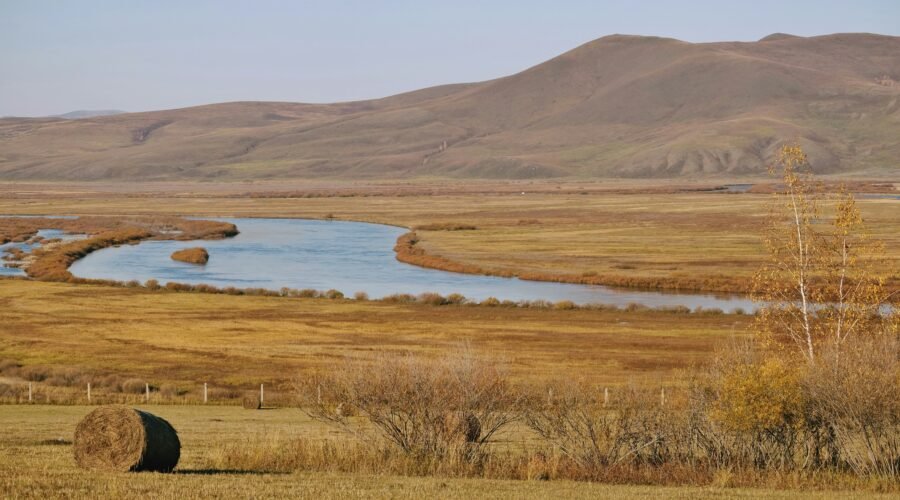
The most striking feature of autumn is the foliage. The vast expanses of aspen and birch turn brilliant shades of gold, orange, and red, creating stunning landscapes, especially along the riverbanks and highways. This vibrant display usually peaks in mid-September.
As autumn progresses, precipitation shifts from rain to a mix of rain and snow. By late October, snow is a regular occurrence, announcing the impending winter. Daylight hours shorten quite rapidly, and the sun sets earlier each day.
Autumn Crowds: Quiet and Serene
After the summer rush, autumn sees a significant decrease in visitor numbers. Hay River becomes much quieter and more serene. You’ll encounter mostly locals going about their daily lives.
- Fewer Tourists: Most casual visitors have departed.
- Hunters: Some hunters arrive for the fall hunting seasons.
- Local Explorers: Residents often take advantage of the beautiful weather and fewer bugs for outdoor excursions.
If you prefer solitude, quiet contemplation, and a chance to experience the North without many others around, early autumn can be a perfect fit.
Autumn Costs: Lower and More Flexible
With fewer tourists, autumn generally brings lower costs and more flexibility.
- Accommodation: Hotel rates often decrease from their peak summer prices, and availability is much better. You might even find some off-season deals.
- Flights: Airfares typically drop after the summer high season.
- Activities: Some seasonal businesses, like fishing charters, might begin winding down operations by late September or early October, so check availability. However, self-guided activities remain free or low-cost.
Overall, autumn offers a more economical time to visit, especially if you’re independently exploring and don’t rely heavily on organized tours.
Autumn Activities: Nature’s Art and Hunting Opportunities
Autumn activities primarily revolve around appreciating the natural beauty and preparing for winter.
- Fall Colors Photography: The vibrant landscapes are a photographer’s dream.
- Hiking & Nature Walks: Enjoy the crisp air and colorful scenery on trails before snow covers them. Remember to be bear aware, as they are actively feeding before hibernation.
- Fishing: Still good opportunities in early autumn, especially for lake trout, though the weather can be more unpredictable.
- Hunting: Fall is a popular season for various hunting opportunities (e.g., moose, small game), requiring proper permits and guides.
- Stargazing: As daylight hours shorten, the northern night sky begins to reveal its wonders again, including early aurora sightings if conditions are right.
3. Winter (November, December, January, February, March): A Wonderland of Ice and Lights
Winter in Hay River is a true northern experience, characterized by snow, ice, and stunning aurora displays. It’s certainly not for everyone, but for those seeking unique adventures, it can be incredibly rewarding.
Weather in Winter: Cold, Snowy, and Aurora Nights
Let’s not sugarcoat it: winter in Hay River is cold. Average daily temperatures from December to February often range from -15°C to -25°C (5°F to -13°F), with frequent plunges to -30°C (-22°F) or lower, especially with wind chill. January is typically the coldest month.
Snowfall is abundant, transforming the landscape into a pristine white wonderland. The Hay River itself and parts of Great Slave Lake freeze solid, creating ice roads and opportunities for ice fishing.
Daylight hours are very short. In December, the shortest month, Hay River experiences only about 4-5 hours of daylight, with the sun barely rising above the horizon. The flip side of this darkness is the prime opportunity to witness the Aurora Borealis (Northern Lights). With clear, dark skies, Hay River’s location makes it an excellent spot for aurora viewing.
Winter Crowds: Minimal and Niche
Winter sees the fewest visitors. Those who do come are typically looking for very specific experiences.
- Aurora Chasers: Dedicated photographers and aurora enthusiasts.
- Ice Fishing Fanatics: Anglers who brave the cold for the winter catch.
- Winter Sport Enthusiasts: Snowmobilers, cross-country skiers.
- Business Travelers: Essential personnel.
You’ll have the town largely to yourself, providing an intimate and authentic experience of northern life.
Winter Costs: Variable but Generally Lower
Costs in winter can be a mixed bag, but generally offer some of the best value for accommodations.
- Accommodation: Hotel rates are often at their lowest, and availability is excellent. Some smaller establishments might even close for parts of the off-season, so check ahead.
- Flights: Airfares can be lower outside of holiday periods.
- Activities: While basic accommodation and travel might be cheaper, specialized winter activities (e.g., guided ice fishing, snowmobile safaris) can be pricey, reflecting the equipment and expertise required. Rental of proper winter gear might also be an added cost.
Consider total costs carefully, as specialized winter activities and very warm clothing might add up, even with cheaper accommodation.
Winter Activities: Embrace the Chill
Winter offers a magical array of activities, as long as you’re prepared for the cold.
- Aurora Viewing: This is the undisputed highlight. Find a dark spot away from town lights (often easy to do), dress warmly, and look up! Prime viewing is from late October to March.
- Ice Fishing: Drill a hole in the frozen Great Slave Lake and try your luck. Guided tours are available, often including heated huts.
- Snowmobiling: Expansive trails and frozen lakes offer incredible opportunities for snowmobile adventures.
- Cross-Country Skiing & Snowshoeing: Explore snow-covered trails and quiet forests.
- Downhill Skiing (Nearby): While not in Hay River directly, there’s a small ski hill (Mount Sima) in Whitehorse, Yukon, for those combining trips.
- Winter Camping (for the adventurous): Experience ultimate solitude.
- Cozy Indoors: Enjoy local restaurants, museums, and community centers.
Important Note for Winter: Proper winter clothing is absolutely essential. We’re talking multiple layers, insulated outer shell, warm boots (rated to -40°C), thermal socks, hat, mitts, and a balaclava. Frostbite can occur quickly in extreme cold.
4. Spring (April, May): The Great Thaw and Awakening
Spring in Hay River is a period of dramatic transformation, as the land shakes off winter’s grip and life begins anew.
Weather in Spring: Rapid Change and Breakup
Spring is a season of rapid and often unpredictable weather shifts. Early April can still feel like winter, with temperatures below freezing and significant snow cover. By May, things change dramatically.
- April: Temperatures average around -5°C to 5°C (23°F to 41°F). Snowmelt accelerates, and ice on the river and lake begins to weaken.
- May: Average temperatures climb to 5°C to 15°C (41°F to 59°F). The remaining snow quickly disappears, trees begin to bud, and migratory birds return.
The most significant event of spring is “Breakup” – the spectacular melting and movement of ice on the Hay River and Great Slave Lake. This natural phenomenon, often occurring in late April or early May, is a powerful display of nature, creating vast open water and unique photographic opportunities. It also marks the end of ice roads.
Precipitation varies, including late-season snow, rain, and slush. Mud can be a factor as the ground thaws. Daylight hours increase rapidly, adding several minutes of daylight each day.
Spring Crowds: Very Few
Spring is perhaps the quietest time to visit Hay River, outside of local residents.
- Ice Fishers (early spring): Some hardy souls may still be on the ice in early April.
- Breakup Enthusiasts: A few locals and photographers might observe the ice breakup.
- Pre-Summer Preparations: Some early season workers or visitors preparing for summer might arrive.
If you enjoy witnessing natural processes and the raw power of transformation, spring can be fascinating, but expect very little in terms of “tourism infrastructure” to be fully operational.
Spring Costs: Lowest of the Year
Spring typically offers the lowest costs for accommodation and potentially flights (outside of holidays).
- Accommodation: Rates are generally at their most competitive, and availability is excellent.
- Flights: Often the cheapest time to fly, though schedules might be reduced.
- Activities: Very few organized tourist activities are running, as many are either winding down for winter or preparing for summer. This means your activities will largely be self-directed and low-cost.
This can be a budget-friendly time for independent travelers who are comfortable with fewer services and wish to witness the changing landscape.
Spring Activities: Witnessing the Thaw
Spring activities are focused on observing nature’s awakening.
- Breakup Viewing: Find safe vantage points along the Hay River or Great Slave Lake to witness the powerful ice breakup. This is a must-see for those present.
- Birdwatching: Migratory birds return, filling the air with activity.
- Photography: Capture the dramatic transformations from winter white to spring green, and the fascinating ice formations.
- Early Season Hiking: Once trails are clear of snow and mud, enjoy the awakening forests.
- Planning for Summer: Use this time to explore the town and plan potential summer adventures as the land becomes more accessible.
Important Note for Spring: Conditions can be very muddy and variable. Dress in layers and bring waterproof footwear. Be aware of changing ice conditions – never venture onto ice unless you are absolutely certain of its safety and have local guidance, especially during breakup.
If you’re planning a trip to Hay River, Northwest Territories, you might find it helpful to read a related article that discusses the best times to visit various destinations in Canada. This article provides insights into weather patterns, crowd levels, and costs associated with travel, which can enhance your overall travel experience. For more information, check out this informative piece on traveling in Canada.
5. Final Considerations for Your Hay River Trip
Beyond the seasonal specifics, a few other points will help you plan:
Bug Season: A Northern Reality
No matter when you visit, but especially from late May through August, you need to be aware of insects. Mosquitoes and black flies can be abundant in the North.
- Peak Bug Season: Mid-June to mid-August.
- Preparation: Pack insect repellent with DEET, a head net (especially if hiking or fishing), and long sleeves/pants, even on warmer days.
- Less Affected: The waterfront (due to wind) and breezy areas tend to be less buggy.
Don’t let them deter you, just be prepared, and it won’t be an issue.
Local Events Can Influence Your Visit
Keep an eye on the Hay River community calendar. Local festivals, fishing derbies, and cultural events can add a fantastic dimension to your trip, but they might also mean more demand for accommodation.
- Hay River Trade Show: Often in spring or fall.
- Riverbend Jamboree: Summer music festival.
- K’atl’odeeche First Nation Events: Throughout the year.
Checking ahead can help you either plan your trip around an event for more solitude or to coincide with one for a lively experience.
Accessibility and Road Conditions
Hay River is accessible year-round via the Mackenzie Highway (Highway 1), connecting from Grande Prairie, Alberta.
- Summer/Fall: Roads are generally in good condition, though northern highways can be gravel in sections or under construction.
- Winter: Roads are plowed regularly, but driving conditions can be snowy and icy. Winter tires are highly recommended, and always carry an emergency kit. Check road conditions before you travel (NWT Highway Conditions).
- Spring (Breakup): Road closures due to flooding or ice concerns are possible during the breakup period, especially for the northern section of the highway near the river crossing, or the N’Dilo access. Always check local advisories.
Whether you’re after the vibrant energy of summer, the serene beauty of autumn, the magical glow of winter, or the dramatic awakening of spring, Hay River offers something unique for every traveler. The “best” time truly depends on your personal preferences and what kind of adventure you’re seeking. Happy travels!
FAQs
1. What is the best time to visit Hay River, Northwest Territories for favorable weather?
The best time to visit Hay River for favorable weather is during the summer months of June to August, when temperatures are milder and the days are longer.
2. When is the peak tourist season in Hay River, Northwest Territories?
The peak tourist season in Hay River is during the summer months, particularly in July and August, when the weather is most favorable and outdoor activities are in full swing.
3. What is the off-peak season in Hay River, Northwest Territories?
The off-peak season in Hay River is during the winter months, from November to March, when temperatures drop significantly and outdoor activities are limited.
4. When can visitors expect lower costs for accommodations and activities in Hay River, Northwest Territories?
Visitors can expect lower costs for accommodations and activities during the off-peak winter season, from November to March, when tourism is slower and demand is lower.
5. What are the key factors to consider when planning a visit to Hay River, Northwest Territories?
Key factors to consider when planning a visit to Hay River include the weather, peak tourist season, off-peak season, and associated costs for accommodations and activities.