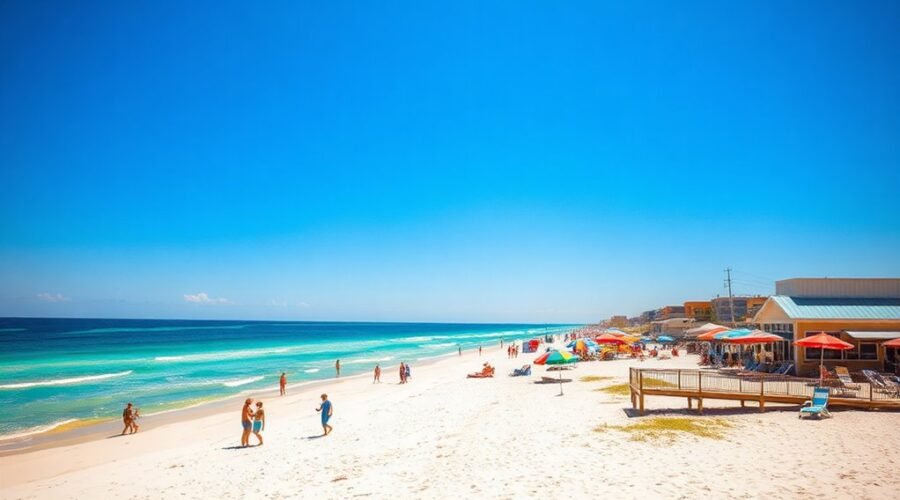
Finding the best time to visit Panama City Beach depends on what you want from your Florida getaway. Warm Gulf water, manageable crowds, affordable hotels, and pleasant weather rarely peak at exactly the same time. This guide compares the seasons, monthly temperatures, rainfall, events, and costs so you can choose dates that fit your trip.
Quick Answer
The best time to visit Panama City Beach is late April through May or October. These periods balance comfortable weather, fewer crowds, and better accommodation value than peak summer. May is especially good for swimming. October suits outdoor activities and relaxed beach days. Choose winter for lower costs, or summer for a traditional family beach vacation.
Last checked: November 15, 2026. Climate averages, published event dates, and key visitor regulations were checked against official sources.
Key Takeaways
- April averages a daytime high of 78.7°F, while May reaches 85.3°F. Both offer a useful balance of warmth and outdoor comfort.
- March is spring-break season. Alcohol is prohibited on Panama City Beach’s sandy beaches throughout the month.
- June through August brings the busiest summer vacation period, hot weather, and frequent thunderstorms.
- October averages 82.2°F during the day and 3.45 inches of rain, making it an appealing fall travel month.
- Atlantic hurricane season runs from June 1 through November 30. September falls near the historical peak.
- Winter offers quieter beaches and often better accommodation value, although the Gulf is too cool for many swimmers.
The Best Time to Visit Panama City Beach (The Short Answer)
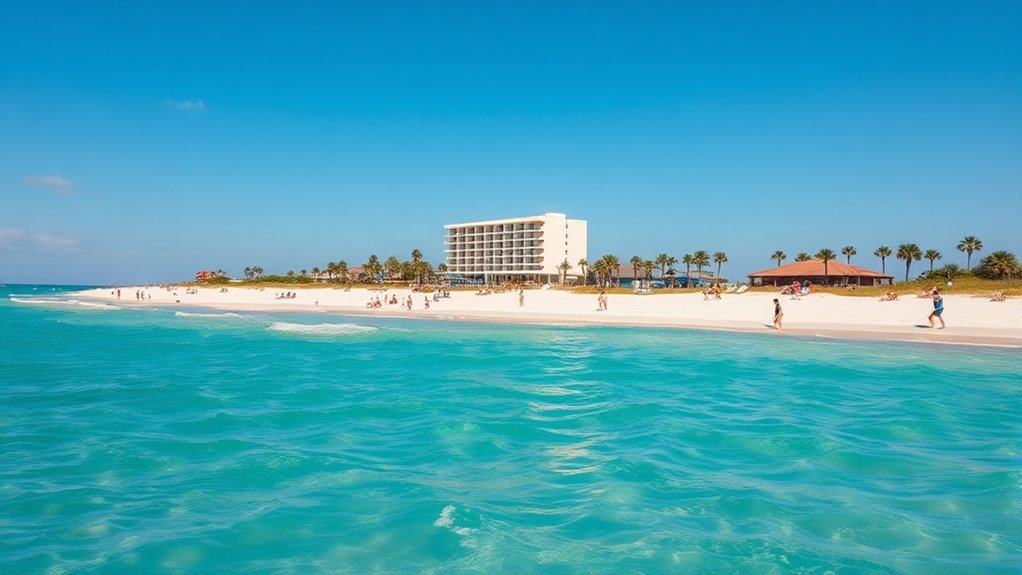
Late April through May is the strongest spring window for most travelers. Spring break is largely over, daytime temperatures are warm, and the Gulf is gradually becoming more comfortable for swimming.
October is the best fall alternative. Summer vacation crowds have faded, humidity is usually more comfortable, and the weather remains suitable for beach walks, sightseeing, kayaking, and other outdoor activities.
However, your ideal dates depend on your priorities:
- Best overall weather: Late April, May, and October.
- Best for swimming: May through September, with early October often remaining comfortable.
- Best for families: Late May and June for warm water and a full range of seasonal activities.
- Best for fewer crowds: November through February, outside major holiday events.
- Best for a lively atmosphere: Spring break, summer vacation, and major festival weekends.
- Best for budget travelers: Winter and selected fall or spring weekdays.
March through May is considered spring, June through August is summer, September through November is fall, and December through February is winter. Each season offers a different experience.
March can be busy because of spring break, so it is not automatically a quiet shoulder-season month. Likewise, September can remain hot and humid despite the end of summer vacation.
For the best balance of beach weather and manageable crowds, target late April through May or October rather than relying on broad seasonal labels.
Panama City Beach Weather by Month: Temperatures, Rain, and Humidity
Panama City Beach has a humid subtropical climate with mild winters and hot summers. Average daytime highs range from about 64°F in January to 91°F in July.
The following figures come from the Florida Climate Center’s 1991–2020 Panama City climate normals. The weather station is in nearby Panama City, so actual beachfront temperatures may differ slightly.
To help compare weather with crowds, the table also includes historical monthly visitor activity from the City of Panama City Beach Growth Plan. These visitor percentages describe the distribution of annual tourism activity during 2016–2024, not the percentage of visitors present on a single day.
| Month | Avg High | Avg Low | Rainfall | Historical Visitor Share |
|---|---|---|---|---|
| January | 64.4°F | 42.6°F | 4.79 in | 4.6% |
| February | 67.4°F | 46.0°F | 4.95 in | 5.6% |
| March | 72.9°F | 51.5°F | 5.03 in | 8.0% |
| April | 78.7°F | 57.8°F | 4.09 in | 7.9% |
| May | 85.3°F | 65.6°F | 3.31 in | 9.6% |
| June | 89.3°F | 72.9°F | 5.82 in | 13.6% |
| July | 91.1°F | 75.0°F | 7.41 in | 15.1% |
| August | 90.9°F | 74.7°F | 7.44 in | 9.4% |
| September | 89.0°F | 71.1°F | 6.98 in | 8.4% |
| October | 82.2°F | 61.2°F | 3.45 in | 7.2% |
| November | 73.3°F | 50.1°F | 3.70 in | 5.2% |
| December | 66.5°F | 45.1°F | 4.30 in | 5.4% |
These are long-term averages, not forecasts for your travel dates. A single month can be much warmer, cooler, wetter, or drier than normal.
Monthly Temperature Breakdown
January and February: Expect daytime highs in the mid-60s°F and chilly nights. Bring a jacket for early mornings and evenings. These months work well for sightseeing, dining, and beach walks rather than extended swimming.
March: Average highs reach 72.9°F. Conditions improve for walking and outdoor recreation, but the Gulf can still feel cold. Spring-break crowds are a bigger consideration than extreme heat.
April: The average high rises to 78.7°F. This is one of the most comfortable months for combining beach time with parks, shopping, and outdoor attractions.
May: Average highs reach 85.3°F, and the Gulf continues warming. May also has the lowest average monthly rainfall in the climate dataset, making it a strong choice for a beach-focused vacation.
June through August: Average daytime highs range from 89.3°F to 91.1°F. The Gulf is generally warm enough for comfortable swimming, but humidity and thunderstorms become significant considerations.
September: The average high remains 89°F. Despite smaller post-summer crowds, the weather can still feel like midsummer.
October: Daytime highs average 82.2°F, with cooler evenings. The Gulf often retains warmth from summer, especially early in the month.
November and December: Average highs fall to 73.3°F and 66.5°F, respectively. Outdoor sightseeing remains possible, although swimming becomes less appealing for many visitors.
Rainfall Patterns Explained
Rainfall is an important part of planning a Panama City Beach vacation. The wettest part of the year generally runs from June through September, with July and August receiving the highest average monthly totals.
The following figures come from the NOAA National Centers for Environmental Information’s 1991–2020 monthly normals for Panama City 5N.
| Month | Rainfall Averages (inches) | Rainy Days |
|---|---|---|
| January | 4.79 | 8.7 |
| March | 5.03 | 6.9 |
| June | 5.82 | 10.8 |
| August | 7.44 | 13.6 |
| October | 3.45 | 5.6 |
Rainy days are monthly averages for days receiving at least 0.01 inch of precipitation. Decimal values describe the long-term average, not a forecasted number of rainy days.
Summer thunderstorms frequently develop during the afternoon. A forecast showing rain does not necessarily mean every hour will be wet.
For summer visits, schedule beach excursions early in the day and keep an indoor activity available as a backup. Thunderstorms may develop quickly, even after a sunny morning.
October and May offer especially favorable rainfall averages. However, no month guarantees dry weather throughout your vacation.
Humidity Levels Seasonally
Humidity changes how comfortable the temperature feels. In Panama City Beach, summer humidity can make a 90°F afternoon feel considerably hotter.
During June through September, dew points can rise above 70°F. On especially humid afternoons, the heat index can approach 105°F, depending on the combination of temperature and moisture.
Air-conditioned accommodations, shade, frequent water breaks, and lighter clothing make summer visits more comfortable.
October usually brings a noticeable improvement. Although daytime temperatures remain warm, the lower humidity often makes walking and sightseeing more enjoyable.
March and April generally feel more comfortable than midsummer. Humidity then increases as May approaches.
Winter brings cooler air and less oppressive heat. This makes it a good season for exploring parks and outdoor attractions without summer’s intense humidity.
Spring Break in Panama City Beach: Worth It or Worth Avoiding?
Spring break is worth considering if you enjoy lively beaches, nightlife, and a busy vacation atmosphere. It is less suitable for travelers seeking quiet surroundings, easy parking, and the lowest hotel rates.
Spring-break activity typically increases during March and can extend into early April as school schedules vary. However, Panama City Beach has specific rules that affect visitors during this period.
Warning: Alcohol is prohibited on Panama City Beach’s sandy beaches from March 1 through March 31. The published 2026 high-impact period was March 28 through April 11, with additional restrictions, including an 8 p.m. to 5 a.m. curfew for unaccompanied minors in designated areas. These dates and restrictions may change for future travel years.
The official Panama City Beach Know Before You Go guide explains the March alcohol restriction, high-impact zones, age requirements, and visitor rules.
These regulations mean spring break should not be viewed as an unrestricted beach-party season. Visitors should plan around the rules as well as the crowds.
Spring Break Crowd Levels
Spring break can bring busy beaches, crowded restaurants, and heavy traffic around popular attractions. Mid-March is often especially active because many colleges and schools schedule breaks during this period.
For context, the U.S. Census Bureau estimated Panama City Beach’s resident population at 20,375 in July 2025. Seasonal visitors add considerably to that population, although total visitors over several weeks should not be confused with a single-day population.
Spring-break activities include beach volleyball, live entertainment, shopping, and organized nightlife events. The atmosphere varies by location and week.
For family-friendly activities, consider quieter beach access areas, St. Andrews State Park, and scheduled attractions instead of focusing only on the busiest entertainment districts.
Late February can offer fewer spring-break crowds, but the weather and water are cooler. After the main spring-break period, April often becomes a better choice for travelers seeking warm conditions without the same crowd pressure.
Spring also brings major events. The 2027 Seabreeze Jazz Festival is scheduled for April 21–25, bringing live music and additional visitor demand.
Spring Break Budget Considerations
Spring break can be expensive because many travelers compete for accommodations during the same weeks. Popular beachfront hotels and large vacation rentals may see substantial price increases.
During especially busy periods, some properties may charge double or triple their quieter-season rates. Actual increases depend on property type, location, dates, and availability.
To manage costs, compare hotels with vacation rentals, especially when traveling with a group. A condo with a kitchen may offer better value when several people share accommodation and food expenses.
Free beach access can help keep entertainment costs down. Paid options, including Shell Island boat tours, pier fishing, and Ripley’s Believe It or Not, can be reserved for the activities your group values most.
Grocery shopping and casual dining away from the busiest tourist areas may also reduce your daily expenses.
If your travel dates are flexible, comparing the weeks immediately before and after the busiest spring-break period can reveal meaningful savings.
Summer in Panama City Beach: What Peak Season Actually Looks Like
June through August is Panama City Beach’s main family vacation season. The Gulf is warm, school is out, and popular attractions operate around high summer demand.
The beaches fill with umbrellas, families, and water activities. Dolphin cruises, paddleboarding, parasailing, fishing trips, and amusement attractions are popular choices.
Official visitor data shows that June and July historically account for a particularly large share of annual tourism. July alone represented 15.1% of the annual visitor activity measured in the city’s 2016–2024 dataset.
Summer is also a major event season. The 2027 Gulf Coast Jam is scheduled for June 3–6, bringing country music performances to Frank Brown Park.
Panama City Beach also hosts a summer concert series at Aaron Bessant Park. These outdoor performances provide an alternative to paid amusement attractions.
Summer offers warm swimming conditions and plenty of activities, but it also brings more traffic, high humidity, and frequent afternoon storms.
Beach safety becomes especially important when families spend long days near the water. Rip currents are caused by water movement, waves, and surf conditions, not by the number of people swimming.
Warning: Double-red beach flags mean the water is closed to the public. A single red flag indicates high hazards, including strong currents or surf. Yellow means moderate hazards, green means low hazards, and purple warns of dangerous marine life. Never assume calm-looking water is safe.
The City of Panama City Beach’s official beach flag guide explains the warning system. Visitors can receive flag-change alerts by texting PCBFLAGS to 888777.
During thunderstorms, leave the beach for a substantial building or enclosed vehicle. The National Weather Service recommends waiting 30 minutes after the last thunder before returning outdoors.
Summer also overlaps with hurricane season. This does not mean a hurricane will affect your trip, but flexible reservations and suitable travel insurance can be valuable.
For families who prioritize swimming, water activities, and a busy vacation atmosphere, summer remains an excellent choice despite its trade-offs.
Why Fall Is Panama City Beach’s Most Underrated Season
Fall offers some of the best travel value in Panama City Beach, especially during October. Crowds generally decline after summer vacation, while temperatures remain comfortable for beach activities and sightseeing.
However, September and October are quite different. September averages an 89°F high and remains humid, while October averages 82.2°F with considerably less rain.
September can also carry substantial tropical-storm risk. The National Hurricane Center identifies June 1 through November 30 as Atlantic hurricane season, with the historical peak around September 10.
October offers a better balance for many visitors. You can still enjoy the beach, kayak along the coast, explore nature trails, or visit Pier Park without the same level of summer demand.
Fall events add another reason to visit. The 2027 Panama City Beach Oktoberfest is scheduled for October 15–17 at Aaron Bessant Park, featuring German food, music, and family activities.
Other recurring fall attractions include the Thunder Beach Motorcycle Rally and seasonal community festivals. These events can create localized crowds even when the wider beach area is quieter.
For a budget-friendly outdoor activity, visit Panama City Beach Conservation Park. Admission is free, and the park offers more than 24 miles of trails across over 2,900 acres.
The park is open from dawn to dusk and includes walking paths, boardwalks, and wildlife-viewing opportunities.
November becomes quieter and cooler. Its average daytime high is 73.3°F, making it better suited to walking, nature trips, and sightseeing than long swimming sessions.
Hotel rates often become more attractive after Labor Day, although major festivals and holiday weekends can cause temporary price increases.
For travelers who can accept some weather uncertainty, October is one of the strongest months for balancing comfort, activities, and overall value.
Panama City Beach Costs by Season: Hotels, Food, and Activities
Accommodation is usually the biggest variable in a Panama City Beach vacation budget. Room type, beach access, weekend demand, school holidays, and major events can all affect prices.
Summer is generally the most expensive period for popular beachfront properties. Winter and selected shoulder-season dates often provide better value.
The following accommodation figures are broad examples retained from the original article, not verified market-wide averages or live quotes for specific dates.
| Season | Accommodation Costs | Main Cost Factors |
|---|---|---|
| Spring | Moderate to high | Spring break, Easter, and festival weekends can increase demand. |
| Summer | Original illustrative beachfront range: $200–$400 per night | School vacations, beachfront location, and weekend demand. |
| Fall | Often lower after Labor Day | Major festivals, holiday weekends, and property type. |
| Winter | Original illustrative range: $80–$150 per night | Lower beach demand, holiday events, and extended-stay discounts. |
The original price examples suggest substantial seasonal differences, but they should not be treated as guaranteed booking rates. Specific properties may fall above or below these ranges.
Fall discounts can sometimes approach 40% compared with peak-season prices, although that percentage depends on the property and dates and is not a verified destination-wide average.
Dining costs also depend on where and how you eat. Popular beachfront restaurants may cost more than casual restaurants farther from the main tourist areas.
Activities such as jet ski rentals, dolphin cruises, parasailing, and guided tours add to the budget. Seasonal availability and promotions may affect their prices.
Not everything requires a large activity budget. Public beach access and nature walks provide inexpensive ways to spend time outdoors.
For example, St. Andrews State Park lists admission at $8 per vehicle for two to eight people, $4 for a single-occupant vehicle, and $2 for pedestrians or bicyclists. The park is open from 8 a.m. until sundown.
St. Andrews offers beaches, fishing, wildlife viewing, and access to Shell Island excursions. The Shell Island shuttle requires a separate ticket.
A vacation condo with a kitchen can further reduce expenses. Preparing breakfast and some evening meals allows you to reserve more of your budget for experiences.
Remember to include cleaning fees, parking charges, taxes, resort fees, and transportation when comparing the total cost of different accommodations.
How to Book Panama City Beach at the Right Time for the Best Price
The best booking strategy combines advance planning with flexible travel dates. High-demand periods generally require earlier reservations, while quieter months offer more opportunities to compare rates.
For spring break and summer, consider booking accommodations three to six months ahead. Popular beachfront properties and larger condos may fill early, especially around school holidays and major events.
For May, October, and winter trips, you may have more flexibility. However, special events can still affect availability and prices.
Use these strategies to improve your chances of finding a good deal:
- Compare several travel dates. Moving your arrival or departure by one or two days may change the total accommodation cost.
- Check weekday and weekend rates. Tuesday or Wednesday arrivals can sometimes be cheaper than Friday arrivals, depending on demand.
- Compare hotels and vacation rentals. Include mandatory fees, parking, taxes, and the total cost for your group.
- Use price-comparison tools. Google Hotels can help you compare accommodation options, while Kayak offers price-tracking tools for eligible travel searches.
- Choose refundable reservations when appropriate. If a better rate appears later, review the cancellation terms before changing your booking.
- Plan around major events. Festival weekends can raise prices even in otherwise quieter months.
Pro Tip: Compare the total cost of a five-night Sunday-to-Friday stay against a five-night stay that includes a weekend. The nightly price can change enough to outweigh small differences in travel costs.
For trips during hurricane season, review cancellation rules carefully. Some accommodation policies do not automatically provide refunds for poor weather or a storm forecast.
Before paying for a vacation rental, confirm the property’s check-in age requirement, cancellation policy, and payment terms.
Panama City Beach also has rental certification requirements. The city’s short-term rental regulations require qualifying vacation rentals within city limits to hold a valid Vacation Rental Certificate.
This responsibility belongs to the rental operator or property owner, not the vacationing guest.
Finally, match your booking dates to your main activity. If swimming is essential, prioritize warmer months. If your goal is sightseeing, relaxing, or saving money, cooler shoulder-season and winter dates may be more suitable.
Frequently Asked Questions
Are There Any Annual Festivals or Events Unique to Panama City Beach?
Yes. Panama City Beach hosts Gulf Coast Jam, the Seabreeze Jazz Festival, Thunder Beach Motorcycle Rally, Oktoberfest, and seasonal community celebrations. These events attract visitors outside the main summer vacation period. Festival dates vary each year, so they can affect accommodation demand and crowd levels during otherwise quieter months.
Is Panama City Beach Family-Friendly Compared to Other Florida Beach Destinations?
Yes. Panama City Beach offers approximately 27 miles of coastline and many family activities, including beaches, boat tours, amusement attractions, and nature parks. Unlike Orlando, its main appeal is coastal recreation rather than large theme parks. Families seeking a relaxed atmosphere may prefer late April, May, or October over spring-break weeks.
What Wildlife or Marine Life Can Visitors Expect to See Year-Round?
Visitors may encounter dolphins, pelicans, herons, stingrays, and many fish species throughout the year. Sea turtles also inhabit Gulf waters, with nesting activity occurring seasonally. Sightings are never guaranteed. Wildlife viewing is often rewarding around St. Andrews State Park, Shell Island, and protected coastal habitats.
Are There Indoor Attractions to Enjoy During Rainy or Stormy Days?
Yes. Ripley’s Believe It or Not, WonderWorks, movie theaters, indoor arcades, and shopping areas provide alternatives to the beach. These attractions are useful during summer thunderstorms or cooler winter days. Some activities require paid admission, and availability may vary by season.
How Far in Advance Should Travelers Apply for Vacation Rental Permits?
Travelers do not need to apply for vacation rental permits simply to book accommodation in Panama City Beach. The property’s owner or operator is responsible for required rental certification. Guests should confirm that their accommodation is properly registered and check the minimum booking age. Some properties impose additional age restrictions.
Conclusion
The best time to visit Panama City Beach is late April through May or October if you want warm weather without the busiest summer crowds.
Choose June through August for a classic family beach vacation, March for spring-break energy, or winter for quieter travel and potentially lower accommodation costs.
Once you know your priorities, compare several travel dates, review local event schedules, and choose accommodations that fit your budget. The right timing can make your Panama City Beach vacation more comfortable and enjoyable.
Sources
- Florida Climate Center, Panama City Climate Normals: Average monthly high and low temperatures and precipitation for 1991–2020.
- NOAA National Centers for Environmental Information: Official monthly climate normals and rainy-day averages for Panama City 5N.
- City of Panama City Beach Growth Plan: Historical monthly visitor activity distribution and tourism population context.
- Visit Panama City Beach, Know Before You Go: March beach alcohol restrictions, high-impact periods, and visitor regulations.
- U.S. Census Bureau QuickFacts: Panama City Beach population estimates.
- Visit Panama City Beach, Seabreeze Jazz Festival: Official 2027 festival dates and event information.
- Visit Panama City Beach, Gulf Coast Jam: Official 2027 concert dates and event details.
- Visit Panama City Beach, Oktoberfest: Official 2027 event dates and activities.
- City of Panama City Beach, Beach Flags: Beach warning flags, swimming hazards, and alert information.
- NOAA National Hurricane Center, Tropical Cyclone Climatology: Hurricane season dates and historical peak activity.
- National Weather Service, Outdoor Lightning Safety: Safe shelter and thunderstorm precautions.
- City of Panama City Beach, Conservation Park: Free admission, trail distances, park size, and operating hours.
- Florida State Parks, St. Andrews State Park Hours and Fees: Park admission prices and opening hours.
- City of Panama City Beach, Short-Term Rentals: Vacation rental certificate requirements.
- Visit Panama City Beach, New Year’s Eve Beach Ball Drop: Official seasonal holiday event information.