Deciding on the best time to visit Percé, Quebec comes down to what kind of experience you’re after. This beautiful coastal town on the Gaspé Peninsula offers dramatic scenery, wildlife, boat trips, and some of Quebec’s most recognizable natural landmarks. July and August bring the warmest travel conditions and the liveliest atmosphere, while June and September appeal to visitors who prefer a quieter trip. The important thing is to match your dates to the attractions you actually want to visit, especially Bonaventure Island.
Quick Answer
The best time to visit Percé, Quebec is July or August for warmer weather, regular boat excursions, and the widest choice of seasonal services. Early September is an excellent alternative for a quieter coastal getaway. In 2026, Bonaventure Island’s national park season runs from May 31 through October 12, although individual services have different schedules.
Key Takeaways
- July and August: Choose these months for the main summer tourism experience, longer daylight hours, and regular seasonal activities.
- June: A good choice for early-season sightseeing, though late May visitors should pay close attention to opening dates.
- Early September: Offers a useful balance of outdoor activities, potentially lighter crowds, and cooler evenings.
- October: Suitable for autumn scenery, but the main national park season ends on October 12 in 2026.
- November through April: Better suited to quiet coastal sightseeing and winter travel than a conventional summer-style holiday.
- Important: Passenger boat transportation and national park admission are separate expenses.
Best Time to Visit Percé, Quebec: Month-by-Month Overview
Before choosing your travel dates, compare the experience each part of the year offers. The table below is a practical planning guide, not a guarantee of weather, prices, or individual business opening hours.
| Month | Travel Experience | Best For |
|---|---|---|
| January–February | Cold, snowy, and quiet | Winter photography and solitude |
| March–April | Late winter and early spring transition | Quiet coastal sightseeing |
| May | Cool spring conditions; seasonal attractions begin reopening | Flexible travelers |
| June | Early summer and active island season | Hiking and wildlife viewing |
| July–August | Main summer tourism season | First-time visitors and families |
| September | Cooler days and a gradual seasonal slowdown | Quieter sightseeing and photography |
| October | Autumn scenery and limited late-season services | Fall photography and quiet travel |
| November–December | Cold off-season conditions | Independent travelers comfortable with limited services |
1. Summer: The Peak Season (July and August)
Summer is when Percé offers its fullest visitor experience. Restaurants, accommodations, attractions, and boat operators generally have their broadest seasonal schedules, making July and August especially convenient for first-time visitors.
1.1 Weather: Sunny and Warm, Mostly
July and August generally provide Percé’s warmest weather, but the coastal setting keeps conditions changeable. A sunny afternoon can feel comfortably warm, while wind coming off the Gulf of St. Lawrence can make the waterfront noticeably cooler.
- Temperatures: Expect mild to warm summer days rather than consistently hot weather. Bring layers for cooler mornings and evenings.
- Rainfall: Showers are possible, so avoid assuming every vacation day will be sunny.
- Sea conditions: Coastal water remains cold, and strong winds can create rough conditions for boat excursions.
- Daylight: Long summer days give you plenty of time for sightseeing, hiking, and photography.
1.2 Crowds and Atmosphere: Bustling and Energetic
July and August are popular months for families and road-trippers exploring the Gaspé Peninsula. The waterfront feels lively, and popular tours can have limited availability.
- Peak tourist activity: Expect more visitors around the waterfront, restaurants, scenic viewpoints, and boat departure areas.
- Family-friendly travel: School holidays make these months convenient for families.
- Booking essentials: Reserve your preferred accommodation and check boat availability before arriving.
If your travel dates fall on a holiday weekend or during a local event, allow extra flexibility with restaurant reservations and parking.
1.3 Costs: Usually Higher During Peak Season
Summer demand can affect accommodation availability and nightly rates, particularly for properties close to the waterfront or with direct views of Percé Rock.
- Accommodation: Compare multiple properties and reserve early when your dates are fixed.
- Activities and tours: Budget separately for boat transportation and national park admission.
- Dining: Restaurant prices vary by business. Higher visitor demand does not mean every restaurant increases its menu prices.
- Parking: Include parking charges in your budget rather than assuming they are included with accommodation or park access.
Check the official Sépaq park pricing page for current admission and applicable parking charges.
1.4 Advantages of Visiting in Summer
- Broad seasonal availability: Many tourism businesses operate their main summer schedules.
- Warmer weather: Comfortable conditions for sightseeing, hiking, and exploring the coastal scenery.
- Regular boat excursions: More opportunities to plan a trip around Percé Rock and Bonaventure Island.
- Vibrant atmosphere: Restaurants, shops, and the waterfront are particularly lively.
- Longer daylight hours: More time to combine several attractions in one day.
1.5 Disadvantages of Visiting in Summer
- Larger crowds: Popular viewpoints, restaurants, and boat departures can feel busy.
- Higher accommodation demand: Preferred properties and room types may become unavailable.
- More advance planning: Flexible travelers may find it harder to secure specific departure times.
- Weather uncertainty: Even peak-season boat excursions depend on safe marine conditions.
Pro Tip: If Bonaventure Island is your main reason for visiting, plan the boat excursion early in your stay. That gives you another opportunity to go if poor weather disrupts your preferred departure.
2. Shoulder Seasons: A Balanced Experience (Late May, June, and Early September)
The shoulder seasons can offer a good balance of pleasant conditions, fewer visitors, and a more relaxed travel pace. However, the exact dates matter because some seasonal attractions operate only during a defined period.
2.1 Weather: Variable but Pleasant
Late May and early June: Spring conditions can still feel cool, especially near the water. Expect a mixture of mild afternoons, chilly evenings, rain, and wind.
Early September: Summer warmth may linger during the day, while evenings become cooler. September can be a pleasant time for walking, photography, and exploring the waterfront.
- Temperatures: Pack layers instead of relying on a single warm-weather outfit.
- Rainfall: Carry a waterproof jacket for changing conditions.
- Wind: Expect exposed coastal viewpoints and boat decks to feel cooler than sheltered streets.
- Foliage: Autumn colors generally develop later in September and into October, depending on the year and location.
2.2 Crowds and Atmosphere: Noticeably Quieter
Compared with the busiest summer weeks, shoulder-season visits can feel more relaxed.
- Fewer tourists: You may encounter shorter waits and more space at popular viewpoints.
- Local charm: The waterfront can feel quieter outside the main vacation period.
- Businesses transitioning: Some restaurants, shops, and attractions operate reduced hours before or after peak summer.
September visitors should be particularly careful about assuming that a summer opening schedule remains unchanged throughout the month.
2.3 Costs: Potentially More Budget-Friendly
Accommodation prices may be more competitive outside the busiest summer dates, but savings are not guaranteed.
- Accommodation: Compare the same room type across your preferred dates to identify genuine savings.
- Activities and tours: Check current published rates rather than expecting automatic shoulder-season discounts.
- Dining: Restaurant pricing and seasonal specials depend on the individual business.
A lower nightly room rate is useful only if the attractions you want to visit are still operating.
2.4 Advantages of Visiting During the Shoulder Seasons
- Reduced crowds: More opportunities to enjoy Percé’s scenery at a slower pace.
- Potentially better accommodation value: More flexibility when comparing travel dates.
- Pleasant outdoor conditions: Good opportunities for walking and sightseeing when the weather cooperates.
- Easier planning: Some activities may have more availability than during peak summer.
2.5 Disadvantages of Visiting During the Shoulder Seasons
- Variable weather: Cool temperatures, rain, and wind can affect outdoor plans.
- Reduced services: Some businesses have shorter schedules or seasonal closures.
- Less activity: Travelers looking for a lively summer atmosphere may find the town too quiet.
- Opening-date restrictions: Arriving before the official island season can prevent you from visiting Bonaventure Island.
Note: For 2026, Sépaq lists May 31 as the start of the national park and passenger boat operating season. A trip earlier in May should be planned around mainland attractions rather than assuming Bonaventure Island will be accessible.
3. Late Autumn: Quiet and Crisp (Mid-September Through October)
As the days shorten, Percé takes on a quieter atmosphere. The changing landscape, dramatic coastline, and cooler air make autumn appealing for photographers and travelers who prefer a slower pace.
Early autumn and late October are not interchangeable, though. A trip during the first half of October offers different options from a visit after the main national park season ends.
3.1 Weather: Cool and Unpredictable
- Temperatures: Days become progressively cooler, with chilly mornings and nights.
- Rainfall: Wet conditions can affect walking and sightseeing plans.
- Wind: Exposed coastal areas can feel particularly cold.
- Snow: Early snowfall becomes possible later in the season, especially inland.
- Sea conditions: Wind and rough water may disrupt excursions.
Waterproof outerwear, warm layers, and suitable walking shoes are useful during this period.
3.2 Crowds and Atmosphere: Peaceful and Relaxed
- Fewer tourists: Visitor activity generally becomes quieter as the summer season ends.
- Scenic surroundings: Autumn light and changing vegetation can create excellent photography conditions.
- Seasonal transitions: Attractions, restaurants, and tour operators gradually move toward reduced schedules or closure.
For 2026, the official national park schedule identifies September 20–October 12 as a period with shorter island reception hours of 9 a.m. to 4 p.m.
3.3 Costs: Possible Off-Peak Savings
Late-season travelers may find attractive accommodation offers at properties that remain open.
- Accommodation: Compare actual availability and cancellation policies before assuming a lower price.
- Activities: A smaller selection of operating attractions can reduce your options, even when accommodation is affordable.
- Dining: Confirm that nearby restaurants are open during your stay.
3.4 Advantages of Visiting in Late Autumn
- Peace and quiet: A calmer setting for coastal sightseeing.
- Beautiful scenery: Changing colors, dramatic skies, and distinctive autumn light.
- Potential accommodation value: More opportunities to compare off-peak dates.
- Photography: A different visual experience from the bright summer season.
3.5 Disadvantages of Visiting in Late Autumn
- Business closures: Dining, shopping, and activity choices may become limited.
- Challenging weather: Cold, rain, and wind can shorten outdoor visits.
- Reduced boat schedules: Fewer departures may be available as the season progresses.
- Seasonal park closure: The scheduled 2026 season ends on October 12.
- Greater planning needs: Confirm accommodation, food options, and attractions before traveling.
Tourisme Gaspésie also identifies October 12, 2026 as the scheduled end of the season for Les Bateliers de Percé’s Bonaventure Island cruises.
For current information, consult the official national park information page.
4. Winter: A Frozen Wonderland (November Through April)
Percé transforms into a striking winter landscape when snow and cold weather arrive. Its famous coastline remains impressive, but a winter trip requires different expectations from a summer vacation.
This is a season for travelers who enjoy quiet scenery, photography, and independent exploration rather than a full schedule of conventional tourist attractions.
4.1 Weather: Harsh but Beautiful
- Temperatures: Expect cold conditions, with January and February generally forming the heart of winter.
- Snowfall: Snow and ice can create beautiful scenery but complicate walking and driving.
- Wind: Coastal wind can make conditions feel significantly colder.
- Sea conditions: Ice conditions vary, and the shoreline can remain exposed to waves and strong winds.
November and April are transition months. Their conditions can differ considerably from those in midwinter.
4.2 Crowds and Atmosphere: Extremely Quiet
- Low visitor activity: Expect a quieter town than during the summer tourism season.
- Local life: Percé remains a community outside its main visitor season.
- Seasonal closures: Many tourism-oriented businesses operate reduced schedules or close for winter.
Do not assume that a restaurant, hotel, or attraction shown on a travel map will be open during your dates.
4.3 Costs: Limited Options Matter More Than Price
Winter accommodation may be competitively priced where available, but fewer operating properties can limit your choices.
- Accommodation: Confirm year-round availability directly before making travel plans.
- Activities: Budget for any equipment or services you need rather than assuming rentals will be available locally.
- Transportation: Winter driving conditions may require additional planning and flexibility.
4.4 Advantages of Visiting in Winter
- Distinctive scenery: Snow-covered landscapes provide a different view of Percé.
- Solitude: An appealing atmosphere for visitors seeking quiet surroundings.
- Photography: Winter light and changing coastal conditions create unusual compositions.
- Outdoor opportunities: Snowshoeing and cross-country skiing may be possible where suitable trails and conditions exist.
4.5 Disadvantages of Visiting in Winter
- Harsh weather: Warm clothing and proper winter footwear are essential.
- Limited services: Restaurants, accommodations, and attractions may have restricted availability.
- No regular Bonaventure Island passenger boat season: The national park’s scheduled visitor season does not extend through winter.
- Accessibility challenges: Snow, ice, and poor visibility can affect driving and walking.
- More independent planning: Winter visitors need to confirm essential services in advance.
Winter Travel Warning: Check road conditions before driving to Percé, especially during snow or freezing rain. Quebec’s official Québec 511 service provides road-condition information, warnings, and closures. Avoid exposed coastal edges when conditions are icy or windy.
5. Best Time for Percé’s Main Attractions
The best month also depends on what you want to see. Visiting Percé Rock from the mainland is a different experience from taking a boat to Bonaventure Island or exploring the UNESCO Global Geopark.
5.1 Percé Rock: Scenic Views Throughout the Year
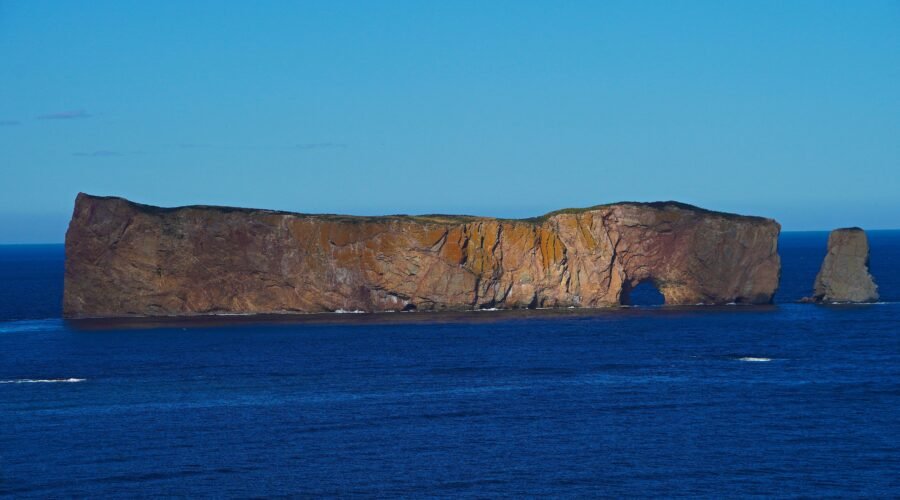
Percé Rock is the town’s defining landmark. Its massive limestone formation rises from the Gulf of St. Lawrence and can be admired from established mainland viewpoints.
Summer offers longer daylight hours and access to seasonal boat excursions. Autumn brings dramatic light and changing colors, while winter offers a different coastal landscape.
The rock itself is protected, however, and visitors must not attempt to walk to its base or approach its cliffs.
Important Safety Warning: Sépaq prohibits access to Percé Rock. Walking along the rock’s walls and nearby Mont Joli cliffs is extremely dangerous. Do not attempt to reach the rock at low tide. Enjoy it from authorized viewpoints or through an approved boat excursion.
5.2 Bonaventure Island and Northern Gannet Viewing
Bonaventure Island is a major reason to visit Percé during the warmer months. Its protected natural environment is home to an impressive seabird colony, including northern gannets.
Sépaq describes the park as an important migratory bird sanctuary and identifies four island hiking trails totaling approximately 15 kilometers.
For visitors interested in observing seabirds and exploring the island, the official operating season is the key planning window.
2026 national park and passenger boat season: May 31–October 12.
Northern gannets return to Bonaventure Island for breeding during the warmer part of the year. Their presence and behavior vary through the season, so a particular wildlife encounter cannot be guaranteed.
June through August provides a practical window for combining wildlife observation, hiking, and regular seasonal services.
Learn more from the official Sépaq park overview.
5.3 Boat Tours Around Percé Rock and Bonaventure Island
Boat excursions offer a different perspective on the famous rock, nearby cliffs, and seabird habitats.
Private operators provide transportation from the Percé dock. Sépaq identifies Les Bateliers de Percé and Les Croisières Julien Cloutier as operators serving Bonaventure Island.
Keep these planning details in mind:
- Boat transportation and national park admission are separate charges.
- Departure times and available routes vary by operator and date.
- Wind, sea conditions, and other operational factors can affect departures.
- Some excursions circle the landmarks, while island visits require an appropriate landing arrangement.
- Allow enough time for your chosen island hike and the return boat.
Contact details and official park information are available through Sépaq’s visitor information page.
5.4 Percé UNESCO Global Geopark
The Percé UNESCO Global Geopark is another important attraction for visitors interested in geology, hiking, and scenic viewpoints.
Its attractions include walking trails, geological sites, interpretive experiences, and a suspended glass viewing platform.
The Geopark has its own operating calendar, which should not be confused with the national park’s schedule.
For current attraction information, visit the Percé UNESCO Global Geopark website.
This attraction can be a useful addition to a trip centered on the waterfront and Bonaventure Island, although individual activities remain subject to their published schedules.
6. How to Plan Your Percé Visit Around Weather and Seasonal Services
Weather, accommodation availability, and operating dates can have a bigger impact on your trip than simply choosing the warmest month.
6.1 Check Opening Dates Before Booking
For 2026, Sépaq publishes the following operating periods for the Bonaventure Island reception area:
- May 31–June 13: Daily, 9 a.m.–4 p.m.
- June 14–September 19: Daily, 9 a.m.–5 p.m.
- September 20–October 12: Daily, 9 a.m.–4 p.m.
Different facilities, restaurants, activities, and boat operators may follow different schedules.
Check the specific attraction you intend to visit rather than relying only on the overall park opening period.
6.2 Budget for the Full Island Experience
A visit to Bonaventure Island can involve more than one charge. Your total budget may include:
- Round-trip boat transportation.
- National park admission.
- Parking.
- Food and drinks.
- Optional activities or equipment.
Use the official park pricing information and your chosen boat operator’s published rates to calculate the actual cost.
6.3 Prepare for Changing Coastal Weather
Even during the warmest months, Percé’s coastal setting can produce sudden changes in wind and temperature.
Useful items include:
- A lightweight waterproof jacket.
- Warm layers for boat decks and evenings.
- Comfortable walking shoes.
- Sun protection.
- Water and snacks for longer outings.
- A small daypack for island excursions.
During autumn and winter, add warmer outerwear and footwear suited to wet or icy conditions.
6.4 Have a Backup Plan for Boat Cancellations
If your preferred excursion cannot operate because of marine conditions, use the day for mainland sightseeing where conditions permit.
Possible alternatives include exploring the waterfront, visiting an open interpretive attraction, enjoying established viewpoints, or checking the Geopark’s available activities.
Confirm current opening hours before changing your plans.
Pro Tip: For a trip focused on Bonaventure Island, consider staying at least two nights in Percé. A flexible itinerary gives you more freedom to work around the weather and enjoy the town without rushing.
7. Final Recommendations: Tailoring Your Trip
The right travel window depends on your priorities. Percé offers different experiences throughout the year, but the main summer season provides the greatest flexibility for most visitors.
- For first-time visitors and families: Choose July or August for warmer weather, the liveliest atmosphere, and the broadest seasonal activity options. Book accommodation and preferred excursions in advance.
- For nature lovers and value seekers: Consider June or early September. These periods can offer a pleasant balance of outdoor activities, potentially lighter crowds, and more relaxed sightseeing.
- For budget travelers and solitude seekers: Late May, September, and early October are worth comparing, provided you verify the attractions and services available during your dates.
- For autumn photographers: Consider late September or early October for changing scenery and dramatic coastal light. Remember that the main national park season has a fixed end date.
- For adventurous photographers and winter enthusiasts: January or February can offer striking winter scenery and a very quiet atmosphere, but proper equipment and advance planning are essential.
Ultimately, Percé’s charm lies in its remarkable coastline and natural landscape. If you want the fullest summer experience, July and August are practical choices. If you would rather explore at a quieter pace, June and September deserve serious consideration. Choose your dates around the activities that matter most to you, and verify seasonal schedules before finalizing your trip.
Frequently Asked Questions
1. What is the best time to visit Percé, Quebec for favorable weather?
July and August generally offer the warmest travel conditions and long daylight hours. June and early September can also be pleasant, although coastal wind, cool evenings, and rain remain possible.
2. When is the peak tourist season in Percé, Quebec?
July and August form the main summer tourism period. These months are popular for family vacations, coastal sightseeing, and excursions to Bonaventure Island. June is also part of the active visitor season.
3. What is the off-peak season in Percé, Quebec?
The quieter off-season extends through much of late autumn, winter, and early spring. Many tourism-oriented businesses and seasonal attractions operate reduced schedules or close during this period.
4. When can visitors expect lower accommodation and activity costs in Percé?
Accommodation prices may be more competitive outside the busiest summer weeks, particularly during shoulder-season periods. Actual rates vary by property and date. Park admission and boat transportation have separate published prices, so compare the full cost of your trip.
5. What are the busiest times in Percé, and when should visitors avoid crowds?
July and August are generally the busiest months. Visitors seeking a quieter experience can consider June or September while still benefiting from the main national park operating season.
6. When is Bonaventure Island open in 2026?
Sépaq lists May 31 through October 12, 2026 as the national park and passenger boat operating season. Individual facilities and activities have their own schedules, and access can depend on weather and operating conditions.
7. Can you walk to Percé Rock at low tide?
No. Sépaq prohibits access to Percé Rock, including approaching its base. Walking near the rock’s cliffs is extremely dangerous. Visitors should use authorized viewpoints or approved boat excursions instead.
8. Is the boat ticket included with national park admission?
No. Passenger boat transportation is provided by private operators, and the boat fare does not include the national park admission charge. Check both prices before booking your visit.
9. Is September a good month to visit Percé?
Yes. Early September can be an excellent choice for visitors who prefer a quieter atmosphere while still having access to many seasonal attractions. Pack warm layers, and check individual operating schedules because some services reduce their hours later in the month.
Sources
- Sépaq — Île-Bonaventure-et-du-Rocher-Percé National Park Visitor Information — Official 2026 operating dates, passenger boat season, service hours, and protected-area access rules.
- Sépaq — National Park Overview and Activities — Bonaventure Island hiking trails, wildlife viewing, boat operators, and separate park admission requirements.
- Sépaq — National Park Rates — Official admission and applicable parking information.
- Bonjour Québec — Percé UNESCO Global Geopark — Official tourism information about the Geopark and its seasonal attractions.
- Québec 511 — Official Road Conditions — Road-condition information, warnings, and travel planning for winter driving.