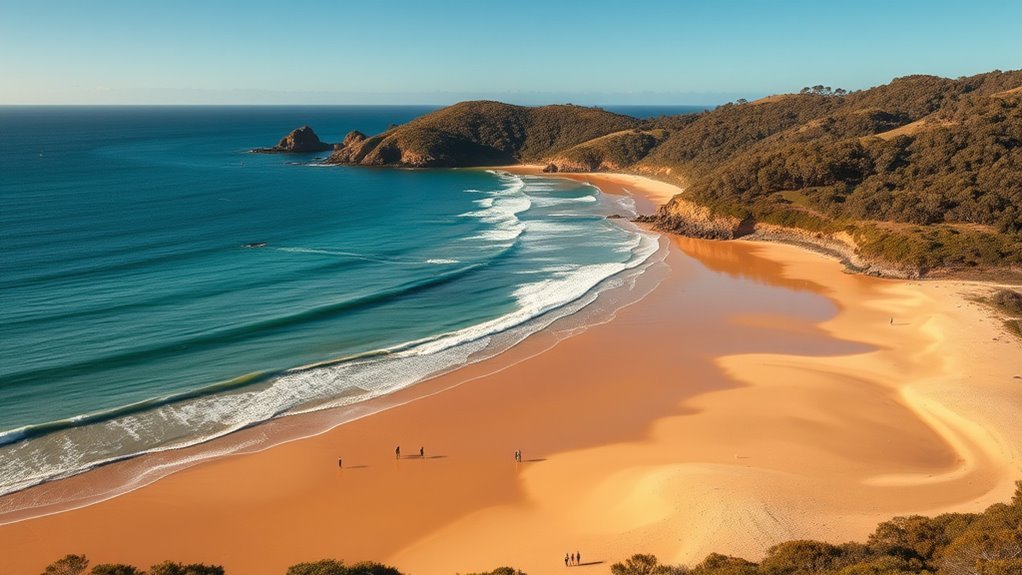
Port Stephens is a rewarding coastal escape in every season, but the month you choose can change your experience. Spring and autumn bring comfortable weather for coastal walks, kayaking and sandboarding. Summer offers warmer water and busy beach towns, while winter brings cooler days and the chance to see migrating humpback whales. The best time to visit Port Stephens depends on whether you want wildlife, swimming, outdoor adventures or a quieter, more affordable getaway.
Quick Answer
The best time to visit Port Stephens is March to May or September to November for mild weather, outdoor activities and generally lighter crowds outside school holidays. Visit from May to November for migrating whales, choose December to March for warmer swimming conditions, or consider winter weekdays for quieter beaches and potential accommodation deals.
Key Takeaways
- Best overall: March–May and September–November for comfortable outdoor conditions.
- Whale watching: May–November, with migration activity varying throughout the season.
- Dolphin watching: Available throughout the year, subject to weather and tour schedules.
- Swimming: December–March generally offers warmer water, but individual beach conditions matter.
- Sandboarding and walking: Cooler autumn, winter and spring days can be more comfortable than hot summer afternoons.
- Budget travel: Compare winter and shoulder-season weekdays, avoiding school holidays and major events where possible.
Best Time to Visit Port Stephens by Month
If you want a simple starting point, choose March, April, September or October. These months can offer a comfortable balance of temperature, outdoor activities and crowd levels, particularly outside NSW school holidays.
November is another appealing option for warmer weather and spring scenery. May and August suit travelers who want to combine quieter conditions with whale watching.
Use this month-by-month guide to match your dates with the experiences you want.
| Month | Typical Conditions | Activities to Consider |
|---|---|---|
| January | Warm to hot; busy summer holidays | Swimming, boating and family beach trips |
| February | Warm and often humid | Swimming, kayaking and dolphin cruises |
| March | Warm early-autumn conditions | Beach days, kayaking and coastal walks |
| April | Mild days and cooler evenings | Walking, sandboarding and sightseeing |
| May | Cooler weather; historically a relatively wet month | Early whale season and flexible outdoor plans |
| June | Cool days and nights | Whale watching and coastal sightseeing |
| July | One of the coolest months | Whale watching and walks on suitable days |
| August | Cool, with increasing daylight | Whale watching and quieter getaways |
| September | Milder spring conditions | Whales, wildflowers and coastal walks |
| October | Pleasant spring temperatures | Kayaking, walking and outdoor adventures |
| November | Warmer spring days | Late whale season, boating and beach trips |
| December | Warm summer conditions; holiday crowds increase | Swimming, snorkeling and family holidays |
Remember: These are seasonal guidelines, not daily forecasts. Rain, wind, swell and marine conditions can change your plans at any time of year.
Port Stephens Weather by Season
Port Stephens has a coastal climate with warm summers and relatively mild winters. Sea breezes can make a warm day more comfortable, but exposed beaches and headlands may feel considerably windier than sheltered parts of the bay.
The historical Nelson Bay climate record from the Australian Bureau of Meteorology provides a useful guide to typical temperatures.
These are historical averages rather than forecasts. The Nelson Head observation station closed in December 2023.
| Season | Typical Daytime Temperatures | Travel Experience |
|---|---|---|
| Summer: Dec–Feb | Around 26–27°C | Warm beach weather and busy holiday periods |
| Autumn: Mar–May | Around 21–26°C | Comfortable outdoor conditions as summer heat eases |
| Winter: Jun–Aug | Around 18–19°C | Cooler sightseeing and whale-watching opportunities |
| Spring: Sep–Nov | Around 21–25°C | Mild walking weather, wildflowers and warming beach conditions |
Summer Heat and Humidity: December to February
Summer brings long, warm days that invite you onto the beaches and into the water. January and February have historical average daytime highs near 27°C, although individual days can be much hotter.
Humidity can make strenuous activities uncomfortable during the afternoon. Start longer walks or dune adventures early, carry drinking water and leave time for swimming or relaxing in the shade.
Nelson Bay and Shoal Bay become lively holiday bases, with busy cafés, restaurants and waterfront activities. Local markets and evening events can add to the atmosphere, although operating dates vary.
Pack breathable clothing, sunscreen, a hat and swimwear. Book accommodation and popular cruises ahead of Christmas, New Year and January school holidays.
Mild Autumn Conditions: March to May
Autumn brings a gentle shift from summer heat. March can still feel warm enough for swimming, while April and May offer more comfortable temperatures for exploring the coast.
Historical daytime averages fall from about 26°C in March to around 21°C in May. Evenings become cooler, so a light jacket is useful.
You can wander along the beaches, visit outdoor cafés, browse local markets and explore walking trails without planning every activity around summer heat.
Autumn also offers opportunities to enjoy local produce, seafood and seasonal community events. Check the local event calendar rather than assuming a particular festival or market runs during your visit.
One important detail: May is historically among the wetter months in Nelson Bay. Build flexibility into your itinerary rather than expecting every autumn day to be dry.
Winter Cool Days: June to August
Winter offers cooler temperatures and a quieter coastal atmosphere outside holiday periods. Historical average daytime highs are around 18–19°C, with nights often much cooler.
On a clear day, the dramatic light over the bay makes coastal walks and photography especially rewarding. Whale watching is another major attraction.
You can explore headlands, enjoy cafés, visit local markets when scheduled and take advantage of quieter sightseeing locations.
However, winter does not guarantee clear skies or calm seas. Rain, strong winds and rough ocean conditions can affect cruises and exposed walks.
Pack layers, a wind-resistant jacket and comfortable walking shoes. If swimming is important to your trip, remember that the water will generally feel cooler than in summer.
Spring Weather and Wildflowers: September to November
Spring is one of the most versatile times to visit Port Stephens. Temperatures gradually rise, coastal vegetation comes into bloom and the longer days give you more time outdoors.
September and October are appealing for walking, photography, kayaking and sandboarding when conditions allow. November brings warmer days and opportunities for early-season beach activities.
Spring is also part of the whale migration period, so you can combine coastal sightseeing with wildlife watching.
The NSW National Parks visitor guide identifies spring as an excellent time to enjoy wildflowers in Tomaree National Park.
Expect some windy days, particularly on exposed headlands. Carry a light jacket even when the forecast looks warm.
Best Months for Whale Watching and Dolphin Cruises in Port Stephens
If marine wildlife is the highlight of your trip, Port Stephens offers two different experiences: seasonal whale migration and year-round dolphin watching.
Whale Watching: May to November
Humpback whales migrate along the NSW coast between May and November, traveling north toward warmer breeding waters before returning south.
According to NSW National Parks’ whale migration guidance, the northbound movement begins around May and June, while the southbound journey occurs from approximately August to November.
Late June and July are particularly notable for northbound migration along the NSW coastline. During the return journey, you may also see mothers traveling with calves.
You can join a whale-watching cruise or observe from suitable coastal lookouts.
Popular land-based viewing locations include:
- Tomaree Head Summit: Panoramic views over the coast, reached by a steep walking track.
- Barry Park, Fingal Bay: A more accessible option with coastal views and seating.
- Iris Moore lookout: An accessible lookout near Fishermans Bay.
- Boat Harbour and Fishermans Bay: Coastal locations with whale-watching opportunities during migration.
Bring binoculars, a jacket and patience. Wildlife sightings are never guaranteed, and cruises depend on sea conditions.
Dolphin Watching: Year-Round Opportunities
Port Stephens is home to resident bottlenose dolphins, and dolphin-watching cruises operate throughout the year.
Unlike migrating whales, dolphins do not require you to plan your visit around a single seasonal window.
Visit NSW confirms that dolphin cruises depart from Nelson Bay throughout the year.
Calm weather can make a cruise more comfortable, especially if you are prone to seasickness. Morning departures may suit travelers who prefer to avoid stronger afternoon winds, but conditions vary.
Watch for dolphins surfacing, swimming and occasionally bow-riding near vessels. Feeding and other behaviors are natural and unpredictable.
Wildlife Safety: NSW regulations generally require boats and paddlecraft to remain at least 100 metres from whales and 50 metres from dolphins. Greater distances apply when calves are present, and special wildlife protection orders may impose stricter requirements. Never chase, touch or deliberately block marine animals. Choose operators that follow official wildlife-watching rules.
See the NSW Government’s marine mammal approach-distance guidance for the applicable rules.
Best Time for Calm Beaches and Swimming
For warmer water and long beach days, plan your visit between December and March. March can be particularly appealing because summer warmth often lingers as the main holiday rush eases.
However, the calendar alone cannot tell you whether a beach will be calm. Wind direction, swell, tide and exposure all influence swimming conditions.
Sheltered Beaches and Swimming Spots
Port Stephens has both protected bay beaches and exposed ocean beaches.
For relaxed swimming and family outings, consider sheltered locations around Shoal Bay, Nelson Bay and Corlette.
Popular options include:
- Shoal Bay: A scenic bay beach with nearby accommodation, cafés and waterfront facilities.
- Little Beach: A sheltered area near Nelson Bay that can suit a relaxed family outing.
- Fly Point: Known for snorkeling and marine life, with conditions and marine park rules to check before entering the water.
- Fingal Bay: A popular family beach with surf-club facilities and seasonal patrol arrangements.
- One Mile Beach: An ocean beach popular with surfers, where swell and rip conditions require particular care.
Protected water may feel gentler, but it is not automatically safe. Check local conditions before entering, especially with children or inexperienced swimmers.
Rock platforms and tide pools can also reward quiet exploration, but avoid slippery edges and exposed rocks when waves are breaking nearby.
Beach Safety: Swim at a patrolled beach between the red and yellow flags. Patrols vary by beach and season. Many national park beaches are unpatrolled and can have strong rip currents. Never assume calm-looking water is safe.
For a quieter experience, try an early swim followed by breakfast at a waterfront café. Finish the day with a sunset picnic at an appropriate beach or foreshore reserve.
Best Time for Sandboarding, Stockton 4WD and Other Outdoors
The Stockton sand dunes are one of Port Stephens’ defining outdoor attractions. Cooler conditions from autumn through spring can make climbing dunes, sandboarding and 4WD touring more comfortable than on hot summer afternoons.
However, no month guarantees ideal sand conditions. Rain, strong winds, heat and access restrictions can affect the experience.
Sandboarding at Stockton Dunes
You can experience the dunes on guided sandboarding tours, with operators providing access and equipment according to their tour arrangements.
Morning sessions can offer more comfortable temperatures during warmer months. Later sessions may provide attractive light across the wind-shaped landscape.
Check the weather and tour departure conditions before booking. Sand conditions can change quickly after rain or strong wind.
Wear comfortable clothing, closed shoes when required by your operator, sunglasses and sun protection. Bring water and secure loose belongings before boarding.
Stockton Beach 4WD Permits and Access
Stockton Beach lies within the Worimi Conservation Lands, which are owned and co-managed by the local Worimi Aboriginal community in partnership with NSW National Parks.
A valid Worimi Conservation Lands beach vehicle permit is required for recreational vehicle access.
Digital permits were introduced in March 2026. Existing paper permits purchased before that change remain valid for their original duration.
Vehicle access is limited to designated areas. Driving over protected dunes, vegetation or cultural sites is not permitted.
Before entering:
- Check current park alerts and closures.
- Confirm that your vehicle and permit meet the access requirements.
- Check tides, beach conditions and the weather forecast.
- Use designated entry points and approved driving areas.
- Carry recovery equipment and know how to use it.
- Follow ranger instructions and posted signs.
The official Worimi beach-driving guide explains access points, permits and driving restrictions.
Warning: Beach driving is different from driving on sealed roads. Soft sand, tides and changing beach conditions can strand vehicles or create dangerous situations. Do not enter restricted areas, and do not drive through water of uncertain depth.
Best Time for Coastal Walks
Autumn and spring are comfortable choices for exploring Tomaree National Park. Winter can also be rewarding on suitable days, especially during whale migration.
The Tomaree Head Summit Walk is a popular option for panoramic views, but it is a challenging track rather than a casual waterfront stroll.
NSW National Parks lists it as a 2.2 km return walk, Grade 5, with many steps and steep sections. Allow approximately 1.5–2 hours.
For a longer adventure, the Tomaree Coastal Walk extends approximately 27 km through coastal landscapes and can be completed in sections or as a multi-day experience.
Start early during summer, carry water and use sturdy shoes. Check park alerts before setting out, particularly after heavy rain or during elevated fire danger.
When Port Stephens Is Busiest: School Holidays, Long Weekends and Events
Port Stephens is a popular family getaway, so school holidays and public holiday weekends can change the atmosphere considerably.
Busy periods may bring fuller beaches, heavier traffic around Nelson Bay, limited parking and reduced availability for popular tours.
If you prefer quieter surroundings, weekdays outside school holiday periods are generally worth considering.
School Holiday Peaks
Christmas, New Year and the January school holidays are major planning considerations for summer travel.
Easter and other NSW school breaks can also increase demand, even during otherwise quieter seasons.
Accommodation, dolphin cruises, sandboarding tours and family activities may require earlier booking during these periods.
If you are traveling with children, school holidays may still be the most practical choice. Look for accommodation near the activities you plan to enjoy, and book essential experiences before arrival.
Families who can travel outside school holidays may find more flexibility in accommodation and restaurant reservations.
Event and Long-Weekend Surges
Local festivals, community markets, sporting events and long weekends can create short periods of increased demand.
Check the Port Stephens Council events calendar before choosing your dates.
If a major event overlaps your stay, book accommodation early and allow extra time for parking and travel.
For quieter sightseeing, try an early coastal walk or choose a less crowded bay. Sunrise photography around the Tomaree Peninsula can be especially rewarding when conditions are suitable.
Alternatively, embrace the lively atmosphere and explore the local food, music, markets and community activities available during your visit.
Port Stephens Accommodation and Activity Prices by Season
Accommodation prices in Port Stephens depend on travel dates, property type, booking demand and availability.
Summer holidays and long weekends can attract higher rates, while quieter weekday periods may offer more flexibility.
There is no guaranteed cheapest month across every hotel, holiday home or tour operator.
| Season | Typical Booking Pattern | Planning Advice |
|---|---|---|
| Summer | Higher holiday demand | Book early, especially for beachfront properties. |
| Autumn | Often more flexibility outside holidays | Compare midweek stays and avoid Easter surges. |
| Winter | Potential off-peak accommodation deals | Compare properties and account for whale-tour demand. |
| Spring | Variable demand | Look at weekdays outside school holidays and events. |
Beachfront apartments and boutique accommodation can command higher prices during popular travel periods. Family motels, self-contained cottages and midrange hotels may offer alternatives.
For dining, reserve popular waterfront restaurants ahead of busy weekends. Quieter periods can give you more freedom to choose where and when you eat.
Activity operators may offer seasonal packages or discounts, but check the actual booking terms instead of assuming off-season tours are always cheaper.
Pro Tip: Compare the total cost of a three-night weekday stay with a two-night weekend stay. A longer off-peak booking can sometimes provide better value, especially when minimum-night requirements apply.
Choose refundable accommodation when possible if your main activities depend on favorable marine weather.
Off-Peak Tips and Choosing the Right Time by Travel Style
The ideal season depends on what you enjoy most. Solo travelers may prefer quieter beaches, couples may prioritize relaxed coastal dining, and families may want warmer swimming conditions and easy access to activities.
| Travel Style | Suggested Months | Main Benefits |
|---|---|---|
| Solo Traveler | March–May | Comfortable walking, quieter weekdays and flexible sightseeing |
| Couple | September–November | Spring scenery, coastal dining and outdoor activities |
| Family | December–March for warmer swimming; June–August for whale watching | Choose between beach holidays and wildlife experiences |
| Budget Traveler | March–June, especially weekdays outside holidays | Potential accommodation savings and greater booking flexibility |
Planning a Flexible Off-Peak Trip
Build your itinerary around weather windows rather than filling every hour before you arrive.
Reserve the experiences that matter most, such as a whale cruise or guided dune tour, then keep time available for cafés, markets, coastal walks and spontaneous sightseeing.
Choose a protected bay for kayaking when conditions are suitable, and avoid exposed water during strong winds or rough weather.
For accommodation, compare Nelson Bay, Shoal Bay, Corlette and nearby coastal villages according to your transport needs and preferred activities.
If you are bringing a pet, confirm that your rental allows animals and check the beach rules before making plans.
Getting to Port Stephens and Planning Your Stay
Port Stephens is approximately a 2.5-hour drive from Sydney, depending on traffic and your destination.
Newcastle Airport is the nearest major airport, with Nelson Bay approximately 30 minutes away by car.
A vehicle makes it easier to explore several coastal villages, beaches and outdoor attractions during one trip.
However, public transport is available for travelers who prefer not to drive.
Public Transport From Newcastle
Port Stephens Coaches operates bus services connecting Newcastle with destinations including Salamander Bay, Nelson Bay and Fingal Bay.
Routes and frequencies vary, so check the current Transport for NSW Trip Planner before traveling.
There is no direct passenger train service into Nelson Bay. Travelers arriving by rail generally need to connect with a bus or another form of road transport.
If you are planning an early tour, confirm that public transport can get you to the departure point in time.
Ferry Trips From Nelson Bay
A ferry trip across the bay offers another way to enjoy Port Stephens from the water.
The Original Tea Gardens Ferry connects Nelson Bay with Tea Gardens and advertises year-round operations.
Departures remain subject to weather, vessel availability and operator schedules.
Check the operator’s current ferry information before planning a day trip, particularly during winter or unsettled weather.
What to Pack for Port Stephens
A small seasonal packing list can make your trip more comfortable:
- Summer: Swimwear, sunscreen, hat, breathable clothing and drinking water.
- Autumn: Light layers, walking shoes and a jacket for cooler evenings.
- Winter: Warm layers, a wind-resistant jacket and binoculars for whale watching.
- Spring: Comfortable outdoor clothing, sun protection and a light jacket.
Bring any essential medications, a charged phone and suitable footwear for your planned activities.
Before leaving, check the weather forecast, marine conditions, park alerts, tour bookings and accommodation details.
Note: Seasonal weather averages help you choose travel dates, but they cannot predict conditions on a particular day. Check current forecasts and official safety notices before cruises, swimming, dune driving or exposed coastal walks.
Frequently Asked Questions
Are Dogs Allowed on Port Stephens Beaches Year-Round?
Dogs are permitted in designated areas, but rules vary by beach, location and season. Birubi Beach has seasonal off-leash hours, while other locations may require dogs to remain on leads or prohibit them entirely. Check the Port Stephens Council dog-access information and local signs before visiting. Always keep your dog under effective control and clean up after it.
Is Public Transport Reliable for Reaching Port Stephens From Newcastle?
Bus services connect Newcastle with Port Stephens, including Nelson Bay and surrounding areas. However, services vary by route and day, so check current departure times and connections. There is no direct train into Nelson Bay. Use the Transport for NSW Trip Planner for current schedules and accessibility information.
Where Can I Hire Snorkel or Scuba Gear Locally?
Local dive businesses and water-activity operators around Nelson Bay offer snorkeling and diving services, with equipment availability depending on the operator. Confirm rental inclusions, sizing, certification requirements and weather policies before booking. Fly Point is a well-known snorkeling area, but always check conditions and marine park rules.
Are There Accessible Walking Trails for Mobility-Impaired Visitors?
Yes. Accessible options include Iris Moore lookout, Barry Park and selected foreshore paths. Fingal Bay also has accessible beach facilities. However, Tomaree Head Summit Walk is steep, contains many steps and is not wheelchair accessible. The first section of Fort Tomaree Walk is step-free but has slopes and may not suit every visitor. Check the official accessibility information before choosing a route.
Do Ferries Operate to Nearby Islands During Winter?
The established passenger ferry connects Nelson Bay with Tea Gardens rather than operating as a general island ferry network. The operator advertises year-round service, but departures depend on weather and operational conditions. Check the current timetable before traveling, particularly during winter.
What Is the Best Month for Whale Watching in Port Stephens?
Whale watching is possible during the May–November migration season. Late June and July are particularly notable for northbound humpback migration along NSW, while the return journey occurs from approximately August to November. Sightings vary with migration patterns and sea conditions.
Can You See Dolphins in Port Stephens During Winter?
Yes. Port Stephens has resident dolphins, and dolphin-watching cruises operate throughout the year. Winter weather may affect individual departures, so check the operator’s schedule and cancellation policy.
When Is Port Stephens Least Crowded?
Weekdays outside NSW school holidays and major events are generally a good choice for a quieter visit. Autumn, winter and early spring can provide more flexibility than peak summer holiday periods, although popular whale-watching dates and long weekends may still attract visitors.
Conclusion
The best time to visit Port Stephens depends on the experience you want. Spring and autumn offer a comfortable balance for kayaking, sandboarding, coastal walks and relaxed sightseeing.
Choose May to November for whale watching, with dolphins providing wildlife-watching opportunities throughout the year. Summer brings warmer swimming conditions and lively beaches, while winter can offer quieter stays and attractive coastal scenery.
Book early for school holidays and popular weekends, compare midweek accommodation rates when your schedule allows, and pack layers for changing coastal weather.
With a little planning, you can enjoy Port Stephens at a pace that suits you, whether that means a busy family beach holiday, a wildlife adventure or a peaceful escape beside the sea.
Sources
- Australian Bureau of Meteorology — Nelson Bay Climate Statistics — historical temperatures and rainfall.
- NSW National Parks — Whale Migration: The Facts — whale season and migration patterns; updated May 20, 2026.
- Visit NSW — Nelson Bay — marine wildlife, dolphin cruises and tourism information.
- NSW National Parks — Worimi Conservation Lands Beach Vehicle Permit — permit requirements and digital permit information.
- NSW National Parks — Tomaree Coastal Walk Visitor Information — walking conditions, facilities and accessibility.
- Port Stephens Council — Dog Parks and Exercise Areas — designated dog-access areas and owner responsibilities.