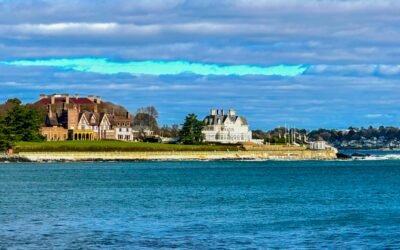
Planning a trip to Port Lincoln on South Australia’s stunning Eyre Peninsula requires matching your personal itinerary with the region’s distinct maritime seasons. Whether you are looking to swim with Australian sea lions, dive with great white sharks, sample world-class oysters in Coffin Bay, or embark on a budget-friendly road trip, timing makes all the difference.
Quick Answer
The best time to visit Port Lincoln is during summer (December to February) for beach days, swimming, and warm-water adventures, or the shoulder seasons of autumn (March to May) and spring (September to November) for ideal hiking weather, fewer crowds, and lower accommodation costs. Winter (June to August) is best for whale watching and budget travel.
Key Takeaways
- Peak Beach Weather: December through February brings warm days (averaging 26°C/79°F), minimal rainfall, and the warmest sea temperatures.
- Best Wildlife Viewing: Southern Right Whales migrate along the coast from June to October, while sea lion swims and shark cage diving run year-round at the Neptune Islands.
- Best Balance of Weather and Value: Autumn (March–May) delivers calm coastal waters, pleasant hiking conditions, and moderate lodging prices.
- Lowest Prices: Winter (June–August) offers significant savings on accommodation and flights across the Eyre Peninsula.
Port Lincoln experiences a temperate Mediterranean climate characterized by warm, dry summers and mild, relatively damp winters. Because the town is situated on Boston Bay—one of the largest natural protected harbors in the world—ocean breezes and maritime currents play a major role in day-to-day weather conditions.
Seasonal Breakdown: Weather, Crowds, and Costs
Every season in Port Lincoln highlights a different side of the Eyre Peninsula. Understanding what each quarter offers ensures you pack the right gear and set realistic expectations for tour availability and pricing.
Summer: The Warm Season (December – February)
Summer is the most energetic time of year in Port Lincoln. Long daylight hours and clear skies draw holidaymakers from across Australia to explore the coastline, national parks, and local seafood scene.
- Weather: Daily maximum temperatures average between 25°C and 28°C (77°F–82°F), with occasional heatwaves pushing past 35°C (95°F). Humidity remains comfortably low, and rainfall is rare. Ocean temperatures peak at around 19°C–21°C (66°F–70°F).
- Crowds and Activities: This is peak tourism season. Coastal hotspots such as Lincoln National Park and Memory Cove see high traffic. Marine charters, including shark cage diving and swimming with Australian sea lions, frequently sell out weeks in advance.
- Costs: Accommodation and car rental rates are at their highest annual rates, particularly over the Christmas, New Year, and Australia Day holiday periods.
Pro Tip: If visiting during peak summer, book your national park vehicle entry permits and boat charters at least 6 to 8 weeks ahead to secure your preferred dates.
Autumn: Calm Waters and Gentle Days (March – May)
Autumn brings a peaceful transition across the peninsula. As summer breezes taper off, the Southern Ocean often delivers glassy, calm surface conditions that are ideal for boating and coastal exploration.
- Weather: Daytime averages range from 21°C to 24°C (70°F–75°F) in March and April, dropping to 19°C (66°F) in May. Water temperatures remain pleasant through April, and rainfall stays low until late May.
- Crowds and Activities: Visitor numbers drop substantially after the Easter holiday. Autumn is widely regarded by locals as the best season for multi-day bushwalking, coastal photography, and visiting cellar doors without peak crowds.
- Costs: Lodging rates drop to shoulder-season pricing, offering excellent value for premium waterfront cabins and boutique stays.
Winter: Whale Watching and Cozy Escapes (June – August)
Winter on the Eyre Peninsula is cool, crisp, and dramatic. While it brings the region’s highest rainfall, total precipitation remains moderate compared to other coastal regions, making outdoor exploration very doable with a warm windbreaker.
- Weather: Daytime temperatures hover between 15°C and 17°C (59°F–63°F), with overnight lows dipping to around 7°C–9°C (45°F–48°F). Crisp, sunny days are common between passing cold fronts.
- Crowds and Activities: Winter is the quietest travel season. The premier attraction is spotting migrating Southern Right Whales and Humpback Whales along the Sleaford Bay coastline and the Great Australian Bight. It is also an exceptional season for sampling freshly harvested Pacific and Coffin Bay oysters.
- Costs: Winter offers the lowest accommodation rates and highest flight availability of the year, making it the top pick for budget-conscious travelers.
Note: Winter ocean temperatures drop to 14°C–15°C (57°F–59°F). Licensed cage diving and sea lion tour operators provide 5mm to 7mm hooded wetsuits to ensure comfort in colder waters.
Spring: Wildflowers and Rebounding Warmth (September – November)
Spring revitalizes the coastal landscape as native coastal heathlands and wildflowers burst into bloom throughout Lincoln National Park and Coffin Bay.
- Weather: Temperatures climb from 18°C (64°F) in September to 23°C (73°F) by late November. Spring days can be breezy, though rainfall steadily decreases leading into summer.
- Crowds and Activities: Spring experiences moderate crowd levels, with brief spikes during the South Australian September/October school holidays. It is a fantastic window for birdwatching, coastal 4WD tracks, and scenic lookout drives.
- Costs: Prices remain competitive in September and October before climbing toward peak holiday rates in late November.
What to Consider When Planning Your Trip
Choosing the right time for your Port Lincoln getaway depends on your specific holiday priorities, preferred activities, and budget flexibility.
South Australian School and Public Holidays
Travel demand surges during South Australian school holidays, particularly the summer break (late December through late January) and the autumn Easter period. During these dates, expect full holiday parks, busier boat ramps, and higher minimum-night stay requirements on beachfront rentals.
Your Activity Preferences
- For Shark Cage Diving: Charters to the Neptune Islands operate year-round. Autumn and spring offer calmer sea conditions, while summer provides warmer water temperatures. Giant female great whites often frequent the area in late autumn and winter during seal pup season.
- For Whale Watching: Plan your visit between June and October, when Southern Right Whales shelter in coastal bays with their calves.
- For Beach and Water Sports: December through March provides the warmest conditions for paddleboarding, sailing in Boston Bay, and swimming at protected beaches like September Beach.
- For Bushwalking and National Parks: April to May and September to November provide comfortable temperatures for tackling the Investigator Trail and the coastal headlands.
Making the Most of Your Port Lincoln Visit
A successful trip to Port Lincoln comes down to smart logistics and being prepared for varying maritime conditions.
Transportation and Vehicle Selection
Having a vehicle is essential to fully experience the Eyre Peninsula. A standard 2WD vehicle is sufficient for town navigation, scenic lookouts, and paved routes to Coffin Bay. However, an all-wheel drive or high-clearance 4WD is necessary to explore remote sand dune tracks, Memory Cove Wilderness Protection Area, or the northern reaches of Coffin Bay National Park.
Packing Recommendations
- Summer: Sun protection (broad-brim hat, polarized sunglasses, high-SPF sunscreen), lightweight clothing, swimwear, and a light windbreaker for coastal evening breezes.
- Winter: Insulated layers, a thermal base layer, a waterproof/windproof outer shell, and sturdy walking shoes with good traction.
- Spring/Autumn: Versatile layered clothing, light jackets, and comfortable hiking footwear suitable for sandy and rocky coastal terrain.
Port Lincoln’s Unique Appeal Throughout the Year
Known as the “Seafood Capital of Australia,” Port Lincoln offers distinct culinary and outdoor highlights in every season.
The Seafood Capital of Australia
The pristine, nutrient-rich waters of the Southern Ocean support a multi-million-dollar fishing and aquaculture industry. Fresh Spencer Gulf king prawns, Southern Bluefin tuna, King George whiting, and Coffin Bay oysters are available year-round at local restaurants, processing facilities, and farm doors.
Coastal Parks and Wilderness Trails
The Eyre Peninsula coastline features dramatic limestone cliffs, sheltered turquoise coves, and sweeping sand dunes. Lincoln National Park and Coffin Bay National Park showcase native Australian wildlife, including western grey kangaroos, emus, and white-bellied sea eagles, regardless of the season.
Conclusion: Finding Your Perfect Port Lincoln Moment
| Month | Avg Temp (°C / °F) | Crowd Level | Price Level | Highlight Activities |
|---|---|---|---|---|
| January | 26°C / 79°F | High | High | Beaches, swimming, water sports |
| April | 22°C / 72°F | Moderate | Moderate | Calm sea charters, coastal hiking |
| July | 16°C / 61°F | Low | Low | Whale watching, oyster harvest |
| October | 20°C / 68°F | Moderate | Moderate | Wildflowers, 4WD exploration |
The optimal time for your journey comes down to your personal travel style:
- Choose summer (December–February) if your priority is warm sunshine, ocean swimming, and lively coastal energy.
- Choose autumn (March–May) or spring (September–November) for the ideal blend of mild temperatures, active wildlife, and great shoulder-season value.
- Choose winter (June–August) for coastal whale watching, rugged scenery, and the lowest rates of the year.
Frequently Asked Questions
What is the best time to visit Port Lincoln in terms of weather?
The best weather occurs during summer and early autumn (December through April), when days are warm, sunny, and dry, with average daytime temperatures between 22°C and 28°C (72°F–82°F) and gentle sea breezes.
When is the peak tourist season in Port Lincoln?
Peak tourist season spans December through February, peaking during the Christmas, New Year, and South Australian summer school holiday period. Tour operators and hotels often book out weeks in advance.
When is the off-peak season in Port Lincoln?
The off-peak season runs during the winter months from June to August. While temperatures are cooler (averaging 16°C/61°F), this period offers substantial savings on lodging and prime shore-based whale watching.
What are average accommodation and tour costs during peak season?
During peak summer, hotel and holiday home rates generally increase by 30% to 60%. Major adventure charters, such as great white shark cage diving, typically cost between $400 and $600 AUD per adult and should be reserved well ahead of time.
When is the best time to visit to avoid crowds and save on costs?
The shoulder months of March to May (autumn) and September to November (spring) offer the ideal combination of mild weather, low tourist density, and significantly reduced lodging rates.
Sources
- Australian Bureau of Meteorology (BOM) — Port Lincoln Climate Statistics and Historical Averages
- South Australian Tourism Commission — Official Port Lincoln Visitor Guide and Regional Highlights
- National Parks and Wildlife Service South Australia — Lincoln National Park Access, Camping & Permits
- Eyre Peninsula Tourism — Regional Wildlife Calendars and Marine Activity Guides