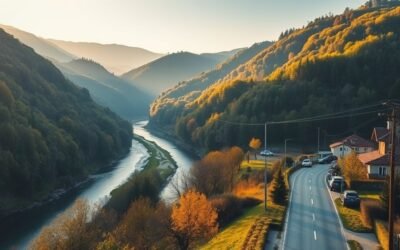
If you’re wondering about the best time to visit Prince Rupert, British Columbia, May through September is the most practical travel window for most visitors. June and July usually give you a strong balance of milder weather and relatively lower rainfall, while different parts of summer are better for grizzly bears, whales, fishing, festivals, or quieter sightseeing.
Quick Answer
For most travelers, the best time to visit Prince Rupert is May through September. Choose June or July for a good weather balance, mid-May through July for Khutzeymateen grizzly viewing, and late July through September for stronger whale-watching opportunities. October through spring is quieter but much wetter and has fewer seasonal tourism services.
Key Takeaways
- Best overall: May through September.
- Best weather balance: June and July are generally among the better bets for milder, relatively drier conditions.
- Best for grizzly bears: Roughly mid-May through the end of July for Khutzeymateen excursions.
- Best for whales: Late July through September is especially strong.
- Best for fewer visitors: May, June, and September usually feel calmer than the height of summer.
- Important: Rain is possible in every month, so waterproof clothing belongs in your bag even during summer.
1. Weather: When Prince Rupert Is Mildest and Relatively Drier
Prince Rupert has a cool, wet coastal climate. Rain is part of the experience rather than something you can completely avoid. Environment and Climate Change Canada climate normals show why travelers should think in terms of relatively drier months rather than expecting a dry summer climate.
1.1 The Wetter, Cooler Period: October to April
Autumn and winter bring frequent rain, shorter days, and cooler conditions. October is particularly wet, and unsettled weather can continue through winter and early spring.
- October to December: Rain becomes heavier and daylight decreases quickly. Dramatic coastal scenery is still possible, but long outdoor days are harder to plan around.
- January to March: Conditions remain cool and wet. Snow can occur, although Prince Rupert’s coastal temperatures can limit how long snow remains on the ground at lower elevations.
- April: Spring begins to emerge, but April is still a transitional month. It can suit flexible travelers who value quiet streets more than dependable outdoor weather.
Note: Seasonal averages describe long-term patterns, not the weather you will get on a specific trip. Check the short-range forecast shortly before departure and keep rain plans flexible.
1.2 The Sweet Spot: Late Spring and Summer (May to August)
This is when Prince Rupert offers its longest days and the widest selection of outdoor experiences.
- May: A useful shoulder-season month. Temperatures are improving, days are long, and the main grizzly-viewing period begins around mid-May. Some seasonal businesses and tours may still be ramping up.
- June: One of the strongest all-around choices. It is generally among the relatively drier months, daylight is very long, and outdoor activities are widely available.
- July: One of the warmest months and still comparatively favorable for outdoor plans. It is also a busy tourism month, so reserve popular excursions and accommodation in advance.
- August: Usually mild and popular for sightseeing, fishing, marine trips, and whale watching. Do not assume August will be dry; rainfall remains common and can be higher than in June or July.
Prince Rupert’s “best weather” still includes rain. A waterproof shell is useful in July just as it is in the shoulder seasons.
1.3 Early Fall (September)
September can be an excellent choice if wildlife and fewer visitors matter more to you than maximizing your odds of dry weather.
- September: Temperatures can remain comfortable, whale-watching opportunities are strong, and peak-summer visitor numbers begin to ease. Rainfall normally increases as fall progresses, so build some indoor flexibility into your itinerary.
- Salmon activity: Salmon timing varies by species, river, and current conditions. Late summer and early fall can be important periods, but there is no single universal “peak” that applies everywhere around Prince Rupert.
If you want to learn more about the people and purpose behind this website’s travel coverage, visit About Lele Tours.
2. Crowds: When Prince Rupert Feels Busiest
Prince Rupert is much smaller than Canada’s major tourism cities, but visitor levels can change noticeably when cruise ships arrive or popular wildlife tours are operating at capacity.
2.1 Peak Summer Activity (July and August)
July and August are generally among the busiest leisure-travel months.
- Cruise arrivals: Cruise calls can cause temporary increases in pedestrian traffic around the waterfront, Cow Bay, shops, and restaurants.
- Popular tours: Grizzly, whale, fishing, and marine excursions can have limited capacity. More operators may be active in summer, but that does not guarantee last-minute availability.
- Accommodation: Popular hotels and room types can become harder to secure when tourism demand and cruise activity overlap.
Pro Tip: If you prefer a quieter downtown experience, check the current Prince Rupert cruise schedule before choosing your sightseeing day. A ship’s arrival can change the feel of Cow Bay and the waterfront for several hours.
2.2 Shoulder Season: May, June, and September
These months often provide a useful compromise between seasonal availability and a calmer atmosphere.
- More breathing room: You may encounter fewer visitors than in the height of July and August.
- Good activity access: Many outdoor experiences operate during at least part of this period, although exact opening dates vary.
- More flexible planning: Accommodation and tours may have better availability, but wildlife excursions and special ferry sailings can still sell out.
2.3 Off-Season Quiet (October to April)
This is the best period if your priority is seeing Prince Rupert at a quieter local pace rather than building a trip around seasonal excursions.
- Fewer leisure visitors: Downtown and the waterfront generally feel quieter outside the main tourism period.
- Reduced seasonal services: Some attractions, tours, and tourism-focused businesses operate shorter hours or close for part of the off-season.
- Weather trade-off: The extra solitude comes with more rain, shorter days, and a greater chance of transportation disruption.
3. Costs: When You May Find Better Value

Travel prices in Prince Rupert change with demand, room inventory, ferry capacity, events, and airfare availability. There is no guarantee that one month will always be cheapest, so compare real prices for your dates rather than relying only on seasonal labels.
3.1 Peak-Season Pricing (July and August)
- Accommodation: Strong summer demand can reduce the supply of lower-priced rooms.
- Tours: Excursion prices may not change much by month, but the most convenient departures can sell out.
- Flights and ferries: Prices and availability are dynamic. Booking earlier is particularly useful when your dates are inflexible.
3.2 Shoulder-Season Value (May, June, and September)
Shoulder-season trips can offer a better balance of price, availability, and activity options.
- Accommodation choice: You may have more room options than during the busiest summer dates.
- Tour flexibility: Some excursions have more open seats, although wildlife seasons should determine your timing if a particular animal is the main reason for the trip.
- Better overall value: A shoulder-season trip can cost less than a peak-summer trip, but always compare actual hotel, airfare, and ferry prices before booking.
3.3 Off-Season Costs (October to April)
Some accommodations may offer lower rates during quiet periods, but lower lodging prices do not automatically mean a cheaper or easier trip.
- Potential room savings: Lower tourism demand can create attractive accommodation rates.
- Fewer choices: Reduced tour schedules and seasonal closures can limit what you can do.
- Disruption risk: Poor weather can complicate flights, ferries, or road travel and may create extra costs if your itinerary is tight.
Prince Rupert Month-by-Month Comparison
| Period | Typical Travel Conditions | Visitor Level | Best For |
|---|---|---|---|
| May | Cool to mild; rain remains possible | Lower | Early grizzly season, shoulder-season travel |
| June | Mild, very long days, relatively favorable rainfall pattern | Moderate | Best overall balance, outdoor activities |
| July | Among the warmest months; rain still possible | Higher | Outdoor trips, late grizzly season, fishing |
| August | Mild but not reliably dry | Higher | Whales, fishing, summer sightseeing |
| September | Cooling with increasing rain | Lower | Whales, fewer visitors, shoulder season |
| October-April | Cooler, wetter, shorter daylight in winter | Lowest | Quiet trips and travelers comfortable with limited seasonal services |
4. Wildlife, Fishing, Attractions, and Events

The activity that matters most to you may be more important than temperature when choosing your Prince Rupert dates.
4.1 Wildlife Watching: Grizzlies and Whales Have Different Peak Windows
Prince Rupert provides access to rich marine and coastal wildlife, but different species are best seen at different times.
- Khutzeymateen grizzly bears: Tourism Prince Rupert identifies roughly mid-May through the end of July as the main period when bears are visible feeding along the estuary shoreline.
- Whale watching: Whales may occur in the region outside the main tourism season, but late July through late September is highlighted locally as a particularly strong period for seeing larger groups and memorable behavior.
- Other wildlife: Eagles, seals, sea lions, and other coastal wildlife may also be encountered, but sightings are never guaranteed.
Note: Khutzeymateen is known for grizzly bears. The white Kermode, or Spirit bear, occurs in the broader Great Bear Rainforest but should not be treated as a routine sighting on a standard Prince Rupert grizzly excursion.
Pro Tip: Choose a reputable wildlife operator that follows responsible viewing distances and instructions. Never approach or feed wildlife for a photograph.
4.2 Fishing Seasons and Regulations
Prince Rupert is well known for saltwater fishing, including salmon, halibut, lingcod, and crab. Many recreational charters operate from spring into early fall, but legal openings and retention limits are more important than any generalized seasonal calendar.
- Halibut and groundfish: Opportunities may be available across much of the charter season, subject to current limits and closures.
- Salmon: Different species arrive at different times. Chinook and coho timing can overlap parts of the summer, but exact conditions vary from year to year.
- Crab and shellfish: Opportunities and restrictions depend on the exact area, species, closures, size limits, and current regulations.
Warning: Do not rely on a travel article as your fishing regulation. Check the current Fisheries and Oceans Canada Area 4/104 regulations before fishing. A valid B.C. Tidal Waters Sport Fishing licence is required for recreational fishing or shellfish harvesting in tidal waters, and additional requirements apply when retaining salmon.
4.3 Cultural and Historical Exploration
Prince Rupert also works well for travelers interested in Indigenous history, maritime heritage, waterfront architecture, museums, galleries, and local food.
- Museum of Northern British Columbia: A major local stop for learning about the North Coast’s Indigenous cultures, regional history, and maritime heritage. Check current opening hours before visiting.
- North Pacific Cannery National Historic Site: This is a seasonal attraction rather than a guaranteed year-round stop. Check the official opening schedule before making the trip to Port Edward.
- Cow Bay and the waterfront: You can walk the area throughout the year, but individual shops, cafes, galleries, and visitor services keep their own hours.
4.4 Festivals and Events
The warmer months have more community activity, but exact dates change from year to year.
- Seafest: Prince Rupert’s long-running maritime community festival is normally held in June. Verify the current year’s program with the Prince Rupert Special Events Society.
- Canada Day: Community celebrations take place around July 1, with the exact schedule published locally.
- Markets and local events: Markets, performances, pop-ups, and community events vary by season, so check current listings shortly before your trip.
For transparency about this website’s editorial process, you can also read How We Review Products.
5. Transportation: How Your Travel Method Affects Timing
Prince Rupert can be reached by air, road, rail, and ferry. Weather, daylight, sailing frequency, and road requirements can all affect which season is easiest.
5.1 Flying to Prince Rupert
Prince Rupert Airport (YPR) is located on Digby Island rather than in downtown Prince Rupert. Air Canada currently sells nonstop service between Vancouver International Airport (YVR) and Prince Rupert.
- Airport transfer: The Prince Rupert Airport explains that scheduled-airline passengers use a combined bus and ferry transfer between the airport and downtown as part of the journey.
- Allow connection time: Coastal weather, operational issues, and transportation connections can cause delays in any season. Avoid building an itinerary around an extremely tight onward connection.
- Check before departure: Airline times change, so verify your flight and airport-transfer schedule shortly before traveling.
5.2 Driving the Yellowhead Highway (Highway 16)
Highway 16 connects Prince Rupert with Terrace, Smithers, Prince George, and the wider provincial road network.
- Summer: Late spring through early fall generally provides the easiest road conditions and longest daylight.
- Winter: Snow, ice, heavy rain, and rapidly changing conditions can affect parts of the route, especially farther inland.
- Winter tires: The Government of British Columbia requires winter tires or chains on most designated routes from October 1 through March 31 or April 30, depending on the highway. Follow posted signs for the route you actually drive.
5.3 BC Ferries and the Inside Passage
The Port Hardy–Prince Rupert Inside Passage sailing is one of the most scenic ways to reach the North Coast.
- Summer experience: Summer offers long daylight, better opportunities to enjoy deck views, and the classic tourism-oriented Inside Passage experience.
- Not strictly summer-only: BC Ferries operates northern-route service with schedules that vary between regular and off-peak periods. Do not assume that all service simply stops after September.
- Reserve early: Cabins, preferred sailings, and vehicle space can be limited, especially on popular summer departures.
- Always verify the schedule: Northern sailings do not operate with the same frequency as major Lower Mainland ferry routes, so check your exact travel date before finalizing hotels or road connections.
5.4 Alaska Marine Highway
Prince Rupert has historically been connected to Southeast Alaska through the Alaska Marine Highway System, but travelers should not assume that service is currently operating.
Current Travel Warning: As of September 2026, the Alaska Marine Highway System states that Prince Rupert is not included in its proposed winter 2026/27 service, and Prince Rupert–Ketchikan service is listed as unavailable. Do not build an Alaska itinerary around this connection unless AMHS publishes a new sailing schedule.
If you need information about this website’s limitations and disclosures, see the Lele Tours Disclaimer.
6. Best Time to Visit Prince Rupert by Travel Style
- For the best all-around trip: June or July.
- For Khutzeymateen grizzly viewing: Mid-May through the end of July.
- For whale watching: Late July through September.
- For fewer visitors: May, June, or September.
- For summer festivals and maximum seasonal activity: June through August.
- For a scenic Inside Passage trip: Summer gives you the longest daylight, but always check BC Ferries’ current schedule.
- For the quietest trip: October through April, provided you are comfortable with rain and reduced seasonal services.
7. What to Pack for Prince Rupert
Even during the best travel months, prepare for changing coastal weather.
- A waterproof, breathable jacket
- Quick-drying layers
- Comfortable water-resistant walking shoes
- A warm mid-layer for boat tours
- A small waterproof bag or dry pouch for electronics
- Sun protection for clear summer days
- Binoculars if wildlife viewing is a priority
Boat trips can feel much colder than downtown Prince Rupert because of wind and exposure, so bring an extra layer even when the forecast looks mild.
In Summary: Choosing Your Ideal Prince Rupert Season
The broad best time to visit Prince Rupert is May through September, but the right month depends on what matters most. June and July are strong choices for an all-around trip, mid-May through July is better for Khutzeymateen grizzly viewing, and late July through September is particularly attractive for whale watching.
May, June, and September can give you a useful balance of seasonal activities and fewer visitors. October through April is much quieter, but heavier rain, shorter daylight, changing transportation schedules, and seasonal closures make advance planning more important.
Whatever month you choose, pack waterproof layers and keep some flexibility in your schedule. Prince Rupert’s coastal weather is part of its character, and being prepared for rain makes it much easier to enjoy the city’s waterfront, wildlife, forests, and North Coast scenery.
Frequently Asked Questions
What is the best overall month to visit Prince Rupert?
June and July are two of the strongest all-around choices because days are long, temperatures are mild, outdoor activities are widely available, and rainfall is generally more favorable than during the wetter fall and winter period.
When is the best time to see grizzly bears near Prince Rupert?
For Khutzeymateen grizzly viewing, the main season is roughly mid-May through the end of July. Exact tour dates depend on operators, weather, and wildlife conditions.
When is the best time for whale watching in Prince Rupert?
Late July through September is particularly strong for whale watching. Whales can occur outside that window, but local tourism guidance highlights late summer and early fall for larger groups and active behavior.
What is the rainiest time of year in Prince Rupert?
Rain increases substantially in fall, with October typically among the wettest months. Prince Rupert receives significant precipitation throughout the year, so even a summer visit should include waterproof clothing.
When is Prince Rupert busiest?
July and August are generally among the busiest tourism months. Downtown activity can also spike when a cruise ship is in port, so check the current cruise calendar if you prefer quieter streets and restaurants.
Does the Port Hardy to Prince Rupert ferry run only in summer?
No. BC Ferries publishes regular and off-peak service periods on its northern routes. Sailing frequency and routing vary, so check BC Ferries for your exact date rather than assuming the route ends in September.
Can I currently take the Alaska Marine Highway from Prince Rupert?
Do not assume so. As of September 2026, Prince Rupert is not included in the Alaska Marine Highway System’s proposed winter 2026/27 service. Check AMHS directly for any future restoration of the route before planning a cross-border ferry trip.
Sources
- Environment and Climate Change Canada — Canadian Climate Normals — climate averages and long-term weather context.
- Tourism Prince Rupert — Wildlife Viewing — local grizzly and whale-viewing timing.
- BC Ferries — Inside Passage — current northern ferry travel information.
- Alaska Marine Highway System — Route Guide — current Prince Rupert service status.
- Government of British Columbia — Winter Tire and Chain Routes — seasonal road-equipment requirements.
- Fisheries and Oceans Canada — Prince Rupert Area 4/104 Regulations — current fishing openings, closures, and retention rules.