Thinking about a trip to Resolute, Nunavut, but not sure when to pack your bags? You’re in luck, because the “best” time really depends on what you’re looking for. Generally, if you want the most daylight and somewhat milder temperatures, July and August are your sweet spots. However, if experiencing the extreme Arctic winter or witnessing the Northern Lights is your priority, then late winter (February to April) is your best bet. Let’s break down the weather, crowds, and costs to help you decide.
Resolute’s weather isn’t just “cold”; it’s Arctic cold, and it’s a major factor for any visit. The seasons are extreme and distinct, so knowing what to expect throughout the year is crucial for planning.
Summer: The “Warmest” Months
July and August are considered summer in Resolute, though that word takes on a different meaning up here. These months offer the most comfortable temperatures and the longest daylight hours.
Mildest Temperatures
You can expect average temperatures to hover around 5°C to 10°C (41°F to 50°F) in July and August. It’s not exactly beach weather, but it’s significantly less harsh than the rest of the year. Frost is still possible, even in July, so packing layers is non-negotiable.
The Midnight Sun
This is when Resolute truly shines, literally. From late May to late July, you’ll experience the phenomenon of the midnight sun, where the sun doesn’t set. This can be disorienting for some but offers an incredible amount of daylight for exploration. Imagine having 24 hours of light to hike, take photos, or just soak in the unique landscape.
Autumn: A Gradual Transition to Winter
As soon as August winds down, Resolute starts its rapid descent into winter. This shoulder season can be unpredictable but offers a distinct beauty.
Dropping Temperatures and Increasing Ice
By September, temperatures begin to drop significantly, often reaching below freezing. The sea ice starts to form, a gradual process that changes the landscape and limits marine activity.
Shorter Days and Northern Lights Begin
The daylight hours diminish quickly in autumn. While not the peak season for them, the Northern Lights can start to become visible as the nights lengthen and darkness returns.
Winter: The Heart of the Arctic
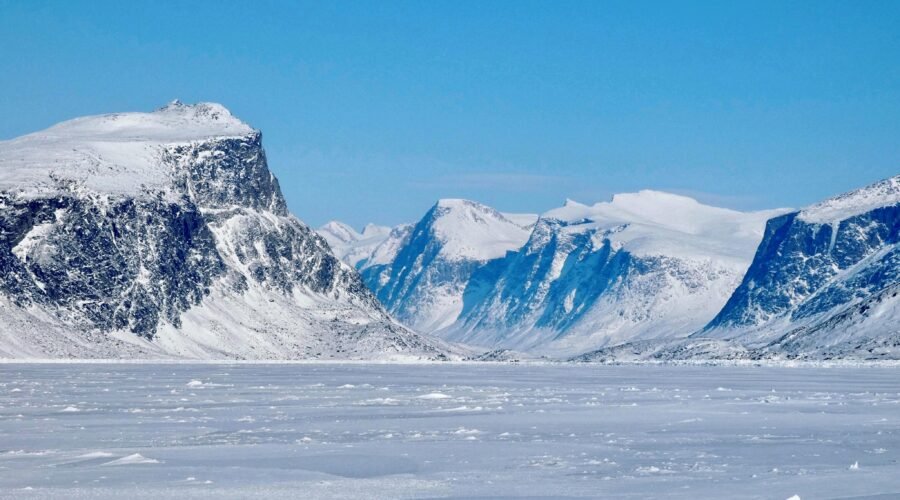
Resolute’s winter is long, dark, and incredibly cold. This is when the Arctic truly asserts itself, offering a starkly beautiful and challenging environment.
Extreme Cold and Limited Daylight
From November to March, you’re looking at average temperatures well below -20°C (-4°F), often dipping to -30°C (-22°F) or even colder with wind chill. Daylight is minimal; December and January experience polar night, meaning the sun doesn’t rise above the horizon for extended periods. It’s a world bathed in twilight and starlight.
The Reign of the Northern Lights
This is the time to see the Aurora Borealis. The long, dark nights create the perfect backdrop for the dancing green, purple, and pink lights. Clear skies are key, and while unpredictable, your chances are highest during these months.
Spring: The Thaw and Extended Daylight
Spring in Resolute is a slow but welcome process. As the ice begins to break up and the snow starts to melt, the landscape transforms once more.
Increasing Daylight and Melting Ice
Starting in April, daylight hours rapidly increase, and by May, you’re well on your way back to the midnight sun. The sea ice begins to break up, which can make travel and some activities more challenging initially.
Temperatures Begin to Rise (Slowly)
Temperatures will start to climb out of the deep freeze, but it’s still very cold. Expect averages to be around -10°C to 0°C (14°F to 32°F) in April and May.
If you’re planning a trip to Resolute, Nunavut, it’s essential to consider various factors such as weather, crowds, and costs to make the most of your visit. For a more comprehensive understanding of the best times to explore this unique destination, you can check out a related article that delves into travel tips and insights. For more information, visit this article to help you plan your adventure effectively.
When to Visit for Wildlife Viewing
Wildlife in Resolute is not as abundant or diverse as in some other Arctic regions, but there are still opportunities to see fascinating creatures adapted to this extreme environment.
Summer Opportunities
During the summer months, when the sea ice recedes (though it never fully disappears in Resolute), you have a better chance of spotting marine life.
Arctic Foxes and Birds
Keep an eye out for Arctic foxes, which are often seen near the settlement. The warmer months also bring migratory birds to the area, making it a good time for birdwatching.
Marine Mammals (Limited)
While Resolute isn’t a major hub for whale watching, there’s a possibility of seeing seals or even beluga whales in the waters during the summer. However, this is often more about luck than a guarantee.
Winter Wildlife Encounters
Winter presents a different set of challenges and opportunities for wildlife viewing. The conditions are harsh, requiring specialized tours and equipment.
Arctic Foxes in Their Element
Arctic foxes are still present in winter, often in their beautiful white winter coats. They are well-adapted to the cold and can be quite active.
Polar Bears (Rare but Possible)
Polar bears are the apex predators of the Arctic, and while sightings are rare around Resolute itself, they can be encountered in the broader Qikiqtaaluk region. If you’re considering a dedicated polar bear viewing trip, you’ll need to go with experienced guides and often travel further afield. These excursions are typically done by snowmobile or specialized vehicles in the late winter/early spring.
Considering the Crowds: Resolute is Rarely Crowded

One of Resolute’s biggest draws, or perhaps a deterrent for some, is its remoteness. Unlike more accessible tourist destinations, Resolute experiences very few tourists.
Peak Season = Slightly More People
The “peak” tourist season in Resolute aligns with the summer months, primarily July and August. This is when Arctic cruises might have layovers or when independent travelers choose the “warmest” and brightest months for their visit.
Who Visits in Summer?
You’ll primarily encounter researchers, government workers, and a small number of adventurous tourists who are seeking a unique Arctic experience, often as a gateway to the High Arctic or for specific scientific interests.
Shoulder Seasons: Virtually Empty
During autumn and spring, you’ll find even fewer people. These are times when travel infrastructure might be more limited, reinforcing the quiet nature of this community.
Winter: A Niche Audience
Winter visitors are a very specific group – those primarily focused on seeing the Northern Lights or engaging in activities like ice fishing or specialized snowmobile expeditions. These are typically small, organized groups, not mass tourism.
Budgeting Your Trip: Costs in the Arctic

Let’s be upfront: visiting Resolute is not a budget trip. Its remoteness means that everything, from flights to accommodation and food, comes at a premium.
Flights: The Biggest Ticket Item
Getting to Resolute is the most significant cost. Flights typically depart from Iqaluit or Ottawa, with layovers in other Arctic communities. There are no direct flights from major southern cities. Prices can vary wildly but expect to pay several thousand dollars for a round trip, especially if booked last minute or during peak summer.
Booking in Advance is Key
To secure reasonable prices (relatively speaking) and ensure availability, book your flights as far in advance as possible. Prices can surge dramatically closer to the travel date.
Accommodation: Basic but Cozy
Accommodation options in Resolute are limited. You’ll likely be looking at the local hotel (the Nanuk Hotel is the primary option) or potentially arrangements through your tour operator if you book a package.
Hotel Prices
Expect hotel rates to be on par with or even higher than a mid-range hotel in a large southern city, especially during the summer months. Room availability can be tight, so booking well ahead is essential.
Food and Supplies: A Premium
Given Resolute is a small, remote community, food and supplies are often flown in. This means grocery costs are significantly higher than what you’d find in the south.
Eating Out vs. Self-Catering
Eating at the hotel or the local store’s cafeteria will be your main options. If you can arrange for self-catering facilities, it can help manage costs, but you’ll still be paying a premium for groceries.
Tour Packages Often Include Meals
Many visitors opt for all-inclusive tour packages that cover flights, accommodation, and meals. While the upfront cost may seem high, it can sometimes offer better value and predictability than arranging everything separately.
If you’re planning a trip to Resolute, Nunavut, understanding the best time to visit is crucial for making the most of your experience. For insights on how weather, crowds, and costs can impact your travel plans, you might find it helpful to read a related article that discusses these factors in detail. This information can help you choose the ideal season for your adventure. To explore more about travel tips and policies, check out this helpful resource.
Activities and Experiences: What Can You Do?
| Month | Weather | Crowds | Costs |
|---|---|---|---|
| January | Very cold, average temperature -30°C | Low | Low |
| April | Cold, average temperature -15°C | Low | Low |
| July | Cool, average temperature 5°C | Medium | Medium |
| October | Cold, average temperature -10°C | Low | Low |
Resolute isn’t a place with bustling nightlife or theme parks. Its appeal lies in its stark natural beauty and the unique experiences it offers.
Summer Activities
The extended daylight in summer opens up opportunities for outdoor exploration.
Hiking and Exploring the Landscape
With the ground thawed, hiking is a popular activity. You can explore the unique Arctic terrain, geological formations, and enjoy the expansive views. Guided hikes are available and recommended to ensure safety and provide local insights.
Boat Trips and Marine Exploration
If conditions permit, short boat trips on the waters around Resolute can offer different perspectives of the coastline and potentially wildlife sightings.
Photography
The dramatic landscapes, the midnight sun, and the unique light conditions make Resolute a photographer’s dream.
Winter Activities
Winter in Resolute is about embracing the cold and the darkness, with a focus on specific Arctic adventures.
Northern Lights Chasing
This is the primary draw for many winter visitors. Dedicated tours will take you to optimal viewing locations away from any light pollution, increasing your chances of witnessing the aurora.
Snowmobile Expeditions
Snowmobiling is a vital mode of transport and a popular activity. Guided tours can take you across the frozen landscape, offering a sense of adventure and a way to cover more ground.
Ice Fishing
Experiencing traditional Arctic activities like ice fishing can be a part of a guided tour. It’s a chance to engage with the local culture and environment.
Visiting the Arctic Research Facility
If you have a keen interest in science and research, some tours may offer opportunities to visit or learn about the activities at the local research base.
The “Best” Time Depends on Your Priorities
Ultimately, the “best” time to visit Resolute is a personal choice.
For Maximum Daylight and “Milder” Weather: July and August
If your priority is to experience the Arctic with the most daylight and the least extreme temperatures, then summer is your answer. This is also when travel is generally more straightforward.
For the Northern Lights and True Arctic Winter: February to April
If seeing the Aurora Borealis is your main goal, and you’re prepared for the extreme cold and limited daylight, then late winter is the ideal time. This period also offers a more authentic experience of Arctic life in winter.
For a Quieter, Transitional Experience: September or May
Both September and May offer a glimpse into the changing seasons. September can be beautiful with the first frosts and the returning darkness, while May sees the rapid return of daylight and the breaking up of ice. These times are less common for tourists, meaning even fewer people and potentially slightly lower (but still high) costs.
Resolute is not a casual destination; it requires careful planning and realistic expectations. But for those who seek an unparalleled Arctic adventure, it offers an unforgettable experience no matter when you choose to go.
FAQs
1. What is the weather like in Resolute, Nunavut throughout the year?
Resolute, Nunavut experiences a polar climate, with long, cold winters and short, cool summers. The average temperature in January is around -30°C (-22°F), while in July it is around 5°C (41°F). The area also experiences strong winds and low precipitation.
2. When is the best time to visit Resolute, Nunavut to avoid crowds?
Resolute, Nunavut is a remote and sparsely populated area, so crowds are not a major concern. However, if you prefer to visit during a quieter time, consider traveling during the shoulder seasons of late spring or early fall.
3. What are the peak tourist seasons in Resolute, Nunavut?
The peak tourist season in Resolute, Nunavut is during the summer months of June, July, and August. This is when the weather is relatively milder, and outdoor activities such as hiking and wildlife viewing are popular.
4. When is the best time to visit Resolute, Nunavut for outdoor activities?
The best time to visit Resolute, Nunavut for outdoor activities is during the summer months of June, July, and August. This is when the weather is most suitable for activities such as hiking, wildlife viewing, and boat tours.
5. How does the cost of visiting Resolute, Nunavut vary throughout the year?
The cost of visiting Resolute, Nunavut can vary throughout the year. Generally, the summer months tend to be more expensive due to the peak tourist season, while the shoulder seasons of late spring and early fall may offer more affordable options for accommodations and activities.