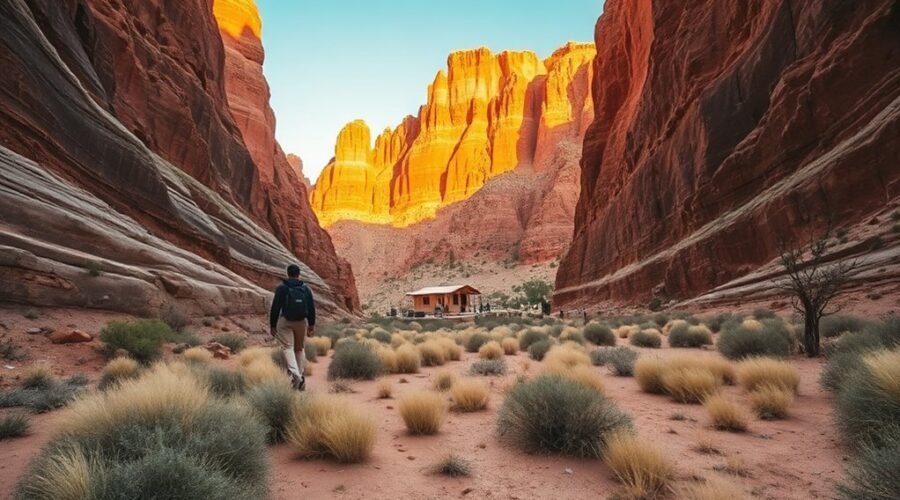
Saudi Arabia’s climate changes sharply from inland deserts to the Red Sea coast and the Asir mountains. The best time to visit Saudi Arabia depends on which places you plan to explore, how much heat you can handle, and whether your dates overlap with Ramadan or Hajj.
Quick Answer
For most first-time trips, November through February is the best time to visit Saudi Arabia. These months bring comfortable conditions for city sightseeing, desert excursions, and AlUla’s outdoor heritage sites. Choose October or March for a warmer shoulder season, or Abha and the Asir highlands for summer.
Last checked: November 19, 2026. Seasonal climate information, published event dates, accommodation statistics, and travel restrictions were checked against the cited sources.
Key Takeaways
- Saudi Arabia has four distinct seasonal patterns, but coastal humidity and mountain elevation create important regional differences.
- Abha and the Asir highlands offer a better summer escape than the hot central and coastal lowlands.
- Ramadan, Eid, and Hajj can affect visitor numbers, opening hours, and access independently of the weather.
- Official 2025 accommodation statistics show substantial differences in average hotel rates throughout the first half of the year.
The Best Months to Visit Saudi Arabia
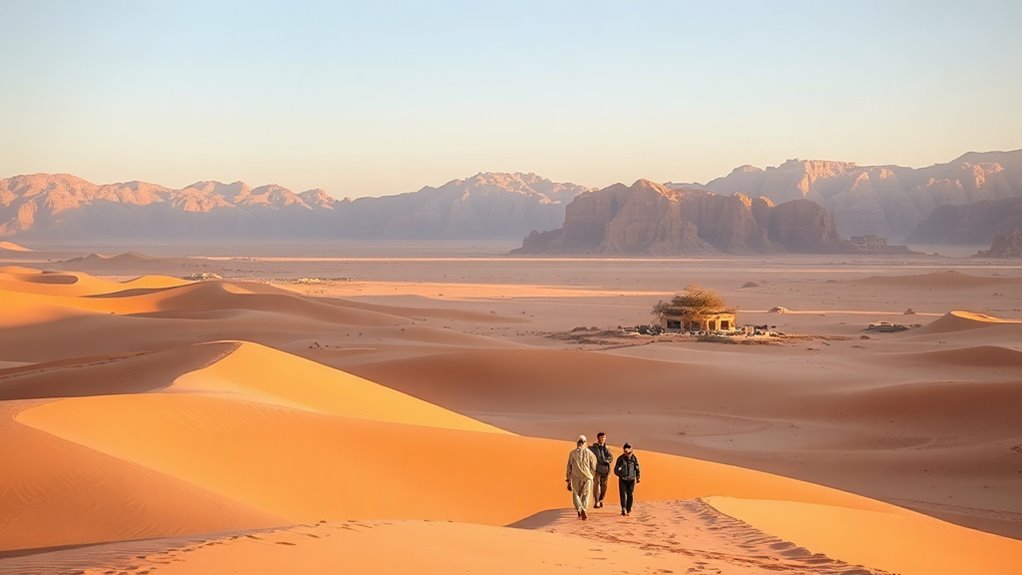
November through February offers the most reliable weather for a trip covering several Saudi destinations. October and March are useful alternatives if you prefer warmer days, while summer works better for visitors focusing on elevated mountain destinations.
The National Center for Meteorology and Saudi environmental authorities divide the country’s climate into four broad seasonal temperature patterns. These figures describe national maximum temperature ranges, not guaranteed temperatures for every city.
| Season | Months | Typical national maximum range | Travel conditions |
|---|---|---|---|
| Spring | March–May | 30–40°C | March and early April suit outdoor sightseeing. May becomes increasingly hot. |
| Summer | June–August | 35–45°C | Very hot across lowland cities. The Asir highlands are a better seasonal alternative. |
| Autumn | September–November | 25–35°C | September remains hot. Conditions improve through October and November. |
| Winter | December–February | 20–30°C | The most comfortable period for many cities, deserts, and heritage attractions. Nights can be cold. |
These national ranges help you understand the broad climate, but your destination matters just as much as your travel dates.
November to February is particularly suitable for visiting Riyadh, AlUla, historical sites, and open desert landscapes. You can spend more time outdoors without dealing with the strongest summer heat.
October and March are also useful shoulder months. They offer a balance between outdoor comfort and seasonal demand, although temperatures can rise quickly in inland areas.
If you plan to visit during summer, consider the southwestern mountains around Abha. Their elevation creates a different climate from the rest of the country.
Saudi Arabia’s Climate Zones Explained
Saudi Arabia does not have one uniform climate. Its coastal cities, central desert, northern regions, and southwestern mountains experience different temperatures and rainfall patterns.
Understanding these differences helps you choose destinations that match your travel dates instead of relying on a single national weather forecast.
Regional Climate Variations
The western Hejaz region includes the Red Sea coast around Jeddah. Coastal air creates higher humidity, particularly during summer, so the heat can feel more uncomfortable than the thermometer suggests.
The central Najd plateau has an arid desert climate. Riyadh experiences very hot summers, cooler winters, and noticeable differences between daytime and nighttime temperatures.
Northwestern Saudi Arabia includes destinations such as AlUla and Tabuk. Desert nights can become quite cold during winter, even when afternoons remain pleasant.
The southwestern Asir highlands offer a different experience. Their elevation creates milder summer conditions, while seasonal monsoon rainfall brings more moisture than most other parts of the Kingdom.
Saudi Arabia’s Ministry of Environment, Water and Agriculture reports that Asir receives approximately 300 mm of rainfall annually. This makes it an important exception to the country’s generally dry climate.
For official seasonal information, see the Saudi government’s climate overview.
Seasonal Temperature Patterns
The main temperature difference is between the hot summer months and the cooler winter period. Spring and autumn are transitional seasons, with conditions changing noticeably from month to month.
Winter is the easiest time for many visitors to explore open-air attractions. Spring becomes warmer, summer brings the strongest heat, and autumn gradually restores comfortable sightseeing conditions.
Remember that national temperature ranges are broad averages. A coastal afternoon in Jeddah can feel very different from a dry evening in Riyadh or a cool night in AlUla.
How Weather Differs Between Riyadh, Jeddah, and AlUla
Riyadh, Jeddah, and AlUla have three distinct climate patterns. Riyadh has large seasonal temperature changes, Jeddah stays warmer throughout the year, and AlUla offers cooler winter days with brisk evenings.
The Japan Meteorological Agency’s monthly climate normals provide useful comparisons for the Riyadh observation station and Jeddah’s King Abdulaziz International Airport.
| Destination | January mean temperature | August mean temperature | Best travel window |
|---|---|---|---|
| Riyadh | 14.6°C | 37.0°C | October–March |
| Jeddah | 23.5°C | 33.3°C | November–April |
| AlUla | Cool winter conditions | Very hot summer conditions | October–April |
Temperature figures are monthly mean temperatures, not average daily highs or record temperatures. AlUla’s recommended travel window comes from the Royal Commission for AlUla.
In Riyadh, the monthly mean rises from 14.6°C in January to 37.0°C in August. The inland location creates a large difference between winter and summer conditions. Winter evenings can also feel much cooler than afternoons.
In Jeddah, the monthly mean ranges from 23.5°C in January to 33.3°C in August. Its coastal location keeps temperatures warmer in winter, while humidity makes summer sightseeing more demanding.
AlUla has a dry desert climate and noticeable temperature changes between day and night. The Royal Commission for AlUla recommends visiting between October and April, when daytime weather is milder and outdoor experiences are more comfortable.
You can find more details in the Riyadh monthly climate normals, the Jeddah airport climate normals, and the official AlUla visitor guide.
Why Winter Is Saudi Arabia’s Sweet Spot for Travelers
Winter is the most comfortable period for exploring many of Saudi Arabia’s major destinations. Cooler daytime conditions make desert trips, heritage tours, outdoor markets, and festivals easier to enjoy.
Between November and February, you can visit historical sites without facing the intense summer heat. AlUla is especially rewarding during this period because its sandstone landscapes and archaeological attractions are easier to explore outdoors.
The cooler season also brings a busy events calendar. Riyadh hosts large entertainment programs, while AlUla offers seasonal cultural, nature, and outdoor experiences.
The official Riyadh Season calendar lists its 2026–2027 dates as October 21, 2026, through March 1, 2027. Its program includes entertainment zones, concerts, sports, dining, and family activities.
AlUla’s event calendar also focuses heavily on the October–April period. However, individual festival schedules change between seasons, so do not assume that a previous year’s event dates will repeat.
Winter is popular, so accommodation and tour demand can rise around major events, weekends, and school holidays. Book limited-capacity experiences early if they are central to your itinerary.
How Hot Does Saudi Arabia Get in Summer?
Saudi Arabia becomes extremely hot during summer, particularly across the central and eastern lowlands. Official national climate guidance gives a typical summer maximum temperature range of 35–45°C from June through August.
Riyadh and other inland destinations experience intense daytime heat. Jeddah and other coastal areas add humidity, making outdoor activities uncomfortable for extended periods.
You can still visit Saudi Arabia in summer, but you need to plan around the conditions. Air-conditioned shopping centers, museums, indoor attractions, and evening activities become more practical choices.
Outdoor sightseeing requires extra care. Plan shorter walks during cooler hours and avoid strenuous activities during the hottest part of the day.
Warning: Extreme heat can cause dehydration and heat exhaustion. Drink water regularly, limit prolonged sun exposure, and follow local weather warnings. Do not treat air-conditioned transport as protection against heat during long outdoor activities.
There is one important exception to the usual summer advice: the Asir highlands. Abha and nearby elevated areas offer milder conditions than the central desert and coastal lowlands.
Summer also brings seasonal rainfall to parts of southwestern Saudi Arabia. If you prefer mountain landscapes and cooler evenings, this region can be a better choice than Riyadh or Jeddah.
How Ramadan Shapes the Saudi Arabia Travel Experience
Ramadan changes daily routines throughout Saudi Arabia. Restaurant hours, shopping schedules, business operations, and sightseeing patterns can all differ from ordinary months.
During daylight fasting hours, visitors should respect local customs. Non-Muslims should not eat, drink, or smoke in public during the fasting period.
Many restaurants and cafes adjust their opening hours. Some reduce daytime service, while others concentrate on evening and late-night business.
After sunset, the atmosphere changes considerably. Families and friends gather for iftar, restaurants become busier, and public spaces take on a more festive atmosphere.
Ramadan can be a rewarding time to experience Saudi culture, but it requires more schedule flexibility. Some attractions and businesses operate shorter or different hours.
The Islamic calendar moves through the Gregorian year, so Ramadan does not remain in the same season. For 2027, the Saudi Central Bank lists the financial-institution Eid al-Fitr holiday period as March 7–11. The actual religious dates depend on the lunar calendar.
If you want a quieter daytime sightseeing routine with ordinary restaurant hours, traveling outside Ramadan may suit you better. If you want to experience evening traditions and local hospitality, Ramadan offers a different kind of visit.
When Crowds Peak in Saudi Arabia and How to Avoid Them
Saudi Arabia’s busiest travel periods depend on both the weather and the Islamic calendar. Winter events, Ramadan, Eid holidays, and Hajj can all increase demand for accommodation and transportation.
Hajj season creates the most important access restrictions around Mecca and the pilgrimage sites. Travelers performing Hajj must obtain the correct Hajj visa and permit through the official Nusuk platform.
A tourist visa, Umrah visa, or work visa does not authorize someone to perform Hajj. Non-Hajj visa holders also cannot visit Mecca or perform Umrah during the Hajj season under the restrictions described by the U.S. Department of State.
In 2027, the financial-institution Eid al-Adha holiday listed by the Saudi Central Bank runs from May 16 through May 20. This period is an important planning marker for travelers who want to avoid pilgrimage-related demand and restrictions.
Ramadan and Eid al-Fitr also bring significant visitor demand, particularly around the holy cities. The final days of Ramadan and the Eid holiday period can be especially busy.
Winter brings another kind of crowd pressure. Popular destinations such as AlUla, Riyadh, and Diriyah attract visitors who want to enjoy the cooler weather and seasonal events.
To make your trip easier:
- Book accommodation several months ahead when traveling during major events or religious holidays.
- Choose weekdays for popular heritage attractions when possible.
- Plan visits to busy outdoor sites earlier in the day.
- Avoid Hajj-period travel if you are not participating in the pilgrimage and your itinerary requires access to restricted areas.
- Allow extra time for transportation during Eid and other major holidays.
Note: Travel safety advice can change independently of the weather. As of November 19, 2026, the U.S. State Department advises travelers to reconsider travel to Saudi Arabia. The UK FCDO advises against all but essential travel to most of the country and all travel within 10 km of the Yemen border. Check your own government’s current advisory before booking.
These restrictions and advisories matter more than seasonal preferences when deciding whether your planned dates and destinations are suitable.
Saudi Arabia Travel Costs by Season
Your travel budget depends on the destination, hotel category, event schedule, and travel dates. Winter events and religious holidays can increase demand, while some lowland destinations may become quieter during the hottest months.
The Saudi Ministry of Tourism’s first-half 2025 hospitality report provides a useful national price benchmark.
| Accommodation measure | Average daily rate in H1 2025 |
|---|---|
| All tourism accommodation facilities | SAR 458 |
| Hotels | SAR 546 |
| Apartments and other facilities | SAR 205 |
| Highest monthly overall rate | SAR 691 in January 2025 |
| Lowest monthly overall rate | SAR 351 in April 2025 |
These figures are nationwide averages, not guaranteed hotel prices for a particular destination. The reported rates exclude VAT and municipal services fees.
The figures also show why you should not assume that every summer trip will automatically be cheaper. Destination demand, accommodation type, and local events can change prices considerably.
Peak Season Premium Prices
Winter is a popular period for Saudi Arabia’s major tourist destinations. Demand can increase around November through February, especially when large festivals and sporting events take place.
Hotels in Riyadh, Jeddah, and AlUla can become more expensive around popular events and busy weekends. Religious holidays also affect accommodation demand in Mecca and Medina.
For a better chance of securing your preferred accommodation, compare dates before booking and avoid assuming that every destination follows the same price pattern.
Budget-Friendly Off-Season Travel
June through August is the main summer period and can offer a quieter travel experience in many lowland cities. Some hotels and tour operators may offer lower rates when demand falls.
However, this does not apply equally to every destination. Abha and the Asir highlands attract domestic visitors looking for cooler summer weather, so accommodation demand can increase there.
If you travel during summer, focus on indoor attractions in hotter cities and consider mountain destinations for outdoor activities. Compare the complete trip cost rather than relying on a general discount percentage.
Shoulder Season Cost Savings
March and April, along with October and November, can provide a useful balance between weather and travel demand.
March is warmer than the winter months, while April brings more noticeable heat across central and coastal areas. October and November offer improving conditions as summer heat fades.
These periods can be useful if you want to avoid the busiest winter weekends. You may also have more flexibility when selecting hotels and tours outside major event dates.
Major Saudi Arabia Events and Festivals Worth Planning Around
Saudi Arabia has cultural, sporting, and national events throughout the year. Some follow the Gregorian calendar, while Ramadan and the two Eids move through the lunar calendar.
Planning around confirmed dates helps you choose the right destination and understand when accommodation demand may increase.
Riyadh Season is one of the Kingdom’s major entertainment programs. The official 2026–2027 calendar lists dates from October 21, 2026, through March 1, 2027.
The program includes entertainment zones, international experiences, concerts, sporting events, restaurants, and family activities.
AlUla’s seasonal events are another reason to visit during the cooler months. The destination’s official calendar features cultural programs, outdoor experiences, wellness events, and heritage activities, with the main event season running from October through April.
Al Janadriyah is also associated with camel-racing events. The current Visit Saudi calendar lists a camel-racing festival from December 1–31, 2026, and the Custodian of the Two Holy Mosques Camel Festival from January 25–February 3, 2027. These are camel-racing events, distinct from the older National Festival for Heritage and Culture.
Saudi Founding Day takes place on February 22 every year. It commemorates the founding of the first Saudi state and is marked by national celebrations.
Saudi National Day falls on September 23 every year. Expect national celebrations and possible changes in business and public schedules around the holiday.
Ramadan and Eid bring important religious and cultural experiences. Ramadan changes restaurant and business schedules, while Eid al-Fitr and Eid al-Adha bring family gatherings and holiday travel demand.
The Saudi Central Bank publishes official financial-institution holiday periods, including the 2027 Eid al-Fitr period of March 7–11 and the Eid al-Adha period of May 16–20. These dates help with planning, although individual attractions and businesses may follow different schedules.
For current event information, use the official Riyadh Season calendar, the Saudi camel-racing events calendar, and the Saudi Central Bank holiday schedule.
What to Pack for Saudi Arabia’s Seasons
Your packing list should reflect both the weather and local customs. Summer requires lightweight clothing and sun protection, while winter calls for layers because desert evenings can become cold.
Packing for Saudi Arabia means preparing for regional temperature changes while respecting local dress expectations.
- Summer (June–August): Choose lightweight, breathable fabrics. Bring sun protection, comfortable footwear, and suitable clothing for long periods outdoors.
- Winter (December–February): Pack layers and a warm jacket. Desert evenings and northern destinations can become much colder than daytime conditions.
- Cultural considerations year-round: Wear modest, loose-fitting clothing that covers your shoulders and knees in public. Women do not generally need to wear an abaya or cover their hair in ordinary public places, but mosque-specific dress requirements may differ.
- Footwear matters: Bring comfortable walking shoes for heritage sites and outdoor excursions. Slip-on shoes can also make mosque visits more convenient because you may need to remove your footwear.
Planning your clothing around the destination as well as the season will make your trip more comfortable.
Frequently Asked Questions
Are Tourist Visas Easy to Obtain for Saudi Arabia Year-Round?
Not for every passport. Saudi Arabia’s official eVisa service is limited to nationalities on its eligible-country list. Travelers who are not eligible may need to apply through a Saudi embassy or consulate. Approval is not guaranteed, so confirm the visa route for your passport before booking.
Is Saudi Arabia Safe for Solo Female Travelers Visiting Alone?
Women can travel independently, but no guide can promise that every trip is safe. The U.S. State Department’s travel information says non-Saudi women may enter and leave regardless of marital status. Check your government’s current security advice and follow local laws and modest-dress rules.
Which Airlines Offer the Most Affordable Flights Into Saudi Arabia?
No airline is always the cheapest. Compare Flynas, Flyadeal, and Air Arabia when they serve your route. The best option depends on your departure city, travel dates, baggage allowance, and additional fees.
Do Saudi Arabia’s Attractions Close on Fridays or Public Holidays?
No single Friday closure rule applies to every attraction. For example, the Saudi National Museum lists Friday hours of 2 p.m. to 10 p.m. and closes on Sunday. Its hours may change during Ramadan, Eid, and national holidays.
Can Non-Muslim Tourists Freely Access All Regions of Saudi Arabia?
No. Non-Muslims cannot enter Mecca. They may visit Medina, but cannot enter the Prophet’s Mosque or its immediate surrounding area. Hajj and other restricted areas also have separate entry and permit requirements.
Conclusion
November through February remains the strongest overall travel window for exploring Saudi Arabia’s cities, deserts, and heritage sites. October and March offer useful alternatives, while Abha and the Asir highlands provide a different summer experience.
Before choosing your dates, consider regional weather, major events, Ramadan and Hajj restrictions, accommodation costs, and current travel advisories. Matching your itinerary to these factors will help you experience the Kingdom more comfortably.
Sources
- Saudi Ministry of Environment, Water and Agriculture: The Kingdom’s Climate: National seasonal temperature ranges and Asir rainfall.
- Japan Meteorological Agency: Riyadh Climate Normals: Monthly mean temperatures and precipitation at the Riyadh observation station.
- Japan Meteorological Agency: Jeddah Climate Normals: Monthly mean temperatures and precipitation at Jeddah airport.
- Royal Commission for AlUla: Visiting AlUla: Recommended visiting season and destination information.
- Visit Saudi: Riyadh Season: Official 2026–2027 event dates and program information.
- Visit Saudi: Saudi Camel Racing Federation Competitions: Published camel-racing event dates at Al Janadriyah.
- Saudi Central Bank: Holidays and Working Hours: Official financial-institution holiday dates and national observances.
- Saudi Ministry of Tourism: Hospitality Sector Performance, First Half of 2025: National accommodation rates and occupancy statistics.
- U.S. Department of State: Saudi Arabia Travel Advisory: Current security guidance, Hajj requirements, and visitor-access restrictions.
- UK Foreign, Commonwealth & Development Office: Saudi Arabia Travel Advice: Current regional travel warnings and visitor dress guidance.
- Visit Saudi: Tourist eVisa Terms and Conditions: Eligible nationalities and tourist visa application conditions.
- Saudi Ministry of Culture: National Museum Visiting Hours: Friday opening hours and holiday schedule exceptions.