Figuring out the “best” time to visit South Dakota really boils down to what you’re looking for. If you want sunshine and lots of outdoor activities, summer is probably your sweet spot, but be prepared for crowds and higher prices. If you’re after fewer people and a chance to save some cash, consider the shoulder seasons – spring or fall. And if you’re feeling brave and want to experience the state in a different light, winter can offer a unique, albeit colder, adventure. Let’s break it down by season so you can pick what works best for your trip.
Summer is practically synonymous with South Dakota for many travelers, and for good reason. The weather is generally at its best, and nearly every attraction is in full swing. This is when you’ll find the most reliable sunshine for exploring the Black Hills, hitting up national parks, and enjoying outdoor festivals.
Weather: Sunshine and Sometimes Sultry
- Temperatures: Expect warm to hot days, with average highs in the 70s and 80s Fahrenheit (around 21-30°C). July and August tend to be the warmest months.
- Rainfall: While generally sunny, summer can bring afternoon thunderstorms, especially in the Black Hills. These are often brief but can be intense. Pack a light rain jacket just in case.
- Humidity: Humidity can pick up, particularly in the eastern part of the state, making some days feel muggier.
Crowds: The Buzz of the Season
- Peak Attendance: This is without a doubt the busiest time of year. Major attractions like Mount Rushmore, Custer State Park, and Badlands National Park will see their highest visitor numbers.
- Booking Ahead: If summer is your only option, booking accommodations and popular tours well in advance is highly recommended, especially for July and August. Think months ahead if you’re aiming for cabins or prime spots.
- Traffic and Full Parking Lots: Be prepared for queues at popular spots and potentially limited parking. Patience is your friend during summer.
Costs: The Premium Price Tag
- Accommodation: Prices for hotels, motels, and campgrounds will be at their highest. Expect to pay a premium for lodging, particularly in tourist hubs like Rapid City and Keystone.
- Activities and Tours: While most attraction entrance fees remain consistent, the availability of specialty tours or guided experiences might be more constrained, and some could have slightly higher rates due to demand.
- Food and Souvenirs: Like any peak season, prices for dining and souvenirs can see a slight bump, especially in heavily trafficked tourist zones.
What to Do in Summer: Embrace the Outdoors
- Black Hills National Forest: Hiking, biking, and scenic drives are at their prime.
- Custer State Park: Wildlife viewing, especially during the Buffalo Roundup (though actual roundup is in September, the buffalo are always around and very active in summer). The Wildlife Loop Road is a must.
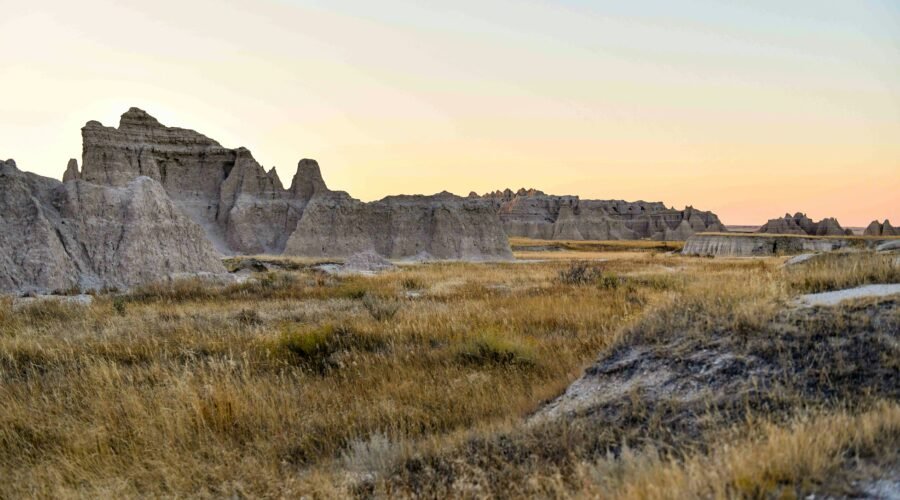
- Badlands National Park: Explore the unique geological formations, hike trails, and watch for wildlife. Early mornings and late afternoons are best to avoid the midday heat.
- Mount Rushmore National Memorial: Visit the iconic monument. The evening lighting ceremony is a popular summer tradition.
- Deadwood: Experience the historic mining town with its casinos, Wild West history, and entertainment.
- Spearfish Canyon Scenic Byway: Enjoy the waterfalls, lush greenery, and the drive itself.
- Water Activities: Lakes like Pactola and Sheridan offer opportunities for swimming, boating, and fishing.
If you’re planning a trip to South Dakota, it’s essential to consider not only the best time to visit but also how to make the most of your experience. For additional insights on travel planning, you might find our article on cookie policies helpful, as it discusses important aspects of online privacy while booking your travels. You can read more about it here: Cookie Policy.
2. Spring (April – May): Waking Up and Welcoming Green
Spring in South Dakota is a delightful period of transition. The snow melts, the landscape starts to green up, and wildlife becomes more active. It’s a great time to visit if you prefer milder weather and fewer crowds than the summer peak.
Weather: A Gradual Warm-Up
- Temperatures: Days start to get pleasant, with highs often in the 50s and 60s Fahrenheit (around 10-20°C) by May. April can still be quite variable, with potential for lingering frost or even some late snow, especially in the higher elevations of the Black Hills.
- Rainfall: Spring showers are common. Be prepared for rain, but also for days of brilliant sunshine as the state awakens.
- Wind: Spring can be windy across the plains. This can be a factor if you’re planning outdoor activities.
Crowds: A Quieter Pace
- Pre-Summer Calm: Visitor numbers are significantly lower than in summer. This means you’ll encounter fewer people at major sights.
- Opening Hours: Some seasonal attractions, particularly smaller, privately-owned ones or certain campgrounds, might not open until late May or Memorial Day weekend. Always check operating hours before you go.
- More Availability: Accommodations are generally easier to book, and you likely won’t need to plan months in advance unless you have very specific requirements.
Costs: Budget-Friendly Beginnings
- Accommodation: Hotel and motel rates are typically lower than in summer. You can often find good deals.
- Attraction Prices: Entrance fees to national and state parks remain the same. However, you might find better deals on tours or specialized activities as businesses look to attract early season visitors.
- Flights: If you’re flying, flight prices can be more competitive during this period.
What to Do in Spring: Embracing the Reawakening
- Wildflower Blooms: As the snow recedes, the prairies and hillsides come alive with colorful wildflowers, offering beautiful scenery for photographers and hikers.
- Wildlife Births: This is calving season for many animals, so you might see young bison, deer, and other wildlife in Custer State Park and Badlands National Park.
- Hiking and Biking: Trails are often less crowded. The cooler temperatures are perfect for exploring at your own pace.
- Scenic Drives: Enjoy the beauty of the Black Hills and Badlands without the summer traffic.
- Fishing: Lakes and rivers start to open up and fishing can be excellent before the summer heat.
- Early Festival Season: Keep an eye out for local events and early season festivals as communities shake off the winter.
3. Fall (September – October): The Golden Season

Fall is a strong contender for the “best” time to visit South Dakota, especially if you appreciate stunning colors, comfortable weather, and a more relaxed atmosphere. The crowds thin out considerably after Labor Day, and the landscape transforms into a breathtaking tapestry of reds, oranges, and yellows.
Weather: Crisp and Colorful
- Temperatures: Days are cooler and more consistent, often in the 60s and 70s Fahrenheit (around 15-25°C) in September, gradually dropping to the 50s (10-15°C) in October. Nights can get chilly, especially in the Black Hills.
- Rainfall: Generally drier than spring, though rain is still possible. Snow is rare in September but becomes more likely in late October, especially at higher elevations.
- Sunshine: Fall often brings clear, crisp days with brilliant blue skies, perfect for exploring.
Crowds: A Gentle Decline
- Post-Summer Lull: Visitor numbers drop significantly after the summer rush. You’ll find a much more peaceful experience at popular attractions.
- Full Accessibility: All major attractions and services are still fully operational.
- More Relaxed Pace: Without the pressure of peak season crowds, you can explore at a leisurely pace and enjoy a more authentic feel.
Costs: Value and Variety
- Accommodation: Hotel and lodging prices start to decrease significantly compared to summer. You can often find excellent deals and more availability.
- Attraction Discounts: While not universal, some seasonal tours or activities might offer off-season pricing or promotions to attract visitors in the shoulder season.
- Flexibility: You’ll have more flexibility with booking and can often secure last-minute reservations.
What to Do in Fall: Harnessing the Golden Light
- Fall Foliage in the Black Hills: This is arguably the most beautiful time to visit the Black Hills. The aspen and oak trees put on a spectacular display of color. Driving the Needles Highway or Iron Mountain Road becomes even more stunning.
- Buffalo Roundup (Custer State Park): This iconic event, usually held on the last Saturday of September, involves rounding up the park’s bison herd. It’s a must-see if your timing aligns. Even without the official roundup, the bison are active and impressive.
- Hiking and Photography: The cooler, crisp air makes for excellent hiking conditions. The golden light of fall provides exceptional opportunities for photography.
- Badlands National Park: The stark beauty of the Badlands is enhanced by the warm fall colors of the surrounding vegetation. Mornings and evenings offer the best light.
- Harvest Festivals and Local Events: Many towns hold harvest festivals, farmers’ markets, and other community events in early fall.
- Stargazing: With clearer, colder air and fewer people, fall is fantastic for stargazing, especially in areas like Badlands National Park with its dark skies.
4. Winter (November – March): The Quiet Frontier

Winter in South Dakota is a different beast entirely. It’s cold, often snowy, and many attractions close down. However, if you’re looking for solitude, a dramatic landscape, and a chance to experience South Dakota without the usual tourist fanfare, winter can be a surprisingly rewarding time to visit.
Weather: Cold and Snowy Adventures
- Temperatures: Expect frigid temperatures. Daytime highs are often in the 20s and 30s Fahrenheit (around -7 to 0°C), with overnight lows frequently dropping well below zero. Wind chill can make it feel much colder.
- Snowfall: Snowfall is common, especially in the Black Hills. This can create beautiful, serene landscapes but can also impact road conditions and access to certain areas.
- Short Days: Daylight hours are limited, so plan your outdoor activities accordingly.
Crowds: An Almost Empty Stage
- Minimal Visitors: This is the absolute off-season for tourism. You’ll have most places to yourself.
- Limited Access: Many seasonal businesses, campgrounds, and some visitor centers will be closed. Roads in certain areas, particularly within national parks and forest service roads, may be closed due to snow.
- Focus on the Essentials: Your focus will likely be on towns and key attractions that remain open year-round.
Costs: The Best Bargains
| Month | Weather | Crowds | Costs |
|---|---|---|---|
| June | Warm, sunny days | High | High |
| July | Hot, dry weather | Peak | High |
| August | Hot, dry weather | High | High |
| September | Mild, pleasant temperatures | Moderate | Medium |
- Accommodation: This is when you’ll find the absolute lowest prices for hotels and motels. Deals and discounts are plentiful.
- Flights: Flight prices are typically at their lowest during the winter months, excluding holiday periods like Christmas and New Year’s.
- Fewer Expenses: With fewer attractions open, your spending on activities will naturally be lower.
What to Do in Winter: Embracing the Solitude
- Skiing and Snowboarding: Terry Peak and Great Bear Ski Valley offer opportunities for winter sports in the Black Hills.
- Snowshoeing and Cross-Country Skiing: Explore the silent, snow-covered landscapes of the Black Hills and state parks.
- Scenic Drives (with caution): Major highways are generally well-maintained, offering a chance to see the stark beauty of the state. Always check road conditions before setting out.
- Mount Rushmore and Crazy Horse Memorial: While visitor centers may have limited hours, the monuments themselves are accessible and offer a different, dramatic experience in the snow.
- Ice Fishing: Lakes like Pactola Reservoir can freeze over, allowing for ice fishing for those who are experienced and prepared.
- Small Town Charm: Explore the hospitality of South Dakota’s small towns, enjoy local diners, and soak in the quiet atmosphere.
- Wildlife Viewing (from a distance): You might spot herds of bison or other animals seeking shelter, making for unique viewing opportunities against the snowy backdrop.
If you’re planning a trip to South Dakota, you might find it helpful to read about the best time to visit based on weather, crowds, and costs. Additionally, you can explore more travel tips and insights in our related article on travel planning, which offers valuable information to enhance your experience while exploring this beautiful state.
5. Shoulder Seasons: The Sweet Spot for Many
The shoulder seasons – late spring (late May) and early fall (early to mid-September) – often represent the “sweet spot” for many travelers. They offer a compelling balance of decent weather, fewer crowds, and more manageable costs.
Late Spring (Late May): The Gentle Transition
- Weather: Temperatures are warming up nicely, often in the 60s and 70s Fahrenheit (15-25°C), and the landscape is fully greening. There’s a good chance of pleasant, sunny days.
- Crowds: Summer crowds haven’t fully arrived yet, so attractions are less busy than in June-August.
- Cost: Lodging prices are still generally lower than peak summer rates, offering good value.
- What to do: This is a fantastic time for hiking, wildlife viewing (spring is calving season), and scenic drives before the main tourist season kicks in. Most attractions will be fully operational by Memorial Day weekend.
Early to Mid-Fall (September to Mid-October): The Golden Embrace
- Weather: September offers delightful, mild weather, with average highs in the 60s and 70s (15-25°C). October starts to cool down but can still offer beautiful, crisp days before the deeper cold sets in.
- Crowds: The significant drop in crowds after Labor Day is noticeable. You’ll experience a much more relaxed atmosphere.
- Cost: Prices for accommodations and some activities start to fall, offering savings compared to summer.
- What to do: This is prime time for fall foliage, hiking, wildlife viewing (including the Buffalo Roundup if your timing is perfect), and enjoying the stunning landscapes with fewer people around.
If you’re planning a trip to South Dakota, you might also find it helpful to read about the best travel tips for maximizing your experience in the state. For more insights on how to navigate your journey effectively, check out this informative article on travel tips. It provides valuable information that complements your understanding of the best time to visit South Dakota, considering factors like weather, crowds, and costs.
6. Special Considerations: Tailoring Your Trip
Beyond the general seasonal trends, there are a few specific things to keep in mind that might sway your decision on when to visit.
Events and Festivals: Timing Your Trip Around Celebrations
- Buffalo Roundup: As mentioned, the Custer State Park Buffalo Roundup is a major event, usually the last Saturday in September. If seeing this is a priority, plan accordingly, and book accommodations far in advance.
- Sturgis Motorcycle Rally: Held annually in early August, this event transforms the town of Sturgis and surrounding areas into a massive gathering for motorcycle enthusiasts. If you’re interested in the rally, book everything by the year. If you prefer quiet, avoid this week.
- Local Town Festivals: Throughout the year, various towns host events like Shakespeare in the Park (summer), harvest festivals (fall), and Christmas celebrations (winter). Research local listings for your specific interests.
Wildlife Viewing Hotspots: When Are Animals Most Active?
- Spring: Excellent for spotting newborns – bison calves, fawns, and bird activity.
- Summer: All animals are active and visible, especially in Custer State Park and Badlands National Park. Dawn and dusk are prime viewing times.
- Fall: Animals are often actively foraging and preparing for winter. Bison tend to be very visible during this time. The rut (mating season for bison) can occur in late summer/early fall, making them more active and potentially more dramatic to observe.
- Winter: Animals may be more concentrated in certain areas where food is available. They might appear more in open areas, but extreme cold can also mean they seek shelter.
Adventure Activities: What Can You Do When?
- Hiking & Biking: Best in spring, summer, and fall. Summer can be hot, so early mornings/late afternoons are key. Fall offers ideal temperatures and stunning scenery. Spring brings wildflowers.
- Water Sports: Primarily a summer activity. Lakes and rivers are warm enough for swimming, boating, and fishing.
- Winter Sports: Skiing, snowboarding, snowshoeing, and cross-country skiing are only possible in winter months after sufficient snowfall.
- Scenic Drives: Enjoyable year-round, but summer offers the most accessible and vibrant scenery. Fall showcases incredible foliage. Winter offers stark, dramatic landscapes but requires careful attention to road conditions.
By considering these factors, you can pinpoint the your best time to visit South Dakota, ensuring your trip is a perfect fit for your interests, budget, and desired experience.
FAQs
1. What is the best time to visit South Dakota based on weather?
The best time to visit South Dakota based on weather is during the summer months of June, July, and August. These months offer warm temperatures and minimal precipitation, making it ideal for outdoor activities and sightseeing.
2. When is the peak tourist season in South Dakota?
The peak tourist season in South Dakota is during the summer months, particularly in July and August. During this time, popular attractions such as Mount Rushmore and Badlands National Park experience the highest number of visitors.
3. What is the shoulder season in South Dakota?
The shoulder season in South Dakota occurs during the spring months of April and May, as well as the fall months of September and October. During these times, the weather is still pleasant, and crowds are generally smaller compared to the peak summer season.
4. When is the most cost-effective time to visit South Dakota?
The most cost-effective time to visit South Dakota is during the shoulder seasons of spring and fall. During these times, accommodations and attractions may offer lower prices, and there are often deals and discounts available for visitors.
5. What are the winter months like in South Dakota?
Winter in South Dakota can be cold and snowy, particularly from December to February. While some attractions may be closed during this time, winter sports enthusiasts can enjoy activities such as skiing and snowmobiling in the Black Hills region.