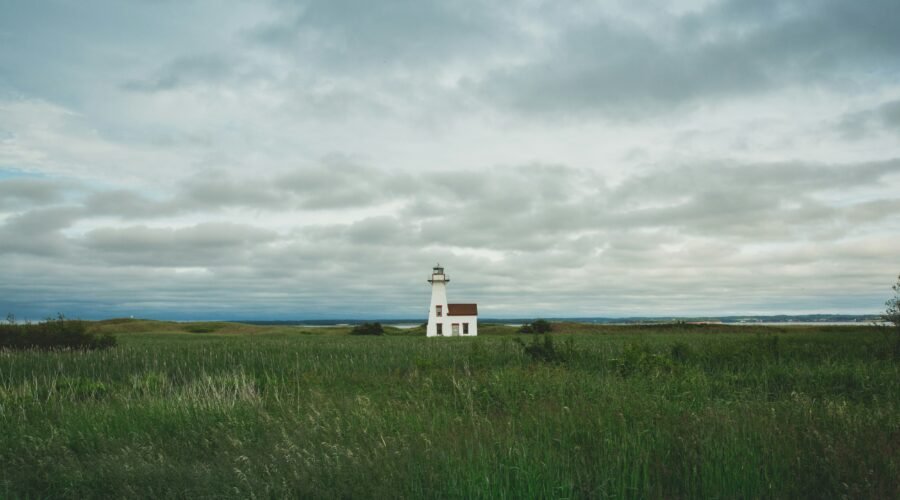
So, you’re thinking about visiting Summerside, Prince Edward Island, and wondering when to go? The best time depends on what you want from your trip. July and August bring warm beach weather and a lively waterfront. June and September offer a more relaxed experience, while October is a wonderful time for fall scenery. Here’s how the weather, crowds, attractions, and travel costs compare throughout the year.
Quick Answer
The best time to visit Summerside, PEI, is July or August for warm weather, beaches, and summer events. Choose June or September for pleasant sightseeing with generally fewer visitors. Early to mid-October is a good choice for fall colours, while winter offers a quieter experience with fewer seasonal attractions available.
Key Takeaways
- Warmest weather: July and August, with normal daytime highs around 24°C (75°F).
- Beach holidays: Late July through August offers the warmest typical swimming conditions.
- Fewer crowds: June and September are useful alternatives to peak summer.
- Fall scenery: October often brings colourful foliage, especially around the middle of the month.
- Budget travel: Compare May, June, September, and October accommodation rates before choosing dates.
- Winter visits: Expect cold weather, quieter streets, and limited seasonal tourism services.
1. Summer: July and August for Beaches and Festivals
If you’re dreaming of long, sunny days, warm ocean breezes, and the classic East Coast summer experience, July and August are the months to consider. This is when Summerside’s waterfront and nearby coastal attractions are at their liveliest.
Peak Sunshine and Warmth
- Weather Stats: According to Environment and Climate Change Canada’s 1991–2020 climate normals, Summerside has average daily highs of 24.1°C (75.4°F) in July and 23.8°C (74.8°F) in August. These are long-term averages, not forecasts or guaranteed daily temperatures.
- Water Temperatures: PEI’s surrounding waters generally reach their warmest conditions in late summer. Tourism PEI describes August water temperatures as averaging approximately 20°C (68°F) around the Island. Actual temperatures vary by beach, weather, and water conditions.
- Longer Daylight Hours: Summer gives you more daylight for coastal walks, sightseeing, outdoor dining, and exploring nearby communities.
For a beach-focused trip, late July and August are usually more suitable than May or June. The sea takes time to warm up after winter, so warm air does not always mean warm water.
The Buzz of the Season
- Festivals and Events: Summerside hosts summer entertainment, cultural activities, and community celebrations. The Summerside Lobster Carnival is one of the area’s notable summer events. The PEI Potato Blossom Festival takes place in O’Leary, elsewhere in western PEI, rather than in Summerside itself.
- Seasonal Attractions: Summer offers a wider selection of waterfront businesses, outdoor activities, museums, and guided experiences. However, opening dates vary, so check individual attractions before visiting.
- Lively Atmosphere: You’ll find more visitors around the waterfront, restaurants, markets, and nearby beaches.
For current activities and event dates, use the official Tourism PEI Summerside guide.
The Downside: Crowds and Costs
- Peak Tourist Season: July and August are among PEI’s busiest travel months. Popular beaches, waterfront businesses, and summer events attract more visitors.
- Booking Ahead: Reserve accommodation early if you’re travelling during school holidays, major events, or popular summer weekends.
- Higher Demand: Summer accommodation can cost more than comparable stays outside peak season. Prices depend on the property, booking date, and local events.
Pro Tip: If you want warm summer weather but have flexible dates, compare late August with early September. You may find a useful balance between comfortable conditions, available accommodation, and a quieter atmosphere.
Where to Enjoy the Beach Near Summerside
Summerside has an attractive harbourfront, but a waterfront walk and a designated swimming beach are not the same thing. If swimming is a major part of your holiday, plan a visit to a suitable nearby beach.
- Linkletter Provincial Park: Located near Summerside on Bedeque Bay, this park offers a beach, camping, green space, and playground facilities. Its beach is unsupervised, so there is no lifeguard on duty.
- Cabot Beach Provincial Park: Located in the Malpeque area, this park offers beach access, coastal scenery, and seasonal lifeguard supervision. Supervision is available only during specified operating days and hours.
- Other PEI beaches: The Island has additional provincial and national park beaches. Choose one based on driving distance, facilities, accessibility, and current swimming conditions.
See the official Tourism PEI beaches and parks guide for beach information and facilities.
Warning: Ocean conditions can change quickly. Swim at a supervised beach when possible, follow lifeguard instructions, and never swim alone. Check posted water-quality and surf information before entering the water. An unsupervised beach should not be assumed safe simply because the water looks calm.
2. The Shoulder Seasons: May, June, September, and October
These months offer a different kind of Summerside experience. You can enjoy coastal scenery, local food, and sightseeing without making swimming the centre of your trip.
June and September are especially useful for travellers who want comfortable outdoor conditions while avoiding some of the peak summer demand.
Late Spring: May and June
- Weather Considerations: May’s normal daytime high is approximately 14.3°C (57.7°F), rising to 19.7°C (67.5°F) in June. Cooler evenings, rain, and windy conditions are possible.
- Nature’s Awakening: PEI’s countryside becomes greener, flowers appear, and coastal walks become more comfortable as the season progresses.
- Ocean Chill: Sea temperatures remain relatively cold. May and early June are generally better for beach walks than extended recreational swimming.
- Fewer Footsteps: Tourism demand is generally lower than in July and August, although popular weekends and special events can still attract visitors.
- Early-Season Value: Some accommodation providers offer lower rates before peak summer. Compare actual prices because discounts are not guaranteed.
May is particularly suitable for quiet sightseeing, local dining, and spring scenery. June offers warmer weather and a growing selection of seasonal attractions.
Early Fall: September and October
- Weather Outlook: Summerside’s normal daytime high is approximately 19.4°C (66.9°F) in September and 13.0°C (55.4°F) in October.
- The Golden Months: September often retains comfortable late-summer conditions, making it suitable for scenic drives, cycling, waterfront walks, and outdoor dining.
- Water Temperature: The surrounding sea can retain summer warmth into September. Conditions vary, so check the water and weather rather than assuming it will be suitable for swimming.
- Fall Colours: PEI’s foliage typically becomes more colourful during October. Early to mid-October is a useful period to consider, although the timing changes from year to year.
- Fewer Crowds: Visitor numbers generally ease after the main summer season. However, popular festivals and holiday weekends can still bring substantial activity.
- Value for Money: September and October can offer more accommodation options and attractive rates compared with peak summer, depending on the dates.
Seafood Season in Spring and Fall
Seafood lovers have another reason to consider the shoulder seasons.
PEI has two main lobster fishing periods: a spring season generally running from early May through June and a fall season running approximately from mid-August to mid-October. Exact harvesting dates vary by fishing area and operating conditions.
Fresh live lobster may also be available outside those harvesting periods because it can be held in saltwater storage facilities.
See Tourism PEI’s lobster-season guidance for more information.
What to Be Aware Of in the Shoulder Seasons
- Opening Hours and Availability: Some seasonal shops, accommodations, museums, and water-based activities open gradually in spring or reduce their hours in autumn.
- Weather Variability: Bring layers and a waterproof jacket. Temperatures can change noticeably between sunny afternoons and evenings.
- Festival Weekends: A quieter travel month does not guarantee an uncrowded weekend.
- October Closures: Some businesses finish their tourism season around September or October, even while year-round businesses remain open.
Note: If a particular museum, tour, beach facility, or restaurant is central to your trip, check its operating dates before booking accommodation. Seasonal opening dates can differ from one year to the next.
3. The Off-Season: November to April

Visiting Summerside in winter is a completely different experience. Instead of beach days and busy waterfront attractions, expect quiet streets, cold weather, and a slower pace.
Winter can be appealing if you’re visiting family, attending a specific event, or simply want a peaceful Maritime getaway.
The Quiet and Cozy Months
- Weather Realities: Winter temperatures are often below freezing. Snow, ice, strong winds, and shorter daylight hours can affect outdoor plans.
- Tranquil Tourism: Visitor activity is generally much lower than in summer. Seasonal waterfront businesses and outdoor attractions may be closed.
- Indoor Experiences: Local restaurants, cafes, galleries, cultural venues, and scheduled performances offer alternatives to beach activities.
- Accommodation: Some properties offer attractive off-season prices, while others close for part of the winter. Check availability before assuming accommodation will be inexpensive.
- Winter Activities: Snowshoeing, winter walking, and other cold-weather activities may be possible when conditions allow. Ice-related activities require appropriate local safety information.
Who Is Winter For?
- Travellers Seeking Solitude: Winter offers a quieter experience than the main summer tourism season.
- Visitors with Specific Interests: Family visits, cultural events, indoor activities, and winter scenery can make an off-season trip worthwhile.
- Budget-Conscious Travellers: Compare winter accommodation offers, but account for transportation and reduced attraction availability.
- Not Ideal for Beach Holidays: Winter is not suitable for recreational ocean swimming or a typical summer beach itinerary.
Winter Transportation and Accessibility
Weather is an important part of winter travel planning. Snow, freezing rain, wind, and poor visibility can affect driving conditions.
The Confederation Bridge connects PEI with New Brunswick and operates as a year-round road connection. However, high winds and other weather conditions can lead to restrictions or temporary closures.
Northumberland Ferries operates the crossing between Wood Islands, PEI, and Caribou, Nova Scotia, on a seasonal schedule. For example, its published 2026 timetable includes reduced service from October 18 through December 20.
Do not assume that a ferry will be available throughout the winter.
Before travelling, check the official Northumberland Ferries timetable and Confederation Bridge travel advisories.
4. Weather Considerations: What to Pack and When

Understanding Summerside’s seasonal weather will help you pack properly. Coastal winds can make conditions feel cooler than the thermometer suggests, even during otherwise pleasant weather.
Average Monthly Temperatures in Summerside
The following figures are average daily maximum temperatures from Environment and Climate Change Canada’s 1991–2020 climate normals for Summerside.
| Month | Average High | Typical Travel Conditions |
|---|---|---|
| January | -2.9°C / 27°F | Cold winter conditions |
| February | -2.6°C / 27°F | Cold, with snow and ice possible |
| March | 1.2°C / 34°F | Late winter and early spring |
| April | 7.3°C / 45°F | Cool and changeable |
| May | 14.3°C / 58°F | Mild spring sightseeing |
| June | 19.7°C / 67°F | Pleasant early summer |
| July | 24.1°C / 75°F | Warm peak summer |
| August | 23.8°C / 75°F | Warm summer and beach season |
| September | 19.4°C / 67°F | Comfortable early autumn |
| October | 13.0°C / 55°F | Cool fall scenery |
| November | 6.7°C / 44°F | Cold late autumn |
| December | 0.9°C / 34°F | Early winter conditions |
These figures represent long-term climate averages, not the temperatures you will experience every day. Actual conditions can be warmer or colder, so check the forecast shortly before your departure.
Spring: May and June
Spring gradually becomes warmer, but evenings can remain cool.
What to Pack:
- T-shirts, long-sleeved shirts, sweaters, and a fleece jacket.
- A lightweight waterproof and windproof jacket.
- Comfortable walking shoes, preferably water-resistant.
- Jeans or other durable trousers.
- A light hat or scarf for windy coastal walks.
Summer: July and August
Summer brings warmer afternoons, but a light layer is still useful for cooler evenings.
What to Pack:
- Lightweight clothing, including shorts and T-shirts.
- Swimwear for beach visits and suitable water activities.
- Sunscreen, sunglasses, and a sun hat.
- A light sweater or cardigan.
- Comfortable sandals and walking shoes.
- Water shoes if you plan to visit rocky shorelines.
- A refillable water bottle for outdoor activities.
Fall: September and October
September can feel pleasantly warm during the day, while October calls for noticeably heavier clothing.
What to Pack:
- Long-sleeved shirts, sweaters, and warm layers.
- A fleece or insulated jacket.
- A waterproof and windproof outer layer.
- Warm trousers and comfortable walking shoes.
- A hat, gloves, and scarf for cooler weather.
- A warmer coat if travelling in late October.
Winter: November to April
Winter travel requires clothing suitable for freezing temperatures, snow, ice, and wind.
What to Pack:
- An insulated winter coat.
- Thermal base layers and warm sweaters.
- Waterproof, insulated footwear with good traction.
- Warm socks, gloves, a hat, and a scarf.
- Weather-appropriate clothing for any planned outdoor activities.
If you’re driving, monitor road and bridge conditions, allow extra travel time, and avoid making rigid plans during severe weather.
5. Cost Considerations: When to Save Your Pennies
Money matters when planning a holiday, and choosing your travel dates can make a difference. The biggest potential savings often come from comparing accommodation and transportation options across several dates rather than assuming one month will always be cheapest.
Seasonal Weather, Crowds, and Cost Comparison
| Month | Weather | Crowds | Typical Cost Pattern |
|---|---|---|---|
| May | Cool to mild | Generally low | Potential early-season savings |
| June | Mild and pleasant | Low to moderate | Variable; often below peak-summer demand |
| July | Warm summer weather | High | Higher peak-season demand |
| August | Warm summer weather | High | Higher peak-season demand |
| September | Mild early autumn | Generally declining | Potential shoulder-season value |
| October | Cool and changeable | Generally lower | Possible savings; fewer seasonal options |
| November–April | Cold; winter conditions | Low tourism demand | Variable; reduced tourism services |
These cost categories describe general seasonal demand, not verified hotel or airfare prices. Individual rates can change substantially by date, property, and event.
Summer: July and August
- Accommodation: Hotels, motels, B&Bs, and vacation rentals can face strong demand. Booking early gives you more choice.
- Flights and Transportation: Compare flights to Charlottetown with driving options. Rental cars and ferry space may also need advance planning.
- Activities and Dining: More seasonal businesses operate, but popular venues can be busy. Reserve important experiences when possible.
- Deals: Discounts are not guaranteed during peak season. Flexible dates may help you find better options.
Shoulder Seasons: May, June, September, and October
- Accommodation: Compare prices before and after the busiest summer weeks. The same property may offer different rates across the season.
- Flights and Transportation: Check several departure dates and compare the full cost of flying, driving, or using the ferry when it operates.
- Activities and Dining: Many businesses remain open during part of the shoulder season, although some have shorter operating hours.
- Overall Value: June and September can offer a strong combination of sightseeing weather, available services, and manageable visitor levels.
Off-Season: November to April
- Accommodation: Some year-round properties may offer competitive rates, while seasonal accommodation can be unavailable.
- Transportation: Weather, flight schedules, and seasonal ferry operations can limit flexibility. Compare the full cost rather than relying on an assumed winter discount.
- Activities and Dining: Focus on year-round venues and events operating during your exact travel dates.
- Overall Value: Winter may suit a quiet getaway, but it offers a different experience from a typical summer PEI holiday.
Pro Tip: Compare the total trip cost, including accommodation, transportation, parking, meals, and planned activities. A cheaper room does not necessarily mean a cheaper holiday if your preferred experiences are unavailable or require extra travel.
6. Crowd Levels: Navigating PEI’s Popularity
The number of visitors can change the feel of your Summerside trip. Summer offers a lively atmosphere, while the shoulder seasons are generally more relaxed.
Summer: July and August
- Beaches: Popular beaches can attract many visitors on warm, sunny days.
- Towns and Attractions: The waterfront, markets, museums, restaurants, and seasonal attractions generally experience more activity.
- Roads: Expect more traffic on popular tourist routes, particularly during weekends and major events.
- Atmosphere: Summer is well suited to travellers who enjoy festivals, outdoor entertainment, and busy coastal destinations.
For a quieter experience during summer, consider visiting popular attractions earlier in the day and planning major sightseeing outside the busiest weekend periods.
Shoulder Seasons: May, June, September, and October
- Beaches: Beach walks and coastal sightseeing generally feel more relaxed outside peak summer.
- Towns and Attractions: There are usually fewer visitors, although individual venues can still become busy.
- Roads: Popular sightseeing routes may have less tourist traffic than in July and August.
- Atmosphere: These months offer a quieter way to experience the city while retaining access to many local businesses.
September is particularly useful for visitors who want comfortable sightseeing conditions without making busy summer attractions the focus of their trip.
Off-Season: November to April
- Beaches: Coastal areas generally attract fewer recreational visitors, but weather and shoreline conditions can limit access.
- Towns and Attractions: Tourism activity is much quieter, and seasonal venues may be closed.
- Roads: Tourist traffic is lower, but winter road conditions can create delays or travel hazards.
- Atmosphere: Winter is better suited to travellers who enjoy quiet surroundings, local dining, and indoor cultural activities.
7. What to Do in Summerside During Each Season
Choosing a travel month is easier when you know what you want to do. Summerside offers more than beaches, and several local experiences can fit into a spring, summer, or fall itinerary.
Summer Activities
- Walk along the Summerside waterfront and enjoy the harbour views.
- Explore Spinnakers Landing and nearby seasonal waterfront businesses when open.
- Visit local markets, restaurants, and shops.
- Attend scheduled community festivals or performances.
- Plan a beach day at Linkletter Provincial Park or another suitable PEI beach.
- Explore western PEI and nearby coastal communities.
Spring and Fall Activities
- Enjoy walking, photography, and scenic drives.
- Explore local history and cultural attractions when open.
- Visit the Eptek Art & Culture Centre.
- Enjoy local restaurants and seasonal seafood.
- Explore PEI’s countryside and coastal scenery.
- Plan autumn photography and foliage viewing during October.
Winter Activities
- Visit galleries and other year-round cultural venues.
- Attend scheduled performances and community events.
- Enjoy local cafes and restaurants.
- Explore the waterfront on suitable weather days.
- Take part in appropriate winter activities when local conditions allow.
Tourism PEI’s Summerside directory includes both seasonal and year-round businesses. For example, it lists the Eptek Art & Culture Centre and Harbourfront Theatre as year-round attractions, while several local museums and waterfront businesses have shorter operating seasons.
Check the official Summerside attractions directory before building your itinerary.
8. Choosing the Best Time for Your Travel Style
Still deciding? Match the season to your main reason for visiting.
- For a family beach holiday: Choose July or August, when the weather is warmest and summer beach facilities are more likely to be operating.
- For outdoor sightseeing: Consider June or September for comfortable temperatures and a less hectic pace.
- For festivals and entertainment: Focus on July and August, then confirm the dates of the events you want to attend.
- For photography and fall scenery: Consider early to mid-October, with flexibility for changing foliage and weather conditions.
- For seafood experiences: Spring and early fall coincide with PEI’s main lobster fishing periods, although seafood is available outside those dates.
- For a quieter holiday: Look at May, September, or October, depending on your preferred weather.
- For a winter retreat: Choose the off-season only if you’re comfortable with cold weather and a smaller selection of tourism activities.
July and August offer Summerside’s warmest typical weather, while June and September provide a different balance of sightseeing, seasonal activities, and visitor demand.
Ultimately, the best time to visit Summerside depends on the experience you’re looking for. If swimming and summer events are your priorities, choose July or August. If you want comfortable walks, local culture, and a quieter atmosphere, June or September may suit you better. October brings autumn scenery, while winter offers a peaceful escape for travellers who don’t mind the cold.
Frequently Asked Questions
1. What is the best time to visit Summerside, Prince Edward Island for favourable weather?
July and August offer the warmest typical weather, with average daytime highs around 24°C (75°F). June and September are also suitable for sightseeing, with normal highs around 19–20°C (66–68°F).
2. When is the best time to visit Summerside to avoid crowds?
May, June, September, and October generally have fewer tourists than July and August. June and September are particularly useful if you want a quieter visit without giving up comfortable sightseeing weather.
3. What is the peak tourist season in Summerside?
July and August are the main peak tourism months. June is part of the summer travel period but is generally less busy than the height of the season. Popular festivals and holiday weekends can also attract visitors outside July and August.
4. When is the most cost-effective time to visit Summerside?
May, June, September, and October are worth comparing for accommodation savings outside peak summer demand. Prices vary by property, event, and booking date, so check actual rates rather than assuming that one month will always be cheapest.
5. What are the average temperatures in Summerside throughout the year?
Summerside’s normal daytime highs range from approximately -2.9°C (27°F) in January to 24.1°C (75°F) in July. June averages 19.7°C (67°F), September 19.4°C (67°F), and October 13.0°C (55°F). These figures come from the 1991–2020 Canadian climate normals.
6. Is September a good month to visit Summerside?
Yes. September typically offers comfortable sightseeing weather, fewer visitors than peak summer, and access to many local businesses. The ocean may also retain some summer warmth, although swimming conditions depend on the weather and beach.
7. Where can visitors go swimming near Summerside?
Linkletter Provincial Park has an unsupervised bay beach near Summerside. Cabot Beach Provincial Park offers seasonal lifeguard supervision during specified hours. Always check current beach conditions, water quality, and lifeguard availability before swimming.
8. Is Summerside worth visiting in winter?
Winter can suit travellers seeking a quiet getaway, family visits, local dining, and indoor cultural activities. Expect cold weather and fewer seasonal attractions. If travelling by car, check weather and bridge advisories before departure.
Sources
- Environment and Climate Change Canada — Summerside Climate Normals, 1991–2020 — Monthly temperature averages and seasonal weather information.
- Tourism PEI — Summerside Area — Official destination information, attractions, activities, and operating seasons.
- Tourism PEI — Beaches and Parks — Beach facilities, supervised swimming locations, and provincial park information.
- Parks Canada — Water Safety — Swimming precautions, rip currents, beach flags, and water safety.
- Northumberland Ferries — Official Sailing Schedule — Seasonal ferry service and published departure schedules.
- Confederation Bridge — Official Travel Information — Bridge access, weather advisories, and travel restrictions.