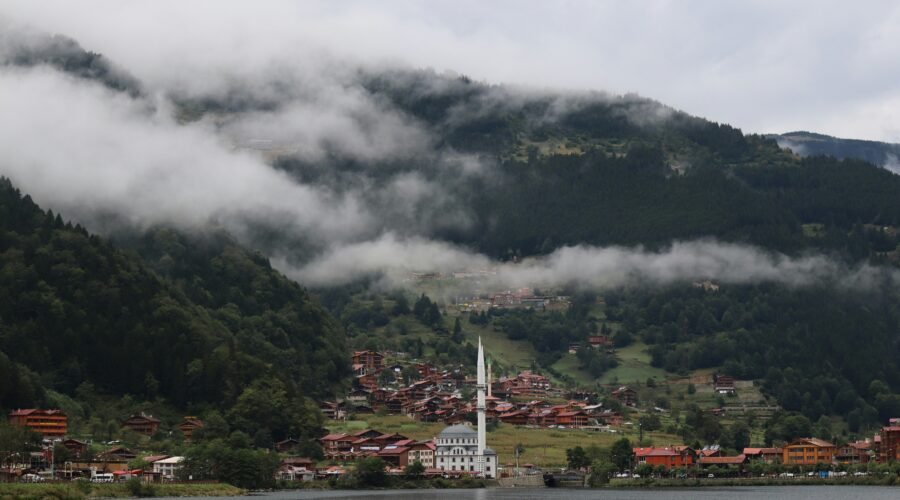
So, you’re wondering about the best time to visit Trabzon? The short answer is late spring (May-early June) and early autumn (September-early October). This period generally offers the most pleasant weather, fewer crowds than peak summer, and reasonable prices. However, “best” can be subjective and depend on what you’re looking for in your trip. Let’s delve into the details so you can make an informed decision.
Trabzon sits on the Black Sea coast, which means it has a distinct humid subtropical climate. This translates to different experiences throughout the year.
Summers: Warm and Humid
From June to August, Trabzon experiences its warmest temperatures. Average highs hover around 26-28°C (79-82°F), and lows are typically in the high teens.
Humidity Levels
Expect significant humidity during these months. This can make the “feels like” temperature higher, and the air can feel quite heavy. If you’re not a fan of humidity, this is something to consider.
Rainfall in Summer
While July and August are generally the driest summer months, Trabzon still receives a fair amount of rain year-round. Don’t be surprised by occasional showers, even in summer. They’re usually short-lived but can be heavy.
Autumn: Mild and Pleasant
September and October are often considered ideal. The scorching heat and high humidity of summer begin to recede, and the landscape is still lush.
Temperature Drop
Average highs in September are around 24°C (75°F), dropping to about 19°C (66°F) in October. Nights become cooler but are still comfortable, making it perfect for evening strolls.
Less Rain Than Winter
While autumn still sees rain, it’s generally not as consistently wet as the winter months. The showers tend to be less intense and more spread out.
Winters: Cool, Wet, and Sometimes Snowy
November to March in Trabzon means cooler temperatures and a lot more rain.
Average Winter Temperatures
Daytime temperatures typically range from 7-12°C (45-54°F). Nights can drop close to freezing, especially in January and February.
Significant Rainfall
Winter is Trabzon’s wettest season. Expect frequent and sometimes prolonged rain. On higher elevations like the Zigana Pass or the mountains surrounding Uzungöl, you can encounter significant snowfall. While the city itself doesn’t always get heavy snow, it’s not uncommon to see a dusting or even a few centimeters, especially in January and February.
Spring: Revival and Freshness
April and May are wonderful months as the region shakes off winter’s chill.
Warming Up
April sees average highs around 16°C (61°F), climbing to 20°C (68°F) in May. The air feels fresh, and the landscape bursts with vivid green.
Still Some Rain
Spring is still relatively wet, but the rain tends to be interspersed with plenty of sunshine. It’s a great time for hiking before the summer heat settles in completely.
Peak Seasons, Crowds, and Your Experience
The number of visitors can significantly alter your experience in Trabzon, affecting everything from queue times to the general atmosphere.
Summer: The Busiest Period (June-August)
This is Trabzon’s high season. Many domestic tourists and visitors from Gulf countries flock to the region, drawn by the relatively cooler temperatures compared to their home countries.
What to Expect from Crowds
- Popular Sites: Places like Uzungöl, Sumela Monastery, and Hagia Sophia Mosque (Trabzon) will be very busy. Expect queues for tickets, potentially crowded vantage points, and a general buzz of activity.
- Accommodation: Hotels, especially those with good views or in prime locations, will book up quickly and be at their highest prices.
- Restaurants: Popular eateries will be full, and you might need to wait for a table.
- Traffic: Roads, particularly those leading to tourist hotspots, can experience significant congestion. This is especially true for the winding road up to Uzungöl.
Who Might Enjoy Summer
If you don’t mind crowds, enjoy a lively atmosphere, and want to make the most of long daylight hours for outdoor activities (despite the humidity), summer can still be a good choice. Families often travel during this time due to school holidays.
Shoulder Seasons: Sweet Spot (May-Early June & Sep-Early Oct)
These periods strike a great balance between good weather and manageable crowds.
Fewer Crowds, More Peace
- Sites: While popular spots will still have visitors, they won’t be as overwhelmingly packed as in July or August. You’ll have more space to explore and generally more peaceful moments.
- Accommodation: Prices are more reasonable, and you’ll have a better choice of hotels.
- Restaurants: Easier to get a table, and the service might feel a bit more relaxed.
The Appeal of Shoulder Season
For many, this is the prime time to visit. The weather is pleasant for exploring, hiking, or simply enjoying the scenery without the intense heat or the feeling of being constantly surrounded by other tourists. Photography opportunities are often better due to clearer skies and less haze.
Winter and Early Spring: Quiet and Authentic (Nov-April)
These are the quietest months for tourism in Trabzon.
A Different Vibe
- Sites: You’ll often have major attractions almost entirely to yourself. Sumela Monastery might be closed if heavy snow blocks access, or sections could be inaccessible. Uzungöl will be serene and beautiful, often covered in snow, but many hotels and restaurants might be closed for the season.
- Accommodation: Prices are at their lowest, and you can often find great deals.
- Local Experience: You’ll observe more of local life as the everyday rhythm of the city isn’t as influenced by tourism.
Considerations for Off-Season
The trade-off is the weather – it’s cold, wet, and day length is short. Some tourist infrastructure might be limited. However, if you enjoy dramatic, moody landscapes, don’t mind bundling up, and are looking for a truly peaceful and authentic experience, winter can be surprisingly rewarding. Seeing Uzungöl blanketed in snow is an unforgettable sight.
Costs: Stretching Your Lira Further
Costs are a significant factor for any trip. Trabzon generally offers good value for money compared to Western European destinations, but prices fluctuate with demand.
Accommodation: Your Biggest Variable
Hotel prices are the most sensitive to seasonal shifts.
High Season Hotel Prices
During June, July, and August, expect to pay the highest rates. A standard mid-range hotel room that might cost €50 in the shoulder season could easily be €80-€100 or more during peak summer. Luxury options will be even higher. Booking well in advance is essential if you’re traveling during this time.
Shoulder Season Hotel Prices
May, September, and early October offer a sweet spot. Prices are noticeably lower than peak summer but still reflect good service and availability. You can find excellent value without sacrificing comfort.
Low Season Hotel Prices
From November to April, you’ll find the lowest prices. Many hotels offer significant discounts to attract guests. You might be able to snag a great deal on a comfortable room for as little as €30-€50, depending on the hotel type and location. However, be aware that some smaller guesthouses or hotels in more remote areas (like Uzungöl) might close entirely for a few months.
Flights and Transportation
Flight prices, especially for international routes, are generally highest during peak summer (June-August) and around major holidays.
Domestic Flights
If you’re flying domestically within Turkey, prices are also higher during the summer months due to increased demand from Turkish holidaymakers. Booking in advance, regardless of the season, usually secures better rates.
On-the-Ground Transport
Local buses and dolmuş (shared taxis) are very affordable year-round. Renting a car will be more expensive in summer simply due to demand, but the price difference isn’t as dramatic as with hotels. Fuel prices remain constant.
Food and Activities
Food prices in local restaurants (lokantas) and markets are generally consistent throughout the year and are very reasonable. Expect slight price increases in more tourist-oriented restaurants in peak season, but these are usually modest.
Attraction Entrance Fees
Entrance fees for sites like Sumela Monastery or Hagia Sophia are fixed and don’t change with the season. Some seasonal activities, like boat tours on Uzungöl, might operate less frequently or not at all in the off-season, impacting their overall cost-effectiveness if you’re keen on them.
Activities and Events by Season
What you can do and see in Trabzon can also depend heavily on the time of year.
Summer Activities (June-August)
- Hiking: While warm, early morning or late afternoon hikes are popular in the lush mountains and valleys.
- Water Sports: Limited, as Trabzon’s beaches aren’t its primary draw, but some local options might be available.
- Outdoor Festivals: Occasionally, there are local festivals or outdoor concerts, especially around Trabzon or nearby Rize.
- Picnics & Exploring: Ideal for enjoying the numerous natural parks, waterfalls, and tea plantations.
Autumn Activities (September-Early October)
- Hiking and Trekking: This is arguably the best time for hiking. The temperatures are perfect, the air is crisp, and the scenery is still vibrant.
- Photography: The light often has a beautiful golden quality, and without the summer haze, mountain views are often clearer.
- Tea Harvesting: In early autumn, you might still catch some of the tea harvesting activities in the surrounding regions.
- Cultural Exploration: Ideal for visiting historical sites without the oppressive heat.
Winter Activities (November-March)
- Snowy Landscapes: Uzungöl and other mountain areas transform into winter wonderland. Photography can be stunning.
- Skiing (limited): While not a major ski destination, there are sometimes very small, local ski facilities in higher elevations (e.g., Zigana Pass) when snow conditions allow. Don’t expect large resorts.
- Cozy Cafes: Enjoy the warmth of traditional Black Sea cafes, sipping Turkish tea or coffee.
- Authentic Local Life: Experience the city without the tourist bustle, observe locals going about their daily routines.
Spring Activities (April-May)
- Nature Walks and Hiking: As the snow melts and the valleys turn green, this is a beautiful time for gentle walks and appreciating the blooming flora.
- Waterfall Chasing: The waterfalls are often at their fullest and most impressive due to melting snow and spring rains.
- Photography: Fresh green landscapes and dramatic skies provide excellent photo opportunities.
- Sumela Monastery Reopening: If Sumela was closed for maintenance or heavy snow during winter, spring often marks its full accessibility.
Preparing for Your Trip: What to Pack
| Month | Weather | Crowds | Costs |
|---|---|---|---|
| January | Cold, snowy | Low | Low |
| April | Mild, rainy | Medium | Medium |
| July | Warm, sunny | High | High |
| October | Cool, rainy | Medium | Medium |
Your packing list will vary significantly depending on the season.
Summer Packing
- Light clothing: Breathable fabrics like cotton or linen.
- Rain jacket/Umbrella: Essential, as summer showers are common.
- Comfortable walking shoes: For exploring sites and city streets.
- Sunscreen and Hat: Although cloudy at times, the sun can still be strong.
- Insect repellent: Especially if you plan on spending time in natural areas.
Shoulder Season Packing (Spring/Autumn)
- Layers: This is key. Pack t-shirts, long-sleeved tops, a fleece or sweater, and a medium-weight jacket.
- Waterproof outer layer: A good quality rain jacket is a must.
- Comfortable, waterproof walking shoes: You’ll likely be doing a fair bit of walking, and rain is always a possibility.
- Hat/Scarf: For cooler mornings/evenings.
Winter Packing
- Warm layers: Thermal underwear, warm sweaters, fleece.
- Heavy waterproof and windproof jacket: Essential for staying dry and warm.
- Warm hat, gloves, and scarf: Crucial, especially if heading to higher elevations.
- Waterproof and insulated boots: With good grip, as paths can be slippery.
- Umbrella: For city exploration.
In summary, for a balanced trip with good weather and manageable crowds, aim for late spring or early autumn. If budget is your absolute priority and you don’t mind the cold and rain, winter can offer a unique and peaceful perspective. Summer is vibrant and lively but comes with higher prices and more people. Your “best time” ultimately depends on your personal preferences and priorities. Enjoy your planning!
FAQs
1. What is the best time to visit Trabzon in terms of weather?
The best time to visit Trabzon is during the summer months of June to August when the weather is warm and pleasant, with temperatures ranging from 20°C to 25°C.
2. When is the peak tourist season in Trabzon?
The peak tourist season in Trabzon is during the summer months of June to August when the weather is ideal for outdoor activities and sightseeing.
3. When is the off-peak season in Trabzon?
The off-peak season in Trabzon is during the winter months of December to February when the weather is cold and rainy, and there are fewer tourists.
4. What are the costs like during the peak tourist season in Trabzon?
During the peak tourist season in Trabzon, costs for accommodation, transportation, and activities are generally higher due to the high demand.
5. When is the best time to visit Trabzon to avoid crowds and high costs?
The best time to visit Trabzon to avoid crowds and high costs is during the shoulder seasons of spring (March to May) and fall (September to November) when the weather is still pleasant and there are fewer tourists.