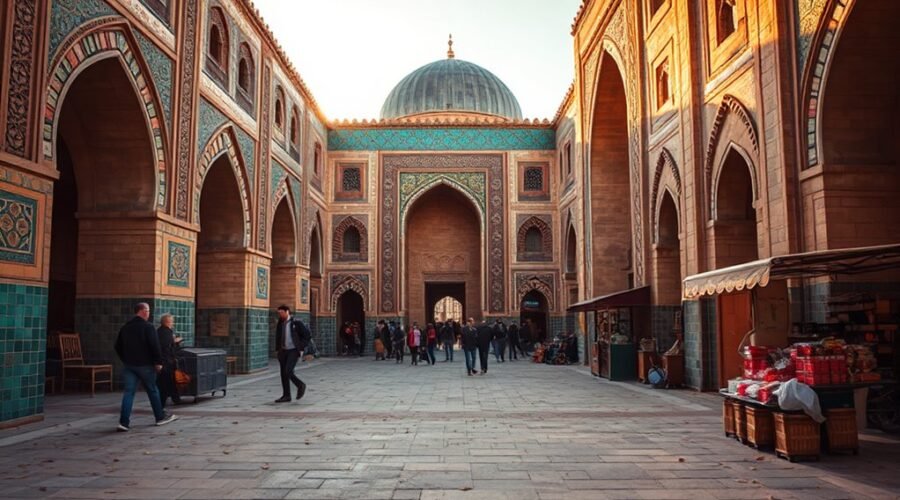
Uzbekistan rewards the well-timed traveler and punishes the unprepared one. You can wander Samarkand’s ancient mosaics in perfect 24°C comfort, or you can sweat through the same streets in 42°C July heat wondering where your enthusiasm went. The season you choose shapes everything — your budget, your experience, and honestly, your memories. Before you book anything, you need to understand what each season actually costs you. Knowing the best time to visit Uzbekistan helps you plan around weather, crowds, and budget.
Also compare: Kuyucak Lavender Village, Isparta.
Uzbekistan’s Climate: Continental Extremes You Need to Know
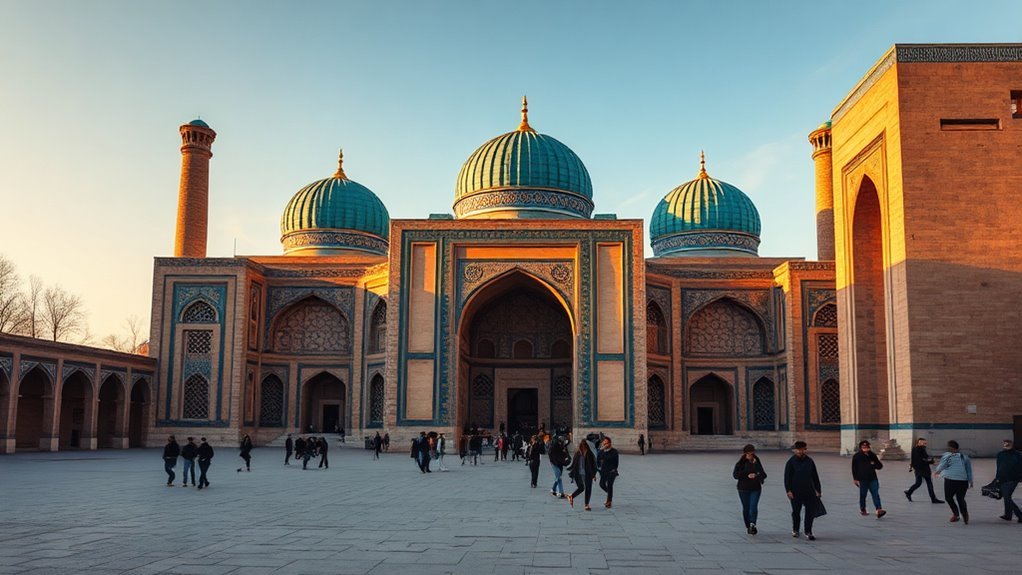
Uzbekistan sits at the heart of Central Asia, where a harsh continental climate means you’ll experience dramatic temperature swings between seasons. Summers blaze past 40°C (104°F) in cities like Samarkand and Bukhara, while winters can plunge below -20°C (-4°F) in northern regions.
These climate variations aren’t just statistics — they directly shape what you can do and how freely you can explore.
Spring and autumn offer the most liberated travel experience, revealing the full range of seasonal activities: hiking through Chimgan’s mountains, wandering ancient Silk Road bazaars without suffocating heat, and cycling between historic monuments comfortably.
Spring and autumn unlock Uzbekistan’s full potential — cool enough to hike, explore bazaars, and cycle freely.
The desert regions surrounding Khiva receive minimal rainfall year-round, creating arid conditions that intensify both summer heat and winter cold. Understanding these extremes lets you strategically choose when to arrive, ensuring you move through this remarkable country on your own terms.
Spring in Uzbekistan: The Best Season for Most Travelers
Spring transforms Uzbekistan into its most welcoming version, with temperatures settling between 20–28°C (68–82°F) from March through May — warm enough to explore comfortably, cool enough to never feel punishing.
The landscapes bloom with wildflowers, apricot trees burst into color, and the ancient cities of Samarkand, Bukhara, and Khiva finally breathe again after winter’s grip.
You’ll find spring festivals like Navruz (March 21) filling streets with music, traditional food, and genuine celebration — not performed for tourists, but lived by locals who invite you in anyway.
These cultural experiences cut deeper than any museum exhibit ever could.
Crowds exist but haven’t peaked yet, so you’re moving freely through UNESCO sites without fighting for space.
Accommodation prices remain reasonable before summer tourism inflates them.
If you want Uzbekistan at its most alive, most beautiful, and most accessible — spring delivers exactly that.
Summer in Uzbekistan: What the Heat Actually Feels Like
Summer in Uzbekistan hits differently than most travelers expect — and not in a pleasant way. July temperatures regularly exceed 40°C (104°F), draining your energy before noon arrives.
That said, summer offers raw, unfiltered cultural experiences if you’re willing to push through.
Here’s what you’re actually dealing with:
- Brutal midday heat forces you indoors from 11 AM to 4 PM — plan sightseeing around early mornings and evenings.
- Local cuisine becomes your sanctuary — cool teahouses serve invigorating fermented drinks, chilled melons, and light salads that locals swear by for surviving the season.
- Fewer crowds mean you’ll explore Samarkand’s Registan almost alone, which feels genuinely liberating.
Summer rewards strategic travelers who embrace the rhythm of the heat rather than fighting it.
Adapt, and you’ll discover an Uzbekistan most tourists never see.
Autumn in Uzbekistan: Warm Days, Fewer Crowds, Lower Prices
Autumn transforms Uzbekistan into the most forgiving version of itself — temperatures drop to a comfortable 20–25°C (68–77°F), the relentless summer crowds thin out, and accommodation prices follow suit.
You’ll find guesthouses and boutique hotels slashing rates by 20–30%, giving your budget real breathing room.
September and October deliver the sweetest conditions. The autumn colors paint Samarkand’s tree-lined avenues and Fergana Valley orchards in amber and gold, creating a visual richness that summer’s bleached heat simply can’t offer.
You’re also moving through spaces that feel genuinely yours — fewer tour groups blocking ancient doorways, shorter queues at Registan Square.
Cultural festivals animate the season, particularly harvest celebrations where locals share pomegranates, figs, and fresh walnuts with visitors.
You’re not just observing — you’re participating. Autumn strips away the tourist machinery and hands you something rarer: authentic connection with a country that rewards the curious traveler.
Why Winter in Uzbekistan Isn’t as Bleak as You’d Think
When you visit Uzbekistan in winter, you’ll find the ancient cities far less crowded, with guesthouses and tours offering noticeably lower prices than peak season.
You can wander through Samarkand’s Registan or Bukhara’s old town without fighting through tourist crowds, giving you a rare, intimate experience of these iconic sites.
Winter also brings its own cultural rewards, as you’ll encounter traditional festivals and local celebrations that most travelers never get to see.
Fewer Crowds, Lower Prices
While winter might conjure images of a frozen, lifeless Uzbekistan, the reality is far more inviting than you’d expect.
You’ll discover a destination that rewards the bold traveler with authentic experiences and significant savings.
Here’s what you gain by visiting in winter:
- Fewer tourists mean you’ll explore Samarkand’s Registan and Bukhara’s ancient streets without crowds blocking your view or your freedom.
- Lower prices on accommodations and tours stretch your budget further, giving you more flexibility to splurge on traditional cuisine and local experiences.
- Genuine cultural immersion through local festivals and community gatherings that emerge when mass tourism disappears.
Winter strips Uzbekistan down to its soul — and that’s exactly where the most meaningful travel happens.
Winter Festivals And Traditions
Beyond the savings and solitude, Uzbekistan’s winter calendar pulses with cultural energy that most travelers never get to witness.
Winter celebrations here aren’t commercialized spectacles — they’re deeply rooted expressions of identity. You’ll encounter local customs tied to Navruz preparations, where families gather to cook hearty dishes passed down through generations.
Traditional cuisine takes center stage during colder months, with slow-simmered plov, warming shorba soup, and freshly baked non bread defining the season’s rhythm.
Festive markets pop up in Tashkent and Samarkand, offering handcrafted goods, dried fruits, and spiced teas that cut through the chill.
These aren’t tourist performances — you’re stepping into living traditions.
Winter strips away the glossy exterior and hands you something far more valuable: authentic Uzbekistan.
Month-by-Month Weather in Samarkand, Bukhara, and Khiva
Each of Uzbekistan’s iconic Silk Road cities—Samarkand, Bukhara, and Khiva—shares a broadly similar continental climate, but knowing how conditions shift month by month helps you plan smarter.
Here’s what you can expect across the calendar:
1. January–March: Temperatures hover near freezing, with occasional snow dusting ancient minarets.
Crowds thin dramatically, costs drop, and you’ll catch intimate local festivals without fighting tour groups.
2. April–June: Spring delivers mild warmth (15–28°C), blooming landscapes, and peak energy.
These months reward travelers seeking vibrant bazaars and comfortable sightseeing—follow these travel tips: book accommodations early and carry layers.
3. July–September: Summer heat in Bukhara and Khiva regularly exceeds 40°C.
Samarkand sits slightly cooler but still punishing. Early mornings are your best strategy.
October through December offers a golden middle ground—crisp air, harvest colors, and fewer visitors.
Each city reveals a different character depending on when you arrive.
How Peak Season Crowds Drive Up Flights, Hotels, and Tour Prices
Timing your trip to Uzbekistan doesn’t just shape your experience—it directly controls what you’ll pay. Understanding seasonal trends gives you real financial leverage.
During peak season—April through June and September through October—demand surges across Samarkand, Bukhara, and Khiva simultaneously. Airlines recognize this travel timing pattern and adjust fares accordingly, sometimes doubling standard rates.
Peak season demand across Uzbekistan’s iconic cities drives airline fares up—sometimes doubling standard rates overnight.
Popular riads and boutique hotels sell out weeks in advance, forcing last-minute travelers into overpriced alternatives. Guided tour packages follow the same upward curve.
Shift your dates strategically and you break that pricing cycle entirely. November and February offer considerably lower flight costs, discounted accommodations, and negotiable tour rates—without sacrificing the destinations themselves.
You’re not bound by peak-season pricing if you plan deliberately. Tracking seasonal trends months ahead lets you secure better value, move freely through iconic sites, and stretch your travel budget further.
Budget or Comfort: What Each Season Costs You in Uzbekistan
When you travel during Uzbekistan’s peak spring and autumn seasons, you’ll pay premium prices for flights, hotels, and guided tours, often stretching your budget by 30–50% compared to quieter months.
If you’re chasing savings, winter’s off-season rates offer the deepest discounts, though you’ll trade comfort for cold temperatures and limited accessibility in some regions.
For the best of both worlds, shoulder months like early March or late October give you reasonable prices without sacrificing the warmth, accessibility, and experience quality that peak season delivers.
Peak Season Price Spikes
Uzbekistan’s tourism calendar directly shapes what you’ll pay for accommodation, tours, and even meals — and the gap between seasons is more dramatic than most travelers expect.
Spring and autumn trigger serious price spikes, so knowing peak season travel tips puts you ahead.
Here’s what surges during peak season:
- Hotel rates jump 40–70% in Samarkand and Bukhara, especially April through May.
- Guided tours for peak season activities like Silk Road excursions often sell out weeks ahead, forcing last-minute premium pricing.
- Restaurants near major monuments quietly inflate menus when crowds arrive.
You can still travel smart — book accommodation two months early, compare independent guides versus agencies, and eat where locals eat.
Freedom isn’t avoiding peak season; it’s entering it prepared.
Off-Season Budget Savings
Traveling off-season — primarily June through August and December through February — slashes your costs markedly, but it trades comfort for savings.
Summer heat pushes temperatures past 40°C, emptying tourist crowds and dropping hotel rates by 30–50%. Budget friendly accommodations become genuinely affordable, with guesthouses in Samarkand and Bukhara offering beds for under $20 nightly.
Winter delivers similar savings — fewer visitors mean negotiable prices everywhere. You’ll explore off season attractions like Khiva’s ancient medinas and Tashkent’s bustling bazaars without fighting crowds, though shorter daylight hours limit sightseeing windows.
Pack strategically for extremes — lightweight breathable fabrics in summer, insulated layers in winter. Your wallet breathes freely, but your body earns every dollar saved. Liberation from tourist-season pricing demands physical resilience in return.
Shoulder Season Sweet Spots
April through May and September through October hand you the rarest combination in Uzbekistan travel — mild temperatures, manageable crowds, and prices that haven’t yet climbed to peak-season peaks.
These windows deliver genuine shoulder season advantages that transform your entire experience.
Here’s what you’re actually gaining:
- Accommodation rates drop 20–35% compared to summer highs, freeing budget for experiences that matter.
- Iconic sites like Registan and Shah-i-Zinda welcome you without suffocating tour groups blocking every shot.
- Transportation remains readily available, with competitive pricing that rewards flexible travelers.
These months create ideal travel experiences precisely because they balance every variable — comfort, cost, and authenticity.
You’re not compromising; you’re choosing smarter. Uzbekistan reveals itself most honestly when it isn’t overwhelmed.
The Best Time to Visit Uzbekistan for Your Travel Style
Whether you’re a history buff, an adventure seeker, or a festival lover, the best time to visit Uzbekistan depends on what you want to get out of your trip.
If cultural experiences are your priority, spring and autumn deliver the richest rewards. You’ll explore ancient Silk Road cities without brutal heat or freezing temperatures slowing you down. Markets overflow with fresh produce, and local cuisine shines brightest when seasonal ingredients peak.
Adventure seekers should target late spring for trekking through the Tian Shan foothills before summer scorches the trails.
Winter suits budget travelers craving solitude and raw, unfiltered access to monuments without tour groups crowding every frame.
Festival lovers thrive in late March during Navruz, Uzbekistan’s vibrant New Year celebration, where music, dance, and communal feasting define the experience.
Whatever drives your wanderlust, aligning your travel style with the right season transforms a good trip into an unforgettable one.
Frequently Asked Questions
Do I Need a Visa to Travel to Uzbekistan as a Tourist?
Depending on your nationality, you’ll find Uzbekistan’s visa requirements surprisingly flexible! Many countries enjoy visa-free access, so check your country’s travel restrictions before booking. You’re just steps away from exploring this liberating destination!
What Currency Is Used in Uzbekistan and Can I Use Cards?
Uzbekistan uses the Uzbekistani Som. You’ll find currency exchange booths widely available, but don’t rely solely on cards — cash remains king. Payment methods via card are accepted in larger hotels and restaurants, so carry both!
Is Uzbekistan a Safe Destination for Solo Female Travelers?
Uzbekistan’s generally safe for solo female travelers! You’ll want to respect cultural etiquette and local customs by dressing modestly. Stay aware of safety concerns, follow smart solo travel tips, and you’ll access an incredibly rewarding, liberating adventure.
What Languages Are Spoken in Uzbekistan Besides Uzbek?
Like a rich tapestry, Uzbekistan’s linguistic landscape blends Russian influence, regional dialects, and cultural diversity. You’ll find Russian widely spoken, while English prevalence grows in cities, helping you navigate this liberating destination with ease.
Are There Direct Flights to Uzbekistan From the United States?
You’ll find limited direct flight options from the US to Uzbekistan, but Uzbekistan Airways does offer some routes. Expect a lengthy flight duration of around 16-20 hours, so embrace the journey toward your liberating adventure!
Conclusion
Choosing when to visit Uzbekistan is like picking the perfect ripeness of a fig—too early or too late, and you’ll miss the sweetness entirely. Spring and autumn are your golden windows, offering temperatures between 20–28°C, thinner crowds, and wallet-friendly prices. You’ll wander Samarkand’s ancient domes without sweating through your shirt or freezing your steps. Know your season, plan your timing, and Uzbekistan will reward you with everything it’s got.