

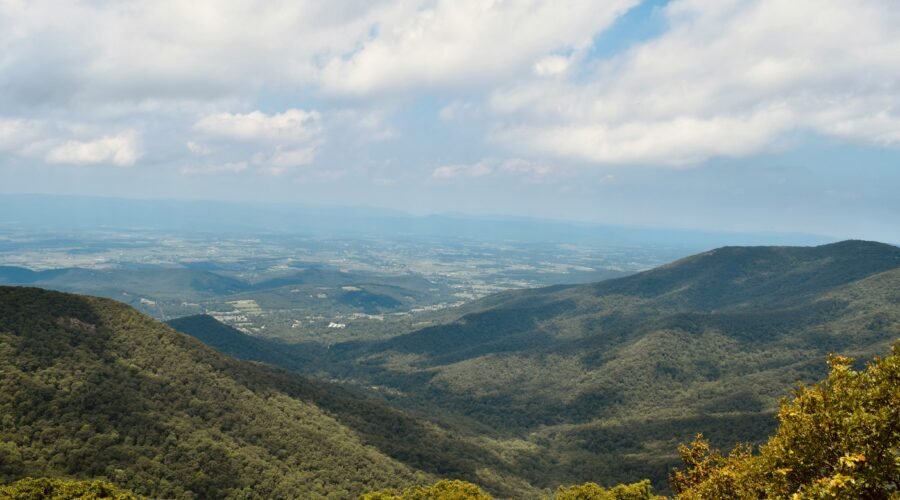
So, you’re thinking about a trip to Virginia, and you’re wondering when to pack your bags for the optimal experience. The quick answer is: it largely depends on what you’re hoping to get out of your visit. There isn’t one single “best” time, as Virginia offers something unique in every season. However, if you’re looking for a sweet spot that balances pleasant weather, manageable crowds, and reasonable costs, late spring (late April to early June) and early fall (mid-September to late October) usually hit the mark for most travelers. These periods generally offer comfortable temperatures, vibrant natural beauty, and a good balance before the peak summer rush or the chill of winter. Let’s dig into the details to help you pick the perfect time for your Virginia adventure.
1. Spring Has Sprung: A Blooming Good Time
Spring in Virginia is generally a delightful experience. The state truly comes alive with blooming Dogwood trees (Virginia’s state flower!), azaleas, and wildflowers. The air is fresh, and the temperatures are usually quite pleasant — not too hot, not too cold.
1.1. Weather’s Warm-Up Act
- March: This month can be a bit of a gamble. You might get some surprisingly warm, sunny days, or you could still experience a late winter chill, even a dusting of snow in some higher elevations. Average temperatures for Richmond hover around the low 50s. It’s a transitional month.
- April: This is where things start to consistently improve. Temperatures climb into the 60s, and you’ll see plenty of sunshine mixed with some characteristic April showers. It’s perfect for outdoor activities without the oppressive heat of summer. Expect average highs in the mid-60s to low 70s across much of the state.
- May: Arguably one of the best weather months. Temperatures are comfortably warm, often reaching the high 60s and 70s, with plenty of sunshine. Humidity is generally low, making for very comfortable exploration. This is prime time.
- Early June: The tail end of spring often extends into early June before the full heat and humidity of summer set in. You can still enjoy warm, sunny days with slightly less humidity than mid-summer, averaging in the high 70s.
1.2. Crowds: Before the Summer Surge
- Early Spring (March-April): Crowds are generally moderate. You’ll see more locals out and about, especially as the weather improves. Popular historical sites and national parks will have visitors, but usually not to the same degree as summer. Spring break for various schools can create mini-spikes, but these are localized.
- Late Spring (May-Early June): This period sees an increase in tourists, especially around major holidays like Memorial Day. However, it’s still often less congested than the peak summer months. You might encounter school groups on field trips to historical places like Colonial Williamsburg or Monticello, but major attractions are usually manageable.
1.3. Costs & Deals
- March-April: Often more budget-friendly. Accommodation prices are typically lower than peak season, and you might find good flight deals if you book in advance. Many attractions may still be operating on shoulder-season hours, so check their schedules.
- May-Early June: Prices start to climb as the weather gets better and demand increases. While not as expensive as mid-summer, you’ll definitely see an uptick in hotel rates, especially in popular tourist areas. Booking ahead becomes more important if you’re looking for specific accommodations or better rates. Events and festivals also start to pick up, so factor that into your potential spending.
If you’re planning a trip to Virginia and want to make the most of your visit, you might also find our article on the Best Time to Visit Virginia: Weather, Crowds, and Costs particularly helpful. This resource provides insights into the ideal seasons for travel, taking into account factors such as climate, tourist traffic, and budget considerations, ensuring you can enjoy all that Virginia has to offer without the hassle of large crowds or unexpected expenses.
2. Summer’s Embrace: Beach Days & History Heat
Summer in Virginia is classic vacation time, especially for families. It’s when the beaches are bustling, and historical sites are fully operational with extended hours. However, it also comes with increased heat, humidity, and peak season crowds and prices.
2.1. Hot and Humid Weather
- Mid-June through August: Expect heat and humidity to be the defining characteristics. Average daytime temperatures across the state often reach the high 80s, and it’s not uncommon for them to climb into the 90s, especially inland. The coastal areas can be slightly milder due to ocean breezes but still very warm and humid.
- Thunderstorms: Summer afternoons often bring pop-up thunderstorms, which can be intense but usually short-lived, offering a temporary reprieve from the heat.
- Ocean Temperatures: If you’re heading to Virginia Beach or the Outer Banks (just a short drive south into North Carolina), the ocean temperatures are comfortably warm for swimming, typically in the high 70s.
2.2. Peak Crowds & Buzz
- Heavy Traffic: This is the busiest time of year. Coastal areas like Virginia Beach and the Outer Banks are packed, and expect traffic delays, especially on weekends and around major highways leading to these destinations.
- Full Parks & Attractions: National Parks (Shenandoah, Great Falls) and major historical sites (Colonial Williamsburg, Monticello, Mount Vernon) will be at their busiest. Expect longer lines, fuller parking lots, and the need to book tours or tickets well in advance.
- Family Rush: With schools out, many families choose summer for their vacations, meaning you’ll see a lot of children and family-oriented activities in full swing.
2.3. Top Dollar for Your Trip
- Highest Prices: Summer is unequivocally the most expensive time to visit Virginia. Accommodation rates, especially at the beaches or near popular attractions, will be at their peak. Rental cars can also see higher prices.
- Book Ahead: If you plan to travel during the summer, it’s crucial to book everything – flights, hotels, and popular tours – as far in advance as possible. Last-minute deals are rare during this season.
- Special Events: While costs are high, summer also offers the most extensive range of festivals, outdoor concerts, and special events, many of which can add to your overall spending.
3. Fall Foliage & Festival Fun: A Scenic Delight
Many consider fall to be the absolute prime time to visit Virginia, and for good reason. The weather is fantastic, the fall foliage is spectacular, and there’s a vibrant atmosphere with numerous harvest festivals and events.
3.1. Blissful Temperatures, Stunning Colors
- September: Early September can still feel a bit like summer, especially in the first couple of weeks, with temperatures averaging in the high 70s. As the month progresses, it cools down nicely, with crisp mornings and comfortable afternoons, typically in the 60s and 70s.
- October: This is peak fall foliage month, and the weather is generally ideal. Expect daytime temperatures in the 50s and 60s, with cool, refreshing evenings. It’s perfect sweater weather for exploring.
- November: Temperatures continue to drop, with averages in the 40s and 50s. While early November can still feature some lingering beautiful foliage, by mid-month, most leaves will have fallen. It marks the transition towards winter, and you’ll find fewer crowds compared to October.
3.2. Crowds: A Mix of Moderate to Busy
- September: Crowds start to dwindle after the summer rush, especially after Labor Day. However, weekends, especially if there are local festivals, can still be busy.
- October: Peak fall foliage can draw significant crowds, particularly to areas like Shenandoah National Park and the Blue Ridge Parkway. Expect popular overlooks and hiking trails to be busy, especially on sunny weekends. Historical sites will also see a good number of visitors, but usually less overwhelming than summer.
- November: Crowds thin out considerably, especially after the first week or two. You may have historical sites or trails largely to yourself, making for a more contemplative experience. Thanksgiving week, however, can see a bump in travel, particularly for family visits.
3.3. Costs & Value
- September: Generally offers good value. Prices for accommodations are usually lower than summer peak rates, gradually decreasing as the month progresses.
- October: Can be a bit pricier due to the high demand for fall foliage viewing. Hotels and rentals in popular areas like the Shenandoah Valley might increase their rates, especially on weekends. It’s advisable to book ahead if you have specific dates or locations in mind.
- November: Often a more budget-friendly option, especially outside of Thanksgiving week. Many hotels offer shoulder-season rates, and you’ll find better deals on flights and attractions.
4. Winter’s Chill: Cozier & Quicker Visits
Winter in Virginia (December to February) brings colder temperatures, and in some areas, snow. While it’s not typically a peak tourist season, it offers a different kind of charm, with fewer crowds and a more intimate experience, especially around the holidays.
4.1. Cold Weather & Potential Snow
- December: Temperatures average in the 30s and 40s during the day. Snow is possible, especially in the western and northern parts of the state, but it’s often light and doesn’t last long, particularly in the coastal plain. Holiday events add a festive feel.
- January: Usually the coldest month, with average daytime temperatures in the 30s. Snow and ice are more likely, which can sometimes impact travel, especially on back roads or in mountainous regions.
- February: Still cold, with similar temperatures to January, but the days begin to lengthen, and there’s a hint of spring in the air towards the end of the month. Snow is still a possibility.
- Coastal vs. Inland: Coastal Virginia experiences milder winters with less snow than the more inland and mountainous regions. The Blue Ridge Mountains regularly receive snow, making for good, albeit small, ski areas.
4.2. Low Crowds, Festive Spirit
- Smallest Crowds: Generally, winter sees the lowest tourist numbers, outside of the holiday season. You’ll find popular attractions much less crowded, allowing for a more relaxed and personal visit.
- Holiday Season (Late November-December): The period from Thanksgiving through New Year’s is an exception. Many historical sites and towns (like Colonial Williamsburg, Richmond, and Alexandria) offer special holiday programming, decorations, and events, which can attract significant crowds, especially on weekends.
- Ski Season: If you’re interested in skiing or snowboarding, the small resorts in Virginia’s mountains (like Massanutten or Wintergreen) will see their peak crowds when conditions are good.
4.3. Budget-Friendly (Mostly)
- Lowest Prices: Outside of the holiday weeks, winter is usually the most budget-friendly time to visit. Hotels, flights, and even some attraction tickets often come with off-season discounts.
- Holiday Premiums: Expect prices to increase for the specific weeks around Thanksgiving, Christmas, and New Year’s, especially for accommodations in popular holiday-themed destinations. Booking in advance is recommended for these periods.
- Dining Deals: Some restaurants might offer special winter menus or promotions to attract locals during the slower season.
If you’re planning a trip to Virginia, you might also find it helpful to read about the various travel options available in the state. For more insights, check out this informative article about travel tips and recommendations at Lele Tours. Understanding the best time to visit Virginia can enhance your experience, ensuring you enjoy the weather, avoid large crowds, and manage your costs effectively.
5. Considering Your Activity: Tailoring Your Virginia Trip
Beyond general weather and crowd considerations, the best time to visit Virginia also heavily depends on the specific activities you have in mind.
5.1. For Beach Enthusiasts
- Best Time: Mid-June to early September.
- Why: Ocean temperatures are warm enough for swimming, lifeguards are on duty, and all beach amenities, restaurants, and entertainment are in full swing.
- Consideration: This is peak season, so expect crowds, higher prices, and difficulty finding parking. If you prefer quieter beach days, late May/early June or early to mid-September offers still-pleasant weather and fewer people, though ocean temperatures might be cooler.
5.2. For History Buffs & Colonial Explorers
- Best Time: Late April-May and late September-October.
- Why: Comfortable temperatures for walking around extensive outdoor historical sites like Colonial Williamsburg, Monticello, and Mount Vernon. Fewer school groups than early spring, and less oppressive heat than summer.
- Consideration: Summer means longer hours for some attractions, but the heat can be draining. Winter can be beautiful with holiday decorations but also cold, and some outdoor demonstrations might be curtailed.
5.3. For Hiking & Outdoor Adventures (Shenandoah, Blue Ridge)
- Best Time: May-Early June and late September-October.
- Why:
- Spring: Wildflowers are blooming, and the trees are leafing out. Temperatures are ideal for strenuous hikes without overheating.
- Fall: Famous for its stunning fall foliage, making for incredibly scenic drives along Skyline Drive and the Blue Ridge Parkway, and vibrant hikes. Temperatures are crisp and perfect for outdoor exertion.
- Consideration: Summer can be very hot and humid, and insect populations are higher. Winter offers stark beauty and solitude but requires proper gear for colder temperatures and potential snow/ice on trails. Views can be excellent without leaves obstructing them.
5.4. For Wine & Brewery Tours
- Best Time: Spring (April-May) and Fall (September-October).
- Why:
- Spring: Vineyards are awakening, greening up, and often have special events. Comfortable weather for sitting outdoors on patios.
- Fall: Harvest season! Many wineries celebrate with festivals, and the surrounding scenery with fall foliage is breathtaking.
- Consideration: Summer can still be good, but the heat might make outdoor tastings less enjoyable. Winter offers a quieter experience, often with cozy indoor settings, but the vineyard views might be less vibrant.
5.5. For Festivals & Events
- Best Time: Summer and Fall.
- Why: Virginia’s event calendar truly explodes after spring.
- Summer: Music festivals, seafood festivals, hometown fairs, and outdoor concerts are abundant.
- Fall: Famous for harvest festivals, apple picking, pumpkin patches, Halloween events, and plenty of craft fairs.
- Consideration: These events often draw large crowds, impacting local traffic and accommodation availability. Always check specific event dates well in advance.
The Bottom Line
Ultimately, the “best” time to visit Virginia is a personal choice based on your priorities.
- For the best all-around experience with pleasant weather and manageable crowds/costs: Aim for late spring (late April to early June) or early fall (mid-September to late October).
- For beach lovers and peak family fun (and don’t mind the heat, crowds, or cost): Summer (July-August) is your go-to.
- For budget travelers, holiday cheer, or winter sports: Winter (December-February) could be surprisingly rewarding, especially if you avoid peak holiday weeks.
No matter when you go, Virginia has a lot to offer. Just be sure to do a little research on specific events or attractions you’re keen on, and factor in the seasonal changes so you can pack appropriately and make the most of your trip!
FAQs
1. What is the best time to visit Virginia in terms of weather?
The best time to visit Virginia in terms of weather is during the spring (April to June) and fall (September to November) when the temperatures are mild and the humidity is lower.
2. When is the peak tourist season in Virginia?
The peak tourist season in Virginia is during the summer months (June to August) when the weather is warm and schools are on break. This is when the crowds are at their highest and attractions may be more crowded.
3. When is the off-peak season in Virginia?
The off-peak season in Virginia is during the winter months (December to February) when the temperatures are colder and there are fewer tourists. This is a good time to visit if you prefer less crowded attractions and lower hotel rates.
4. What are the average costs of visiting Virginia during the peak season?
During the peak season, the costs of visiting Virginia, including hotel rates and attraction prices, tend to be higher due to the increased demand. It’s advisable to book accommodations and activities in advance to secure better rates.
5. Are there any specific events or festivals that are worth considering when planning a trip to Virginia?
Virginia hosts several events and festivals throughout the year, such as the Shenandoah Apple Blossom Festival in the spring and the Virginia State Fair in the fall. These events can add to the overall experience of visiting Virginia and may influence the best time to plan a trip.
[…] comparing how weather, crowds and costs change in other destinations, you can also read Best Time to Visit Virginia: Weather, Crowds, and Costs and this guide to when to visit Helen, […]