

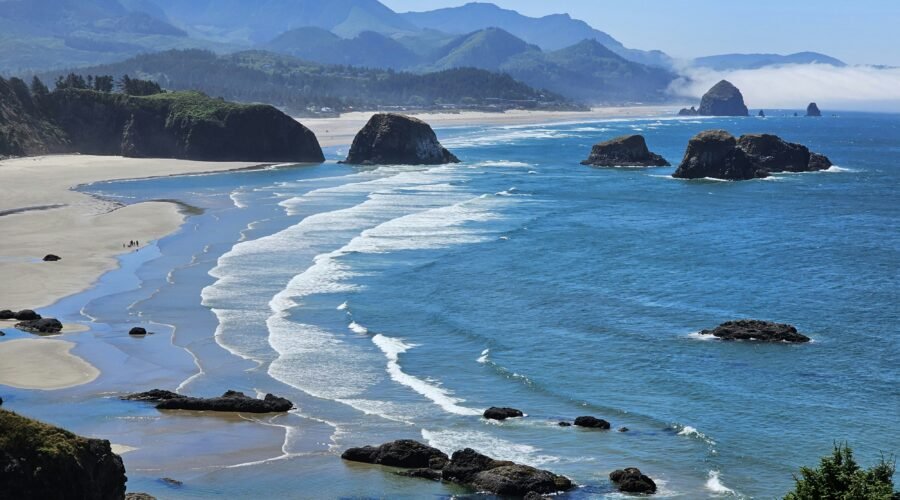
When you’re planning a trip to a place as diverse as Oregon, knowing the “best time” to visit isn’t a simple answer – it really depends on what you’re hoping to do and what kind of experience you’re after. Generally speaking, late spring (May-June) and early fall (September-October) offer the sweet spot for many travelers, balancing pleasant weather with fewer crowds and often more reasonable prices than the peak summer months. However, every season in Oregon has its unique charm and drawbacks, which we’ll explore in detail below.
Spring in Oregon is a vibrant, transformative period. The landscape bursts back to life, but it’s also a season of unpredictable weather.
1.1 Weather: Unpredictable but Beautiful
- March: You’re still looking at a mix of winter and spring. Expect quite a bit of rain, especially in Western Oregon (Portland, coastal areas). Snow can still fall in the Cascades and Eastern Oregon. Temperatures typically range from the mid-40s to low 50s Fahrenheit. Don’t be surprised by a sudden sunny day followed by an afternoon shower. It’s a great time for spotting early wildflowers.
- April: The rains begin to lessen, and sunny days become more frequent, though showers are still common. Temperatures generally climb into the 50s and low 60s. This is when the cherry blossoms in Portland become spectacular, and the valleys start to green up substantially. The coast can be blustery but also offers dramatic storm-watching opportunities.
- May: Arguably one of the best months. The weather becomes much more consistent and pleasant, with fewer rainy days and warmer temperatures (low to mid-60s, sometimes hitting 70). Wildflowers are in full bloom across the state, from the Columbia River Gorge to the high desert. Snow is still present at higher elevations in the mountains, but many lower-elevation hiking trails open up.
1.2 Crowds: Before the Rush
- Generally Moderate: Spring is a fantastic shoulder season when it comes to crowds. You’ll encounter fewer people than in summer, especially in March and April. Popular spots like the Oregon Coast and Crater Lake National Park will be less congested, though weekends can still see local visitors.
- May’s Popularity: By late May, particularly Memorial Day weekend, things start to pick up, especially in popular destinations. If you’re looking for solitude, aim for early to mid-spring.
1.3 Costs: More Budget-Friendly
- Accommodation: Lodging rates are generally lower than summer peak rates, particularly in March and April. You can often find good deals on hotels, B&Bs, and vacation rentals.
- Flights: Airfares typically haven’t reached their peak yet, making spring a more affordable time to fly into Oregon. Book ahead for the best deals, especially if traveling during Easter or Memorial Day.
- Activities: Many outdoor activities are free or low-cost (hiking, scenic drives). Tours might be at shoulder-season rates, offering good value.
If you’re planning a trip to Oregon and want to make the most of your visit, you might find it helpful to read about the best times to explore the state’s stunning landscapes and vibrant cities. For more insights on travel tips and recommendations, check out this related article on our team at Lele Tours, where you can learn more about our travel experts and their favorite destinations in Oregon.
2. Summer (June – August): Peak Season Glory (and Crowds)
Summer is when Oregon truly shines, offering abundant sunshine and long days, making it ideal for outdoor adventures. However, prepare for company.
2.1 Weather: Sunny and Warm
- June: The weather firmly transitions to summer. Expect warm, dry days, especially in Western Oregon, with temperatures frequently in the 70s. The occasional “June gloom” (overcast mornings) can happen, especially on the coast, but it usually burns off. Mountain passes are typically clear of snow, opening up high-elevation hiking.
- July: The driest and warmest month. Temperatures often reach the 80s and sometimes even 90s, particularly inland. Humidity is generally low, making the heat more bearable. This is prime time for all outdoor activities – swimming, hiking, camping, and exploring. Eastern Oregon can get very hot.
- August: Similar to July, with consistently warm and sunny weather. Temperatures remain high. Towards the end of the month, you might start to notice a slight cooling in the evenings, hinting at autumn. This is also the peak of wildfire season, so keep an eye on air quality, especially inland.
2.2 Crowds: Bustling Everywhere
- High Season Everywhere: Summer is unequivocally the busiest time in Oregon. Popular spots like the Oregon Coast (Cannon Beach, Pacific City), Crater Lake National Park, the Columbia River Gorge waterfalls, and downtown Portland can be packed.
- Booking Essential: If you plan to visit during summer, book accommodations, popular tours, and even some restaurant reservations well in advance (think months ahead for popular spots). Campgrounds also fill up very quickly. Expect lines and fuller parking lots at major attractions.
2.3 Costs: Premium Pricing
- Accommodation: This is when lodging prices are at their highest. Expect to pay premium rates for hotels, vacation rentals, and even some campgrounds. Demand significantly outstrips supply in popular areas.
- Flights: Airfares to Oregon also peak during the summer months. Booking as far in advance as possible is crucial to mitigate costs.
- Activities: While many outdoor activities are still free or inexpensive, popular boat tours, guided excursions, and rentals (kayaks, paddleboards) will be at their peak seasonal pricing.
3. Fall (September – November): Golden Hues and Lingering Warmth

Fall is another shoulder season gem, often favored by locals for its stunning colors and more relaxed atmosphere after the summer rush.
3.1 Weather: Crisp and Colorful
- September: Often feels like an extension of summer, especially the first half. Days are still warm and sunny, often in the comfortable 70s, but evenings start to cool down significantly. Rainfall is minimal but begins to increase towards the end of the month. Fall foliage starts to emerge in the higher elevations and Eastern Oregon.
- October: A truly spectacular month for fall colors. Days are crisp, and temperatures typically range from the 50s to low 60s. Rainfall becomes more consistent, especially in Western Oregon, but there are still plenty of sunny, clear days perfect for leaf-peeping. Snow can begin to fall at higher elevations in the Cascades.
- November: The true start of Oregon’s rainy season for the western part of the state. Expect more frequent and heavier rainfall. Temperatures dip into the 40s and low 50s. While some might find it gloomy, it’s also a great time for cozy indoor activities, storm watching on the coast, or heading to the mountains for early season skiing/snowboarding. Foliage is usually gone by mid-month.
3.2 Crowds: A Quieter Charm
- Post-Summer Dip: September brings a noticeable drop in crowds, especially after Labor Day. Many families are back to school, making attractions less congested.
- October’s Allure: While still quieter than summer, October attracts visitors specifically for fall foliage, especially to places like the Columbia River Gorge and wine country. Weekends can still be busy in these specific areas.
- November’s Solitude: By November, crowds thin out significantly everywhere except possibly for early season ski resorts. This is the time for genuine solitude in many of Oregon’s natural areas.
3.3 Costs: Great Value
- Accommodation: Another excellent time for budget-conscious travelers. Lodging rates decrease significantly from summer peaks, especially in October and November. You can find some fantastic deals.
- Flights: Airfares also drop after the summer rush, offering good opportunities for more affordable travel.
- Activities: Many tours and activities will be at shoulder-season pricing, and some might even offer end-of-season discounts.
4. Winter (December – February): A Season of Snow and Storms

Winter in Oregon is divided between snow-laden mountains and a rainy, mild western valley/coast. Each offers a different kind of adventure.
4.1 Weather: Varied and Dramatic
- December: Western Oregon is wet and mild, with temperatures in the 40s. The Cascades and Eastern Oregon are blanketed in snow, with temperatures often below freezing. This is prime time for skiing and snowboarding. The coast is dramatic, with powerful waves and stormy skies.
- January: Typically the coldest month. Western Oregon continues with rain and fog, while the mountains receive heavy snowfall. Temperatures are generally in the low 40s in the west, and well below freezing in the mountains.
- February: Similar to January, but with slightly longer daylight hours and the first subtle hints of spring starting to emerge by the end of the month. Still cold and wet in the west, still snowy in the mountains.
4.2 Crowds: Niche Appeal
- Ski Season Focus: Crowds are heavily concentrated in ski resorts (Mount Hood, Bachelor), especially on weekends and during holiday periods (Christmas, New Year’s, President’s Day).
- Western Oregon is Quiet: Major attractions in Western Oregon (coast, Portland, Gorge waterfalls) are much less crowded, offering a peaceful experience. You’ll often have scenic spots largely to yourself.
- Whale Watching: The coast sees a particular influx of visitors for winter whale watching (gray whale migration) from mid-December to mid-January.
4.3 Costs: Mix of Deals and Peaks
- Accommodation: Lodging in Western Oregon and the coast is typically at its lowest during winter, offering excellent deals. However, accommodation prices around ski resorts will be at their peak during ski season, especially on weekends and holidays.
- Flights: Airfares are generally lower during winter, except for the holiday travel period around Christmas and New Year’s.
- Activities: Skiing and snowboarding comes with lift ticket costs, which can be significant. Other activities like storm watching or exploring cities are largely free or low cost. Whale watching tours will have their specific fees.
If you’re planning a trip to Oregon, you might find it helpful to read about the best time to visit the state, taking into account factors like weather, crowds, and costs. For more insights on travel planning, check out this informative article on travel tips that can enhance your experience and help you make the most of your journey.
5. Month-by-Month Snapshot: Tailoring Your Trip
| Month | Weather | Crowds | Costs |
|---|---|---|---|
| June-August | Warm and dry | High | High |
| September-October | Mild and pleasant | Moderate | Moderate |
| November-May | Cool and wet | Low | Low |
Let’s break it down month by month for a quicker overview of what you can expect.
5.1 January: Snow Sports & Solitude
- Pros: Skiing/snowboarding, lowest crowds in Western Oregon, storm watching on the coast, lowest prices for city/coastal lodging.
- Cons: Cold, very wet in Western Oregon, limited hiking, some mountain roads closed.
5.2 February: Winter’s End & Early Awakenings
- Pros: Continued snow sports, slightly longer days, lowest crowds (except ski areas), very low prices for non-ski lodging.
- Cons: Still very wet in the west, cold, limited outdoor activities in some areas.
5.3 March: Wildflowers & Weather Roulette
- Pros: First hints of spring, early wildflowers, fewer crowds, better prices than summer, good for storm watching.
- Cons: Highly unpredictable weather (rain, some snow), still cold.
5.4 April: Greenery & Cherry Blossoms
- Pros: Beautiful bloom of spring flowers, cherry blossoms, increasing number of sunny days, moderate crowds, good value.
- Cons: Still plenty of rain, higher elevation trails may still be muddy or snow-covered.
5.5 May: Glorious Spring & Opening Trails
- Pros: Fantastic weather, wildflowers galore, most hiking trails open (lower elevation), moderate crowds, good prices before summer.
- Cons: Mountain passes may still have snow; some popular spots start getting busier towards the end of the month.
5.6 June: Summer Begins & Mountain Access
- Pros: Excellent weather, longer days, all mountain roads and trails generally open, beautiful coast.
- Cons: Start of higher prices, crowds beginning to build, especially on weekends.
5.7 July: Peak Summer & Outdoor Adventures
- Pros: Warmest and driest month, ideal for all outdoor activities, long daylight hours.
- Cons: Highest prices, busiest crowds everywhere, potential for very hot weather inland, wildfire risk.
5.8 August: Continued Sunshine & Festival Season
- Pros: Consistently warm and sunny, ideal for water sports, many festivals and events.
- Cons: Still peak crowds and prices, lingering wildfire risk, inland can be very hot.
5.9 September: Golden Fall & Reduced Crowds
- Pros: Often an extension of summer, beautiful fall colors emerge, significantly fewer crowds after Labor Day, good prices.
- Cons: Shorter daylight hours, rainfall starts to increase towards the end of the month.
5.10 October: Fall Foliage & Crisp Air
- Pros: Breathtaking fall colors, crisp weather perfect for hiking, great prices, moderate crowds (focused on foliage areas).
- Cons: Rain becomes more consistent, some higher elevation services may close for the season.
5.11 November: Rainy Season & Cozy Escapes
- Pros: Very low crowds, excellent deals on lodging, dramatic storm watching, early ski season in mountains.
- Cons: Very wet in Western Oregon, shorter dark days, some attractions may have limited hours.
5.12 December: Holiday Spirit & Winter Wonderland
- Pros: Festive atmosphere, great for winter sports, whale watching on the coast, quiet in Western Oregon (except holidays).
- Cons: Cold, very wet in Western Oregon, significant crowds and high prices around ski resorts and holidays.
Ultimately, the best time to visit Oregon is when its offerings align with your personal travel priorities. Whether you crave sun, snow, solitude, or a bustling atmosphere, Oregon delivers throughout the year. Just remember to pack appropriately for its famously varied and quickly changing weather!
FAQs
1. What is the best time to visit Oregon in terms of weather?
The best time to visit Oregon in terms of weather is during the summer months, from June to August, when the weather is generally warm and dry.
2. When is the peak tourist season in Oregon?
The peak tourist season in Oregon is during the summer months, from June to August, when the weather is most favorable and many outdoor activities and events are available.
3. When is the off-peak season in Oregon?
The off-peak season in Oregon is during the winter months, from December to February, when the weather is colder and wetter, and many outdoor activities are limited.
4. When can visitors find the best deals and lower costs in Oregon?
Visitors can find the best deals and lower costs in Oregon during the off-peak season, particularly in the winter months, when accommodations and attractions may offer discounted rates.
5. What are some popular events and festivals in Oregon throughout the year?
Some popular events and festivals in Oregon throughout the year include the Oregon Shakespeare Festival in Ashland, the Portland Rose Festival, and the Oregon State Fair in Salem.
[…] you’re comparing different destinations by season, this guide to the best time to visit Oregon also covers weather, crowds, and travel […]