

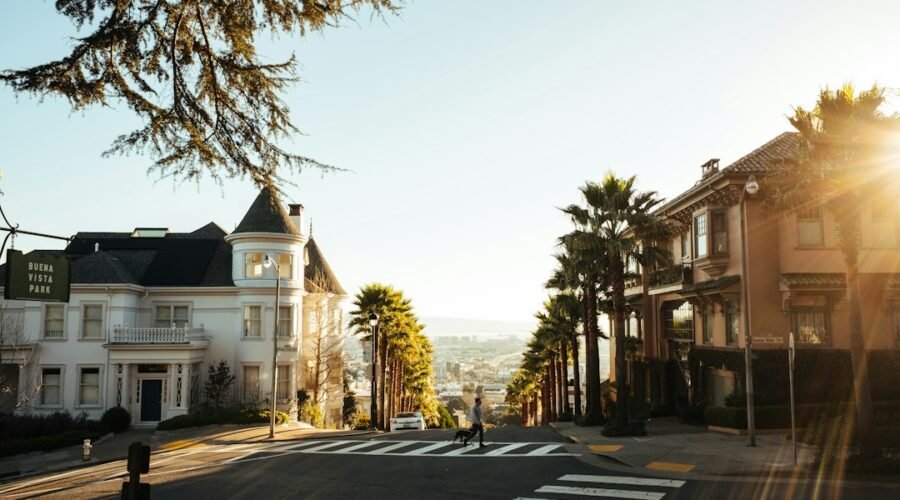
The best time to visit Salem, Oregon depends on whether you care most about dry weather, smaller crowds, wine-country experiences, or lower travel demand. For the best overall balance, May through June and September through early October are strong choices. July and August are warmer and much drier, while late fall and winter are cooler, wetter, and usually quieter.
Quick Answer
For most travelers, the best time to visit Salem, Oregon is May through June or September through early October. These periods balance comfortable weather with fewer peak-summer pressures. Choose July or August for the driest conditions, fall for wine harvest and color, or winter for a quieter, rainier visit.
Key Takeaways
- Best overall balance: May–June and September–early October.
- Best for warm, dry weather: July and August, when Salem normally receives very little rain.
- Best for wine lovers: Early fall for harvest energy or winter cellar season for a slower tasting-room experience.
- Best chance of a quieter trip: Late fall through winter, outside holidays and major events.
- Important summer trade-off: Heat and wildfire smoke can occasionally affect outdoor plans and driving conditions.
Best Time to Visit Salem, Oregon at a Glance
| Period | Typical Conditions | Best For | Main Trade-Off |
| March–April | Cool to mild, with frequent showers | Spring flowers, quieter sightseeing | Unpredictable rain |
| May–June | Milder and progressively drier | Best overall balance, parks, wineries | Some showers remain possible |
| July–August | Warmest and driest part of the year | Outdoor activities, patios, festivals | Heat, event demand, possible wildfire smoke |
| September–early October | Warm to mild, with rain increasing later | Wine harvest, fall color, events | Popular event and harvest weekends |
| Late October–November | Cooler and increasingly wet | Fall atmosphere, fewer outdoor crowds | Shorter, wetter days |
| December–February | Cool and rainy | Museums, cellar season, quieter travel | Frequent rain and limited daylight |
These patterns are based on long-term climate averages rather than a forecast. Salem can still have unusually hot, cold, wet, or smoky periods, so check the forecast shortly before your trip.
1. Spring in Salem: March Through May
Spring is Salem’s transition from the wet season toward the much drier summer. Flowers and trees wake up across the city, temperatures rise steadily, and outdoor plans become easier as May approaches.
1.1 Spring Weather: Mild but Changeable
According to National Weather Service climate data for Salem, normal March temperatures are roughly 57°F for the daytime high and 38°F for the low. By May, normal highs reach about 69°F and lows about 46°F.
Rain also decreases through the season. Salem normally receives about 4.35 inches of precipitation in March, 3.12 inches in April, and 2.25 inches in May. That makes late spring much easier for flexible outdoor sightseeing than early spring.
Pack layers rather than relying on one heavy coat. A waterproof shell, light sweater or fleece, comfortable walking shoes, and a few warm-weather pieces cover most spring situations.
1.2 Spring Crowds: Before Peak-Summer Demand
Spring can be a comfortable time to explore attractions such as the Oregon State Capitol, Riverfront Park, Deepwood Museum & Gardens, Bush’s Pasture Park, and the Willamette Heritage Center. Visitor levels still vary by weekend, school schedule, convention, and special event, so there is no official citywide “low season” calendar.
If you prefer a quieter trip, weekdays in April and May are often a better bet than sunny holiday weekends.
1.3 Spring Costs: Often a Useful Middle Ground
Spring can offer a useful compromise between weather and travel demand, especially before summer vacation season begins. However, hotel rates, airfares, and rental-car prices can change significantly by date. Rather than assuming spring will always be cheaper, compare the exact weekends you are considering.
Portland International Airport is the major airport many out-of-area travelers use for the Salem region, so airfare trends may reflect Portland-area demand as much as Salem itself.
1.4 Spring Highlights
- Blooming gardens: Rhododendrons, tulips, flowering trees, and other spring plants add color around Salem. Deepwood Museum & Gardens and city parks are especially appealing during mild weather.
- Willamette Valley wine country: Spring brings fresh vineyard growth and comfortable touring weather. Do not assume wineries are only reopening for the year, though; many tasting rooms operate through winter as well.
- Outdoor activities: Walking, cycling, and easier hikes become more appealing as trails dry, although muddy conditions can linger after rain.
- Flexible sightseeing: Cooler temperatures make it comfortable to combine indoor attractions with parks and downtown walks.
Pro Tip: If you want the benefits of spring without as much rain, target the second half of May. It is not guaranteed to be dry, but long-term averages show a clear decline in rainfall as spring progresses.
2. Summer in Salem: June Through August
Summer gives Salem its warmest and driest weather of the year. It is an excellent season for parks, outdoor dining, wine-country drives, biking, and evening events, but popular weekends can bring stronger lodging demand.
2.1 Summer Weather: Warm and Dry
Normal daytime highs rise from about 75°F in June to roughly 84°F in July and August. Normal overnight lows are near 51°F in June and around 55°F in July and August.
Summer is dramatically drier than winter. Salem’s 1991–2020 normal precipitation is about 1.25 inches in June, 0.25 inch in July, and 0.39 inch in August. That is why July and August are usually the safest choices if dry weather is your top priority.
Hotter spells are still possible, so check the forecast instead of assuming every summer day will stay in the low 80s.
Warning: Wildfire smoke can affect parts of Oregon during summer and early fall. Oregon officials warned in 2026 that smoke can reduce visibility, worsen air quality, and contribute to road closures or detours. Check forecasts, air quality, and road conditions before long outdoor days or regional drives.
2.2 Summer Crowds: Busier Around Events and Weekends
Summer weekends generally create more competition for popular restaurants, lodging, parks, and winery appointments than quiet winter weekdays. However, Salem does not publish a simple official monthly crowd index, so avoid treating every summer date as equally busy.
Event weekends matter more than the season label alone. If you are planning a winery tasting, special dinner, or limited-capacity attraction, advance reservations are sensible.
2.3 Summer Costs: Compare Event Dates Carefully
Higher summer demand can push up lodging, airfare, and rental-car prices, but there is no guarantee that every summer date will be the most expensive of the year. Prices can jump around major events and fall sharply on other dates.
The Oregon State Fair runs from August 28 through September 7 in 2026. Visitors traveling around the fair should compare lodging early because the event crosses the end of August and the beginning of September.
2.4 Summer Highlights
- Outdoor events and markets: Warm, dry weather supports concerts, markets, community events, and outdoor dining. Check the current calendar because annual dates can shift.
- Oregon State Fair: The fair begins in late August and includes rides, exhibits, agricultural competitions, food, and entertainment. In 2026 it runs August 28–September 7.
- Riverfront Park: Summer is a good time for the riverfront paths, Salem’s Riverfront Carousel, the seasonal splash area, and connections toward nearby walking and cycling routes.
- Wine tasting: Long, dry days suit winery patios and scenic drives through the Willamette Valley.
- Hiking and biking: Trails are generally at their driest, although heat and smoke conditions should be checked before strenuous outings.
Note: The Salem Art Fair & Festival should not be treated as a fixed mid-July event. In 2026, the official dates are September 11–13.
3. Fall in Salem: September Through November
Fall is one of Salem’s most appealing seasons because September often keeps some summer warmth while October brings cooler days, harvest activity, and changing leaves. November marks a clear return to the wetter part of the year.
3.1 Fall Weather: Warm Start, Wetter Finish
September remains relatively warm, with normal highs around 78°F and lows around 51°F. Normal precipitation is about 1.46 inches.
October cools to an average high near 65°F and low near 44°F, while normal precipitation rises to about 3.47 inches. By November, the normal high is around 54°F, the low about 39°F, and precipitation climbs to roughly 5.95 inches.
This sharp change across the season is why September and early October work so well for travelers who want milder weather without relying on peak summer dates.
3.2 Fall Crowds: Event and Harvest Weekends Matter
General family-vacation demand tends to ease after summer, but September can still be lively. Wine harvest, the end of the Oregon State Fair, and major cultural events can create busy pockets.
In 2026, the Salem Art Fair & Festival takes place September 11–13 at Bush’s Pasture Park. Because festival dates can change each year, always check the official calendar before booking around a specific event.
3.3 Fall Costs: Often Moderate, but Event-Sensitive
Fall pricing is not uniformly low. September weekends can still carry strong demand, particularly around fairs, festivals, winery events, and good-weather weekends. October and November may offer more opportunities for lower-demand dates, but comparing actual hotel and transportation prices is more reliable than choosing by season alone.
3.4 Fall Highlights
- Autumn color: Salem’s parks, gardens, and tree-lined streets develop fall color as temperatures cool.
- Wine harvest: Harvest timing varies by grape variety and vintage, but late summer and fall are an important period in Willamette Valley wine country.
- Farmers’ markets and seasonal produce: Fall brings apples, squash, pumpkins, and other regional produce.
- Salem Art Fair & Festival: In 2026, this major arts event falls September 11–13 rather than mid-July.
- Halloween-season events: Salem, Oregon is not the Massachusetts city associated with the witch trials, but local venues still host ordinary autumn and Halloween programming.
4. Winter in Salem: December Through February
Winter is cooler, wetter, and generally better suited to flexible itineraries that mix museums, historic sites, restaurants, coffee shops, and wine tasting. Travelers who are comfortable with rain can experience a much quieter side of the region.
4.1 Winter Weather: Cool and Rainy
Salem’s winter climate is dominated by rain rather than snow. December’s normal high is about 47°F with a low near 35°F, while January averages roughly 48°F and 36°F. February becomes a little milder, with a normal high around 52°F.
Rainfall is much heavier than in summer. Normal precipitation is about 6.97 inches in December, 6.08 inches in January, and 4.54 inches in February.
Snow can occur, but rain is far more typical. Pack a waterproof jacket, water-resistant shoes, warm layers, and a compact umbrella or hood.
4.2 Winter Crowds: Usually a Slower Pace
Winter often feels quieter at parks, museums, and tasting rooms than warm-weather weekends. Holiday events can still create short periods of higher demand, so December should not automatically be treated as empty or inexpensive.
The slower pace can be a benefit if your priorities are indoor attractions, relaxed meals, and unhurried wine tasting rather than long outdoor days.
4.3 Winter Costs: Good Dates Are Possible, Not Guaranteed
Lower leisure demand can create attractive hotel or transportation prices during parts of winter, but there is no universal rule that December through February will always be the cheapest period.
Compare your exact dates, especially around Thanksgiving travel spillover, Christmas, New Year’s, conferences, and other local events. A rainy midweek stay may price very differently from a holiday weekend.
4.4 Winter Highlights
- Indoor history and culture: Winter is well suited to museums, historic homes, galleries, the Willamette Heritage Center, and Capitol-area sightseeing.
- Wine cellar season: Travel Oregon highlights winter cellar season as a quieter way to experience Willamette Valley wine country, with tasting rooms offering a different atmosphere from harvest season.
- Holiday programming: Seasonal lights, markets, concerts, and special events vary from year to year, so check current calendars rather than relying on a fixed annual schedule.
- Coffee and comfort food: Cool, rainy weather pairs naturally with Salem’s cafes, restaurants, breweries, and indoor gathering places.
5. Choosing the Best Time Based on Your Interests
Seasonal weather is only part of the decision. Your main reason for visiting Salem may point to a different month than the general “best time.”
5.1 For Wine Lovers: Harvest vs. Cellar Season
- Harvest period: Late summer and fall bring vineyard activity and an energetic atmosphere. Exact picking dates vary by winery, grape variety, and vintage, so do not plan around one guaranteed harvest week.
- Winter and early spring: A quieter tasting-room experience can be just as rewarding. Travel Oregon specifically promotes the Willamette Valley’s cellar season during the cooler months.
If a particular winery matters to your trip, check its opening days and reservation policy directly. Tasting-room hours are not standardized across the region.
5.2 For History Lovers: Plan Around Opening Hours
Salem has several year-round historical and civic attractions, including the Oregon State Capitol, Deepwood Museum & Gardens, and the Willamette Heritage Center.
The Oregon State Capitol visitor site publishes current opening and guided-tour information. The building reopened fully to the public after major renovation work, but tour schedules can vary by season, weekday, holiday, legislative activity, and special event.
For the least rushed experience, a weekday in spring, fall, or winter can work well, provided the attraction you want to visit is open that day.
5.3 For Outdoor Travelers: Weather Is the Main Factor
- Summer: Best odds for dry hiking, biking, riverfront walks, patios, and longer outdoor days.
- Late spring and early fall: Excellent compromise if you prefer milder temperatures and can accept a chance of rain.
- Winter: Better for travelers comfortable with wet trails, mud, shorter daylight, and changing conditions.
During fire season, review current smoke and travel alerts. Oregon agencies warned travelers in July 2026 that wildfire activity can affect visibility, air quality, road closures, and detours. See the Oregon emergency-management travel advisory for the type of conditions travelers may need to monitor.
5.4 For Budget Travelers: Search Low-Demand Dates
Winter and parts of the shoulder seasons can provide good-value dates, but there is no single month that is guaranteed to have Salem’s lowest hotel, airfare, and rental-car prices.
For the best chance of saving money, compare several nearby weekdays, avoid major event weekends when possible, and check the total trip cost rather than hotel price alone.
5.5 For Avoiding Crowds: Weekdays and Shoulder Periods
If peace and quiet matter most, consider spring weekdays, late fall, or winter outside major holidays. September and early October can still be busy around wine-country and festival weekends, while summer demand tends to concentrate around good-weather weekends and major events.
What to Pack for Salem by Season
- Spring: Waterproof shell, light sweater or fleece, layers, and shoes that can handle wet pavement or muddy paths.
- Summer: Lightweight clothing, sun protection, refillable water bottle, and an extra layer for cooler mornings or evenings.
- Fall: Layers, a rain jacket, comfortable walking shoes, and warmer clothing as you move deeper into October and November.
- Winter: Waterproof outerwear, warm layers, water-resistant footwear, and a flexible itinerary with indoor backup plans.
Ultimately, Salem offers worthwhile experiences throughout the year. Choose July or August if dry weather is your main goal; choose May, June, September, or early October if you want a better balance of weather and seasonal activity; and consider winter if rain does not bother you and you prefer a slower, more indoor-focused trip.
Frequently Asked Questions
What is the best time to visit Salem, Oregon for favorable weather?
July and August offer the warmest and driest average conditions, with normal daytime highs around 84°F and very little normal rainfall. If you prefer milder weather, May, June, and September provide a strong balance.
When is the peak tourist season in Salem, Oregon?
Summer generally brings stronger leisure demand, but Salem does not publish a single official monthly tourist-season index. Major events, winery weekends, holidays, and good-weather weekends can matter more than the season label itself.
What is the off-peak season in Salem, Oregon?
Late fall and winter usually offer a quieter travel experience because the weather is cooler and wetter. However, holiday periods and special events can still create temporary demand spikes.
When can visitors expect lower travel costs in Salem?
Lower-demand winter and shoulder-season dates can offer good prices, but there is no guaranteed cheapest month. Hotel, airfare, and rental-car rates depend on events, holidays, weekdays, availability, and how far ahead you book.
What are the shoulder seasons in Salem, Oregon?
Spring and fall are Salem’s main shoulder periods. May through June and September through early October are especially useful for travelers who want pleasant weather without relying entirely on peak summer dates.
What are the rainiest months in Salem, Oregon?
Late fall and winter are much wetter than summer. Based on 1991–2020 climate normals, December averages about 6.97 inches of precipitation, January about 6.08 inches, and November about 5.95 inches.
When is the best time to visit Salem for wineries?
Choose late summer or fall if you want the energy of harvest season. Choose winter or early spring if you prefer a quieter tasting-room experience. Winery schedules and reservation policies vary, so check individual tasting rooms before visiting.
Can wildfire smoke affect a summer trip to Salem?
Yes. Smoke conditions vary by year and fire location, but summer and early fall can bring periods of degraded air quality or reduced visibility in Oregon. Check air-quality, weather, and road information shortly before outdoor trips.
Sources
- National Weather Service — Salem Climate Book — long-term Salem temperature and precipitation data.
- Oregon State Capitol Visitor Services — current visitor, tour, closure, and event information.
- Oregon Expo / Oregon State Fair — official Oregon State Fair dates and event information.
- Salem Art Association — Salem Art Fair & Festival — official 2026 festival dates and location.
- Travel Oregon — Willamette Valley Cellar Season — winter wine-country planning and seasonal tasting context.
- Oregon Emergency Management — Smoke and Wildfire Travel Advisory — wildfire smoke, visibility, road-closure, and travel-planning guidance.

[…] Salem, OR […]