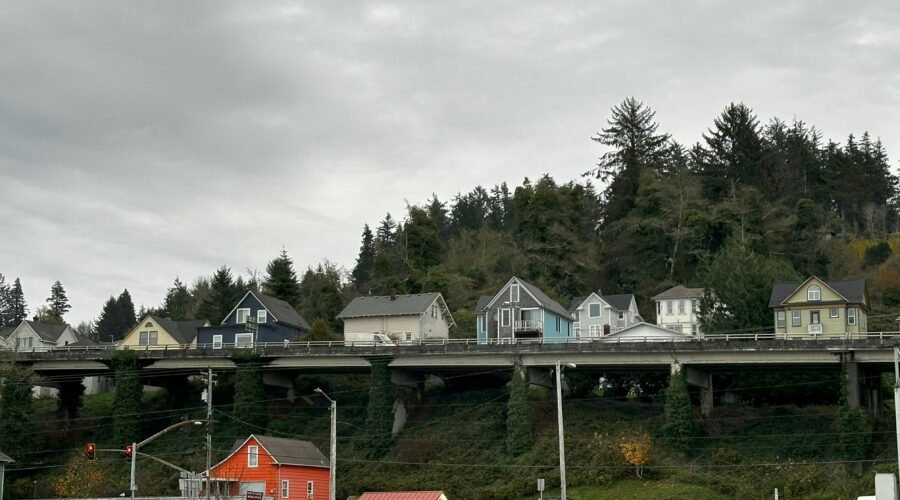
Astoria, Oregon, is a fantastic place to visit, but when you go can significantly impact your experience. The best time really depends on what you’re looking for – whether it’s sunshine, fewer crowds, or budget-friendly options. Generally, late spring and early fall offer the sweet spot, balancing decent weather with manageable crowds and reasonable costs. However, every season has its unique charm and challenges.
Let’s break down the different times of the year so you can plan your perfect Astoria getaway.
Deciding when to visit Astoria means weighing a few key factors: the weather you prefer, how much you mind elbowing through crowds, and how much you’re willing to spend. Each season in Astoria brings a different vibe.
1.1. High Season (Summer: June, July, August)
This is when Astoria is at its most vibrant – and busiest. Expect the best weather, but also the highest prices and the most people.
1.2. Shoulder Seasons (Spring: April, May & Fall: September, October)
These are arguably the “sweet spots.” You’ll find a good balance of decent weather, fewer crowds than summer, and better deals on accommodations and activities.
1.3. Low Season (Winter: November, December, January, February, March)
If you don’t mind the rain and cooler temperatures, the off-season offers quiet charm, the lowest prices, and a truly local experience. Many businesses still operate, just at a slower pace.
For those planning a trip to Astoria, Oregon, understanding the best time to visit can greatly enhance your experience. To further explore travel tips and insights, you might find the article on travel planning helpful. It provides valuable information on various destinations, including weather patterns, crowd levels, and cost considerations. You can read more about it here: Travel Planning Insights.
2. Sunshine and Bustle: Summer in Astoria (June, July, August)
Summer is prime time in Astoria for a reason – the weather is generally amazing.
2.1. Weather Perks
- Warmest Temperatures: Average highs range from the mid-60s to low 70s Fahrenheit (18-23°C). While not scorching hot, it’s comfortable for exploring.
- Least Rainfall: These months see the least amount of rain, making outdoor activities much more enjoyable.
- Longer Days: You’ll have plenty of daylight hours to pack in all your adventures, with sunsets often stretching past 9 PM.
- Foggy Mornings: Don’t be surprised by coastal fog, especially in June and early July. It often burns off by midday, revealing clear skies.
2.2. Crowd Considerations
- Peak Tourist Season: This is when Astoria truly comes alive with visitors. Expect bustling streets, full restaurants, and busy attractions.
- Busiest Weekends: Holidays like the 4th of July and Labor Day weekend, along with any local festivals, will be exceptionally crowded.
- Limited Parking: Finding parking, especially downtown, can be a challenge. Factor in extra time and be prepared to walk a bit.
- Book Ahead: Seriously, if you plan to visit in summer, book your accommodations, popular restaurant reservations, and any tours well in advance – months in advance for peak weekends.
2.3. Cost Impact
- Highest Prices: Everything from hotels and vacation rentals to certain activities and even some dining options will be at their peak pricing.
- Limited Deals: Don’t expect many discounts during this time.
- Minimum Stays: Some accommodations might impose minimum stay requirements, especially on weekends.
2.4. Why Visit in Summer?
If you crave sunshine, don’t mind the crowds, and want to experience Astoria at its most lively, summer is for you. It’s ideal for:
- Beach trips and exploring Fort Clatsop.
- Strolling the Riverwalk and enjoying outdoor dining.
- Boating, kayaking, and fishing excursions.
- Attending events like the Astoria Regatta.
3. The Sweet Spot: Spring & Fall in Astoria (April, May, September, October)

These shoulder seasons are often heralded as the best times to visit Astoria, balancing pleasant conditions with a more relaxed atmosphere.
3.1. Spring’s Awakening (April, May)
- Weather’s Gentle Turn: Temperatures start to warm up, with averages in the 50s and low 60s Fahrenheit (10-17°C). Rainfall decreases compared to winter, though spring showers are still common.
- Nature Blooms: The landscape begins to burst with color. Wildflowers emerge along hiking trails, and the city’s gardens come to life.
- Fewer Crowds: You’ll notice a significant drop in visitor numbers compared to summer. Attractions are easier to navigate, and popular restaurants might have shorter wait times.
- Better Value: Accommodation prices begin to come down from summer highs, offering more bang for your buck. Some businesses might offer early-season specials.
- Why Visit in Spring? If you enjoy crisp air, blooming nature, and exploring without the peak season rush, spring is perfect. It’s great for hiking, birdwatching (especially migratory birds), and enjoying the blossoming scenery.
3.2. Fall’s Golden Glow (September, October)
- Pleasant & Predictable Weather: Often described as an “extended summer,” September, in particular, can offer some of Astoria’s most beautiful and mild weather, with temperatures lingering in the high 50s and 60s Fahrenheit (15-20°C). October brings cooler temps and more rain, but also vibrant fall colors.
- Crowds Dwindle: As schools resume, the summer crowds melt away, leaving a peaceful yet still vibrant atmosphere. Weekends can still be busy, but weekdays are wonderfully tranquil.
- Gorgeous Scenery: The foliage around Astoria and the surrounding areas (like the Columbia River Gorge) turns stunning shades of red, orange, and gold, making for incredible photo opportunities.
- Still Great Value: Similar to spring, fall offers a sweet spot for pricing. You’ll find better deals on lodging, and many businesses still operate with full hours, unlike the deepest winter.
- Why Visit in Fall? For stunning scenery, comfortable temperatures for outdoor activities, and a refined, quieter experience, fall is ideal. It’s fantastic for scenic drives, exploring historical sites, and enjoying local harvest festivals and culinary events without feeling overwhelmed by people.
4. Quiet Charm and Lower Prices: Winter in Astoria (November, December, January, February, March)

Winter in Astoria is a different beast altogether. If you’re mentally prepared for rain and cooler temperatures, you’ll be rewarded with a unique, reflective experience.
4.1. Weather Realities
- Wet & Wild: This is the rainy season. Expect frequent, sometimes heavy, rainfall. Pack waterproof gear – a good rain jacket, waterproof pants, and waterproof shoes are non-negotiable.
- Cooler Temperatures: Average highs typically range from the mid-40s to low 50s Fahrenheit (7-12°C). It rarely snows in Astoria itself, but the surrounding hills might see some flakes.
- Windy Days: Coastal winds can make it feel colder than the thermometer indicates.
- Shorter Days: Daylight hours are significantly reduced, meaning you’ll do more of your exploring in the darker hours.
- Dramatic Scenery: The stormy weather creates a dramatic, moody atmosphere that some find incredibly beautiful. Crashing waves, misty forests, and a raw coastal feel define these months.
4.2. Crowd Disappearance
- Fewest Tourists: You’ll often have attractions almost entirely to yourself. This is the time to experience the authentic, local side of Astoria.
- Easy Parking: Parking is rarely an issue during the winter months.
- Peace and Quiet: If tranquility is what you seek, winter delivers.
4.3. Cost Savings
- Lowest Prices: This is undoubtedly the most budget-friendly time to visit. Hotels, vacation rentals, and even some local businesses will offer their lowest rates.
- Special Deals: Look for off-season packages and promotions.
- No Crowds, No Rush: The lack of crowds means you can often be more spontaneous with your plans without worrying about things being fully booked.
4.4. Why Visit in Winter?
Winter is for the intrepid traveler who loves the dramatic coast, cozy indoor activities, and a deep sense of peace. It’s perfect for:
- Storm Watching: There’s something mesmerizing about watching a winter storm roll in from the warmth of a cozy cafe or hotel room.
- Museum Hopping: Explore the Columbia River Maritime Museum or the Oregon Film Museum at your leisure.
- Cozying Up: Enjoy local breweries, coffee shops, and independent bookstores.
- Haggling for Deals: Often, you can find unique items from local artisans and merchants at better prices.
- Local Festivals: Keep an eye out for unique winter events like crab feeds or holiday markets that cater more to locals.
If you’re planning a trip to Astoria, Oregon, understanding the best time to visit is crucial for maximizing your experience. Factors such as weather, crowds, and costs can greatly influence your enjoyment of this charming coastal town. For more insights on how to make the most of your travel plans, you might find it helpful to read about our review process in this related article. This resource can provide you with valuable tips on evaluating travel options and ensuring a memorable visit.
5. Decision Time: Tailoring Your Astoria Trip
| Month | Weather | Crowds | Costs |
|---|---|---|---|
| January | Cool and rainy | Low | Low |
| April | Mild and rainy | Medium | Medium |
| July | Warm and dry | High | High |
| October | Cool and rainy | Low | Low |
Now that you have the full picture, let’s help you narrow it down.
5.1. For Sun Seekers and Social Butterflies: Go for Summer (June – August)
- Pros: Best weather, longest days, all attractions and businesses fully open and lively, vibrant atmosphere.
- Cons: Most expensive, most crowded, book everything far in advance.
5.2. For Balance and Beauty: Aim for Shoulder Seasons (April, May, September, October)
- Pros: Pleasant weather often, beautiful scenery (blooming spring or colorful fall), fewer crowds than summer, better prices than summer, good availability.
- Cons: Still a chance of rain, some attractions might have reduced hours later in fall.
5.3. For Budget Travelers and Quiet Contemplation: Embrace Winter (November – March)
- Pros: Lowest prices, virtually no crowds, dramatic coastal scenery, authentic local vibe, cozy indoor activities.
- Cons: Coldest and wettest weather, shortest days, some businesses may have limited hours or be closed.
5.4. Things to Consider Regardless of Season
- Lodging: Astoria has a range of options from quaint B&Bs and historic hotels to modern motels and vacation rentals. Always book ahead, especially during weekends and holidays.
- Dining: Astoria is a foodie paradise, particularly for seafood lovers. Make reservations for popular spots, especially on weekends.
- Activities: The Columbia River Maritime Museum, Astoria Column, Fort Clatsop, and scenic drives are popular year-round. Check the operating hours, especially in the off-season.
- Packing: Always pack layers for Astoria, no matter the season. The weather can change quickly. A waterproof jacket is a good idea even in summer. Comfortable walking shoes are a must.
- Flexibility: While planning is good, being flexible with your itinerary can help you make the most of local weather whims. A rainy day is perfect for museum visits; a sunny break calls for a walk on the Riverwalk.
Whether you’re chasing the sun, seeking solitude, or hunting for a bargain, Astoria offers something special in every season. Choose the time that best aligns with your travel style, and you’re sure to have an unforgettable experience in this charming coastal town.
FAQs
1. What is the best time to visit Astoria, Oregon for favorable weather?
The best time to visit Astoria, Oregon for favorable weather is during the summer months, from June to August, when the temperatures are mild and the rainfall is lower compared to other times of the year.
2. When is the peak tourist season in Astoria, Oregon?
The peak tourist season in Astoria, Oregon is during the summer months, from June to August, when the weather is most favorable. During this time, the city experiences an influx of tourists, leading to higher crowds and increased accommodation costs.
3. What is the shoulder season in Astoria, Oregon?
The shoulder season in Astoria, Oregon is during the spring and fall months, from April to May and September to October. During these times, the weather is still pleasant, and there are fewer crowds compared to the peak summer season.
4. When is the off-peak season in Astoria, Oregon?
The off-peak season in Astoria, Oregon is during the winter months, from November to March. During this time, the weather is colder and wetter, leading to fewer tourists and lower accommodation costs.
5. What are the average costs of visiting Astoria, Oregon during the peak tourist season?
During the peak tourist season in Astoria, Oregon, the average costs of accommodation, dining, and activities are higher compared to the shoulder and off-peak seasons. It is advisable to book accommodations and activities in advance to secure better rates.