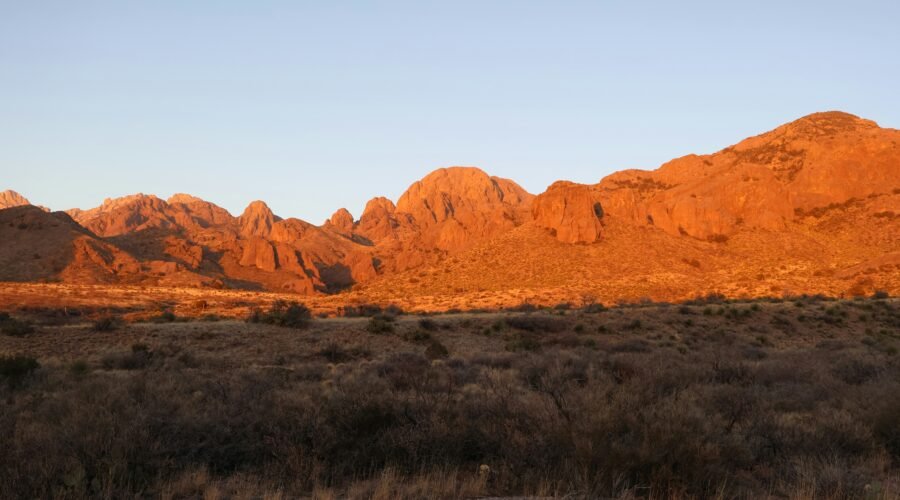
Planning a trip to Las Cruces, New Mexico, means balancing desert weather, outdoor conditions, local events, and your budget. The city is sunny much of the year, but the experience changes sharply between cool winter mornings, windy spring days, very hot summer afternoons, and the mild weather of fall. Choosing the right month can make hiking, sightseeing, and day trips much more comfortable.
Quick Answer
For most visitors, the best times to visit Las Cruces are March through April and October through November. These periods offer comfortable daytime temperatures for sightseeing and hiking without the strongest summer heat. May and September can also be good if you prefer warmer weather, while winter is appealing for cool-weather outdoor trips.
Key Takeaways
- Best overall weather: March-April and October-November.
- Best for hiking: Late fall through early spring, especially when you want to avoid extreme afternoon heat.
- Hottest period: June through August, when normal daytime highs are in the mid-to-upper 90s°F and 100°F days can occur.
- Monsoon concerns: Thunderstorms become more important from roughly late June into early October.
- Spring concern: Strong winds and blowing dust can occasionally reduce visibility.
- Costs and crowds: Local events, holidays, university weekends, and individual conventions can matter more than a simple high-season/low-season rule.
Las Cruces Weather by Season
Las Cruces sits in southern New Mexico’s Chihuahuan Desert. The climate is dry, sunny, and strongly influenced by elevation, which means daytime and nighttime temperatures can differ substantially. Current U.S. climate normals use the 1991-2020 period, and those averages are a better planning tool than broad descriptions such as “warm” or “mild.” You can review the NOAA U.S. Climate Normals when comparing long-term weather patterns.
Spring: Comfortable Weather With Windy Days
Spring, from March through May, is one of the most useful travel windows because temperatures rise quickly without immediately reaching midsummer levels. It is especially good for sightseeing, patio dining, Historic Mesilla, and lower-elevation hikes.
March and April: Excellent for Outdoor Exploring
March has a normal daytime high around 71°F with nights near the upper 30s°F. April warms to roughly 79°F during the day with lows in the mid-40s°F. Those temperatures are comfortable for walking and hiking, although weather can change quickly.
Spring can also be windy. Southern New Mexico occasionally experiences strong winds and blowing dust, which can reduce visibility on highways and exposed desert roads.
Note: If a Dust Advisory or Dust Storm Warning is issued, avoid driving into dense blowing dust. The National Weather Service recommends pulling completely off the roadway when conditions become dangerous and following official dust-storm safety instructions.
May: Hotter but Still Useful for Early-Day Activities
By May, the normal daytime high is around 88°F. Afternoons can feel distinctly hot, particularly on exposed trails, while mornings and evenings remain much easier for outdoor activity. If your itinerary includes longer hikes, start earlier in the day and carry more water than you would in spring.
Summer: Very Hot With Monsoon Thunderstorms
June through August is Las Cruces’ hottest period. Normal daytime highs are roughly 97°F in June, 96°F in July, and 94°F in August, with individual days capable of exceeding 100°F.
June: Intense Heat and Strong Sunshine
June is typically one of the hottest and driest-feeling months. Outdoor sightseeing is much more comfortable early in the morning or later in the evening. Midday hiking on exposed desert trails can become dangerous when temperatures climb.
July and August: Heat Plus Monsoon Weather
July and August remain very hot, but moisture and thunderstorms become more important. Visit Las Cruces describes the area’s monsoon season as extending roughly from late June into early October, with much of the rain arriving in short, intense bursts.
Thunderstorms may create lightning, sudden strong winds, blowing dust, localized flooding, and rapidly changing trail conditions. Never assume that dry conditions where you are standing mean an arroyo or wash farther downstream is safe.
Warning: Summer desert heat and thunderstorms require real planning. Avoid strenuous midday activity during extreme heat, carry ample water, watch the latest National Weather Service forecast, and stay out of washes, arroyos, and exposed high points when storms are nearby.
Fall: One of the Best Times to Visit Las Cruces
Fall is a strong choice for travelers who want warm days without the peak intensity of early summer. It also brings numerous community events, so certain weekends can be busier than the surrounding dates.
September: Warm Rather Than Cool
September still feels like summer during the day, with a normal high around 88°F. Nights cool to around 60°F, making mornings and evenings pleasant. Thunderstorms can still occur during the latter part of the monsoon period.
October and November: Excellent Sightseeing Weather
October has a normal high near 79°F and a low near the upper 40s°F. November cools to roughly 67°F during the day with nights in the mid-30s°F. This combination makes October and November especially attractive for hiking, Historic Mesilla, downtown exploring, and longer outdoor days.
Pro Tip: If outdoor sightseeing is your priority, October is one of the easiest months to plan around: afternoons are usually far more comfortable than summer, while daylight and temperatures are still favorable for spending several hours outside.
Winter: Cool Days and Cold Nights
December through February is much milder by day than winter in many northern U.S. destinations, but Las Cruces is not warm around the clock. Freezing mornings occur regularly enough that you should pack accordingly.
December and January: Mild Afternoons, Freezing Mornings
Normal daytime highs are around 58°F in December and January, while normal overnight lows are close to 28-30°F. Snow is uncommon compared with colder parts of the country, but cold mornings, frost, and occasional winter weather are possible.
Winter can be excellent for exposed desert hikes because heat stress is much less of a concern. You will still need layers, sun protection, and enough water.
February: Warming Begins
February’s normal high rises to roughly 64°F, while nights remain cool near the low-to-mid 30s°F. It can be a useful month for outdoor travelers who prefer cooler conditions and do not mind layering early and late in the day.
For current trip-planning information, annual events, attraction updates, and seasonal ideas, use the official Visit Las Cruces planning resources rather than relying on old festival lists.
Las Cruces’ 1991-2020 climate normals range from winter daytime highs near 58°F to early-summer highs near 97°F, so the month you choose can completely change how comfortable outdoor sightseeing feels.
Navigating the Crowds: When to Expect More Activity
Las Cruces usually does not experience the sustained tourist congestion found in major resort cities, but that does not mean every weekend is equally quiet. Events, New Mexico State University activities, holidays, festivals, and regional travel can temporarily increase hotel demand, restaurant traffic, and parking pressure.
Quieter Periods
Instead of treating one entire season as the universal “off-season,” look for non-event weekdays and dates outside major holiday weekends. Winter weekdays can feel particularly relaxed, while early spring and late fall can provide a good balance of comfortable weather and manageable visitor activity.
Spring Break and University Dates
March and April can bring spring-break travel, while university events may affect individual weekends. If you are booking around graduation, major sporting events, or other NMSU activities, checking dates before reserving lodging is worthwhile.
Fall Festivals and Events
Fall has some of Las Cruces’ most comfortable weather and a busy regional event calendar. Events such as wine celebrations, arts events, Día de los Muertos activities in Mesilla, and the Renaissance ArtsFaire can create localized surges.
Event dates and organizers can change, so use the current Visit Las Cruces events calendar before booking around a specific festival.
Major Holidays and Long Weekends
Thanksgiving, Christmas, New Year’s, Labor Day, and other long weekends can affect lodging availability and restaurant traffic. Book earlier if your dates overlap a holiday or a major local event.
Budgeting Your Trip: Costs in Las Cruces

Las Cruces can work well for budget-conscious travelers because many of the area’s highlights involve public lands, historic districts, markets, parks, and inexpensive museums. However, exact hotel and restaurant prices change too quickly to make a fixed dollar range reliable year after year.
Accommodation: Compare Dates, Not Just Seasons
Hotels and Motels
Las Cruces has budget, mid-range, extended-stay, and higher-end hotel options. Rates vary with weekday versus weekend demand, university events, festivals, holidays, conventions, and how early you book.
Do not assume that every summer date is expensive or every winter date is cheap. Comparing several nearby dates often gives you a more useful picture than relying on a generic seasonal label.
Vacation Rentals
Vacation rentals can be useful for families, groups, and longer stays, particularly when access to a kitchen reduces dining costs. Compare the total price after cleaning and service charges rather than looking only at the advertised nightly rate.
Finding Better-Value Dates
Non-event weekdays are often the first dates worth checking when flexibility matters. If your trip overlaps a major festival, holiday, graduation, or university weekend, booking earlier can give you a wider choice of accommodation.
Dining: Plenty of Casual Options
Las Cruces is known for New Mexican cuisine, especially dishes built around red and green chile. You’ll find inexpensive counter-service restaurants, longtime local cafés, food trucks, breweries, and full-service restaurants.
Casual Dining
For a lower-cost trip, mix local casual restaurants with breakfasts or lunches from bakeries, markets, and grocery stores. New Mexican meals such as enchiladas, chile rellenos, tamales, and breakfast burritos are widely available.
Full-Service Restaurants
Historic Mesilla, downtown Las Cruces, and other parts of the city offer full-service dining when you want a longer meal or more upscale setting. Menu prices vary considerably, so an evergreen guide should not treat one fixed meal price as universal.
Grocery Stores and Picnics
Buying groceries can reduce food costs substantially if your accommodation has a kitchen. A picnic can also work well for day trips, but follow food-storage rules and Leave No Trace principles on public lands.
Activities and Attractions: Many Low-Cost Options
Free and Low-Cost Exploring
- Organ Mountains-Desert Peaks National Monument: Large areas provide hiking, scenic views, wildlife watching, and other recreation. Some developed recreation areas charge fees, so “the monument is free” should not be interpreted as every trailhead or facility being free.
- Mesilla Plaza: Walking around the historic plaza, viewing the adobe architecture, and browsing the area costs nothing unless you shop, dine, or enter a paid attraction.
- Downtown Las Cruces: Walking around downtown, viewing public art, and exploring local shops can be inexpensive.
- Farmers & Crafts Market of Las Cruces: Browsing is free. The official market currently operates Saturdays from 8:30 a.m. to 1 p.m. along Downtown Main Street and a Wednesday market from 8:30 a.m. to 1 p.m. at Plaza de Las Cruces.
Developed Recreation Sites and Museums
- Dripping Springs Natural Area: The Bureau of Land Management currently lists a $5 day-use fee per vehicle. The area has hiking trails, picnic sites, and a visitor center.
- Aguirre Spring Recreation Area: BLM currently lists a $5 day-use fee per passenger vehicle, with separate camping and group-site fees.
- New Mexico Farm and Ranch Heritage Museum: Current general adult admission is $7, with reduced rates for several other groups. Check the museum before visiting because hours and admission can change.
- Las Cruces Museum of Art: The city-operated museum at 491 N. Main Street currently offers free admission.
Driving and Gas
A car makes day trips and trail access much easier. White Sands National Park is about 52 miles east of Las Cruces, and the National Park Service estimates the drive at roughly one hour. If your itinerary includes White Sands, Organ Mountains trailheads, Mesilla, or more remote public lands, include fuel in your budget.
Transportation: Getting Around Las Cruces

Las Cruces is easiest to explore with a vehicle, especially if your plans include hiking or day trips. However, visitors staying mostly within the city have public-transit and rideshare options.
Driving Your Own Vehicle
A personal vehicle gives you the greatest flexibility for Organ Mountains trailheads, Historic Mesilla, White Sands National Park, and other destinations outside central Las Cruces.
Parking
Parking is generally easier than in a large metropolitan downtown, but availability varies by attraction and event. Popular trailheads and festival areas can fill, so follow posted parking restrictions and avoid assuming that every public-land parking area is free.
Gas and EV Planning
Fuel prices fluctuate, so use current prices when building your budget. For White Sands, the National Park Service advises arriving with enough fuel or charge because the park itself does not provide fuel or EV charging.
Rental Cars
If you arrive through El Paso International Airport, rental cars are a straightforward way to reach Las Cruces and explore southern New Mexico. El Paso International Airport is about 50 miles from Las Cruces, while the City of Las Cruces describes it as roughly a 45-minute drive from downtown under normal conditions.
Current Airport Situation
As of September 2026, travelers should not assume that Las Cruces International Airport has scheduled interstate passenger flights. The City of Las Cruces ended its subsidized Advanced Air service between Las Cruces and Albuquerque on June 30, 2026, after available grant funding was exhausted. The city currently points interstate passenger travelers toward El Paso International Airport while it explores future Las Cruces air-service options.
Note: Air-service arrangements can change. Before buying a ticket based on Las Cruces International Airport service, verify the airport’s current passenger schedule with the City of Las Cruces Airport.
Ride-Sharing Services
Uber, Lyft, taxis, and private shuttles can handle many trips within the urban area. They are much less suitable for remote hiking destinations where cell coverage and return availability may be uncertain.
White Sands deserves special caution: the National Park Service says there is no public transportation serving the park and warns that rideshare drivers may bring visitors there but may not be available for the return trip.
RoadRUNNER Transit
Las Cruces’ RoadRUNNER Transit currently operates eight city bus routes, and the City of Las Cruces states that all bus rides are zero-fare. It can be useful for trips within the city, including major shopping, employment, healthcare, and recreation areas.
It does not replace a car for White Sands or many remote Organ Mountains trailheads. Check the current RoadRUNNER routes and schedules before planning a car-free itinerary.
For most visitors flying into southern New Mexico, the practical transportation decision is whether to rent a car at El Paso International Airport, use a shuttle into Las Cruces, or stay within the city and combine RoadRUNNER Transit with occasional rideshare trips.
Packing Essentials: What to Bring for Your Visit
| Month | Normal High / Low | Main Planning Issue | Packing Focus |
|---|---|---|---|
| January | About 58°F / 28°F | Cold mornings | Warm layers and sun protection |
| February | About 64°F / 33°F | Cool nights, increasing wind | Layers and wind-resistant outer layer |
| March | About 71°F / 38°F | Wind and blowing dust | Layers, sunglasses, sturdy shoes |
| April | About 79°F / 45°F | Warm afternoons and wind | Light layers and sunscreen |
| May | About 88°F / 53°F | Increasing heat | Water, hat, breathable clothing |
| June | About 97°F / 63°F | Extreme afternoon heat | Maximum sun protection and hydration |
| July | About 96°F / 68°F | Heat and thunderstorms | Water, sun gear, rain shell |
| August | About 94°F / 67°F | Heat and monsoon storms | Hydration and storm-ready layers |
| September | About 88°F / 60°F | Warm days, possible storms | Summer clothing plus light layer |
| October | About 79°F / 47°F | Large day-night temperature change | Light layers and hiking gear |
| November | About 67°F / 35°F | Cool evenings | Sweater or jacket |
| December | About 58°F / 28°F | Freezing mornings | Warm layers, hat, sun protection |
The biggest packing lesson in Las Cruces is to prepare for sunshine and temperature swings. Desert afternoons can be warm even when mornings are cold, and higher-elevation hiking areas may feel very different from downtown.
Clothing: Versatility Is Key
- Lightweight, Breathable Fabrics: Useful during late spring, summer, and warm fall afternoons.
- Layers: Bring combinations that are easy to add or remove. A T-shirt, long-sleeve layer, fleece, and light jacket cover many spring, fall, and winter situations.
- Comfortable Walking Shoes: Useful for Mesilla, downtown, museums, markets, and easy trails.
- Sun Hat: A wide-brimmed hat provides better face and neck coverage than relying on sunscreen alone.
- Durable Pants: Helpful for cooler weather and desert trails with rocks or thorny vegetation.
- Shorts: Appropriate for many warm-weather city activities, although lightweight pants can offer better sun protection on exposed hikes.
- A Nicer Outfit: Optional. Las Cruces is generally casual, but you may want one dressier option for an evening meal or event.
Sun and Skin Protection: Essential in the Desert
- Broad-Spectrum Sunscreen: Apply it to exposed skin and reapply as directed.
- Lip Balm with SPF: Helpful in the combination of dry air, wind, and strong sunshine.
- Sunglasses: Particularly useful on bright desert terrain and at White Sands.
Hydration and Health
- Reusable Water Bottle: Carry enough water for your activity rather than assuming water will be available at every trailhead.
- Moisturizer: Dry air and wind can irritate hands, lips, and facial skin.
- Personal Medications: Carry what you need for the full trip plus reasonable travel delays.
Outdoor Gear
- Backpack or Daypack: Useful for water, snacks, sunscreen, navigation, and an extra layer.
- Small First-Aid Kit: Helpful for minor cuts, scrapes, and blisters.
- Insect Repellent: Useful around wetter areas and during certain seasons, although insects are generally less persistent than in humid climates.
- Hiking Poles: Optional but useful on rocky, steep, or uneven trails.
- Offline Map: Helpful when visiting remote public lands where mobile coverage may be unreliable.
If you plan to hike, review current weather and land-management information before leaving town. The Bureau of Land Management’s Organ Mountains-Desert Peaks page provides official recreation information, while the National Weather Service should be your source for active warnings.
What to See and Do: Las Cruces Highlights
Las Cruces works well as a base for desert scenery, Southwestern history, local food, markets, museums, and day trips. Your ideal season depends partly on which of these experiences matters most to you.
Natural Wonders
- Organ Mountains-Desert Peaks National Monument: The monument encompasses nearly half a million acres and includes the Organ Mountains, Desert Peaks, Potrillo Mountains, and Doña Ana Mountains. Recreation includes hiking, photography, horseback riding, biking, camping, and wildlife watching. Popular developed areas such as Dripping Springs and Aguirre Spring have separate day-use fees.
- White Sands National Park: The park is approximately 52 miles east of Las Cruces, with an NPS-estimated drive of about one hour. The gypsum dunes are spectacular, but summer heat can exceed 100°F. The National Park Service also warns about dehydration, lightning, getting lost, and rapidly changing weather.
- Soledad Canyon: This BLM-managed day-use area close to Las Cruces provides a scenic desert hiking option and is especially appealing in cooler weather.
- Mesilla Valley Bosque State Park: Located along the Rio Grande near Mesilla, this approximately 305-acre state park has self-guided trails, wildlife viewing, restored wetlands, and birding opportunities.
Historic Charm
- Historic Mesilla Plaza: Walk the plaza, see traditional adobe architecture, visit the Basilica of San Albino, browse local shops, and learn about the area’s territorial-era history.
- New Mexico Farm and Ranch Heritage Museum: This 47-acre museum explores thousands of years of New Mexico farming and ranching history through exhibits, livestock, demonstrations, and outdoor spaces.
- Downtown Las Cruces: Downtown offers museums, public art, restaurants, shops, the Plaza de Las Cruces, and easy access to the Farmers & Crafts Market.
Cultural Experiences: Art, Food, and Local Life
- Farmers & Crafts Market of Las Cruces: The market operates year-round. The main Saturday market runs along Downtown Main Street, while the Wednesday market is held at Plaza de Las Cruces.
- New Mexican Cuisine: Try dishes built around red and green chile. Ordering “Christmas” is the traditional way to request both red and green chile on the same dish.
- Las Cruces Museum of Art: The city-run museum is downtown at 491 N. Main Street and currently offers free admission. It hosts changing exhibitions and art programs.
- New Mexico State University: The campus is worth exploring for its open spaces, university atmosphere, events, and cultural resources. The Las Cruces Museum of Art itself is downtown rather than on the NMSU campus.
Best Time to Visit Based on Your Priorities
- For the most comfortable sightseeing: March-April or October-November.
- For serious hiking: Late fall through early spring, with weather checks before every outing.
- For warm evenings and swimming weather: Late May through September, provided you can handle intense daytime heat.
- For fewer heat concerns: November through March.
- For festivals and cultural activity: Fall is especially active, but verify the current year’s event calendar before booking.
- For flexible budgeting: Compare non-event weekdays across several nearby dates instead of assuming one entire season is automatically cheapest.
Frequently Asked Questions
What is the best time of year to visit Las Cruces, New Mexico?
For most travelers, March through April and October through November provide the best balance of comfortable daytime weather and good conditions for sightseeing. May and September are warmer alternatives, while winter is excellent for travelers who prefer cool-weather hiking.
What is the weather like in Las Cruces throughout the year?
Las Cruces has hot summers, cool winters, and large day-to-night temperature swings. Normal daytime highs range from about 58°F in winter to roughly 97°F in early summer. Spring can be windy, while late June into early October can bring monsoon thunderstorms.
When is Las Cruces busiest?
Las Cruces does not have one universal peak season comparable with a major resort destination. Fall festivals, holidays, New Mexico State University events, graduation weekends, and individual conventions can create short-term spikes in lodging demand and local traffic.
Is Las Cruces expensive to visit?
Las Cruces can be relatively budget-friendly because many outdoor areas, historic districts, markets, and city attractions are free or inexpensive. Lodging is usually the largest variable, so compare several nearby dates and watch for festivals, holidays, university weekends, and conventions.
What festivals should I consider when planning a Las Cruces trip?
Las Cruces and nearby Mesilla host wine, arts, chile, cultural, holiday, and seasonal events throughout the year. The Renaissance ArtsFaire remains a notable annual event. Older guides may mention the Whole Enchilada Fiesta or Las Cruces Country Music Festival, but those events have ended. Always verify current dates on the official Visit Las Cruces events calendar.
Is summer too hot for hiking in Las Cruces?
Summer hiking can be risky during the hottest part of the day because temperatures can reach or exceed 100°F. If you hike in summer, choose an appropriate trail, start early, carry ample water, protect yourself from the sun, and monitor forecasts for heat, lightning, flash flooding, and blowing dust.
Do I need a car in Las Cruces?
You can handle some in-city trips using zero-fare RoadRUNNER buses, rideshare services, taxis, or walking, but a car is strongly recommended if you want to visit White Sands National Park, multiple Organ Mountains trailheads, or other destinations outside the urban area.
Sources
- NOAA National Centers for Environmental Information — U.S. Climate Normals — long-term climate-normal methodology and current 1991-2020 normal period.
- National Weather Service — Dust Storm Safety — blowing-dust and driving safety guidance.
- Bureau of Land Management — Organ Mountains-Desert Peaks National Monument — official recreation, visitor-center, and public-land information.
- National Park Service — White Sands Safety — heat, hydration, storm, navigation, and outdoor-safety guidance.
- National Park Service — White Sands Directions — Las Cruces driving distance, travel time, fuel, charging, and transportation information.
- City of Las Cruces — RoadRUNNER Transit — current routes and zero-fare public bus information.