So, you’re thinking about heading to Des Moines, Iowa? Great choice! But when’s the absolute best time to pack your bags and make the trip? Honestly, Des Moines is a city that offers something different throughout the year, depending on what you’re after. If you’re looking for pleasant weather, outdoor activities galore, and a vibrant event scene, you’ll want to aim for late spring through early fall, generally from May to October. But let’s dive a little deeper, because “best” is a bit subjective, right?
March – April: The Transition Period
Spring in Des Moines is a gradual affair. March can still have a bit of a winter bite, with lingering snow and chilly temperatures. It’s a time when the city is shaking off the hibernation mode, and you might catch some lingering winter events or early spring festivals. April sees a definite shift. Temperatures start to warm up consistently, and you’ll notice the landscape coming back to life. It’s not usually beach weather, but it’s perfect for those who appreciate seeing the city awaken without the crowds.
- What to Expect: Variable weather, from cool and crisp to mild and pleasant. You might need a light jacket or even a heavier coat at the beginning of the season.
- Things to Do: Many indoor attractions are still prime options, like the Des Moines Art Center or the Science Center of Iowa. As it warms, you might find farmers’ markets popping up, and early outdoor events like baseball games can start. It’s a good time to explore the East Village’s shops without the summer rush.
- Pros: Fewer tourists, potentially lower accommodation prices, and the satisfaction of being there as the city blossoms.
- Cons: Weather can be unpredictable, and some outdoor activities might still be limited early on.
May: Blooming and Outdoor Kickoff
May is when Des Moines truly embraces spring. The trees are full of leaves, flowers are blooming, and the outdoor patios start to buzz with activity. The weather is generally delightful – warm days, cool evenings, and a good chance of sunshine. This is a fantastic month to experience the city’s parks and outdoor recreation options.
- What to Expect: Consistently mild to warm temperatures. Days are longer, and humidity is usually manageable. Rain is possible, but typically not prolonged downpours.
- Things to Do: This is prime time for outdoor exploration. Think walks or bike rides along the Des Moines Riverfront Trail, visits to the Greater Des Moines Botanical Garden when everything is in full bloom, and exploring the Pappajohn Sculpture Park. Many summer festival preparations begin, and you might catch some early concerts or community gatherings.
- Pros: Beautiful scenery, ideal weather for outdoor activities, and a growing number of events. It’s a sweet spot before the peak summer heat and crowds.
- Cons: Accommodation prices can start to creep up, especially if there are major events happening.
If you’re planning a trip to Des Moines, Iowa, you might also find our article on the best places to stay in the city helpful. It provides insights into various accommodations that suit different budgets and preferences, ensuring you have a comfortable stay while exploring the local attractions. For more information, check out our team and their recommendations at Meet Our Team.
Summer: Vibrant and Energetic
June – August: The Peak of Activity
Summer is arguably Des Moines’ busiest and most vibrant season. The weather is warm, often hot, and the city comes alive with festivals, concerts, outdoor markets, and a general sense of fun. If you love a buzzing atmosphere and have a packed itinerary of things to see and do, this is your window.
- What to Expect: Warm to hot temperatures, with occasional heat waves. Humidity can be a factor. Days are long and great for maximizing your exploration.
- Things to Do: This is festival season! From the Iowa State Fair (late August) to various music festivals, art fairs, and cultural celebrations, there’s always something going on. Outdoor dining, sporting events (including minor league baseball with the Iowa Cubs), and exploring the many parks and trails are highly recommended. The Des Moines Farmers’ Market in August is a national highlight.
- Pros: The most extensive list of events and activities, lively atmosphere, perfect weather for most outdoor pursuits.
- Cons: It can get quite hot, especially in July. Accommodation and flight prices are typically at their highest, and popular attractions can be crowded. You’ll want to book well in advance.
July: The Heart of Summer
July is the peak of summer warmth in Des Moines. Expect sunny days and warm evenings. It’s the time when the city’s numerous parks and outdoor spaces are at their most inviting, and the pace of life feels a bit more relaxed, despite the heat.
- What to Expect: Hot days, often in the 80s and 90s Fahrenheit. Evenings remain warm. Hydration is key.
- Things to Do: This is the perfect time for a picnic in a park, kayaking or canoeing on the river, or enjoying an outdoor concert. Many community events and outdoor movie nights are held in July. The Des Moines Arts Festival often takes place in June, but other smaller art walks and fairs occur throughout July.
- Pros: Long daylight hours, ideal for maximizing outdoor experiences, and a consistently active social calendar.
- Cons: Can be uncomfortably hot for some, and it’s peak tourist season, leading to higher costs and more people.
August: The Grand Finale of Summer
August brings a slight shift as autumn begins to loom, but it’s still firmly in summer mode. The weather remains warm, and the biggest event of the year, the Iowa State Fair, usually kicks off in mid-to-late August, drawing massive crowds and showcasing the best of Iowa’s agriculture and entertainment.
- What to Expect: Continues to be warm to hot, but you might start to feel a very subtle hint of autumn in the air towards the end of the month, especially in the evenings.
- Things to Do: The Iowa State Fair is the main attraction, offering everything from livestock shows and giant vegetables to thrilling rides and live music. The Des Moines Farmers’ Market is also a must-visit in August. Outdoor patios remain popular, and it’s a great time for a final summer road trip around the state.
- Pros: Access to the iconic Iowa State Fair, continued excellent weather for outdoor activities, and the unique buzz of late summer.
- Cons: Peak crowds due to the State Fair. Accommodation prices skyrocket, and booking far in advance is essential.
Fall: Pleasant and Picturesque

September – October: Crisp Air and Colorful Views
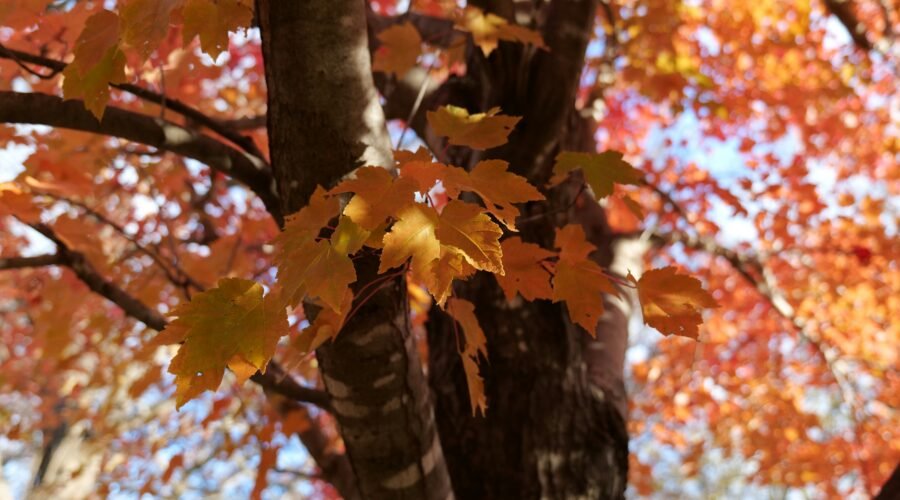
As summer’s heat gently recedes, fall emerges as a truly special time to visit Des Moines. September offers a continuation of pleasant summer-like weather, while October brings cooler temperatures, crisp air, and a spectacular display of autumn colors. This season is perfect for those who appreciate beautiful scenery and a more relaxed pace.
- What to Expect: September is often a continuation of mild, sunny days. October becomes noticeably cooler, with crisp mornings and comfortable afternoons. Fall foliage typically peaks in mid-to-late October.
- Things to Do: This is prime time for exploring the city’s parks and trails as they transform into a tapestry of red, orange, and yellow. Think scenic drives around the outskirts of Des Moines to admire the changing leaves. Apple picking at nearby orchards or visiting pumpkin patches becomes a popular weekend activity. Brewery and winery tours are also very enjoyable in this cooler weather. The farmers’ markets are still going strong in September, offering the last of the season’s produce.
- Pros: Beautiful fall foliage, comfortable temperatures for walking and exploring, fewer crowds than summer, and a generally more laid-back atmosphere.
- Cons: Days are getting shorter, and you’ll need warmer layers as the season progresses. Some outdoor festivals may wind down by late October.
September: The Sweet Spot
September in Des Moines is often described as near-perfect. The humidity of summer has mostly disappeared, replaced by warm days and cool, comfortable evenings. It’s the ideal weather for enjoying all that Des Moines has to offer, both indoors and out.
- What to Expect: Warm, sunny days with average temperatures in the 70s Fahrenheit. Evenings are cool and pleasant, perfect for outdoor dining.
- Things to Do: Many of the summer outdoor activities are still in full swing, but with more comfortable temperatures. The Des Moines Farmers’ Market is a highlight, offering a wide variety of fresh produce. It’s a great time to explore the Greater Des Moines Botanical Garden when many plants are still vibrant. The Iowa Renaissance Faire sometimes falls in late September, offering a unique cultural experience.
- Pros: Excellent weather, a continuation of outdoor events from summer, and a noticeable decrease in crowds.
- Cons: While less crowded than summer, it’s still a popular time, so booking accommodations in advance is wise.
October: Autumnal Charm
October in Des Moines is all about embracing the fall. The air is crisp, the leaves are transforming into a riot of color, and there’s a cozy, inviting atmosphere that settles over the city. It’s a wonderful time for those who love seasonal activities and picturesque landscapes.
- What to Expect: Cooler temperatures, with daytime highs often in the 50s and 60s Fahrenheit, and nights dipping into the 40s. Fall foliage is at its peak.
- Things to Do: This is the perfect month for apple picking and visiting pumpkin patches at local farms. Exploring the city’s parks and trails to admire the fall colors is a must. Many local breweries and distilleries offer seasonal fall-themed drinks. Halloween events start appearing, from spooky attractions to family-friendly trick-or-treating opportunities. Consider a scenic drive to witness the vibrant fall colors.
- Pros: Beautiful autumn scenery, perfect weather for apple picking and outdoor exploration, cozy atmosphere, and the start of fall-themed events.
- Cons: Weather can turn chilly quickly, so be prepared with warm clothing. Daylight hours are significantly shorter.
Winter: Cozy and Cultural

November – February: Indoor Delights and Holiday Cheer
Winter in Des Moines means embracing the colder weather and enjoying the city’s indoor attractions and festive holiday spirit. While outdoor activities are limited, the city offers a cozy and engaging experience for those who don’t mind bundling up.
- What to Expect: Cold temperatures, with consistent snowfall and freezing conditions. Days are short.
- Things to Do: The holiday season is a major draw, with festive light displays, Christmas markets, and New Year’s Eve celebrations. The Des Moines Art Center, the Science Center of Iowa, and the State Historical Museum are excellent for warming up and learning. Catching a performance at the Des Moines Civic Center or enjoying local dining and craft beer scenes are also great ways to spend your time. Ice skating opportunities might be available both indoors and outdoors if temperatures permit.
- Pros: Fewer tourists, potentially lower accommodation prices (outside of the holiday peak), enjoyable holiday atmosphere, and a good focus on indoor cultural experiences.
- Cons: Cold weather, limited outdoor activities, and snow can sometimes cause disruptions to travel.
November: The Transition to Winter
November marks the true transition into winter. The crisp autumn air gives way to colder temperatures, and the first signs of snow might appear. This month is characterized by a shift towards indoor activities and the beginning of the holiday preparation.
- What to Expect: Temperatures drop significantly, often below freezing. Snowfall becomes more likely. Daylight hours continue to shorten.
- Things to Do: Many shops begin their holiday decorations and sales. You might find early holiday markets or craft fairs. Cozy up in a coffee shop, explore museums like the Living History Farms (weather permitting for some outdoor elements, but the indoor exhibits are great), or enjoy a performance at the Des Moines Civic Center. Thanksgiving events and traditions can also be a focus.
- Pros: A chance to experience early holiday cheer, fewer crowds than the peak holiday season, and comfortable temperatures for indoor pursuits.
- Cons: Weather can be very cold and unpredictable, requiring warm clothing for even short excursions outdoors.
December: Holiday Magic
December in Des Moines is all about holiday cheer. The city is decorated, festive events are plentiful, and there’s a warm, inviting glow to the season, despite the cold. It’s a magical time for families and anyone looking to experience a classic winter holiday.
- What to Expect: Cold to very cold temperatures. Snow is common, and chances of ice are high. Days are at their shortest.
- Things to Do: Elaborate Christmas light displays, such as the popular principal downtown display, are a major attraction. Ice skating rinks often open. Numerous holiday markets and craft fairs offer unique gift-shopping opportunities. The Des Moines Civic Center hosts holiday performances. Enjoying hot chocolate and exploring festive shop windows are simple yet satisfying ways to spend your time.
- Pros: Wonderful holiday atmosphere, excellent for festive activities and shopping, and a strong sense of community spirit.
- Cons: Extreme cold can limit outdoor activities. Booking accommodation and popular event tickets well in advance is crucial.
January – February: The Quiet of Deep Winter
These months represent the heart of winter in Des Moines. The temperatures are at their coldest, and the days are short and often gray. This is the time for embracing indoor comfort and enjoying the quieter side of the city.
- What to Expect: Consistently cold throughout, with plenty of snow and ice. Temperatures can remain well below freezing for extended periods.
- Things to Do: This is the time for serious museum visits—the Des Moines Art Center, the Science Center of Iowa, and the State Historical Museum are excellent shelters from the cold. Catch a movie, try out downtown ice skating if conditions are right, or explore the city’s many excellent restaurants and craft breweries. It’s also prime time to enjoy sporting events like basketball or hockey if they are in season.
- Pros: The fewest tourists, often the lowest accommodation prices (excluding any major winter sporting events), and a chance to experience the city at a more relaxed pace.
- Cons: It’s genuinely cold, and outdoor activities are severely limited. Travel can be affected by snowstorms.
If you’re planning a trip to Des Moines, Iowa, you might also find it helpful to explore the article on the best attractions in the city. This resource can provide insights into what to see and do during your visit, ensuring you make the most of your time there. For more information, check out this related article on Des Moines attractions.
Planning Your Visit: Key Considerations
| Month | Weather | Crowds | Costs |
|---|---|---|---|
| January | Cold, snow | Low | Low |
| April | Mild, showers | Low | Low |
| July | Warm, humid | High | High |
| October | Cool, crisp | Low | Low |
Budget and Accommodation
Your choice of when to visit Des Moines will significantly impact your budget. Summer months, especially during major events like the Iowa State Fair, will see the highest prices for hotels and potentially flights. Spring and fall, particularly the shoulder months of April, May, September, and October, generally offer a better balance between pleasant weather and more affordable rates. Winter, excluding the immediate holiday period around Christmas and New Year’s, tends to be the most budget-friendly time to visit, though your activity options will be more limited. Booking accommodation several months in advance, especially if you’re traveling during peak season or for a specific event, is highly recommended to secure the best options and prices.
Weather and Packing
Des Moines experiences four distinct seasons, so packing will heavily depend on your chosen travel dates.
- Spring (March-May): Be prepared for variability. Layers are key. Think light jackets, sweaters, and possibly a lighter waterproof outer layer. You might start with warmer items in March and transition to lighter clothing by May. Comfortable walking shoes are essential year-round.
- Summer (June-August): Light, breathable clothing is a must – shorts, t-shirts, light dresses. Don’t forget sunscreen, a hat, and sunglasses. Evenings can still be a bit cooler, so a light jacket or cardigan is a good idea. Be prepared for humidity and potential thunderstorms.
- Fall (September-October): Layers are your best friend. You’ll likely need sweaters, long-sleeved shirts, and a medium-weight jacket. As October progresses, you might need a warmer coat and potentially gloves and a hat.
- Winter (November-February): This is the time for serious winter gear. Think heavy coats, warm hats, gloves, scarves, and waterproof boots. Thermal base layers are highly recommended.
Always check the weather forecast closer to your departure date for the most accurate packing guidance.
Events and Festivals
Des Moines has a robust calendar of events throughout the year, which can influence your decision on when to visit.
- Late Spring/Summer: This is prime festival season. The Des Moines Arts Festival (usually June), various music festivals, ethnic festivals, and outdoor concerts are common. The Iowa State Fair in late August is a monumental event. Farmers’ markets are popular from spring through fall.
- Fall: Expect harvest festivals, apple-picking events, and Halloween-themed activities.
- Winter: Holiday markets, tree lightings, and New Year’s celebrations dominate December. January and February are generally quieter but might host some indoor sporting events or niche community gatherings.
If a specific festival or event is a priority for your trip, plan your visit around those dates, but be prepared for higher prices and larger crowds. Conversely, if you prefer a quieter experience, aim for the weeks between major events.
If you’re planning a trip to Des Moines, Iowa, understanding the best time to visit can greatly enhance your experience. Factors such as weather, crowds, and costs play a crucial role in determining when to go. For more insights on travel planning, you might find this related article helpful, which discusses various aspects of travel safety and privacy considerations. Check it out here to ensure you have a secure and enjoyable trip.
The Absolute Best Time For You
So, to circle back to the original question: What’s the absolute best time to visit Des Moines? It really boils down to your priorities.
- For the Best Weather and Outdoor Activities: Aim for May, June, September, or early October. These months offer pleasant temperatures, lower humidity (especially September and October), and a vibrant outdoor scene without the peak summer heat or the deep freeze of winter.
- For the Most Events and Lively Atmosphere: Target June, July, and August. This is when Des Moines is at its most energetic, with a packed schedule of festivals, concerts, and outdoor entertainment. Just be prepared for heat and higher costs.
- For Budget Travelers and Fewer Crowds: Consider January, February, November (outside of Thanksgiving), and early March. You’ll get the best deals and have a more relaxed experience, but be ready for cold weather and fewer outdoor options.
- For Beautiful Scenery and a Cozy Vibe: Late September and October are hard to beat, with stunning fall foliage and crisp, inviting air, perfect for enjoying the city’s parks and seasonal offerings.
Ultimately, Des Moines is a city that surprises with its year-round appeal. No matter when you choose to visit, you’ll find friendly people, good food, and plenty to explore. Happy planning!
FAQs
1. What is the best time of year to visit Des Moines, Iowa for favorable weather?
The best time to visit Des Moines, Iowa for favorable weather is during the spring and fall months, specifically in April, May, September, and October. During these months, the weather is mild with comfortable temperatures and lower chances of precipitation.
2. When is the peak tourist season in Des Moines, Iowa?
The peak tourist season in Des Moines, Iowa is during the summer months, particularly in June, July, and August. During this time, the city experiences higher crowds due to various events, festivals, and outdoor activities, as well as warmer temperatures.
3. What is the off-peak season in Des Moines, Iowa for lower crowds and costs?
The off-peak season in Des Moines, Iowa is during the winter months, specifically in January and February. During this time, the city experiences lower tourist crowds and reduced costs for accommodations and attractions due to colder temperatures and fewer outdoor activities.
4. What are the average temperatures in Des Moines, Iowa throughout the year?
The average temperatures in Des Moines, Iowa range from around 20°F (-6°C) in the winter months to 85°F (29°C) in the summer months. Spring and fall months typically have average temperatures ranging from 50°F (10°C) to 70°F (21°C).
5. Are there any major events or festivals that visitors should consider when planning a trip to Des Moines, Iowa?
Visitors planning a trip to Des Moines, Iowa should consider major events and festivals such as the Iowa State Fair in August, the World Food & Music Festival in September, and the Des Moines Arts Festival in June. These events offer unique experiences and showcase the city’s culture, arts, and culinary scene.