

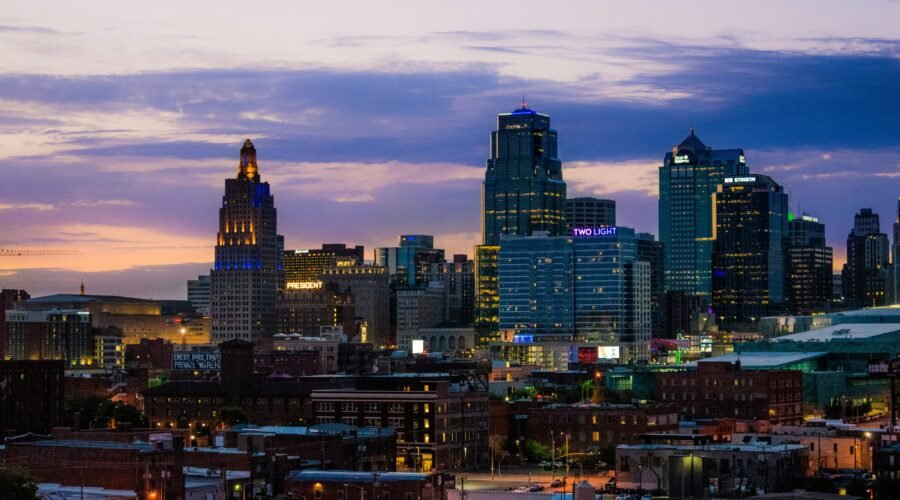
Planning a trip to Kansas City, Kansas? The right time to visit depends on whether you want comfortable sightseeing weather, outdoor events, smaller crowds, or lower travel costs. Spring and fall offer some of the most comfortable conditions, while summer brings plenty of activities and winter offers opportunities for quieter trips.
There is one important detail to understand before booking: Kansas City, Kansas, and Kansas City, Missouri, are separate cities within the same metropolitan area. Many famous Kansas City attractions are on the Missouri side, while the Kansas side has its own restaurants, sports venues, parks, and entertainment districts.
Quick Answer
April through May and September through October are generally the best times to visit Kansas City, Kansas, for comfortable sightseeing weather. Summer offers more outdoor activities but can be hot and humid. January and February are usually quieter, although winter weather may disrupt travel. Hotel prices and crowds depend heavily on major events.
Key Takeaways
- For comfortable weather: Consider April, May, September, or October.
- For summer activities: June through August offers outdoor entertainment, but heat and humidity can affect your plans.
- For fewer crowds: January, February, and parts of November are worth considering.
- For budgeting: Compare actual hotel prices before choosing your dates. Major events can affect rates in any season.
- For transportation: A car is useful for exploring the Kansas side, while the expanded Missouri-side streetcar serves several central attractions.
1. Kansas City Weather: What to Expect Throughout the Year
Kansas City has four distinct seasons. Summers are generally hot and humid, winters can be cold, and spring and fall bring changing temperatures.
The National Weather Service’s 1991–2020 climate normals provide a useful guide to typical conditions, but actual weather can vary considerably from year to year.
Spring: March Through May
Spring is a welcome change after winter. Temperatures rise, trees begin to bloom, and outdoor sightseeing becomes more comfortable.
- When: March through May.
- What to expect: Increasingly mild temperatures, longer days, blooming trees, and opportunities to explore parks and neighborhoods.
- The catch: Spring weather can change quickly. Rain, thunderstorms, strong winds, and occasional late-season cold spells are possible.
- Typical conditions: March can still feel chilly, while April and May usually bring more comfortable daytime temperatures.
- What to pack: T-shirts, long-sleeved shirts, a sweater or fleece, a waterproof jacket, and comfortable walking shoes.
April and May can be particularly rewarding for sightseeing, but keep an indoor backup activity in your itinerary. A museum, café, or restaurant visit can save a rainy afternoon.
Summer: June Through August
Summer brings outdoor activities, sporting events, festivals, and busy entertainment districts. It is also the season when Kansas City’s heat and humidity become important planning factors.
- When: June through August.
- What to expect: Warm to hot days, humid conditions, and plenty of outdoor entertainment.
- The catch: Heat can make walking uncomfortable, especially during the afternoon. Thunderstorms may also affect outdoor plans.
- Typical conditions: Daytime highs commonly reach the 80s and 90s Fahrenheit during the hotter parts of summer.
- What to pack: Lightweight clothing, sunscreen, sunglasses, a hat, comfortable shoes, and a refillable water bottle.
If you are visiting Kansas Speedway, Village West, or outdoor parks, plan breaks in shaded or air-conditioned areas.
Try scheduling longer walks for the morning or evening rather than the hottest part of the day.
Fall: September Through November
Fall is one of the most comfortable seasons for exploring the Kansas City area. Humidity generally decreases, temperatures become milder, and autumn colors appear in parks and tree-lined neighborhoods.
- When: September through November.
- What to expect: Pleasant walking weather, seasonal events, and changing foliage.
- The catch: September can still bring summerlike heat. By November, colder evenings and occasional winterlike conditions become more likely.
- Typical conditions: September often remains warm, October becomes cooler, and November brings noticeably colder days and nights.
- What to pack: Long-sleeved shirts, sweaters, comfortable pants, and a light or medium jacket. Add warmer clothing for November.
September and October work especially well for travelers who want to combine Kansas-side attractions with sightseeing in downtown Kansas City, Missouri.
Winter: December Through February
Winter can be cold, but it also offers holiday decorations, indoor attractions, restaurants, museums, and quieter sightseeing opportunities.
- When: December through February.
- What to expect: Cold weather, occasional snow and ice, and shorter daylight hours.
- The catch: Wind chill, freezing conditions, and winter storms may affect driving and outdoor activities.
- Typical conditions: Daytime temperatures frequently fall in the 30s and 40s Fahrenheit, with overnight temperatures often below freezing.
- What to pack: An insulated coat, gloves, a warm hat, thermal layers, and sturdy waterproof footwear.
Winter visitors should check the weather forecast before long drives and allow extra travel time when snow or freezing rain is expected.
Weather warning: Severe thunderstorms, lightning, damaging winds, and flooding are possible in the Kansas City region. Check the National Weather Service Kansas City forecast and alerts before outdoor activities. If a tornado warning is issued for your location, seek appropriate indoor shelter immediately.
Seasonal Weather, Crowds, and Costs at a Glance
The following comparison summarizes typical travel conditions. Crowd levels and costs are general planning guides rather than measured seasonal averages.
| Season | Weather | Crowds | Cost Outlook |
|---|---|---|---|
| March–May | Cool to mild; variable rain | Usually moderate | Varies with spring events |
| June–August | Hot and humid | Busy at outdoor attractions | Higher on popular event dates |
| September–November | Warm early; cooler later | Moderate; event weekends can be busy | Compare event and non-event dates |
| December–February | Cold; snow and ice possible | Often quieter outside holidays | Potential deals, subject to availability |
Which Month Should You Choose?
- January: Suitable for quieter indoor sightseeing if you are comfortable with winter weather.
- February: Another option for a lower-key visit, although cold weather remains a consideration.
- March: A transition month with changing temperatures and occasional winterlike conditions.
- April: Increasingly comfortable for walking and sightseeing, with rain and storms possible.
- May: A good choice for parks, outdoor dining, and exploring neighborhoods.
- June: Longer days and summer activities, with increasing heat.
- July: Suitable for summer events if you plan around the hottest hours.
- August: Warm weather and outdoor entertainment continue.
- September: A useful month for combining sightseeing, sports, and seasonal events.
- October: Cooler weather and autumn activities make outdoor exploration enjoyable.
- November: A quieter period before the holiday rush, with colder weather developing.
- December: Holiday lights and indoor activities are attractive, but weather and holiday demand require planning.
2. Navigating the Crowds: When to Go for Peace or Buzz
Kansas City generally feels less crowded than some larger American tourist destinations. However, hotel availability, traffic, restaurants, and popular attractions can become much busier during major events.
There is an important difference between general tourism and event-driven demand. A single sporting event, convention, or festival can make one weekend significantly busier than the surrounding dates.
Peak Tourist Seasons
- Late spring through early fall: May through October brings favorable conditions for many outdoor activities, concerts, festivals, and sporting events.
- Major events and holidays: Large conventions, racing weekends, football games, baseball games, and holiday celebrations can affect hotel availability and transportation.
- Holiday season: Late November and December attract visitors interested in seasonal shopping, festive events, and light displays.
If your travel dates are flexible, check the local event calendar before booking. A quieter weekday may offer a very different experience from a busy event weekend.
Shoulder Seasons: The Sweet Spot
- April and early May: Comfortable for museums, parks, restaurants, and neighborhood exploration, although thunderstorms are possible.
- September and October: Often pleasant for walking, outdoor dining, and sightseeing. Major sports and festival dates can still bring substantial crowds.
Off-Season: Quiet and Cozy
- November before Thanksgiving: Worth considering for a quieter visit before the busiest holiday activities begin.
- January and February: Often good months for indoor attractions and travelers who prefer fewer people.
Winter hotel deals may be available, but they are not guaranteed. Compare your preferred dates rather than assuming every winter stay will be inexpensive.
Events Worth Checking Before Booking
Events can have a major effect on the cost and convenience of a Kansas City trip.
- Kansas Speedway: Racing weekends bring visitors to western Kansas City, Kansas.
- Sporting KC and Kansas City Monarchs: Check home-game schedules if you plan to visit the Village West area.
- Kansas City Irish Fest: Held at Crown Center in Kansas City, Missouri.
- Plaza Art Fair: Held at the Country Club Plaza in Kansas City, Missouri.
- American Royal: A major regional event organizer with its new campus in Kansas City, Kansas.
2026 event update: The American Royal World Series of Barbecue is scheduled for September 30–October 4, 2026, at its new Kansas City, Kansas campus. Because construction is ongoing, the organizer states that the 2026 onsite experience is limited to invited guests, without the usual public festival activities. See the official event information before planning a visit around it.
3. The Financial Dive: How Much Will Kansas City Cost?

Kansas City offers a wide range of accommodation, dining, and entertainment options. You can keep costs manageable with casual restaurants and free attractions, or spend more on upscale hotels, sporting events, and fine dining.
Accommodation and transportation are usually the most important expenses to plan around.
The dollar amounts below are illustrative budgeting allowances, not verified citywide averages or guaranteed booking prices. Actual costs depend on dates, location, taxes, availability, and personal preferences.
Accommodation: Your Biggest Slice
- Budget: Allow roughly $70–$120 per night as an initial search range for basic motels or budget hotel chains. Actual options may fall outside this range.
- Mid-range: An illustrative allowance of $120–$250 per night may be useful when comparing standard hotels and well-located independent properties.
- Upscale and luxury: Allow $250 or more per night, with the understanding that premium hotels and event dates can cost substantially more.
- Location: Hotels near Village West suit many Kansas-side activities. Downtown Missouri hotels may be more convenient for museums, restaurants, and streetcar access.
- Booking: Compare final prices, including taxes, parking, and any applicable property fees.
Short-term rentals may also be available. Compare their total price, cancellation terms, location, and transportation requirements with traditional hotels.
Food: The Barbecue and Beyond Budget
Kansas City is known for barbecue, but the area’s dining scene offers much more.
- BBQ restaurants: A planning allowance of around $15–$30 per person can help you budget for a casual meal. Large platters, extra sides, and drinks may cost more.
- Casual dining: Allow approximately $10–$25 per person for a simple meal, depending on the restaurant.
- Mid-range restaurants: Budget around $30–$60 per person for a fuller dinner experience.
- Fine dining: Premium meals and tasting menus may cost $70–$150 or more per person.
- Breakfast and brunch: A basic planning allowance is approximately $10–$20.
- Coffee and snacks: Allow around $4–$7 for a specialty coffee, with additional spending for food.
- Alcohol: Add a separate allowance for alcoholic drinks if they are part of your plans.
Taxes and tips can increase the final restaurant bill. Check menus before visiting if you are working with a tight budget.
Transportation: Getting Around KC
Your transportation budget depends on whether you stay on the Kansas side, the Missouri side, or travel between both.
- Rental car: An initial planning allowance of $40–$80 or more per day can help with comparisons. Add taxes, insurance, fuel, and parking.
- Ride-sharing: Uber and Lyft can be convenient for short trips and airport transfers. Prices depend on distance, demand, traffic, and availability.
- Public buses: RideKC’s published standard fare is $2 for a single ride and $4 for a day pass.
- KC Streetcar: The expanded Missouri-side streetcar remains fare-free.
- Walking and biking: Useful within specific neighborhoods, although many attractions are too far apart for an entirely walking-based trip.
- Parking: Check your hotel’s parking policy and individual attraction parking information before booking.
RideKC also provides reduced fares for eligible riders. Its current payment information is available on the official fares and passes page.
Airport Transfers
Kansas City International Airport (MCI) is north of the central metropolitan area.
Travelers can use a rental car, taxi, ride-share service, or public transportation.
RideKC Route 229 serves the airport and connects with the East Village Transit Center. Check its current timetable before relying on it, especially for early or late flights.
A taxi or ride-share service may be more convenient when traveling with several bags or heading directly to a Kansas-side hotel.
Attractions and Activities: Free and Paid Fun
One advantage of visiting the Kansas City region is the variety of free and paid activities.
Free and Lower-Cost Options
- Kaw Point Park: Enjoy river views and local history in Kansas City, Kansas.
- Country Club Plaza: Walk around the Missouri-side shopping district and admire its architecture.
- Nelson-Atkins Museum of Art: General admission is free, although some exhibitions and activities may have separate charges.
- National WWI Museum and Memorial grounds: Enjoy the outdoor setting when accessible; museum galleries require admission.
- Neighborhood walks: Explore downtown districts, public art, and local parks.
Paid Attractions
- National WWI Museum and Memorial: Published adult general admission is $19.50. Special exhibitions and tower access have separate or combination ticket options.
- Nelson-Atkins special exhibitions: Prices vary by exhibition.
- Union Station: The historic building has public spaces, while attractions such as Science City require tickets.
- Sporting events: Prices depend on the team, event, seat, and demand.
- Concerts and shows: Check the venue for current ticket prices and fees.
- Guided tours: Prices vary with the operator, duration, and included activities.
Example Budget for a Three-Day Kansas City Trip
Here is an illustrative budget for one adult taking a three-day, two-night trip. This is a planning example rather than a prediction of actual market prices.
| Expense | Example Allowance |
|---|---|
| Hotel: 2 nights at $150 | $300 |
| Food: 3 days at $50 | $150 |
| Local transportation: 3 days at $25 | $75 |
| Paid attractions | $20 |
| Illustrative subtotal | $545 |
This example excludes flights, applicable taxes, tips, insurance, additional parking charges, and personal shopping.
Pro Tip: Compare the total trip cost, not just the hotel rate. A less expensive hotel far from your planned attractions may require enough extra driving or ride-sharing to cancel out the savings.
4. Essential Kansas City Experiences: Beyond the Obvious

Kansas City rewards travelers who explore beyond a single downtown district. Its food, music, history, museums, parks, and sporting venues make it possible to build a trip around several different interests.
The Kansas City Barbecue Experience
Barbecue is a major part of the area’s food culture. Expect slow-smoked meats, distinctive sauces, and classic sides such as beans, coleslaw, and fries.
- Arthur Bryant’s Barbeque: A long-established Kansas City barbecue restaurant.
- Gates Bar-B-Q: Another well-known name associated with the city’s barbecue tradition.
- Joe’s Kansas City Bar-B-Que: Known for its original gas-station location in Kansas City, Kansas.
- Q39: A restaurant with a chef-driven barbecue approach.
- Char Bar: A barbecue destination with a lively dining atmosphere.
- Slap’s BBQ: A Kansas City, Kansas barbecue option.
Try brisket, ribs, pulled pork, or burnt ends if they appeal to you. Sharing a platter can be a useful way to sample several meats without ordering too much food.
Popular restaurants may have lines during lunch, dinner, and weekends. Check current opening hours before making a special trip.
The 18th & Vine Jazz District
Kansas City has an important jazz history rooted in its African-American community. The 18th & Vine Jazz District is a central part of that heritage.
Location: Kansas City, Missouri.
- American Jazz Museum: Explore the history of jazz and the city’s contributions to the music.
- Negro Leagues Baseball Museum: Learn about Black baseball history and the leagues created during racial segregation.
- Live jazz: Look for performances in the district and elsewhere around the metropolitan area.
The museums provide useful historical context before an evening of live music.
The Country Club Plaza: Architecture and Shopping
The Country Club Plaza is an outdoor shopping and dining district in Kansas City, Missouri.
Its Spanish-inspired architecture, fountains, decorative details, and walkable streets make it an attraction beyond the stores themselves.
Visitors can enjoy window shopping, restaurants, architecture, and seasonal decorations.
World-Class Museums
Several major museums in the Kansas City metropolitan area are located on the Missouri side.
- Nelson-Atkins Museum of Art: Offers free general admission and collections covering many periods and cultures. Check the museum’s current gallery and exhibition information before visiting.
- National WWI Museum and Memorial: Explores the First World War through artifacts, exhibitions, and personal stories.
- Union Station: A historic landmark that also houses attractions and special exhibitions, including Science City.
These attractions are practical indoor alternatives when the weather is too hot, cold, or rainy for extended outdoor sightseeing.
Kansas City, Kansas Attractions You Should Not Miss
If your destination is specifically Kansas City, Kansas, make time for attractions on the Kansas side rather than spending your entire trip in Missouri.
Kaw Point Park
Kaw Point sits where the Kansas and Missouri rivers meet. It is associated with the Lewis and Clark Expedition and offers views toward the downtown Kansas City skyline.
It is a useful stop for travelers interested in local history, photography, and outdoor scenery.
Village West and Legends
Western Kansas City, Kansas, has a large entertainment and shopping area that includes restaurants, retail destinations, hotels, and sporting venues.
It is particularly convenient for visitors attending events at nearby venues.
Kansas Speedway
Kansas Speedway hosts major motorsports events. Racing weekends can affect traffic, hotel availability, and restaurant demand in western Kansas City, Kansas.
Check the event schedule before choosing your accommodation.
Sporting KC and Kansas City Monarchs
Sports fans can explore Kansas-side venues associated with Sporting Kansas City and the Kansas City Monarchs.
Check each team’s official schedule for current games, ticket availability, and venue information.
Wyandotte County Lake and Parks
Wyandotte County offers outdoor recreation areas suited to walking, enjoying nature, and spending time away from busy entertainment districts.
Check park access, weather, and activity rules before visiting.
Strawberry Hill and Local Neighborhoods
Strawberry Hill and the surrounding Kansas-side neighborhoods offer opportunities to explore local history, food, and community culture.
These areas provide a different experience from the larger shopping and entertainment districts.
Explore Kansas City, Kansas Through Food
Barbecue is only part of the local food experience.
Kansas City, Kansas, also has a substantial Mexican and Mexican-American food culture. The local tourism organization maintains a Taco Trail featuring participating restaurants.
It is a useful way to explore neighborhoods, try different styles of tacos, and discover smaller local businesses.
See the official Kansas City, Kansas Taco Trail for current participation information.
5. Getting Around Kansas City: Practical Travel Tips
Kansas City is a spread-out metropolitan area. You can visit without a car, but your experience will depend heavily on where you stay and which attractions you plan to see.
The expanded streetcar makes parts of Kansas City, Missouri, easier to explore without driving. Kansas-side destinations generally require more careful transportation planning.
Understanding the City’s Layout
- Downtown Kansas City, Missouri: A central district with hotels, restaurants, entertainment, and access to the streetcar.
- Country Club Plaza: A Missouri-side shopping and dining district south of downtown.
- Westport: A Missouri neighborhood known for restaurants, shops, and nightlife.
- Crossroads Arts District: A Missouri district with galleries, creative businesses, restaurants, and First Fridays activities.
- Downtown Kansas City, Kansas: Offers local history, neighborhoods, and access to Kansas-side attractions.
- Village West: A Kansas-side shopping, sports, hotel, and entertainment district.
- Surrounding communities: Other regional destinations include Overland Park, Lee’s Summit, and smaller nearby towns.
Your Transportation Toolkit
Ride-Sharing
Uber and Lyft can be practical for trips between hotels, restaurants, the airport, and attractions.
However, prices can increase during major events or periods of high demand. Compare the estimated fare before booking.
Strategic Hotel Location
Choose your accommodation based on your itinerary.
- For Kansas Speedway and Village West: Consider hotels on the Kansas side near the attractions you plan to visit.
- For museums and downtown entertainment: A Missouri-side hotel near the streetcar may reduce your transportation needs.
- For a mixed itinerary: Compare rental-car costs with the cost of multiple ride-share trips.
Public Transit: Know Its Strengths and Limits
RideKC operates bus services across the metropolitan area. Its standard published fare is $2 per ride, with a $4 day pass available.
Routes and schedules differ, so plan each journey rather than assuming every attraction has convenient service.
Use the official RideKC website for current routes, service changes, and trip-planning information.
The Expanded KC Streetcar
The KC Streetcar is a useful option for exploring central Kansas City, Missouri.
The Main Street Extension opened in October 2025, and the Riverfront Extension opened in May 2026.
The expanded route connects the Riverfront, downtown, Union Station, Midtown, the Country Club Plaza, and UMKC.
The streetcar is fare-free, making it useful for visitors staying near its route.
It does not directly serve Kansas City, Kansas, so travelers visiting the Kansas side must plan additional transportation.
Review the official KC Streetcar route map before planning your day.
Car Rental Considerations
A rental car provides flexibility for attractions spread across both states.
It can be particularly useful for Kansas Speedway, Village West, parks, suburban destinations, and trips beyond the central metropolitan area.
Include fuel, insurance, parking, and any additional rental charges when comparing costs.
Walking and Biking
Downtown districts, the Country Club Plaza, and parts of Westport are suitable for neighborhood walks.
Walking between distant attractions is usually less practical. Use a route planner to check distance, sidewalks, crossing points, and available transportation.
Airport Logistics
Allow sufficient time to travel between Kansas City International Airport and your hotel.
RideKC Route 229 connects the airport with the East Village Transit Center and other stops along its route.
Check the Route 229 timetable for current operating hours.
Rental cars, taxis, and ride-sharing services are alternatives when public transportation does not match your flight schedule or destination.
Pro Tips for Smoother Travels
- Download maps: Save offline maps for your main destinations.
- Check event calendars: Major sporting events and festivals can change traffic patterns and accommodation demand.
- Monitor the weather: Pack for the season and review warnings before outdoor activities.
- Explore the food: Make time for barbecue and Kansas-side restaurants.
- Book popular experiences ahead: Check whether restaurants, tours, and attractions require reservations.
- Allow travel time: Attractions across the state line may be farther apart than they appear on a regional map.
6. A Simple Three-Day Kansas City Itinerary
If this is your first visit, three days gives you time to experience several attractions without filling every hour.
Day 1: Explore Kansas City, Kansas
- Begin with Kaw Point Park and its river views.
- Explore downtown Kansas City, Kansas, or Strawberry Hill.
- Try a local barbecue restaurant or a stop along the Taco Trail.
- Spend the afternoon in Village West if shopping or entertainment interests you.
Day 2: Discover the Missouri Side
- Visit the National WWI Museum and Memorial or the Nelson-Atkins Museum of Art.
- Explore the Country Club Plaza.
- Use the streetcar for destinations along its route.
- Spend the evening enjoying a restaurant or live music.
Day 3: Choose Your Favorite Experience
- Attend a sporting event if one matches your dates.
- Explore the 18th & Vine Jazz District.
- Visit Union Station or another indoor attraction.
- Enjoy a park or return to a neighborhood you particularly liked.
Adjust this itinerary according to opening hours, weather, and your transportation arrangements. If you are attending an event at Kansas Speedway, give it a larger portion of your schedule.
Kansas City rewards exploration. With the right season, a realistic budget, and an itinerary that accounts for both sides of the state line, you can enjoy the area’s food, music, history, and local character without unnecessary travel complications.
Frequently Asked Questions
1. What is the best time of year to visit Kansas City, Kansas?
April through May and September through October generally offer comfortable conditions for sightseeing. Spring brings blooming landscapes and changing weather, while fall offers cooler temperatures and seasonal activities. The best dates also depend on your preferred events and budget.
2. What is the weather like in Kansas City, Kansas, throughout the year?
Summers are generally hot and humid, while winters can bring freezing temperatures, snow, and ice. Spring and fall offer milder conditions, although temperatures and rainfall can change quickly. Check the National Weather Service forecast before traveling.
3. When are the peak tourist seasons in Kansas City, Kansas?
Late spring through early fall is popular for outdoor activities and events. However, major sporting events, conventions, racing weekends, and holidays can create busy periods at other times of year. Check the local calendar before booking.
4. What are the off-peak seasons in Kansas City, Kansas?
January and February are often quieter for general sightseeing. Parts of November may also offer a less busy experience before major holiday activities. Lower accommodation prices are possible, but they depend on specific dates and availability.
5. Are there specific events or festivals worth considering?
Kansas Speedway events, Sporting KC games, Kansas City Monarchs games, and American Royal activities are worth checking on the Kansas side. The Kansas City Irish Fest and Plaza Art Fair are held on the Missouri side. For 2026, the American Royal World Series of Barbecue has limited onsite access for invited guests, so check the organizer’s current information before making plans.
6. Can I visit Kansas City without renting a car?
Yes. RideKC buses, ride-sharing services, and the fare-free KC Streetcar provide transportation options. However, the streetcar operates on the Missouri side, and some Kansas-side attractions are spread apart. Choose your hotel based on the places you plan to visit.
7. How much should I budget for a Kansas City trip?
Costs depend on your hotel, dining preferences, transportation, and activities. As an illustrative example, a three-day, two-night trip could have a subtotal of about $545 using the allowances in this guide. Flights, taxes, tips, and other personal expenses would be additional.
8. How many days do I need in Kansas City?
Two or three days allows time for several major attractions, local restaurants, and some neighborhood exploration. Consider a longer stay if you want to attend sporting events, visit both sides extensively, or explore surrounding communities.
9. Is Kansas City, Kansas, the same as Kansas City, Missouri?
No. They are separate cities in different states within the same metropolitan area. Kansas City, Kansas, includes destinations such as Kaw Point Park, Village West, and Kansas Speedway. Many famous museums, the Country Club Plaza, and the main streetcar route are in Kansas City, Missouri.
Sources
- National Weather Service — Kansas City Climate Normals — Historical temperature and precipitation information used for seasonal guidance.
- Visit Kansas City, Kansas — Things to Do — Official information about Kansas-side attractions, recreation, and visitor experiences.
- RideKC — Fares and Passes and Route 229 — Current bus fares, payment information, and airport transportation.
- KC Streetcar — Official Route Information — Expanded streetcar route and transportation guidance.
- Nelson-Atkins Museum of Art and National WWI Museum and Memorial — Official admission and visitor information.
- American Royal — World Series of Barbecue — Official 2026 event dates, location, and access restrictions.



[…] additional comparisons, see the guides to Kansas City weather, crowds, and costs and the best time to visit […]