

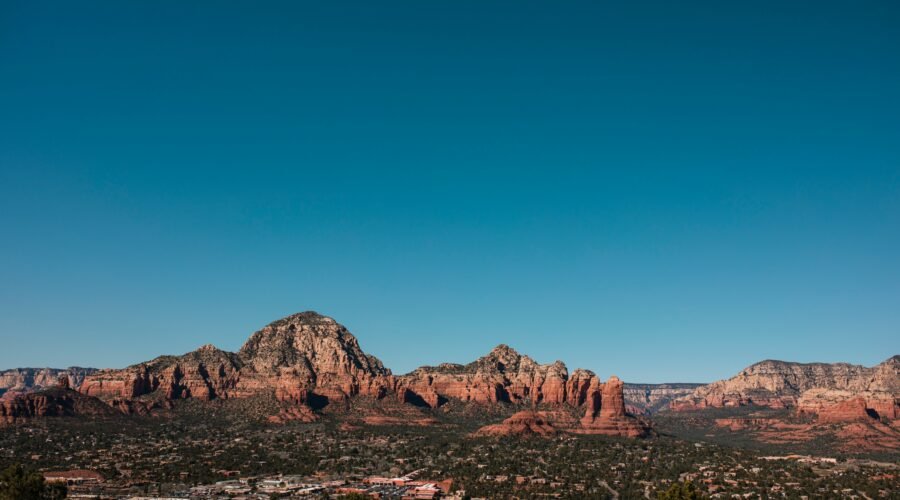
Thinking about a trip to Sedona? You’re probably picturing those stunning red rock formations, right? But before you pack your bags, you’re likely wondering about the best time to go, how crowded it gets, and what kind of hit your wallet will take. To cut to the chase, the sweet spot for Sedona is generally spring (March-May) and fall (September-November). These seasons offer fantastic weather, but they’re also the busiest and most expensive. Summer can be scorching, and winter brings cooler temps and fewer crowds, but some closures too. We’ll break down everything you need to know so you can plan your perfect Sedona adventure.
1. Decoding Sedona’s Seasons: Weather, Crowds, and Vibe
Understanding the rhythm of Sedona’s seasons is key to picking the right time for your visit. Each season offers a distinct experience, from bustling trails to serene solitude.
1.1 Spring (March-May): The Golden Window (and The Crowds)
Spring in Sedona is undeniably beautiful. The desert wildflowers are blooming, and the temperatures are just about perfect for hiking and exploring. Think comfortable highs in the 60s and 70s Fahrenheit (15-25°C) and cool, refreshing nights. This ideal weather, however, comes with a significant caveat: crowds.
- Weather: Expect sunny, clear skies with pleasant daytime temperatures. Low humidity makes even warmer days feel comfortable. Pack layers for cooler mornings and evenings.
- Crowds: This is peak season. Trails, restaurants, and accommodation fill up fast. Expect heavy traffic, especially on weekends and during spring break periods. Popular trailheads can have limited parking, and you might encounter waits at restaurants.
- Vibe: Energetic and vibrant. There’s a buzz in the air, with everyone eager to experience Sedona’s beauty. If you enjoy a lively atmosphere and don’t mind sharing the trails, spring is fantastic.
- Activities: Perfect for hiking, mountain biking, jeep tours, and exploring the vortex sites. Outdoor activities are at their prime.
- Cost Implications: Accommodation rates and flight prices are at their highest. Book well in advance (3-6 months) for the best selection and prices. Expect to pay premium rates for everything from jeep tours to dining.
1.2 Summer (June-August): The Heat Is On
Sedona summers are hot, plain and simple. Daytime temperatures regularly soar into the 90s and even 100s Fahrenheit (30-38°C+). While this deters some visitors, it can also offer a unique experience if you’re prepared.
- Weather: Hot and sunny, with afternoon monsoon storms common from late July through August. These can bring dramatic downpours and flash flooding, especially in canyons. Mornings are pleasant, but temperatures rise quickly.
- Crowds: Generally lower than spring and fall, especially during the hottest parts of the day. You’ll find fewer people on the trails mid-day. However, weekends can still draw crowds, and some budget-conscious travelers opt for summer.
- Vibe: More relaxed, especially during weekdays. You can find moments of solitude on trails if you go early. The monsoon season adds an element of dramatic beauty to the landscape.
- Activities: Early morning hikes are essential. Consider water-based activities like Oak Creek Canyon or visiting Slide Rock State Park (which can get very crowded itself). Afternoon siestas and enjoying air-conditioned indoor attractions are a good plan.
- Cost Implications: Accommodation and flight prices are typically lower than peak season, offering better value. However, don’t expect absolute rock-bottom prices as Sedona remains a popular destination. Some tour operators might offer slight discounts.
1.3 Fall (September-November): Another Peak Experience
Similar to spring, fall is another highly desirable time to visit Sedona. The intense summer heat dissipates, offering comfortable temperatures and beautiful autumn foliage, especially along Oak Creek Canyon.
- Weather: Ideal. Daytime highs range from the 60s to 80s Fahrenheit (15-27°C), with crisp, cool evenings. The monsoon season generally ends by mid-September, leaving clear, blue skies.
- Crowds: Just like spring, fall is incredibly popular. Expect significant crowds, especially in October when the fall colors are at their peak. Halloween weekend can also be surprisingly busy.
- Vibe: Similar to spring – lively and bustling. Many people come specifically for the vibrant fall colors along Oak Creek Canyon, adding another layer of appeal.
- Activities: Prime time for hiking, photography, and enjoying the changing leaves. All outdoor activities are highly recommended.
- Cost Implications: High season pricing. Accommodation, flights, and tours command premium rates. Book early to secure your preferred options.
1.4 Winter (December-February): Quiet Beauty and Potential Snow
Sedona winters offer a different kind of magic. While temperatures are cooler, the red rocks dusted with snow are a truly spectacular sight. It’s also the quietest time to visit, making it ideal if you prefer solitude.
- Weather: Cooler, with daytime highs in the 40s and 50s Fahrenheit (4-15°C) and nighttime lows often below freezing. Snowfall is occasional but creates stunning landscapes. Days are generally sunny.
- Crowds: The lowest of the year, outside of specific holiday periods like Christmas and New Year’s, which can see a temporary increase. Fewer people on trails means more peaceful exploration.
- Vibe: Tranquil and serene. Many locals love winter for its calm atmosphere. The scent of woodsmoke often hangs in the crisp air.
- Activities: Hiking is still excellent, provided you dress appropriately. Horseback riding, jeep tours (dress warmly), and exploring art galleries are popular. Some higher-elevation trails might be inaccessible after heavy snow. Skiing is also nearby in Flagstaff.
- Cost Implications: Generally the most affordable time to visit, especially outside of holiday weeks. Accommodation and flights are typically lower. Some tours might operate on a reduced schedule.
If you’re planning a trip to Sedona, Arizona, understanding the best time to visit can greatly enhance your experience. For more insights on travel planning, including tips on how to navigate various destinations, you may find our related article on travel guidelines helpful. Check it out here: Travel Guidelines. This resource provides valuable information that complements your journey to Sedona, ensuring you make the most of your adventure.
2. The Cost of a Sedona Trip: Breaking Down Your Budget
Sedona isn’t a budget destination, but you can certainly make choices that align with your financial comfort. Understanding where your money will go helps manage expectations.
2.1 Accommodation: From Boutique to Budget-Friendly
This will likely be your biggest expense. Sedona offers a wide range of lodging, from luxurious resorts with red rock views to more modest motels and vacation rentals.
- Luxury Resorts: Expect to pay $400-$800+ per night for places like Enchantment Resort or L’Auberge de Sedona, especially during peak season. These offer amenities, fine dining, and often stunning views.
- Mid-Range Hotels/Boutique Inns: $200-$400 per night. Think the Orchards Inn, Bell Rock Inn, or unique bed and breakfasts. Many offer good locations and comfortable stays without the full resort price tag.
- Budget-Friendly Options: $100-$200 per night. Look for motels slightly outside the main tourist areas (e.g., in West Sedona) or chains like Best Western. Vacation rentals (Airbnb/VRBO) can also be a good option for groups or longer stays, often offering kitchens to save on food costs.
- Camping: The most affordable option. There are several national forest campgrounds around Sedona (e.g., Oak Creek Canyon, dispersed camping areas). Prices typically range from $15-$30 per night. Book well in advance, especially for developed campgrounds.
2.2 Transportation: Getting Around
Most visitors fly into Phoenix Sky Harbor International Airport (PHX), about a 2-hour drive south of Sedona.
- Rental Car: Essential for flexibility. Expect to pay $50-$100+ per day, depending on the season and vehicle type. Book your rental car far in advance, especially during peak times, as availability can dwindle. You’ll also need to factor in gas costs.
- Shuttle Services: Several companies offer direct shuttle service from PHX to Sedona (e.g., Arizona Shuttle). Costs typically range from $50-$80 per person one-way. This is a good option if you plan to stay in one area of Sedona and use the free Sedona Shuttle for trail access.
- Sedona Shuttle: There’s a free shuttle service that runs to several popular trailheads (e.g., Cathedral Rock, Soldier Pass) during peak seasons and weekends. This is a fantastic way to avoid parking headaches at busy trailheads, but it requires getting to a shuttle stop.
2.3 Food & Drink: Dining with a View
Sedona offers everything from fine dining to casual cafes.
- Fine Dining: $75-$150+ per person for dinner at upscale restaurants like Elote Cafe (reservations essential, often months in advance) or Mariposa Latin Inspired Grill, especially if you include drinks.
- Mid-Range Restaurants: $30-$60 per person for dinner. Plenty of options serving American, Southwestern, and international cuisine.
- Casual Dining/Cafes: $15-$30 per person. Think sandwich shops, pizza places, and breakfast spots. Groceries for packing lunches and snacks for hikes can significantly reduce your food budget.
- Alcohol: Arizona has state-controlled liquor prices, so expect similar restaurant markups as elsewhere. Buying from a grocery store for your accommodation is always more economical.
2.4 Activities & Tours: Enhancing Your Experience
Many of Sedona’s best activities (hiking, admiring views) are free. However, guided tours and paid attractions can add to your experience.
- Jeep Tours: $80-$150+ per person for guided off-road adventures. Look for reputable companies and check reviews.
- Hot Air Balloon Rides: A bucket-list item, but expensive. Expect $200-$300+ per person.
- Spa Treatments: Sedona is a wellness hub. Massages, facials, and other treatments can range from $150-$300+.
- Art Galleries/Shopping: Window shopping is free, but Sedona has many tempting art pieces and unique souvenirs. Set a budget if you plan to buy.
- National Park Passes: If you plan to visit multiple national parks or monuments in the area (e.g., Grand Canyon), consider an America the Beautiful pass ($80 annual). For Sedona, you’ll need the Red Rock Pass ($5 daily/$15 weekly) to park at many trailheads. This is often included with your rental car at some locations, but check.
3. Navigating the Crowds: Strategies for a Smoother Trip
Sedona is popular for a reason, but dealing with crowds can be frustrating. Here are some tactics to make your visit more enjoyable.
3.1 Timing is Everything
- Go during the Shoulder Seasons: Late spring (late May/early June) or early fall (early September) can still offer good weather with slightly fewer crowds than peak spring or October.
- Weekdays vs. Weekends: Always prefer weekdays if your schedule allows. Weekends see a surge in local and regional visitors.
- Early Mornings: Aim to be at popular trailheads right at sunrise or even before. You’ll catch beautiful light, cooler temperatures, and often beat the main rush. Many trail parking lots fill by 8-9 AM during peak season.
- Late Afternoons: Around 4-5 PM, many people head back, offering a window for slightly less crowded hikes. Stay for sunset for incredible views.
3.2 Utilizing the Sedona Shuttle
- Know the Routes and Schedule: During peak times, the free Sedona Shuttle runs to several of the most popular trailheads (Cathedral Rock, Soldier Pass, Dry Creek Road trails, Mescal Trailhead).
- Park and Ride: Plan to park your car at one of the designated free Park and Ride lots (e.g., North SR 179 and Posse Grounds Park). Follow signage carefully. This avoids the frustration of circling full trailhead parking lots.
- Check the Website: Always consult the official Sedona Shuttle website for current operating days, hours, and routes as these can change seasonally.
3.3 Exploring Beyond the Main Hotspots
- West Sedona Trails: While still popular, trails in West Sedona (e.g., Airport Mesa extension trails, Boynton Canyon beyond the main vortex site) can sometimes be less congested than those directly off SR 179.
- Less Famous Trails: Research slightly less-trafficked trails that still offer stunning views. AllTrails or local hiking guides can help you discover these gems. For example, parts of the Lime Kiln Trail or Munds Wagon Trail can be quieter.
- Red Rock Scenic Byway (SR 179) Alternatives: Instead of always driving the main drag, explore some of the scenic backroads or side routes where permitted.
3.4 Embrace the Off-Peak Moments
- Dining: Make dinner reservations, especially for popular spots. Consider dining slightly earlier (5 PM) or later (8 PM+) to avoid the peak rush. Alternatively, have a larger lunch and a lighter, casual dinner.
- Shopping: Shop during non-peak hours, such as mid-morning on a weekday, to browse galleries and stores more comfortably.
4. Packing Essentials for Your Sedona Adventure
Being prepared makes a huge difference, no matter the season.
4.1 Hiking Gear
- Sturdy Hiking Shoes: Essential for the rocky, uneven terrain. Ankle support is a plus.
- Layers: Even in summer, mornings and evenings can be cool. In winter, you’ll need multiple layers, including a warm jacket.
- Backpack: For water, snacks, layers, and essentials.
- Water Bottles/Hydration Pack: Crucial. The dry desert climate means you’ll dehydrate faster than you think. Carry more water than you think you’ll need.
- Sun Protection: Hat (wide-brimmed is best), sunglasses, and plenty of high-SPF sunscreen. The sun is intense at this elevation.
- Hiking Poles: Helpful for stability on steeper, rocky descents.
- Trail Map/App: Don’t rely solely on cell service. Download maps offline or carry a physical map. AllTrails and Gaia GPS are popular apps.
4.2 General Comfort & Safety Items
- First-Aid Kit: Band-aids, antiseptic wipes, pain relievers, blister treatment.
- Snacks: Energy bars, nuts, fruit to keep you fueled on trails.
- Camera: You’ll want to capture those views!
- Headlamp/Flashlight: If you plan on early morning or sunset hikes.
- Lip Balm: The dry air can cause chapped lips.
- Appropriate Clothing: Depending on the season, think breathable fabrics for summer, warm base layers for winter.
If you’re planning a trip to Sedona, Arizona, understanding the best time to visit can greatly enhance your experience. Factors such as weather, crowds, and costs play a crucial role in determining when to explore this stunning destination. For more insights on travel planning, you might find our article on travel tips and tricks helpful. Check it out here to ensure you make the most of your Sedona adventure.
5. Practical Tips for a Rewarding Sedona Experience
Beyond weather and crowds, a few practical tips can elevate your trip from good to great.
5.1 Plan Ahead, But Stay Flexible
- Book Early: For peak season visits, accommodation, popular tours (like jeep tours or hot air balloons), and even fine dining reservations should be made months in advance.
- Have a Backup Plan: If your desired trailhead parking is full, or a trail is closed, have a few alternative activities in mind.
- Check Conditions: Always check local weather forecasts, trail conditions, and any potential closures (due to snow, heavy rain, or maintenance) before heading out.
5.2 Respect the Environment (“Leave No Trace”)
- Stay on Marked Trails: This protects the delicate desert ecosystem and prevents erosion.
- Pack It In, Pack It Out: Don’t leave any trash behind, including organic waste like fruit peels.
- Respect Wildlife: Observe from a distance and never feed animals.
- Minimize Campfire Impact: If camping, use established fire rings and ensure fires are completely out.
- Don’t Disturb Artifacts: Sedona has historical and archaeological sites. Leave everything as you found it.
5.3 Engage with the Local Culture
- Visit Art Galleries: Sedona is a thriving art community. Spend time browsing the unique local art, especially in Tlaquepaque Arts & Shopping Village or on Gallery Row.
- Explore Spiritual Sites: Whether you believe in vortex energy or not, visiting sites like Airport Mesa, Bell Rock, or Cathedral Rock offers incredible views and a sense of calm. Approach them with an open mind.
- Local Events: Check the Sedona Chamber of Commerce website for any local festivals, farmers markets, or events happening during your visit. These can offer a glimpse into the local community.
By considering these factors and planning accordingly, you’re well on your way to experiencing the magic of Sedona without any unwelcome surprises. Enjoy those red rocks!
FAQs
1. What is the best time of year to visit Sedona, Arizona?
The best time to visit Sedona, Arizona is during the spring (March to May) and fall (September to November) when the weather is mild and the crowds are smaller.
2. What is the weather like in Sedona throughout the year?
Sedona experiences a semi-arid climate with hot summers and mild winters. Summer temperatures can reach over 100°F, while winter temperatures typically range from 40-60°F.
3. When are the peak tourist seasons in Sedona?
The peak tourist seasons in Sedona are during the summer months (June to August) and the winter holiday season (December to January). During these times, the town experiences higher crowds and accommodation costs.
4. What are the costs like during the peak tourist seasons in Sedona?
During the peak tourist seasons, accommodation costs in Sedona tend to be higher, and popular attractions may be more crowded. It is advisable to book accommodations and activities in advance during these times.
5. Are there any specific events or festivals that are worth considering when planning a trip to Sedona?
Sedona hosts several events and festivals throughout the year, including the Sedona International Film Festival in February, the Sedona Arts Festival in October, and the Sedona Winefest in September. These events can add to the overall experience of visiting Sedona.


[…] If you’re planning a trip to Mole Creek, Tasmania, understanding the best time to visit is crucial for an enjoyable experience. Factors such as weather, crowds, and costs can significantly impact your journey. For those interested in exploring similar travel insights, you might find the article on Sedona helpful. It provides a comprehensive overview of the best times to visit, including details on weather patterns and crowd levels. You can read more about it in this Ultimate Guide to Visiting Sedona. […]
[…] If you’re planning a trip to Zug, Switzerland, you might also find it helpful to read about the best times to visit other stunning destinations. For instance, check out this article on Sedona, Arizona, which discusses the weather, crowds, and costs associated with visiting this beautiful location. You can find more information in the article titled “The Ultimate Guide to Visiting Sedona: Weather, Crowds, and Costs” at this link. […]
[…] very different destinations, the same weather-crowd-cost framework also appears in this guide to visiting Sedona by weather, crowds, and costs. Phitsanulok’s tropical climate is very different, so use the comparison for planning style […]