Planning a trip to the historic city of Durham in North East England requires balancing weather conditions, seasonal crowds, and university-driven event calendars. The city’s dramatic medieval peninsula—crowned by Durham Cathedral and Castle overlooking the River Wear—offers distinctly different experiences across the seasons, from lively summer regattas to misty winter walks along the riverbanks.
Quick Answer
The best time to visit Durham, England is during late spring (May to early June) or early autumn (September to early October). These shoulder months provide comfortable temperatures (13°C–17°C / 55°F–63°F), manageable tourist numbers, scenic blooming gardens or vibrant fall foliage, and full access to cathedral towers and river activities without peak summer pricing.
Key Takeaways
- Peak Sightseeing Season: June through August delivers the warmest temperatures (averaging 19°C–20°C / 66°F–68°F) and longest daylight hours, but accommodation rates and crowd levels peak.
- Best Budget & Quiet Travel: January, February, and November offer the lowest lodging rates and quietest heritage sites, though days are short and damp.
- Major Event Surges: High accommodation demand occurs during the Durham Miners’ Gala (second Saturday in July), Durham Regatta (mid-June), and the biennial Lumiere Light Festival (November of odd-numbered years).
- University Schedule Impact: As a collegiate university city, term dates (October–December, January–March, April–June) and graduation weeks in early July heavily affect pub vibrancy and hotel availability.
Seasonal Overview: Durham at a Glance
Durham features a temperate maritime climate moderated by the North Sea, recorded continuously by the historic UK Met Office climate station at Durham University. While rain is distributed fairly evenly throughout the year, sunshine hours, temperatures, and daylight vary dramatically between seasons.
| Season | Avg High / Low | Daylight | Crowd Level | Best For |
|---|---|---|---|---|
| Spring (Mar–May) | 9°C to 15°C / 2°C to 7°C | 11–16 hours | Moderate | Garden walks, shoulder-season rates, mild sightseeing |
| Summer (Jun–Aug) | 18°C to 20°C / 10°C to 12°C | 15–17 hours | High / Peak | River Wear boating, outdoor festivals, extended hours |
| Autumn (Sep–Nov) | 9°C to 17°C / 3°C to 9°C | 8–13 hours | Low to Moderate | Foliage photography, cultural tours, cozy pub dining |
| Winter (Dec–Feb) | 6°C to 7°C / 1°C to 2°C | 7–9 hours | Low (exc. Christmas) | Budget travel, museum exhibits, cathedral choral services |
1. Spring in Durham (March to May)
Spring is a transition period when the city shakes off winter frosts and botanical spaces like the Durham University Botanic Garden and Crook Hall Gardens burst into bloom.
1.1 March: Emerging from Winter
March remains crisp and unpredictable, with average daytime highs around 9°C (48°F) and nighttime lows dipping to 2°C–3°C (36°F–37°F). Occasional morning frosts are common.
- Weather: Variable mix of sunny spells and cold showers.
- Crowds: Low, outside of the Easter weekend holiday.
- Costs: Off-peak hotel rates and high availability across the city center.
- Pros: Peaceful access to the Durham Cathedral Open Treasure exhibits; lower travel costs.
- Cons: Chilly winds, limited riverboat hire operations, shorter daylight.
- Consider it if: You want quiet heritage exploration and do not mind dressing in warm layers.
1.2 April: Lengthening Days and Spring Blooms
April sees temperatures rise to averages of 11°C–12°C (52°F–54°F). Daylight extends beyond 14 hours, encouraging outdoor exploration along the peninsula riverbanks.
- Weather: Typical British “April showers” interspersed with bright, mild intervals.
- Crowds: Moderate during school Easter holidays; calm during mid-week periods.
- Costs: Fair value for guesthouses and boutique hotels.
- Pros: Riverside woodlands and gardens begin blooming; pleasant walking conditions.
- Cons: Unpredictable rain requires waterproof footwear and an umbrella.
- Consider it if: You enjoy garden walks, photography, and balanced sightseeing conditions.
1.3 May: The Spring Sweet Spot
May is widely regarded as one of the best months to visit Durham. Temperatures average 15°C (59°F), and days are bright, settled, and long.
- Weather: Mild, pleasant, and consistently drier than late winter.
- Crowds: Moderate, with spikes during the Early May and Spring Bank Holiday weekends.
- Costs: Mid-range; early booking recommended for boutique riverside properties.
- Pros: Full seasonal operation for river cruise boats and outdoor café terraces along Saddler Street.
- Cons: Popular attractions become busy during bank holiday weekends.
- Consider it if: You want prime walking weather, scenic green landscapes, and comfortable daytime sightseeing.
Pro Tip: Visit Durham Cathedral’s central tower in late May. Clear skies provide unobstructed 360-degree views across County Durham and the Wear Valley.
2. Summer in Durham (June to August)
Summer is Durham’s high season. The city enjoys bustling outdoor markets, open-air concerts, and extended opening hours across all major cultural venues.
2.1 June: Riverside Activity and Regatta Season
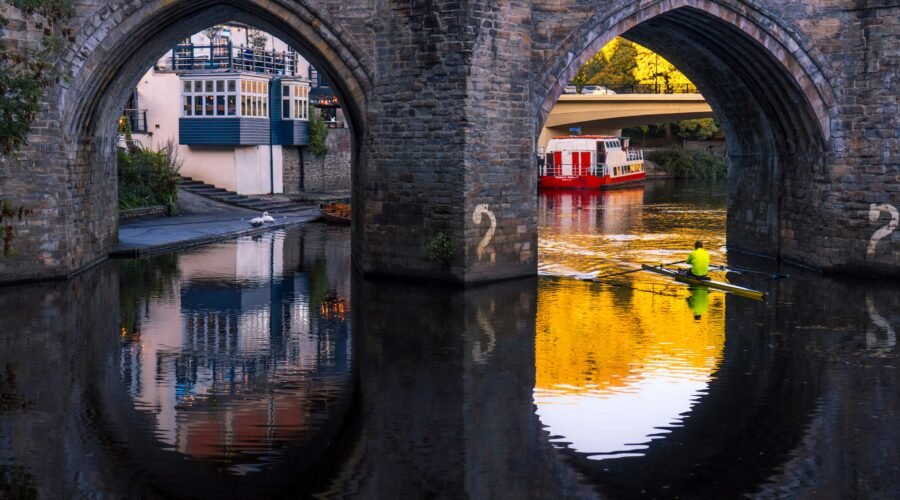
June brings average daily highs of 18°C (64°F) and daylight lasting up to 17 hours around the summer solstice. The historic Durham Regatta takes place along the River Wear on the second weekend of June, filling the banks with spectators.
- Weather: Warm, long daylight hours, and generally settled conditions.
- Crowds: High during regatta weekend; moderate to high throughout mid-June.
- Costs: Rising accommodation prices, especially for city-center locations.
- Pros: Classic summer atmosphere, traditional rowing competitions, extended museum hours.
- Cons: Riverside paths can become crowded on sunny weekends.
- Consider it if: You want optimal weather and classic British sporting events by the water.
2.2 July: Warmth, Culture, and the Miners’ Gala
July is historically the warmest month, with daytime temperatures averaging 19°C–20°C (66°F–68°F). On the second Saturday of July, the city hosts the massive Durham Miners’ Gala, a tradition dating back to 1871 that fills the streets with brass bands, banners, and tens of thousands of visitors.
- Weather: Warmest conditions of the year; pleasant evenings.
- Crowds: Peak levels. The Miners’ Gala weekend sees the entire peninsula closed to traffic with maximum density.
- Costs: Peak hotel rates; accommodation across County Durham often books out months in advance for Gala weekend.
- Pros: Vibrant cultural energy, lively beer gardens, and warm walking conditions.
- Cons: Premium pricing; high tourist density around the World Heritage Site.
- Consider it if: You want to witness the UK’s largest celebration of working-class heritage or desire peak summer warmth.
Warning: During Durham Miners’ Gala weekend and Durham University Congregation (graduation) weeks in early July, city-center hotels sell out months ahead, and central road closures are strictly enforced.
2.3 August: Family Vacations and Festival Season
August maintains warm temperatures around 19°C (66°F). It coincides with the UK school holiday period and family travel surges.
- Weather: Warm and generally sunny, with occasional late-summer thunderstorms.
- Crowds: Consistently high throughout the month.
- Costs: High season rates for transport and lodging.
- Pros: Ideal conditions for rowing boat hires on the Wear and day trips to nearby Finchale Priory.
- Cons: Queues at popular attractions such as the Cathedral Tower and Castle tours.
- Consider it if: You are traveling during school vacations and want access to family-oriented activities.
3. Autumn in Durham (September to November)
Autumn brings rich golden tones to the wooded riverbanks beneath Prebends Bridge. The city transitions from summer tourism to an energetic academic rhythm.
3.1 September: Crisp Weather and Golden Light
September delivers daytime averages of 16°C–17°C (61°F–63°F). Early September is often dry and peaceful as school holidays conclude and university term preparation begins.
- Weather: Mild, clear days with crisp mornings and golden evening light.
- Crowds: Moderate to low in early September; university returns in late September.
- Costs: Prices ease back to shoulder-season rates.
- Pros: Outstanding photography conditions along the riverbanks; peaceful historic exploration.
- Cons: Days begin shortening noticeably by month’s end.
- Consider it if: You want comfortable weather, fewer families, and authentic city atmosphere.
“September and early October offer the quintessential Durham landscape: morning river mists burning off to reveal medieval sandstone framed by autumnal canopies.”
3.2 October: Peak Foliage and Cozy Pubs
October brings cooler temperatures (highs around 13°C / 55°F) and vibrant autumn leaf color across the Wear gorge.
- Weather: Chilly, with higher rainfall probability and crisp, brisk afternoons.
- Crowds: Low to moderate; lively student presence in local cafés.
- Costs: Reasonable rates across hotels and bed-and-breakfasts.
- Pros: Beautiful fall colors at Palace Green; cozy fireside pub dining.
- Cons: Reduced daylight (sunset around 5:30 PM–6:00 PM).
- Consider it if: You enjoy autumn scenery, heritage walks, and uncrowded historical sites.
3.3 November: Early Winter and Biennial Light Art
November is cold, with averages ranging between 4°C and 9°C (39°F–48°F). It marks the transition to winter, punctuated biennially by the UK’s largest light festival.
- Weather: Cold, damp, and frequently overcast.
- Crowds: Very low, with the major exception of Lumiere Durham years.
- Costs: Low season pricing (except during festival dates).
- Pros: Intimate indoor museum visits; quiet cathedral cloisters.
- Cons: Early sunsets (around 4:00 PM) and chilly conditions.
- Special Event Note: Produced by arts charity Artichoke, the spectacular Lumiere festival takes place biennially in mid-November (odd-numbered years: 2023, 2025, 2027), drawing hundreds of thousands of visitors to illuminated architectural installations across the city.
4. Winter in Durham (December to February)
Winter brings a quiet, atmospheric charm to Durham’s cobbled streets, accentuated by festive markets in December and frosty mornings along the peninsula.
4.1 December: Christmas Markets and Cathedral Choirs
December temperatures hover between 2°C and 7°C (36°F–45°F). The city hosts the annual Durham Christmas Festival during the first weekend of the month.
- Weather: Cold, crisp, with occasional frosty mornings and rare light snowfall.
- Crowds: Moderate to high around Christmas markets and cathedral advent services; quiet mid-week.
- Costs: Moderate; higher on market weekends and over Christmas/New Year.
- Pros: Evensong services in the Norman cathedral, festive craft markets on Palace Green, and warm pub fires.
- Cons: Short daylight hours (sunset before 4:00 PM); chilly outdoor exploring.
- Consider it if: You want a traditional English Christmas atmosphere.
4.2 January: Quiet Heritage and Lowest Rates
January is statistically the coldest month in Durham, with highs of 6°C–7°C (43°F–45°F) and lows regularly dropping toward freezing (1°C / 34°F).
- Weather: Cold, crisp, and frequently gray, with occasional snow flurries.
- Crowds: The quietest month of the year for tourism.
- Costs: Lowest accommodation rates and travel deals across the board.
- Pros: Total tranquility in major sites; no wait times at the Oriental Museum or Castle tours.
- Cons: Cold weather, shorter operating hours at select outdoor sites.
- Consider it if: You are on a budget and prioritize crowd-free indoor sightseeing.
4.3 February: Crisp Days and First Snowdrops
February remains cold (averaging 7°C / 45°F high), but daylight begins to stretch out toward 10 hours by the end of the month.
- Weather: Chilly and damp, with late-winter frosts.
- Crowds: Low, seeing minor bumps during UK school February half-term.
- Costs: Highly affordable accommodation options.
- Pros: First snowdrops emerge in cathedral gardens and river paths; peaceful atmosphere.
- Cons: Unpredictable cold snaps require thermal layers.
- Consider it if: You want an economical, quiet cultural weekend getaway.
5. Special Considerations & Key Annual Events
Before confirming travel dates, check whether your itinerary coincides with these major annual events and institutional schedules:
Note: Durham Castle serves as University College, Durham. Interior tours are led by student guides and are subject to academic term access schedules. Always check the official Durham Castle Tour schedule in advance.
- Durham Regatta (Second Weekend of June): Britain’s second-oldest rowing regatta fills the riverbanks with race competitors and spectators.
- Durham Miners’ Gala (Second Saturday of July): Massive traditional trade union gathering celebrating mining history with brass band processions through the city.
- Durham BRASS Festival (Mid-July): International music festival bringing brass performances to streets, concert halls, and open spaces across the county.
- Lumiere Durham (November, Odd Years): Landmark light art festival transforming historic architecture; requires planning for transport and ticketed zone access.
- Durham Christmas Festival (First Weekend of December): Festive market stalls, lantern processions, and seasonal cathedral concerts.
- University Term Dates: Michaelmas Term (Oct–Dec), Epiphany Term (Jan–Mar), and Easter Term (Apr–Jun) bring student energy and demand to local dining.
Conclusion: Choosing Your Ideal Window
The ideal time to visit Durham depends on your personal balance of weather preference, cultural interests, and budget:
- For Ideal Weather & Balanced Crowds: Choose May to early June or September.
- For Festivals & Energetic Atmosphere: Visit in June or July (prepare for higher lodging rates and advance bookings).
- For Spectacular Fall Colors: Plan for October along the River Wear gorge.
- For Quiet Cultural Breaks on a Budget: Target January, February, or November (outside festival dates).
- For Seasonal Festivities: Travel in early December for traditional Christmas markets and choral services.
Regardless of the month you select, packing waterproof layers and comfortable walking shoes will ensure you enjoy the dramatic climbs and cobbled historic pathways of this World Heritage city.
Frequently Asked Questions
What is the best time to visit Durham, England for favorable weather?
The best time for warm, dry weather is between late May and August, when average daytime temperatures range from 16°C to 20°C (61°F–68°F) and daylight lasts up to 16–17 hours.
When is the peak tourist season in Durham, England?
Peak tourist season occurs during the summer months of June, July, and August, coinciding with school holidays, rowing regattas, and major events like the Durham Miners’ Gala.
What is the off-peak season in Durham, England?
The off-peak season spans the winter months from November through February (excluding Christmas event weekends). This period offers the lowest accommodation rates and fewest tourists at key cultural landmarks.
When can visitors expect lower costs for accommodations and attractions in Durham?
Hotel rates and travel packages are lowest in January, February, March, and November. Budget travelers will find competitive pricing on historic city-center boutique hotels and guesthouses during these months.
What months make up the shoulder season in Durham?
Durham’s shoulder seasons are spring (April to May) and early autumn (September to October). These months provide an optimal balance of manageable visitor numbers, comfortable temperatures, and good accommodation value.
Sources
- UK Met Office — Climate averages and regional historical weather data for Durham station.
- Durham Cathedral — Visitor service times, tower access schedules, and annual seasonal exhibitions.
- UNESCO World Heritage Centre — Heritage listing details for Durham Castle and Cathedral.
- Durham Miners’ Association — Annual calendar and scheduling for the historic Durham Miners’ Gala.
- Artichoke Trust — Official event scheduling and biennial cycle for Lumiere Durham.