Esperance, Western Australia, works well in every season, but the best time depends on what you want from the trip. For the strongest balance of warm weather, outdoor comfort and fewer summer-holiday crowds, March and April are excellent all-round choices. Choose spring for wildflowers, summer for long beach days, or winter for whales and quieter sightseeing.
Quick Answer
For most travellers, March and April offer the best balance in Esperance: warm days, good beach weather and less pressure than the Christmas and summer-holiday rush. Visit from August to November for wildflowers, June to October for migrating whales, and December to February if swimming and long beach days are your main priorities.
Key Takeaways
- Best overall: March–April for warm conditions and a good balance between beach time and sightseeing.
- Best for wildflowers: August–November, with many displays peaking through spring.
- Best for whale watching: June–October along the Esperance coast.
- Best for beaches: December–March, remembering that very hot days and bushfire conditions can occur.
- Quietest period: Winter is generally calmer, although weather is cooler and wetter.
- Book ahead: The local visitor centre warns that accommodation can fill quickly from September through April.
Best Time to Visit Esperance by Season
Esperance has a temperate south-coast climate with warm summers and cool, wetter winters. Long-term Bureau of Meteorology climate statistics for Esperance show that average daytime highs range from about 17.3°C (63°F) in July to 26.3°C (79°F) in February.
Esperance is milder than many travellers expect: its average summer highs are around 25–26°C, while July averages about 17°C during the day. Extreme heat can still occur, so averages should not be treated as a daily forecast.
Summer (December to February): Best for Classic Beach Days
Summer brings Esperance’s longest days, lower average rainfall and some of its warmest weather. Bureau of Meteorology averages put daytime highs at about 24.7°C in December, 26.2°C in January and 26.3°C in February.
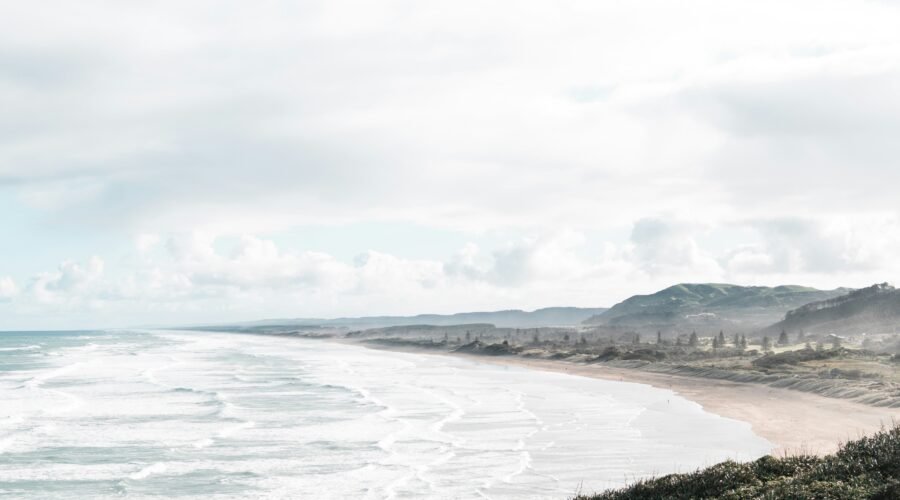
That makes summer appealing for Lucky Bay, Twilight Beach, snorkelling, swimming, coastal drives and long days outside. However, Esperance can also experience occasional extreme heat, so check the forecast rather than assuming every summer day will be mild.
The Upside of Summer
- Excellent beach conditions: Warm air, long daylight hours and generally drier weather make summer a strong choice for swimming and coastal activities.
- Long days: More daylight gives you time to combine beaches, hikes and scenic drives without rushing.
- Lively atmosphere: Cafes, accommodation and popular attractions are active during the holiday period.
- Good access to major attractions: Cape Le Grand National Park, Lucky Bay and the Great Ocean Drive are natural summer priorities when conditions are suitable.
The Downside of Summer
- High booking pressure: Christmas, New Year and school-holiday periods can be especially busy.
- Higher demand: Popular accommodation and rental vehicles can disappear early, and prices may rise when availability tightens.
- Heat spikes: Although average temperatures are moderate, Esperance can experience very hot days.
- Bushfire conditions: DBCA warns that December to April can be very hot and bushfire risk can become very high in Cape Le Grand National Park.
Warning: Before driving into national parks or remote coastal areas, check current weather, road closures and Emergency WA alerts. Hot, windy conditions can quickly change fire and travel risk.
Autumn (March to May): Best All-Round Balance
Autumn is one of the easiest times to recommend, especially March and April. Average daytime highs ease from about 25.2°C in March to 23.3°C in April and 20.5°C in May. Rainfall gradually increases toward winter, but early autumn still provides plenty of useful outdoor days.
The Upside of Autumn
- Comfortable temperatures: March and April are warm enough for beaches while being comfortable for walking and national-park visits.
- Less summer-holiday pressure: The Christmas and January rush has passed, although accommodation can still be busy.
- Good photography conditions: Lower sun angles around mornings and evenings can provide attractive coastal light.
- Beach and hiking flexibility: You can build a trip around both the coast and walking trails rather than planning around midday heat.
- Potentially better value: Availability may improve outside major holidays, although prices vary by date and should not be assumed to be automatically low.
The Downside of Autumn
- Rain becomes more likely: Average rainfall rises noticeably from April into May.
- Shorter days: You lose some daylight compared with midsummer.
- Demand does not disappear: Visit Esperance considers September through April a period when accommodation can fill quickly, so March and April still reward advance booking.
Pro Tip: If you want one simple recommendation without planning around a specialist interest, look first at March or April. You keep much of the summer warmth while avoiding the heart of the Christmas and January holiday rush.
Winter (June to August): Whales, Rain and Quiet Scenery
Winter is cooler and wetter, but it offers experiences that summer cannot. Average daytime highs sit around 17–18°C, while average overnight lows are roughly 8–9°C. July is the wettest month in the Bureau of Meteorology’s Esperance climate record, averaging about 96.7 mm of rain.
The Upside of Winter
- Quieter sightseeing: Beaches, lookouts and walking areas generally feel less pressured than during warm-weather holidays.
- Whale watching: Southern right whales and their calves, with occasional humpback whales, can be seen around the Esperance coast from June to October.
- Dramatic scenery: Winter fronts can produce powerful seas, changing skies and excellent coastal photography.
- Better availability: Accommodation may be easier to secure outside school-holiday periods, although prices remain date-dependent.
- Cool-weather walking: Fine winter days can be comfortable for hiking if trails and weather conditions are suitable.
The Downside of Winter
- More rain: June, July and August are among the wettest months.
- Stormier conditions: DBCA notes that storms are common between May and October in Western Australia.
- Cold mornings and evenings: Warm layers and rain protection are important.
- Swimming is less appealing: Most beach-focused visitors will prefer warmer months.
- Weather can disrupt plans: Keep a flexible itinerary rather than committing every hour to outdoor activities.
For current regional whale guidance, Tourism Western Australia identifies the sheltered bays around Esperance as places where southern right whales and calves can be seen between June and October.
Spring (September to November): Best for Wildflowers
Spring steadily warms from an average daytime high of about 19.6°C in September to 23.1°C in November. Rainfall also trends downward from winter levels. The major seasonal attraction is wildflowers: Visit Esperance describes the regional wildflower season as running from August through November.
The Upside of Spring
- Wildflower displays: Native orchids, banksias, grevilleas and many other species appear across reserves and national parks.
- Comfortable walking weather: Spring is often well suited to trails and longer sightseeing days.
- Increasing warmth: Late spring becomes much more attractive for visitors who want some beach time.
- Birdlife and wildlife: Spring adds another reason to explore wetlands, heathlands and national parks.
- Photography: Wildflowers and fresh coastal landscapes provide some of the year’s strongest nature subjects.
The Downside of Spring
- Variable weather: Cool changes, rain and windy periods remain possible.
- Cooler water early in the season: September is more attractive for hiking and flowers than for a classic warm-water beach holiday.
- Demand can be strong: Spring should not automatically be treated as a low-crowd season. The local visitor centre warns that accommodation can fill quickly from September to April.
If you’re comparing seasonal travel-planning factors in other destinations, the existing guide to Quebec weather, crowds and costs covers the same planning questions in a very different climate.
Month-by-Month Esperance Weather and Trip Planning
The climate figures below use long-term Bureau of Meteorology averages for Esperance. They are climate normals, not a forecast for your particular trip.
| Month | Avg High / Low | Avg Rainfall | Planning Notes |
|---|---|---|---|
| January | 26.2°C / 15.8°C | 24.2 mm | Prime beach period; very strong holiday demand. |
| February | 26.3°C / 16.2°C | 24.6 mm | Warm beach weather; still book popular stays early. |
| March | 25.2°C / 15.3°C | 28.9 mm | One of the best all-round months. |
| April | 23.3°C / 13.3°C | 44.4 mm | Excellent for hiking, touring and mixed activities. |
| May | 20.5°C / 11.1°C | 69.6 mm | Cooler and wetter; useful for quieter sightseeing. |
| June | 18.1°C / 9.3°C | 79.6 mm | Whale season begins; pack rain gear. |
| July | 17.3°C / 8.4°C | 96.7 mm | Wettest month on average; school holidays can temporarily increase demand. |
| August | 18.0°C / 8.7°C | 87.1 mm | Whales plus the start of the broader wildflower season. |
| September | 19.6°C / 9.6°C | 59.9 mm | Excellent for wildflowers and walking; book accommodation ahead. |
| October | 21.3°C / 11.0°C | 47.2 mm | Strong wildflower and hiking month; whale season continues. |
| November | 23.1°C / 12.8°C | 34.6 mm | Warmer beaches and late-season wildflowers; demand builds. |
| December | 24.7°C / 14.5°C | 18.3 mm | Dry, beach-friendly and increasingly busy toward Christmas. |
When to Go for Specific Interests
Your ideal month changes depending on whether beaches, hiking, wildlife, photography or price matters most.
For the Beach Lover
If swimming, snorkelling and long beach days are the priority, December through March is the safest seasonal bet. Air temperatures are warm, rainfall is relatively low and daylight is generous.
March is particularly attractive because you retain summer-like warmth after much of the January holiday rush. Late November and April can also work well when the weather cooperates.
For the Nature Enthusiast and Hiker
March–April and September–November are strong windows for bushwalking because conditions are usually milder than during a heat spike.
Spring earns special attention for wildflowers. Visit Esperance says the broader wildflower season runs from August to November, with Cape Le Grand National Park, Woody Lake Nature Reserve and other sites among the places to explore.
Winter can also produce good walking days, but rain, storms and slippery surfaces make flexibility important.
For Whale Watching
Plan for June through October. Tourism Western Australia notes that sheltered bays around Esperance host southern right whales and calves, with occasional humpback whales also passing through.
Possible land-based viewing locations include areas along the Great Ocean Drive and farther east toward Cape Arid. Always observe wildlife responsibly and follow current approach-distance rules.
For the Budget Traveller
Do not rely on a season alone to guarantee the lowest price. Airfares, car rentals and accommodation can move sharply according to the exact date, remaining inventory, holidays and events.
Winter often gives you more accommodation choice outside school holidays, while March–May can offer a useful compromise between weather and demand. In spring, book earlier than you might expect because the local visitor centre treats September through April as a high-demand accommodation period.
For the Photographer
Every season offers a different subject rather than one universally superior period.
Autumn provides comfortable access to beaches, headlands and national parks with softer early- and late-day light.
Spring is the strongest choice for wildflower photography.
Summer provides long days and strong turquoise-water-and-white-sand scenes when the light and weather cooperate.
Winter brings dramatic seas, changing skies and whale opportunities.
Navigating Crowds: When to Seek More Space

Esperance rarely feels like a major city destination, but seasonal demand still matters. The most important distinction is between the Christmas/summer-holiday rush and the broader September–April booking period.
Highest Demand: Summer Holidays
December and January are the periods most likely to produce obvious holiday crowds, especially around Christmas, New Year and school holidays.
- Accommodation: Popular rooms, apartments and campsites can sell out.
- Beaches: Lucky Bay, Twilight Beach and other well-known locations receive more visitors.
- Parking: Arriving early improves your chances at popular day-use areas.
- Dining: Allow more flexibility for busy cafes and restaurants.
September to April: Book Earlier Than You Expect
Do not assume every spring and autumn date is quiet. Visit Esperance’s responsible-travel guidance warns that accommodation fills quickly from September to April.
March and April can still feel more relaxed than the Christmas period, but availability depends on school holidays, Easter, events and the exact dates you choose.
June to August: Generally the Quietest Period
Winter offers the best chance of low visitor pressure. It suits travellers who value quiet beaches, whale watching, moody photography and uncrowded drives more than warm swimming weather.
Understanding Costs: Making Your Budget Work

The time of year can affect your travel budget, but there is no reliable rule that one entire season will always have the lowest flights, rooms or car-hire prices.
Summer (December to February)
Demand is strongest around major holiday dates, so limited inventory can push prices upward.
- Flights: Compare multiple dates rather than assuming every summer fare is expensive.
- Accommodation: Reserve early for Christmas, New Year and school-holiday travel.
- Car hire: Earlier booking gives you more vehicle choice.
- Camping: Popular national-park campgrounds require advance planning and can fill during peak dates.
Autumn (March to May) and Spring (September to November)
These periods can offer a useful balance, but they should not automatically be labelled “cheap.” March and April remain within the local visitor centre’s September–April high-demand period, while spring attracts wildflower visitors.
- Flights: Search by exact date and compare midweek options when practical.
- Accommodation: March–May may provide better choice after the summer holidays, but Easter and events can change the picture.
- Spring: Reserve well ahead if wildflower season is your main reason for travelling.
Winter (June to August)
Winter often provides better accommodation availability and can be a useful value period, but do not assume every flight or rental car will be at its annual minimum.
- Accommodation: Look for flexible rates and longer-stay offers.
- Flights: Compare actual fares before choosing dates.
- Car hire: Availability may be easier outside school holidays.
- Activities: Build your trip around whales, scenic drives, cafes and flexible outdoor plans rather than relying on beach weather.
For another example of how weather, visitor demand and costs interact across the seasons, the existing guide to the best time to visit La Ronge, Saskatchewan uses the same travel-planning framework.
Planning Your Visit: A Practical Checklist
Booking Accommodation
- Book early from September to April: Local tourism guidance warns that accommodation can fill quickly during this broader peak period.
- Book even earlier for Christmas and January: These are among the most competitive dates.
- Compare accommodation types: Esperance offers hotels, motels, self-contained stays, caravan parks and camping options.
- Check cancellation conditions: Flexible bookings are valuable when weather is central to your plans.
Transportation
- Flights: Esperance Airport is currently served by Rex, with daily passenger flights between Perth and Esperance. The flight is roughly 90 minutes. Check the Shire of Esperance airport information and the airline’s current timetable before booking.
- Airport location: Esperance Airport is about 23 km north of town, so arrange onward transport.
- Car hire: A car is highly useful because many major beaches, national parks and viewpoints are outside the town centre.
- Driving from Perth: Allow about eight hours of driving in normal conditions, not including sightseeing stops.
- Road-trip stop: If you break the Perth journey, Hyden is one possible inland stop and is the town associated with the Wave Rock attraction.
Cape Le Grand National Park
Cape Le Grand National Park is one of the main reasons to visit Esperance. It includes Lucky Bay, beaches, bushwalking and the Frenchman Peak trail.
- Park entry fees apply: Check DBCA for the current amount before travelling.
- Camping requires planning: Lucky Bay and Le Grand Beach campgrounds are bookable, and popular dates fill early.
- Bring water: DBCA states that drinking water is not provided at Lucky Bay Campground.
- No pets: Dogs and other pets are not permitted in Cape Le Grand National Park.
- No campfires: Campfires are not permitted at national-park campgrounds.
- Remote-area preparation: Carry sufficient water, food, fuel, medication and first-aid supplies for your plans.
Cape Arid and More Remote Areas
Cape Arid National Park is much more remote than the main Esperance beaches. Some areas and tracks require four-wheel drive access, and road conditions can deteriorate after rain.
Do not assume a normal rental car is suitable for every route. Check park alerts, road conditions and rental-company restrictions before committing to remote tracks.
Beach and Coastal Safety
Esperance’s water can look calm while still containing strong currents, reef hazards or changing surf. West Beach, for example, is specifically noted for potentially strong rips and currents.
Warning: Never judge swimming safety from photographs or water colour alone. Check local conditions, avoid entering rough water beyond your ability, supervise children closely and follow signs or lifesaver advice where available.
Packing Essentials
- Sun protection: Sunscreen, a hat, sunglasses and protective clothing are useful year-round.
- Layers: Pack light clothing plus a warm jumper or fleece for cool mornings and evenings.
- Waterproof jacket: Particularly important from late autumn through spring.
- Walking shoes: Use footwear suited to the trails you plan to attempt.
- Swimwear: Essential for warmer-season trips and useful on suitable spring or autumn days.
- Water: Carry extra supplies when heading into parks or remote areas.
- Insect repellent: Useful in some locations and conditions.
- Camera or binoculars: Especially useful during wildflower and whale seasons.
Activities and Itinerary
- Lucky Bay and Cape Le Grand: Allow enough time rather than treating the park as a quick photo stop.
- Frenchman Peak: Attempt the steep walk only when weather and your fitness are suitable.
- Great Ocean Drive: Include coastal lookouts and beaches such as Twilight Beach.
- Wildflowers: Add dedicated reserve or national-park walks between August and November.
- Whales: Build in coastal viewpoints between June and October.
- Cape Arid: Research vehicle access and current road conditions before making it a day trip.
- Fitzgerald River National Park: Treat it as a more substantial excursion rather than squeezing it into an already full Esperance day.
- Tours: Reserve fishing charters, wildlife cruises or guided activities ahead during busy periods.
Note: Weather, bushfire conditions and road access can change quickly in regional Western Australia. Check official alerts again shortly before each long drive or national-park day, even if you researched the route before leaving home.
Ultimately, there is no single perfect month for every visitor. March and April are the strongest all-round picks for many travellers, while spring wins for wildflowers, winter for whales and quiet scenery, and summer for people who want to build almost the entire trip around beaches. Match the season to your priorities, then check current forecasts, road conditions and accommodation availability before you lock in the itinerary.
Sources
- Australian Bureau of Meteorology — Esperance climate statistics — monthly temperature and rainfall averages.
- Visit Esperance — Wildflowers of Esperance — regional wildflower season and locations.
- Visit Esperance — Responsible Travel — peak accommodation period, road planning and whale-watching guidance.
- Department of Biodiversity, Conservation and Attractions — Cape Le Grand National Park — park access, activities, fees and safety information.
- Shire of Esperance — Esperance Airport — current scheduled Perth–Esperance air service information.
- Tourism Western Australia — Esperance — transport, attractions and whale-season planning.
Frequently Asked Questions
What is the best time to visit Esperance, Western Australia?
March and April are excellent all-round months because average daytime temperatures remain warm while the main Christmas and January holiday rush has passed. September and October are better if wildflowers and hiking are your priorities, while summer is best for a beach-focused trip.
What is the weather like in Esperance throughout the year?
Esperance has warm summers and cool, wetter winters. Bureau of Meteorology averages show mean daytime highs around 25–26°C in midsummer and about 17–18°C in winter. Rainfall is lowest in summer and highest through winter, especially July.
When is the peak tourist season in Esperance?
The most obvious holiday rush occurs around December and January, especially Christmas, New Year and school holidays. However, Visit Esperance warns that accommodation can fill quickly throughout the broader September-to-April period.
When is the off-peak season in Esperance?
June through August is generally the quietest period. You will trade warm beach weather for cooler temperatures, more rain, whale-watching opportunities and less visitor pressure. School-holiday dates can still create temporary spikes in demand.
How does the cost of visiting Esperance vary throughout the year?
Prices depend more on exact dates and remaining availability than on a simple seasonal rule. Christmas, January, school holidays and popular spring dates can become expensive when accommodation and vehicles fill. Winter often offers greater availability, but you should compare real fares and room rates before choosing dates.
When is wildflower season in Esperance?
The broader Esperance wildflower season runs from August through November. September and October are particularly useful months for combining flowers with comfortable walking weather.
When can you see whales in Esperance?
Whales migrate along the Esperance coast from June to October. Southern right whales and calves are the main attraction, while humpback whales are also occasionally seen.
Do you need a car when visiting Esperance?
A car is highly useful because many highlights are spread outside the town centre, including Cape Le Grand National Park and beaches along the Great Ocean Drive. For remote places such as parts of Cape Arid National Park, check whether four-wheel-drive access is required before setting out.