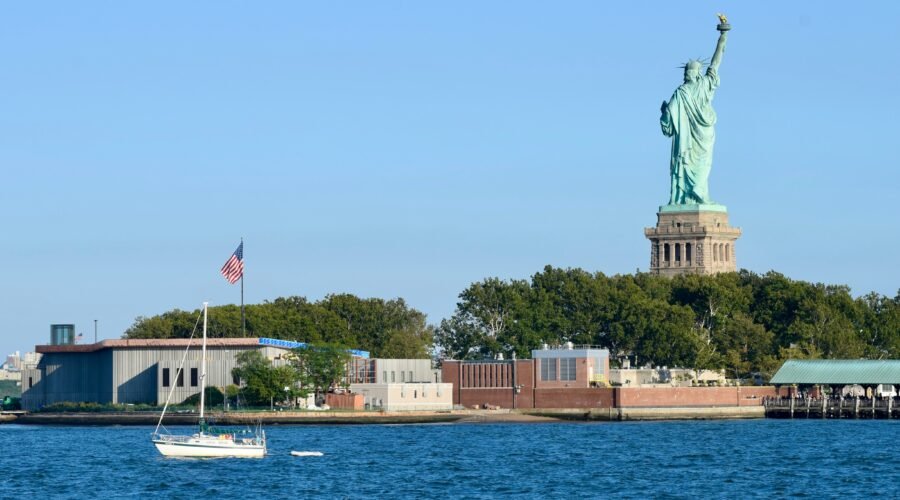
Jersey City, New Jersey, delivers a compelling blend of panoramic Manhattan skyline views, a nationally recognized culinary scene, diverse historic neighborhoods, and lush waterfront parks. Pinpointing the best time to visit depends on whether you prioritize patio dining and outdoor festivals, low hotel rates, or tranquil sightseeing along the Hudson River.
Quick Answer
The best time to visit Jersey City is during late spring (May to early June) and early fall (September to October). These months offer comfortable temperatures between 60°F and 78°F (15°C to 26°C), lower humidity, manageable crowds at major attractions like Liberty State Park, and peak conditions for walking the waterfront.
Key Takeaways
- Prime Weather: May, June, September, and October provide the best conditions for outdoor dining, waterfront strolls, and skyline photography.
- Lowest Prices: January and February offer the steepest hotel discounts, often 40% to 50% below summer peak rates.
- Peak Season: July and August bring high heat, humidity, and larger tourist volumes around waterfront ferry terminals.
- Transit Advantage: The 24/7 PATH train system allows quick, affordable transit into Lower and Midtown Manhattan for just $2.75 per ride.
1. Jersey City Seasonal Weather and Monthly Guide
Jersey City experiences four distinct seasons shaped by its coastal, humid subtropical climate. Understanding monthly weather patterns ensures you pack properly and schedule outdoor activities during optimal windows.
| Month | Avg High / Low (°F) | Avg High / Low (°C) | Rain Days | Seasonal Highlights |
|---|---|---|---|---|
| January | 39° / 26° | 4° / -3° | 8 | Lowest hotel rates; quiet museums; occasional snow. |
| February | 42° / 28° | 6° / -2° | 7 | Cozy indoor dining; minimal crowds; cold river breezes. |
| March | 51° / 35° | 11° / 2° | 9 | Late-winter transition; unpredictable temperatures. |
| April | 62° / 45° | 17° / 7° | 9 | Spring blooms at Van Vorst Park; mild sightseeing. |
| May | 72° / 54° | 22° / 12° | 10 | Outdoor rooftop bars open; prime walking weather. |
| June | 80° / 64° | 27° / 18° | 9 | Long daylight hours; outdoor street markets commence. |
| July | 85° / 70° | 29° / 21° | 9 | July 4th Freedom & Fireworks; peak summer tourist season. |
| August | 83° / 69° | 28° / 21° | 8 | Warm summer nights; waterfront concerts; high humidity. |
| September | 76° / 61° | 24° / 16° | 7 | All About Downtown Street Fair; crisp air; ideal climate. |
| October | 65° / 50° | 18° / 10° | 7 | Fall foliage along the Hudson; JCAST Art Tour. |
| November | 54° / 40° | 12° / 4° | 7 | Crisp autumn air; smaller crowds; holiday prep. |
| December | 44° / 32° | 7° / 0° | 8 | Holiday markets; festive downtown lights; cold waterfront winds. |
Spring: The Sweet Spot (April to June)
Spring marks the awakening of the city’s parks and outdoor venues. Early April remains moderately brisk, with temperatures climbing quickly toward May. By mid-spring, cherry blossoms bloom in Hamilton Park and Liberty State Park, and outdoor seating opens along the pedestrianized Newark Avenue.
- April: Transitional conditions with highs near 62°F (17°C). Light rain jackets and layered clothing are essential.
- May: Widely regarded as one of the best months of the year. Highs average 72°F (22°C) with low humidity and lush park greenery.
- June: Warmer days averaging 80°F (27°C) bring open-air markets, outdoor beer gardens, and scenic waterfront sunset walks.
Summer: Warm, Lively, and Event-Packed (July to August)
Summer brings vibrant street life, music festivals, and peak tourism. Temperatures regularly cross into the mid-80s to low-90s Fahrenheit (29°C to 34°C), paired with high Mid-Atlantic humidity and occasional late-afternoon thunderstorms. Waterfront areas like Exchange Place and Paulus Hook stay lively well past sundown.
- July: Peak warmth and highest tourist volume. Liberty State Park hosts major Fourth of July celebrations.
- August: Continues summer warmth with slightly easing evening crowds late in the month as locals head to the Jersey Shore.
Fall: Crisp Air and Peak Foliage (September to November)
Autumn is an exceptional travel window. Humidity drops rapidly in September, creating crisp, clear days with unobstructed views of the Manhattan skyline across the Hudson River. Fall foliage peaks across local parks between mid-October and early November.
- September: Summer warmth lingers early, transitioning into crisp, 76°F (24°C) days with minimal rainfall.
- October: Highs near 65°F (18°C) make this prime walking weather for exploring historic brownstone neighborhoods like Paulus Hook and Van Vorst Park.
- November: Cooler temperatures averaging 54°F (12°C) bring a quieter atmosphere and early holiday decorations.
Winter: Off-Peak Savings and Quiet Streets (December to March)
Winter brings cold temperatures and brisk winds along the Hudson River, but it also provides the lowest hotel prices of the year and quiet cultural venues. Temperatures hover near freezing, with occasional snowfalls dusting the waterfront.
- December: Festive neighborhood holiday decorations and easy access to NYC holiday markets via the PATH train.
- January & February: The coldest months, averaging 39°F to 42°F (4°C to 6°C). Ideal for budget-conscious travelers focusing on dining, coffee culture, and museums.
- March: A cool transition month where crowds remain light and early spring signs emerge by late March.
2. Navigating Crowds and Peak Seasons
Jersey City experiences crowd patterns driven by regional tourism, corporate travel, and its direct transit connection to New York City.
Peak Season Dynamics (June through August & Major Holidays)
Summer draws significant tourist traffic, particularly to waterfront hotels and transit hubs. Lines for the Statue City Cruises ferry at Liberty State Park reach peak wait times during summer weekends and major holidays (Memorial Day, July 4th, and Labor Day).
Pro Tip: If visiting Liberty State Park or catching the ferry to Ellis Island and the Statue of Liberty on a summer weekend, reserve the earliest morning departure (9:00 AM) to clear security checkpoints before peak lines form.
Shoulder and Off-Peak Dynamics
- Shoulder Seasons (April–May & September–October): These months offer balanced crowd levels. Sidewalks and transit remain easily navigable, restaurant reservations are accessible with modest advance planning, and parks offer ample open space.
- Off-Peak Season (January–March): Tourist volume drops significantly. You can explore popular attractions, brunch spots, and museums like the Liberty Science Center without reservations or lines.
3. Travel Costs and Budget Breakdown

Jersey City frequently serves as a cost-effective alternative to staying in Manhattan, but lodging rates fluctuate substantially based on the time of year and neighborhood location.
Accommodation by Season and Neighborhood
- Peak Season (Summer & December): Waterfront and Downtown hotels near Exchange Place, Harborside, and Grove Street average $250 to $420+ per night.
- Shoulder Season (Spring & Fall): Rates moderate to $180 to $300 per night.
- Off-Peak Season (January to March): Best value window, with rates dropping to $130 to $220 per night.
- Neighborhood Comparison: Staying in Journal Square or The Heights often saves 20% to 35% compared to waterfront properties, connected via the PATH train or NJ Transit bus routes.
Public Transportation Fares
Public transit provides fast, budget-friendly navigation across Jersey City and into Manhattan:
- PATH Train: Rapid transit connecting Jersey City (Newport, Exchange Place, Grove Street, Journal Square) to Manhattan (World Trade Center and 33rd Street line). Fares are $2.75 per ride, payable via contactless credit/debit/mobile wallet tap (TAPP system), MetroCard, or SmartLink.
- Hudson-Bergen Light Rail (HBLR): Connects local neighborhoods, Liberty State Park, and Hoboken. Fares are $2.25 per one-way ticket.
- NY Waterway Ferry: Scenic river transit connecting Paulus Hook and Harborside to Midtown and Lower Manhattan. Tickets range from $9.00 to $10.00 per single trip.
- Citi Bike (Jersey City / NYC): Extensive bike-share network throughout Downtown, offering single rides and day passes with dedicated waterfront protected bike lanes.
Note: All PATH turnstiles support contactless tap-and-pay through the TAPP system. You do not need to buy a physical transit card to cross into Manhattan; simply tap your credit card, debit card, or smartphone at the fare gate.
Dining and Entertainment Costs
- Budget Eats ($10–$18 per person): Authentic culinary corridors in Journal Square (Indian dining along Newark Avenue) and The Heights (pizzerias, Latin bakeries, and taquerias).
- Mid-Range Dining ($25–$50 per person): Sit-down gastropubs, Italian trattorias, and ramen shops throughout the Newark Avenue Pedestrian Plaza and Historic Downtown.
- Upscale Waterfront Dining ($60–$120+ per person): Fine dining along the Hudson River waterfront offering direct views of the Manhattan skyline.
- Attraction Fees: Liberty State Park and the Empty Sky 9/11 Memorial are completely free to enter. The Liberty Science Center general admission runs approximately $29 to $34 for adults.
4. Advantages of Visiting in the Slower Winter Season

While warmer months dominate travel brochures, visiting Jersey City between January and early March offers tangible advantages for travelers seeking lower expenses and unhurried exploration.
Substantial Savings on Accommodation
Hotel pricing in the New York metropolitan area experiences an annual low in January and February following the busy holiday rush. Travelers can frequently book premium 4-star waterfront hotels in Jersey City for rates comparable to budget accommodations in high summer.
Uncrowded Attractions and Seamless Dining
During the winter months, popular attractions like the Liberty Science Center, local art galleries, and historic sites have minimal foot traffic. Walk-in seating is readily available at acclaimed downtown restaurants that typically require weeks of advance reservations during the summer patio season.
Cozy Neighborhood Atmosphere
Winter showcases authentic local community life. The craft coffee shops, historic libraries, indoor markets, and neighborhood pubs across Van Vorst Park, Hamilton Park, and Paulus Hook provide a warm, relaxed atmosphere away from peak tourist congestion.
5. Tailoring Your Visit to Your Travel Style
Aligning your itinerary with Jersey City’s seasonal calendar ensures your trip matches your budget and personal interests.
For Walkability, Sightseeing, and Skyline Views
Target May, June, September, or October. Mild temperatures allow comfortable walking across the extensive Hudson River Waterfront Walkway and through the tree-lined streets of the Historic Downtown district without extreme temperature swings.
For Budget-Conscious Travelers
Plan your stay for January through March or mid-November (excluding Thanksgiving week). You will find the lowest room rates, reduced flight prices into Newark Liberty International Airport (EWR), and frequent promotional offers.
For Festivals, Nightlife, and Outdoor Entertainment
Choose July, August, or September. Major signature events activate the city during this window:
- Jersey City Freedom & Fireworks (July 4): Large-scale fireworks display and festival along the Hudson River waterfront and Liberty State Park.
- Jersey City Pride Festival (August): One of the largest LGBTQ+ pride celebrations in the state, centered along the Newark Avenue Pedestrian Mall.
- All About Downtown Street Fair (September): Premier street festival featuring hundreds of local artisans, food vendors, live music stages, and craft breweries.
- Jersey City Art & Studio Tour / JCAST (October): A citywide weekend showcasing hundreds of local artists, visual galleries, open studios, and performances.
For Dual Jersey City and NYC Itineraries
If you plan to use Jersey City as your home base for exploring Manhattan, shoulder seasons provide the ideal balance. The 10-minute PATH train ride delivers you directly to the World Trade Center or 14th Street/33rd Street stations, allowing you to return each night to a quieter, spacious waterfront setting.
Frequently Asked Questions
What is the best time of year to visit Jersey City, New Jersey?
The best time to visit Jersey City is from May to early June and September through October. During these months, temperatures average between 65°F and 78°F (18°C to 26°C), rainfall is moderate, and conditions are ideal for outdoor dining, waterfront walks, and ferry excursions.
What is the weather like in Jersey City throughout the year?
Jersey City experiences four distinct seasons. Summers (July–August) are hot and humid with highs averaging 83°F to 85°F (28°C–29°C). Winters (December–February) are cold and brisk, averaging 39°F to 44°F (4°C–7°C) with occasional snow. Spring and autumn deliver mild, pleasant temperatures ranging from 55°F to 75°F (13°C–24°C).
When is the peak tourist season in Jersey City?
The peak tourist season runs from late June through August, alongside holiday weekends in December. During these periods, waterfront hotel rates reach their annual highs, and attractions like Liberty State Park experience larger weekend crowds.
When is the cheapest time to visit Jersey City?
The off-peak winter months of January and February are the most affordable times to visit. Hotel rates often drop 40% to 50% compared to summer peak pricing, and flights into nearby Newark Liberty International Airport (EWR) are frequently discounted.
What are the biggest annual festivals in Jersey City?
Major annual events include the Jersey City Freedom & Fireworks Festival on July 4th at Liberty State Park, the Jersey City Pride Festival in August, the All About Downtown Street Fair in September along Newark Avenue, and the Jersey City Art & Studio Tour (JCAST) every October.
Sources
- National Weather Service (NOAA) — Historical climate data, monthly temperature ranges, and precipitation averages for Jersey City and Hudson County, NJ.
- Port Authority of New York and New Jersey (PANYNJ) — PATH train fare schedules, route maps, and TAPP contactless fare payment standards.
- New Jersey Division of Parks and Forestry — Liberty State Park public hours, amenities, and seasonal event schedules.
- Statue City Cruises — Official ticketing, departure timetables, and visitor guidelines for ferry services departing Liberty State Park.
- City of Jersey City Cultural Affairs — Annual festival dates, community events, and cultural programming.