Santa Fe is a beautiful place to visit, and getting the timing right for your trip can make all the difference in your experience. Generally speaking, the sweet spot for Santa Fe travel tends to be late spring (May-early June) and early fall (September-early October). This is when you’ll find pleasant weather, fewer intense crowds compared to peak summer, and still-reasonable costs before or after the highest demand.
Santa Fe’s high desert climate means sunny days are the norm, but there’s more to it than just sunshine. Elevation (around 7,200 feet) plays a significant role in temperatures and how the air feels.
1.1 Spring (March – May)
Spring in Santa Fe is a season of transition, often beautiful but can be unpredictable.
- March: Still quite cool, with average daytime highs in the low 50s Fahrenheit (10-12°C) and nighttime lows often dipping below freezing. Snow is definitely possible, especially early in the month. Things are just starting to wake up, so you might see some early wildflowers. It’s a quieter time, which can be lovely if you’re prepared for cooler weather.
- April: Warms up noticeably, with highs in the mid-60s F (18-20°C). Nights are still crisp, typically in the 30s F (0-4°C). This is a drier month, generally speaking. While still off-peak, visitors start to trickle in as the weather improves.
- May: This is arguably one of the best months. Daytime highs comfortably in the 70s F (21-25°C), and nights are mild in the 40s F (4-9°C). The landscape is greening up, and wildflowers are blooming. It’s warm enough for outdoor activities without being overly hot. Humidity is typically very low.
1.2 Summer (June – August)
Summer is peak season for a reason – the weather is reliably warm and sunny, though it does come with some quirks.
- June: Starts off warm and dry, with average highs in the low 80s F (27-29°C). Nights are pleasant in the 50s F (10-15°C). The dry heat generally makes these temperatures feel comfortable, especially in the shade. It’s a popular month for outdoor exploration.
- July & August: These are the warmest months, with daytime highs often reaching the mid-to-high 80s F (29-32°C), occasionally touching the low 90s F (32-34°C). The big variable here is the “monsoon season” (mid-July to early September). This doesn’t mean constant rain, but rather afternoon thunderstorms that can be intense but usually short-lived. They’re often a welcome relief, cooling things down and bringing vibrant sunsets. Nights remain mild. While warm, the low humidity often prevents it from feeling oppressive like in more humid climates.
1.3 Fall (September – November)
Fall is another fantastic time to visit, especially for the stunning autumn colors.
- September: A truly wonderful month. The summer heat begins to break, with average highs in the mid-70s F (23-25°C). Nights are cool and pleasant, in the 40s F (4-9°C). The monsoon rains usually taper off, leaving clear, crisp days. This is when the aspens in the higher elevations start to turn brilliant gold, typically peaking in late September to early October. It’s a very popular time to visit.
- October: Continues the trend of beautiful weather, with highs in the mid-60s F (18-20°C) and cooler nights in the 30s F (0-4°C). The golden aspens are usually at their peak this month, making it a photographer’s dream. Clear blue skies are common. Be prepared for chilly mornings and evenings.
- November: The chill sets in. Highs in the low 50s F (10-12°C) and nights often below freezing. While still largely sunny, snow is possible, especially late in the month. Many art galleries and businesses will start to shift to winter hours or prepare for the holidays. It’s a quieter month, good for those seeking solitude.
1.4 Winter (December – February)
Winter in Santa Fe is often sunny and crisp, with occasional snow.
- December – February: Expect average daytime highs in the low 40s F (4-7°C) and nighttime lows well below freezing, often in the teens or 20s F (-9 to -2°C). Santa Fe does get snow, but it often melts during the day due to the strong sun. Heavier snowfalls can create a beautiful, festive atmosphere, especially around the holidays. This is ski season in the nearby Sangre de Cristos. While cold, the low humidity often means it doesn’t feel as biting as winter in other regions.
If you’re planning a trip to Santa Fe, New Mexico, it’s essential to consider not only the best time to visit but also how to make the most of your experience. For more insights on travel planning, you might find our article on the best travel tips for exploring the Southwest particularly helpful. You can read it here: Best Travel Tips for Exploring the Southwest. This resource offers valuable information on weather patterns, local attractions, and budget-friendly options to enhance your visit.
2. Crowds: Navigating Santa Fe’s Popularity
Santa Fe is a popular destination, and some times of year are significantly busier than others. Knowing when the crowds ebb and flow can help you plan for a more relaxed or vibrant trip.
2.1 Peak Season: Summer (June – August) & Early Fall (September – Early October)
These are arguably Santa Fe’s busiest times.
- What to Expect: Higher demand for accommodations, reservations often necessary for popular restaurants, more people at major attractions (Plaza, Canyon Road, museums), busier streets, and potentially longer waits for tours or activities.
- Why it’s Popular: Summer offers reliable warm and sunny weather, perfect for exploring. Early fall boasts incredible fall foliage and pleasant temperatures. Many visitors also tie their trips into popular festivals and events during these months.
- Impact on Experience: If you love a buzzing atmosphere, this is great. If you prefer a more tranquil experience, you’ll need to plan carefully, book ahead, and perhaps visit attractions right at opening or later in the afternoon.
2.2 Shoulder Season: Late Spring (May – Early June) & Late Fall (Late October – November)
These periods offer a nice balance of good weather and somewhat fewer crowds.
- What to Expect: A noticeable decrease in visitor numbers compared to peak season, but still lively. You’ll likely find more availability for hotels and dining, though popular spots might still require reservations. Attractions are busy but less overwhelming.
- Why it’s Appealing: The weather is usually very pleasant, and you get many of the benefits of peak season without the intense crowds. May, in particular, combines emerging greenery with comfortable temperatures before the summer rush. Late October/November can be beautiful for changing leaves and a quieter cultural experience before the holiday season.
- Impact on Experience: This is often the sweet spot for many travelers who want to enjoy Santa Fe’s charm without feeling overwhelmed. It’s easier to linger in galleries and museums without feeling rushed.
2.3 Off-Peak Season: Winter (December – February) & Early Spring (March – April)
These are generally the quietest times, with the exception of the holiday season.
- What to Expect: Minimal crowds, great deals on accommodations, easy restaurant reservations (though some might temporarily close or have reduced hours), and a very relaxed atmosphere around town. The city often feels more like a local’s Santa Fe.
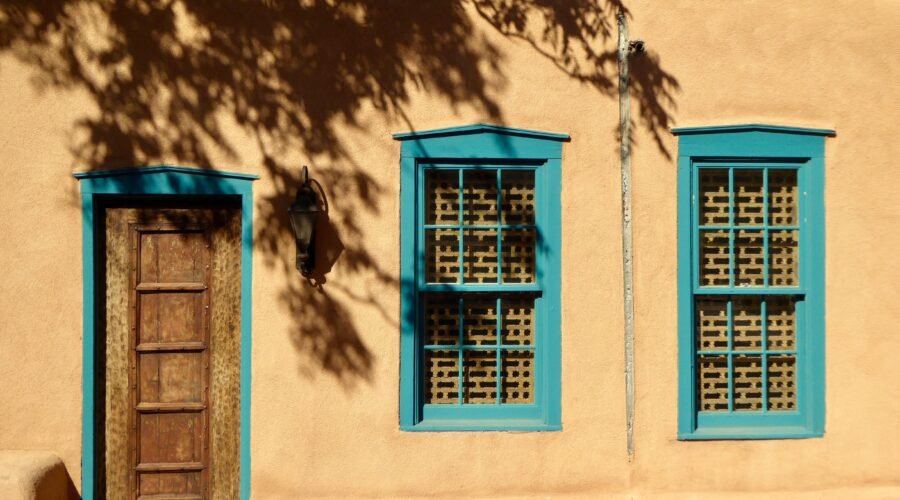
- Why it’s Appealing: If solitude and a slower pace are your priorities, this is your time. Winter brings a unique, magical quality, especially with snow on the adobe. Early spring offers improving weather at a fraction of the summer cost and congestion. Many locals love winter in Santa Fe precisely because the crowds have thinned.
- Impact on Experience: You’ll have most places to yourself, which can be wonderful for soaking in the atmosphere. However, some outdoor activities might be limited by weather, and certain businesses may have seasonal closures. Holiday periods (Christmas, New Year’s) can be surprisingly busy and festive, so plan accordingly.
3. Costs: Budgeting for Your Santa Fe Trip

Santa Fe can be as affordable or as luxurious as you make it. Understanding the cost drivers can help you plan your budget effectively.
3.1 Accommodation
This is often one of the biggest expenses, and prices fluctuate significantly based on season and day of the week.
- Peak Season (Summer & Early Fall): Expect the highest rates for hotels, B&Bs, and vacation rentals. A mid-range hotel could be $250-$400+ per night. Boutique hotels or luxury resorts can easily top $500+. Book well in advance (3-6 months) to secure good options and avoid sticker shock.
- Shoulder Season (Late Spring & Late Fall): Prices start to moderate. You might find a mid-range hotel for $180-$300 per night. There’s more availability, and you might snag better deals, especially on weekdays.
- Off-Peak Season (Winter & Early Spring, excluding holidays): This is when you’ll find the best deals. Mid-range hotels might drop to $120-$200 per night. If you’re flexible, you can often find excellent value. However, be aware that the weeks around Christmas and New Year’s can see rates spike back up to near-peak levels due to holiday demand.
- Budgeting Tips: Consider staying a bit outside the immediate Plaza area for potentially lower rates. Look into vacation rentals (Airbnb, VRBO) for longer stays or if traveling with a group. Booking directly with hotels can sometimes yield better loyalty member rates.
3.2 Dining
Santa Fe is a foodie paradise, and you can eat very well at various price points.
- High-End: Many excellent fine dining restaurants (think Geronimo, The Compound, Sassella) will easily cost $100-$200+ per person with drinks, tax, and tip. Reservations are almost always essential, especially on weekends and in peak season.
- Mid-Range: A vast array of fantastic restaurants serving New Mexican cuisine, Southwestern fare, and international dishes. Expect to pay $30-$60 per person for an entree and perhaps an appetizer or dessert. Many popular spots like The Shed, Tomasita’s, or Pasqual’s will fall into this category.
- Casual/Budget: Don’t skip the more casual spots! Food trucks, local diners, and small cafes offer delicious and authentic meals for $10-$25 per person. Look for “red or green?” specials at casual New Mexican diners for hearty, affordable eats. The Santa Fe Farmers Market also offers excellent, fresh, and often inexpensive food options on market days.
- Budgeting Tips: Breakfast and lunch are generally more affordable than dinner. Consider packing some snacks or making sandwiches if your accommodation has a kitchen. Happy hours can offer great deals on drinks and appetizers.
3.3 Activities & Attractions
While some attractions are free, many have entrance fees.
- Free/Low Cost: Many art galleries on Canyon Road (browsing is free!), window shopping, hiking trails (e.g., Dale Ball Trails), the Santa Fe Plaza, the Cathedral Basilica of St. Francis of Assisi. The New Mexico Museum of Art offers free admission on certain days.
- Mid-Range: Most museums (New Mexico History Museum, Georgia O’Keeffe Museum, IAIA Museum of Contemporary Native Arts) typically cost $15-$20 per adult. Entry to Pecos National Historical Park is free, but some special tours might have a fee.
- Higher Cost: Performances (opera, theater), cooking classes, hot air balloon rides, guided tours, and ski lift tickets (if applicable in winter) can range from $50 to several hundred dollars per person. Spa treatments at luxury resorts can also be substantial.
- Budgeting Tips: Look for museum passes if you plan to visit several. Check for combination tickets or discounts for seniors, students, or military. Prioritize the activities that truly interest you.
3.4 Transportation
How you get around can also impact your budget.
- Flying: Flights into Santa Fe (SAF) are usually more expensive than Albuquerque (ABQ), which is about an hour’s drive away. Weigh the cost savings against the convenience.
- Rental Car: Necessary if you plan to explore outside the immediate downtown area (e.g., Taos, national parks, hiking trailheads). Prices vary widely by season and demand.
- Local Transportation: Downtown Santa Fe is very walkable. The Santa Fe Trails bus system serves the city and is quite affordable. Ride-sharing services (Uber, Lyft) are available.
- Budgeting Tips: If saving money is a priority and you’re staying downtown, you might skip the rental car and rely on walking, buses, and occasional ride-shares. If flying into ABQ, consider the Sandia Shuttle Express or the New Mexico Rail Runner Express (train) to Santa Fe to avoid rental car costs for your initial transfer.
4. Packing Essentials: What to Bring

Santa Fe’s high desert climate and significant elevation mean layers are always a good idea, regardless of the season. The sun is intense, and temperatures can vary widely within a single day.
4.1 Clothing Layers
This is the golden rule for Santa Fe.
- Base Layers: T-shirts, tank tops, or light long-sleeved shirts. Even in summer, a light long-sleeve can offer sun protection.
- Mid-Layers: Fleece jacket, sweater, or a light cardigan. Essential for cooler mornings and evenings, even in summer.
- Outer Layers: A windbreaker or a waterproof shell, especially from spring through fall for potential afternoon showers or gusty winds. In colder months, a substantial winter coat is a must.
- Bottoms: Jeans, comfortable trousers, or shorts (in warmer months). For hiking, appropriate hiking pants are recommended.
4.2 Footwear
Comfortable shoes are paramount for exploring.
- Walking Shoes: Good quality walking shoes or comfortable sneakers are essential, as you’ll likely be doing a lot of walking on uneven sidewalks and around historical sites.
- Hiking Boots/Shoes: If you plan on hitting the trails, proper hiking footwear is highly recommended for support and traction.
- Dressier Options: If you’re planning fine dining or evening events, a pair of dressier but still comfortable shoes might be desired.
4.3 Sun Protection
The Santa Fe sun is intense year-round.
- Hat: A wide-brimmed hat is highly recommended to protect your face and neck.
- Sunscreen: High SPF (30+) sunscreen is non-negotiable. Reapply frequently, especially if you’re outdoors.
- Sunglasses: Good quality sunglasses are essential to protect your eyes from the bright glare.
4.4 Hydration & Elevation Preparedness
| Month | Weather | Crowds | Costs |
|---|---|---|---|
| January | Cold, occasional snow | Low | Low |
| April | Mild, occasional showers | Medium | Medium |
| July | Warm, occasional thunderstorms | High | High |
| October | Cool, clear skies | Medium | Medium |
Santa Fe’s high altitude and dry air require special attention.
- Reusable Water Bottle: Stay hydrated! Carry water with you constantly, even if you don’t feel thirsty. Dehydration can exacerbate altitude sickness symptoms.
- Lip Balm: The dry air can quickly chap your lips.
- Moisturizer: Your skin will appreciate some extra hydration.
- Consider Altitude Sickness: Some visitors experience mild symptoms like headache, fatigue, or shortness of breath for the first day or two. Drink plenty of water, avoid excessive alcohol and strenuous activity on arrival, and listen to your body.
4.5 Miscellaneous Goodies
- Camera: For capturing the stunning scenery, art, and architecture.
- Small Backpack/Daypack: For carrying water, snacks, layers, and souvenirs.
- Portable Charger: To keep your phone and devices powered during long days out.
- Guidebook/Maps: While online resources are great, sometimes an old-fashioned map or guidebook is helpful.
If you’re planning a trip to Santa Fe, New Mexico, understanding the best time to visit is crucial for maximizing your experience. For insights on how to navigate the weather, crowds, and costs during your stay, you might find this related article helpful. It offers valuable tips that can enhance your travel plans, ensuring you make the most of your time in this vibrant city. To learn more about travel tips and planning, check out this resource that can guide you in your journey.
5. Key Santa Fe Events: Planning Around the Calendar
Santa Fe has a rich calendar of events, many of which draw significant crowds and offer unique experiences. If you’re interested in a particular event, plan your trip around it – but be prepared for higher costs and more people.
5.1 Spring Events
Typically lower key, but can be a good time to catch local arts events.
- Santa Fe Art Week (May): A city-wide celebration of Santa Fe’s diverse art scene, with open studios, gallery events, and special exhibitions.
5.2 Summer Events
This is festival season, attracting huge numbers of visitors.
- Santa Fe International Folk Art Market (July): One of the largest folk art markets in the world, bringing artists from dozens of countries. Very popular and tickets sell out quickly.
- Santa Fe Opera Season (July – August): Internationally renowned open-air opera performances. A major draw for classical music lovers.
- Spanish Market (Late July): Features traditional Spanish Colonial art forms, held on the Plaza.
- Indian Market (Third Weekend of August): The largest and most prestigious Native American art market in the world. This is the busiest weekend in Santa Fe, with hotels booking up a year in advance and often commanding premium prices. If you’re coming for this, plan way ahead.
5.3 Fall Events
Beautiful weather often pairs with culturally significant events.
- Burning of Zozobra (Labor Day Weekend): A unique, quirky, and beloved Santa Fe tradition where a 50-foot effigy of “Old Man Gloom” is burned to release worries. A massive crowd gathers for this spectacle.
- Santa Fe Wine and Chile Fiesta (Late September): A five-day culinary extravaganza featuring local chefs, wineries, and guest chefs. Very popular with foodies.
- Santa Fe Independent Film Festival (October): Showcases a wide range of independent films.
5.4 Winter Events
The holiday season brings unique charm and distinct traditions.
- Canyon Road Farolito Walk (Christmas Eve): Thousands of paper lanterns (farolitos) line Canyon Road and the surrounding streets, creating a magical, glowing atmosphere. This is another incredibly popular event, drawing huge crowds. Bundle up!
- Ski Season (December – March): Ski Santa Fe is a popular destination for skiing and snowboarding, often opening around Thanksgiving. The city itself also lights up with holiday decorations.
Knowing when these events occur can help you either embrace the bustle (and plan accordingly) or strategically avoid them if a quieter trip is what you seek.
FAQs
1. What is the best time of year to visit Santa Fe, New Mexico?
The best time to visit Santa Fe, New Mexico is during the shoulder seasons of spring (April to May) and fall (September to October) when the weather is mild, and the crowds are smaller.
2. What is the weather like in Santa Fe throughout the year?
Santa Fe experiences a semi-arid climate with hot summers, mild winters, and low humidity. Summer temperatures can reach the 90s, while winter temperatures can drop below freezing.
3. When is the peak tourist season in Santa Fe?
The peak tourist season in Santa Fe is during the summer months of June to August when the weather is warm, and many cultural events and festivals take place, leading to larger crowds and higher costs.
4. What are the costs like in Santa Fe during different times of the year?
Costs in Santa Fe are generally higher during the peak tourist season in the summer, with increased prices for accommodations, dining, and activities. Visiting during the shoulder seasons or winter months may offer more affordable options.
5. Are there any major events or festivals that visitors should consider when planning a trip to Santa Fe?
Santa Fe hosts several major events and festivals throughout the year, including the Santa Fe Indian Market in August, the Santa Fe Wine & Chile Fiesta in September, and the Santa Fe International Folk Art Market in July. These events can attract larger crowds and may impact the overall experience and costs of visiting Santa Fe.