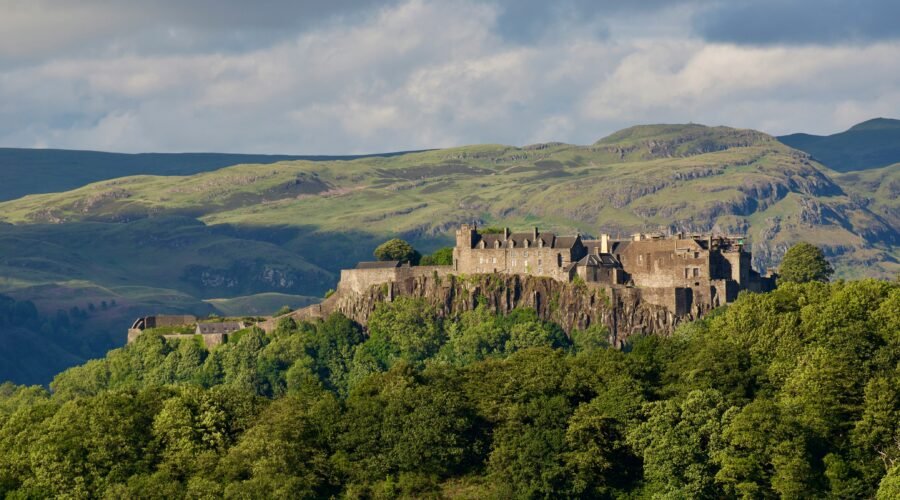
So, you’re thinking about heading to Stirling? That’s a great choice! It’s a place steeped in history, with that iconic castle dominating the skyline and plenty of other fascinating spots to explore. But when’s the absolute best time to go? Well, it’s not a simple one-size-fits-all answer, really. It depends on what you’re after: do you dream of mild weather and fewer queues, or are you on a tighter budget and don’t mind a bit of wind? Let’s break it down across weather, crowds, and cost to help you pinpoint your perfect Stirling trip.
Stirling enjoys a temperate maritime climate, which is a fancy way of saying it’s not usually extreme. Think mild, but also damp, with weather that can change pretty rapidly. No matter when you visit, packing layers and waterproofs is always a good idea.
1.1. Shoulder Seasons: The Sweet Spot for Many
These are often the real winners for a balanced visit.
Spring (March – May): A Gradual Awakening
As winter loosens its grip, Stirling starts to bloom. Temperatures slowly creep upwards, and while it can be a bit chilly, especially in March, you’ll see the landscape coming back to life. Days get noticeably longer, giving you more daylight for exploring.
- What to expect: Expect average temperatures to hover between 7°C (45°F) in March and 14°C (57°F) by May. Rainfall is still common, but often comes in shorter bursts. Spring is generally less windy than winter, which is a bonus.
Autumn (September – November): A Tapestry of Color
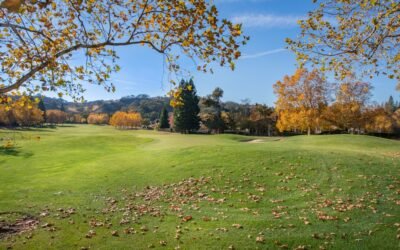
The summer crowds have dispersed, and the Trossachs National Park (a short drive away) puts on a spectacular show of autumn colors. The air can feel crisp and invigorating, and the light often has a beautiful golden quality, perfect for photography.
- What to expect: September can still feel quite mild, with temperatures around 16°C (61°F). By November, it’s definitely feeling wintery, dropping to around 7°C (45°F). You’ll encounter more rain and wind as the season progresses, but the dramatic skies can add to Stirling’s atmospheric charm.
1.2. Summer (June – August): The Warmest and Busiest
This is when you’re most likely to experience prolonged periods of decent weather. The days are long, and the temperatures are at their highest, making it ideal for walking, outdoor activities, and exploring the castle grounds without feeling the chill.
- What to expect: Temperatures typically range from 17°C (63°F) to 20°C (68°F), though heatwaves can push it higher. It’s also the wettest season, with August often being the most rainfall-heavy month. Don’t be surprised by sudden downpours – it’s Scotland, after all!
1.3. Winter (December – February): The Quiet and Cold
Stirling in winter has a stark beauty. The dramatic, often snow-dusted landscapes are breathtaking, and the city feels much more tranquil. If you love cozy pubs, dramatic skies, and don’t mind shorter days, this could be your time.
- What to expect: Temperatures are chilly, averaging between 2°C (36°F) and 7°C (45°F). Snowfall isn’t guaranteed but does occur, adding to the picturesque scenes. It’s also the windiest and wettest season, with short daylight hours meaning you’ll need to plan your sightseeing accordingly. Nights can be long, but if you’re lucky enough to see Stirling Castle dusted in snow, it’s unforgettable.
If you’re planning a trip to Stirling and want to make the most of your visit, you might find it helpful to read our related article on the Best Time to Visit Stirling: Weather, Crowds, and Costs. This guide provides valuable insights into the ideal seasons for exploring the historic city, as well as tips on how to avoid the busiest tourist times and manage your travel budget effectively. For more information, check out our affiliate disclosure here: Affiliate Disclosure.
2. Navigating the Crowds: When to Avoid the Bustle
Stirling’s popularity means that certain times of the year see significantly more visitors than others. If you prefer a more relaxed experience with fewer queues, this section is key.
2.1. Peak Season: Summer Mania
Unsurprisingly, summer is the most popular time to visit Stirling. School holidays in the UK and Europe mean families flock to historic sites.
- When it happens: Primarily July and August.
- What to expect: Expect longer lines at Stirling Castle, the Wallace Monument, and other major attractions. Accommodation will be at its most expensive and will book up quickly. Restaurants can be busier, and popular spots might require reservations. While there’s a great buzz, it can feel a bit overwhelming if you’re seeking peace.
2.2. The Shoulder Season Sweet Spot: Less Hectic but Still Lively
These are the periods where you get a good balance. The weather is often pleasant, and while there will be other visitors, it’s generally manageable.
- When it happens: Mid-April to May and September.
- What to expect: Attractions will be busy, but queues are usually shorter than in peak summer. You’ll find more availability for accommodation and potentially better prices. It’s a good time to enjoy the main sights without feeling constantly rushed or battling for space. You’ll still get plenty of daylight for sightseeing.
2.3. Off-Peak Tranquility: Winter’s Calm
If you’re looking to experience Stirling with very few other tourists, winter is your time.
- When it happens: November to February (excluding the Christmas and New Year period).
- What to expect: Attractions will be significantly less crowded, allowing for a more immersive experience at Stirling Castle and other historical sites. You might even feel like you have the place to yourself at times. Some smaller attractions or tours might have reduced opening hours or even close for the season, so it’s worth checking in advance. Accommodation prices are at their lowest. The major downside is the limited daylight hours and the colder, potentially harsher weather.
3. Budgeting Your Trip: The Cost Factor

Your travel dates can have a significant impact on the overall cost of your Stirling adventure, from flights and accommodation to even food and activities.
3.1. Summer Highs: Splurge Time
This is when you’ll likely spend the most.
- Why it’s expensive: High demand drives up prices for flights, hotels, and even car rentals.
- What you’ll pay more for: Flights into nearby airports like Edinburgh or Glasgow, B&Bs and hotels in Stirling and surrounding areas, and potentially popular tour operators.
- Tips for saving: Book very far in advance. Consider self-catering accommodation to save on food. Look for deals on attraction passes if you plan to visit several.
3.2. Shoulder Season Savings: A Balanced Approach
You can often find a sweet spot where costs are more reasonable, especially if you’re flexible.
- Why it’s more affordable: Demand is lower than in summer, so prices start to drop.
- What you’ll find better deals on: Accommodation will be more competitively priced. You might find better deals on flights midweek.
- Tips for saving: Mid-week travel can often be cheaper. Be on the lookout for early bird discounts for accommodation or attraction tickets.
3.3. Winter Lows: The Budget Traveler’s Dream
If your primary concern is keeping costs down, winter is your best bet.
- Why it’s cheap: Very low demand means businesses are keen to attract visitors.
- What you’ll pay less for: Flights will be at their cheapest, and accommodation prices can be a fraction of summer rates. Many restaurants might offer deals to entice diners.
- Tips for saving: This is the ideal time to splurge on longer stays or nicer accommodation without breaking the bank. Many attractions will have lower entry fees or special winter packages. Be mindful of limited daylight impacting how much you can see and do outdoors.
4. Planning Your Visit: Best Month-by-Month Breakdown

Let’s get down to the specifics. While the seasons give a good overview, individual months can offer nuanced advantages.
4.1. April: Spring’s Gentle Arrival
As winter fades, the days lengthen, and the first signs of spring appear.
- Weather: Mild but can still be unpredictable. Expect average highs of around 11°C (52°F) and lows of 3°C (37°F). Rain is likely.
- Crowds: Generally low. Easter holidays might see a slight uptick, but it’s typically a quieter month.
- Cost: Moderate. Prices begin to rise from the winter lows but are still reasonable.
- Good for: Enjoying attractions without significant crowds, seeing the landscape begin to green up, and taking advantage of fairer weather than winter.
4.2. May: Blossoming Beauty and Decent Weather
By May, spring is in full swing, and the weather often starts to hold.
- Weather: Pleasant and increasingly mild. Averages around 14°C (57°F) highs and 6°C (43°F) lows. Still a chance of rain.
- Crowds: Moderate. Picking up pace as summer approaches but not yet at its peak.
- Cost: Moderate to slightly higher than April.
- Good for: A great balance of decent weather, manageable crowds, and blooming scenery. The days are long, offering ample time for exploration.
4.3. September: Autumn’s Golden Hug
As summer recedes, September offers crisp air and beautiful light.
- Weather: Often one of the best months. Mild with average highs of 16°C (61°F) and lows of 8°C (46°F). Can be sunny but also prone to rain and increasing wind as autumn sets in.
- Crowds: Moderate. Summer holidaymakers have returned home, but it’s still a popular month.
- Cost: Moderate. Prices start to fall from summer highs.
- Good for: Fantastic autumn colors (especially if you venture slightly out towards the Trossachs), comfortable temperatures for walking, and a good blend of pleasant weather and fewer crowds.
4.4. October: Dramatic Skies and Fewer Footfalls
The autumn colors can be stunning, and the crowds noticeably thin.
- Weather: Cooler, with average highs around 12°C (54°F) and lows of 5°C (41°F). Expect more frequent rain and wind.
- Crowds: Low to moderate. After the main school holidays, it becomes much quieter.
- Cost: Moderate to low. You’ll start seeing better deals compared to September.
- Good for: Atmospheric and potentially dramatic landscapes, lower prices, and a more contemplative visit. If you’re a fan of moody skies and historical sites without the hustle, this is a great month.
4.5. November: Winter’s Impending Chill
The pre-Christmas period can be quiet, but the weather is definitely wintery.
- Weather: Cold and damp. Averages highs of 8°C (46°F) and lows of 2°C (36°F). Windy and rainy conditions are common.
- Crowds: Low. This is truly off-peak for most.
- Cost: Low. One of the cheapest months to visit.
- Good for: Budget travelers, those who don’t mind the cold and shorter days, and anyone seeking a profoundly uncrowded experience. The Christmas lights and festive atmosphere might start to appear later in the month.
If you’re planning a trip to Stirling, you might also find it helpful to read about the experiences of those who have explored the area. An insightful article about the team behind Lele Tours offers a glimpse into the local expertise that can enhance your visit. You can check it out here to learn more about how knowledgeable guides can help you navigate the best attractions and hidden gems in Stirling.
5. Special Considerations: Tailoring Your Trip
| Month | Weather | Crowds | Costs |
|---|---|---|---|
| January | Cold, wet | Low | Low |
| April | Mild, occasional rain | Medium | Medium |
| July | Mild, occasional rain | High | High |
| October | Cool, occasional rain | Medium | Medium |
Beyond the general weather, crowds, and costs, a few other factors might influence your decision.
5.1. Events and Festivals: Experiencing Stirling’s Buzz
Stirling occasionally hosts events that can either enhance or complicate your visit.
- Local Events: Keep an eye on local listings for things like Highland games (though these are more common in smaller surrounding towns), historical reenactments, or music festivals. These can add a vibrant dimension to your trip.
- Impact on Crowds and Cost: Major events will significantly increase crowds and drive up accommodation prices in the immediate vicinity. Booking well in advance is crucial if your visit coincides with a popular event.
- Where to Check: The official Stirling Council website and local tourism boards are good places to start.
5.2. Daylight Hours: Maximizing Your Sightseeing Time
This is particularly important if you’re visiting in the autumn or winter.
- Summer: Longest days, giving you over 15 hours of daylight in June. This means you can pack a lot into a single day without feeling rushed.
- Spring/Autumn: Days are getting longer or shorter. In May, you’ll have around 16 hours of daylight, while in October, it’s closer to 10-11 hours. This is still ample for most sightseeing.
- Winter: Shortest days, with barely 7-8 hours of daylight in December. This requires careful planning to ensure you can visit attractions and enjoy the outdoors before it gets dark. Dawn and dusk can be very beautiful times, however.
5.3. Activities Beyond the City Walls: Exploring Nearby
Stirling is a fantastic base for exploring the wider region.
- Trossachs National Park: Easily accessible for hiking, loch cruises, and wildlife spotting. Spring, summer, and early autumn are best for these activities.
- Loch Lomond: Another iconic Scottish destination within a reasonable drive.
- Cinemas and Indoor Attractions: If you’re visiting in winter and the weather isn’t cooperating, you can still find plenty to do indoors, including museums and distilleries further afield.
- Impact on Timing: If your main focus is on outdoor activities in the Highlands, you’ll want to aim for the warmer, drier months.
6. Final Recommendation: What’s Your Perfect Time?
Pulling it all together, the “best” time really boils down to your priorities.
6.1. The All-Rounder: Late Spring (May) and Early Autumn (September)
If you want a good chance of decent weather, manageable crowds, and beautiful scenery without the peak summer prices or winter chill, aim for May or September. These months offer the best of both worlds for many travelers.
6.2. The Budget Traveler: Winter (November – February)
For the most bang for your buck and the least crowded experience, winter is IT. Just be prepared for cold, wet, and short days – but Stirling’s historic charm still shines through, and a cozy pub becomes even more appealing.
6.3. The Sunshine Seeker: Early Summer (June)
If warmth and long days are your absolute top priority and you don’t mind slightly higher costs and more people, June is a solid choice. The weather tends to be good, and the landscape is vibrant.
6.4. The Photographer’s Delight: Autumn (October)
For dramatic skies, stunning fall colors, and a more contemplative atmosphere, October is hard to beat. Just pack your waterproofs and embrace the moody beauty.
Ultimately, Stirling is a fantastic destination at any time of year. By considering these factors, you can pick the period that best aligns with your ideal holiday, whether that’s a budget-friendly winter escape or a sun-drenched summer adventure. Enjoy your trip planning!
FAQs
1. What is the best time to visit Stirling in terms of weather?
The best time to visit Stirling in terms of weather is during the summer months of June to August, when the temperatures are mild and the days are long. However, it’s important to note that Scotland’s weather can be unpredictable, so it’s always a good idea to be prepared for rain and cooler temperatures, even in the summer.
2. When is the best time to visit Stirling to avoid crowds?
To avoid crowds, it’s best to visit Stirling during the shoulder seasons of spring (April to May) and autumn (September to October). During these times, the tourist attractions are less crowded, and accommodation and tour prices may be lower than during the peak summer months.
3. What is the best time to visit Stirling to save on costs?
Visiting Stirling during the off-peak months of November to March can help save on costs, as accommodation and tour prices tend to be lower during this time. However, it’s important to keep in mind that some attractions and accommodations may have reduced hours or be closed during the winter months.
4. What is the peak tourist season in Stirling?
The peak tourist season in Stirling is during the summer months of June to August, when the weather is most favorable. During this time, the city sees an influx of tourists, and popular attractions and accommodations may be crowded and more expensive.
5. What is the weather like in Stirling during the winter months?
During the winter months of November to March, Stirling experiences cold temperatures and shorter daylight hours. It’s not uncommon for the city to see snowfall during this time, so visitors should be prepared for winter weather conditions if planning a trip during these months.