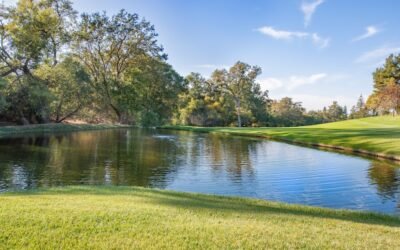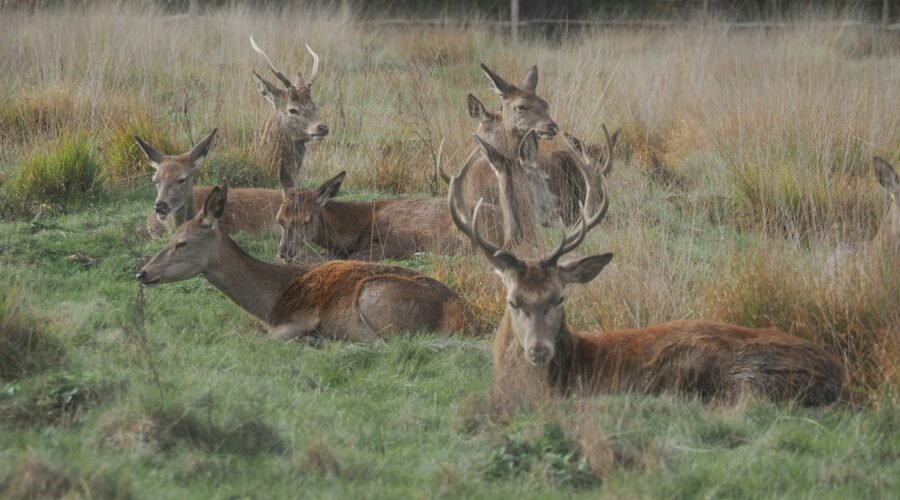
Choosing the best time to visit Red Deer, Alberta depends on what matters most to you. Summer offers the warmest weather, long days, festivals, trails, and water activities. September is a strong choice for cooler outdoor sightseeing. Spring can be quiet but unpredictable, while winter suits travellers who enjoy snow sports, skating, museums, and a slower pace.
Quick Answer
For most travellers, the best time to visit Red Deer is June through September. July and August bring the warmest average daytime temperatures and the fullest summer activity calendar, while September offers cooler weather and generally fewer major summer-event crowds. Winter is best if skiing, skating, snowshoeing, or snowy scenery is your priority.
Key Takeaways
- Best overall weather: July and August, when normal daytime highs are around 23°C.
- Best balance of weather and quieter sightseeing: September.
- Best for winter recreation: January and February, provided you are prepared for serious cold.
- Best for a quieter trip: April, May, October, and much of winter outside holiday and event dates.
- Do not assume one season is always cheapest: hotel and transport prices depend heavily on your exact dates and local events.
Best Time to Visit Red Deer at a Glance
| Month | Typical Conditions | Visitor Experience | Best For |
| January | Very cold, snowy | Usually quiet | Skiing, skating, indoor attractions |
| February | Cold winter weather | Usually quiet | Winter recreation |
| March | Cold to cool, variable | Low-season feel | Late winter and indoor activities |
| April | Cool, thawing, possible snow | Quiet | Low-key visits and museums |
| May | Milder but changeable | Generally relaxed | Spring walks and sightseeing |
| June | Mild to warm, long days | Moderate to busy | Trails and outdoor activities |
| July | Warmest part of summer | Busy around major events | Festivals, lakes, parks |
| August | Warm | Popular summer period | Outdoor recreation |
| September | Pleasant days, cool nights | Calmer than midsummer | Walking, biking, fall scenery |
| October | Cool with freezing nights possible | Quiet | Museums and late fall scenery |
| November | Cold, winter setting in | Generally quiet | Indoor and early holiday activities |
| December | Cold, short days, snow possible | Busier around holidays | Holiday lights and winter atmosphere |
These are planning guidelines rather than guarantees. Red Deer has a continental prairie climate, so individual days can be much warmer or colder than the long-term averages.
Summer: Warm Weather, Long Days, and Outdoor Activities
Summer in Red Deer generally runs from June through August for practical travel planning and is the easiest season for visitors who want long days and a wide choice of outdoor activities. Parks, trails, waterways, patios, markets, and seasonal attractions are all easier to enjoy when the weather cooperates.
Summer Weather: Warm Days and Cool Nights
According to Environment and Climate Change Canada’s 1991–2020 Climate Normals for Red Deer, July is normally the warmest month.
- June: Average high about 20.0°C (68°F), average low about 7.4°C (45°F), and daily mean about 13.7°C (57°F).
- July: Average high about 22.9°C (73°F), average low about 9.4°C (49°F), and daily mean about 16.2°C (61°F).
- August: Average high about 22.4°C (72°F), average low about 7.9°C (46°F), and daily mean about 15.2°C (59°F).
- Daylight: Summer brings long daylight hours, which makes it easier to fit outdoor sightseeing into one day.
- Rain and storms: Rain and thunderstorms can still occur in summer. Check the current forecast instead of assuming every summer day will be dry.
Hot spells can push temperatures well above normal, while evenings can feel cool after a warm afternoon. A light layer is useful even in midsummer.
Summer Crowds: The Busiest Event Period
Summer generally feels livelier because schools are out, outdoor attractions are operating, and the city holds major community events.
- Westerner Days: This major July fair can bring substantial activity to Red Deer. The 2026 edition ran July 15–19; future dates should always be confirmed on the official Westerner Days website.
- Canada Day and summer programming: Markets, concerts, patios, and community events add to summer demand.
- Weekends: Warm summer weekends can feel noticeably busier at lakes, parks, and seasonal family attractions.
Pro Tip: If your trip overlaps Westerner Days or another large event, compare hotel availability early. If your dates are flexible, shifting the trip by a few days can sometimes give you more accommodation choices.
Summer Costs: Compare Exact Dates
It is safer to compare actual travel dates than to assume every summer stay will be expensive. Hotel prices can rise when demand is strong, particularly around large events, holidays, and popular weekends, but rates vary by property and booking date.
- Accommodation: Reserve early if you need a particular hotel, room type, or location during a major event.
- Transportation: Compare fares to Calgary and Edmonton as well as your onward ground transportation costs.
- Activities: Parks and trails provide plenty of low-cost recreation, while commercial attractions have their own admission prices and operating calendars.
Summer Activities: Make the Most of the Outdoors
- Waskasoo Park: Red Deer has more than 110 kilometres of soft- and hard-surface trails through the Waskasoo Park system. The City of Red Deer trail information provides current maps and notices.
- Gaetz Lakes Sanctuary and Kerry Wood Nature Centre: The sanctuary contains roughly five kilometres of trails and protects almost 122 hectares of natural habitat. It is especially useful for a quieter nature-focused outing.
- Sylvan Lake: The nearby lake is a popular choice for swimming and boating activities during suitable summer weather.
- Red Deer River: Paddling and river activities are possible, but conditions and access should always be checked before launching.
- Markets and events: Summer farmers’ markets, concerts, festivals, and outdoor programming provide additional reasons to visit.
If you want to review this site’s publishing information before relying on its travel content, see the site disclaimer.
Fall: Cooler Weather, Colour, and a Calmer Pace
September and October bring a noticeable change in Red Deer. Warm summer conditions fade, daylight becomes shorter, and freezing nights become increasingly possible. For travellers who like walking and sightseeing without midsummer heat, September can be one of the most comfortable times to visit.
Fall Weather: Pleasant September, Colder October
- September: The 1991–2020 normals show an average high of about 17.8°C (64°F), an average low of about 3.0°C (37°F), and a daily mean of 10.4°C (51°F).
- October: The average high drops to about 10.4°C (51°F), while the average low is around -3.4°C (26°F).
- Changing conditions: Rain, frost, wind, and early snow are all possible as fall progresses.
September therefore offers a much different travel experience from late October. Pack layers and check the short-range forecast close to departure.
Fall Crowds: Generally More Relaxed
- After the summer peak: Once school resumes and major July and August events have passed, many outdoor areas can feel calmer.
- Event exceptions: Fall still has cultural and community events. The Central Alberta Film Festival, for example, is scheduled for October 7–10 in 2026, so individual weekends can be busier than the broader seasonal pattern suggests.
Fall Costs: Potential Value Without Guarantees
Fall can offer good value when your dates avoid major events, but there is no dependable rule that every hotel or transportation option will be cheaper than summer.
- Hotels: Compare several September and October dates rather than relying on a seasonal average.
- Weekdays: Weekday stays may offer different inventory and rates from weekends.
- Activities: Many outdoor activities remain inexpensive, but seasonal attractions may reduce hours or close as temperatures fall.
Fall Activities: Trails, Colour, and Indoor Culture
- Autumn scenery: River valleys, parks, and tree-lined trails can provide attractive fall colour, particularly during September.
- Walking and biking: Cooler temperatures can be comfortable for longer trail outings.
- Farmers’ markets: Early fall can still overlap with seasonal market activity and local produce.
- Indoor attractions: The Alberta Sports Hall of Fame and the Red Deer Museum + Art Gallery are useful options when the weather turns cold or wet.
Spring: Quiet, Changeable, and Gradually Warmer

April and May are transition months in Red Deer. Snow cover and frozen ground give way gradually to greener conditions, but spring weather is highly variable. A mild afternoon does not mean freezing nights are finished.
Spring Weather: Expect Rapid Changes
- April: Normal average high is about 10.1°C (50°F), while the average low remains around -3.0°C (27°F).
- May: Normal average high rises to about 16.8°C (62°F), with an average low near 2.7°C (37°F).
- Snow: Snow can still occur during spring, particularly earlier in the season.
- Thaw and mud: Trails and natural surfaces may be wet or muddy while frost leaves the ground.
- Wind: Breezy days can make temperatures feel colder, so layered clothing is useful.
Spring Crowds: Usually Quiet
- Lower visitor pressure: Outdoor tourism has not yet reached its summer rhythm, so many areas feel less hectic.
- Local experience: Spring can suit travellers who prefer museums, cafes, neighbourhood walks, and flexible sightseeing rather than a packed seasonal-attraction schedule.
Spring Costs: Shop for Value Rather Than Assuming It
Spring can sometimes produce attractive hotel rates because demand may be lower than on major summer-event dates. However, it should not be described as automatically the cheapest season.
- Compare several dates: Rates can vary significantly between weekdays, weekends, conferences, tournaments, and holidays.
- Check cancellation terms: Flexible bookings are useful when spring weather may change your outdoor plans.
- Build around free activities: Parks, trails, and self-guided sightseeing can keep the overall trip cost down.
Spring Activities: Wildlife, Walks, and Indoor Backup Plans
- Early greenery: Parks change quickly as temperatures rise, although natural trails may remain wet.
- Wildlife viewing: Spring migration and seasonal wildlife activity can make natural areas interesting. Observe animals from a respectful distance.
- Gaetz Lakes Sanctuary: The protected sanctuary offers about five kilometres of trails. Jogging, cycling, skiing, pets, and several other activities are prohibited inside the sanctuary, so check its rules before visiting.
- Indoor attractions: Keep the Alberta Sports Hall of Fame, Red Deer Museum + Art Gallery, and other indoor options available for cold or wet days.
- Summer planning: Spring is also a sensible time to reserve accommodation for major July and August events before availability tightens.
Winter: Snow Sports, Short Days, and Indoor Attractions

Winter in Red Deer is long and cold, but it also creates a completely different set of activities. Skiing, skating, cross-country skiing, snowshoeing, holiday lights, museums, and indoor attractions can make a winter trip worthwhile if you arrive with appropriate clothing and flexible plans.
Winter Weather: Cold With the Possibility of Severe Cold
- November: Normal average high about 1.1°C (34°F), average low about -10.5°C (13°F).
- December: Normal average high about -4.4°C (24°F), average low about -16.2°C (3°F).
- January: Normal average high about -5.6°C (22°F), average low about -17.6°C (0°F).
- February: Normal average high about -3.5°C (26°F), average low about -16.1°C (3°F).
- March: Conditions begin to moderate, with a normal average high around 1.3°C (34°F), although winter weather can persist.
Cold snaps can be substantially colder than these averages. Winter also brings much shorter daylight, so schedule outdoor activities earlier in the day and keep indoor alternatives available.
Warning: Winter highway conditions can change quickly in Alberta. Before driving to or from Red Deer, check current weather and the Government of Alberta’s 511 Alberta road-condition service. Carry proper winter clothing even if most of your trip is indoors.
Winter Crowds: Quiet Overall, With Holiday Exceptions
- General tourism: Winter normally feels quieter than the summer festival period.
- Holiday periods: Christmas, New Year, tournaments, and specific events can create short spikes in demand.
- Seasonal programming: Red Deer Lights the Nights brings festive lighting and family-oriented activities to downtown during the holiday season.
Winter Costs: Lower Demand Does Not Guarantee Lower Prices
- Accommodation: Some non-event winter dates may offer good hotel availability, but holiday weekends and sporting events can change the picture.
- Winter sports: Lift tickets, rentals, lessons, and other paid recreation can add significantly to the daily budget.
- Transportation: Compare the total cost of flying to Calgary or Edmonton and continuing to Red Deer, including bus or rental-car expenses.
Winter Activities: Ski, Skate, Snowshoe, or Head Indoors
- Skiing and snowboarding: Canyon Ski Resort is in Red Deer County, roughly 10 minutes east of the city. It offers downhill skiing, snowboarding, tubing, and other seasonal activities.
- Cross-country skiing: The City of Red Deer publishes winter and cross-country ski trail information for several parks and recreation areas.
- Snowshoeing: Natural areas can provide winter walking and snowshoeing opportunities when conditions allow.
- Ice skating: Outdoor skating is available seasonally when weather and ice conditions permit, with indoor skating as another option.
- Museums and galleries: The Alberta Sports Hall of Fame and Red Deer Museum + Art Gallery provide weather-independent sightseeing.
- Holiday activities: Markets, light displays, performances, and family events add variety from late November through the holiday season.
For additional destination material already published on this site, you can browse the Lele Tours travel guides.
Getting to Red Deer
Red Deer sits along Alberta’s Highway 2 corridor between Calgary and Edmonton, making road access straightforward from either direction.
Note: Red Deer Regional Airport currently does not offer public scheduled passenger service; charter service is available. Travellers flying commercially will normally look at Calgary International Airport or Edmonton International Airport and continue to Red Deer by road or intercity bus.
- By car: Highway 2 connects Red Deer with Calgary and Edmonton.
- By air: Compare flights into Calgary and Edmonton, then include the onward drive or bus journey in your planning.
- By bus: Tourism Red Deer lists intercity bus services connecting the city with other Alberta destinations and the major international airports.
- Winter travel: Check 511 Alberta before leaving because snow, ice, construction, or collisions can change travel times.
Which Season Is Best for You?
- For the easiest outdoor sightseeing: Choose July or August. You get the warmest normal daytime temperatures and a full summer activity calendar.
- For comfortable walking without midsummer heat: September is an excellent compromise.
- For fall colour: Aim for September into early October, understanding that timing changes from year to year.
- For a quieter visit: Consider April, May, October, November, or non-holiday winter dates.
- For winter sports: January and February provide the strongest winter atmosphere, although conditions should be confirmed before booking a specific activity.
- For festivals: Summer has the largest concentration of major outdoor events, including Westerner Days in July.
- For budget-focused travel: Compare multiple shoulder-season and non-event dates rather than assuming one particular month will always be cheapest.
Conclusion: Your Personal Best Time
The best time to visit Red Deer depends on the experience you want rather than one universally perfect month.
- July and August are the safest choices if warm weather, outdoor attractions, long days, markets, and festivals are your priorities.
- September offers a useful middle ground with mild daytime weather, cooler nights, and a calmer post-summer atmosphere.
- April and May suit flexible travellers who value a quieter trip and do not mind rapidly changing weather.
- January and February are best for travellers who actively want snow, skiing, skating, and a true Alberta winter experience.
No season guarantees sunshine, low prices, or empty attractions. Check the current weather, event calendar, accommodation rates, attraction hours, and road conditions for your exact travel dates. Doing that gives you a much more reliable Red Deer trip than choosing a month based on seasonal averages alone.
Frequently Asked Questions
What is the best time to visit Red Deer, Alberta for favourable weather?
July and August normally provide the warmest weather. Red Deer’s 1991–2020 climate normals show average daytime highs of about 22.9°C in July and 22.4°C in August. June is slightly cooler, while September can still be pleasant for outdoor sightseeing.
When is the busiest time to visit Red Deer?
Summer is generally the liveliest visitor period because outdoor attractions, markets, festivals, and school-holiday travel overlap. Individual event dates matter more than the season alone; Westerner Days in July is one period when accommodation demand can increase.
What is the quietest season in Red Deer?
Spring, late fall, and much of winter generally feel quieter than midsummer. Holiday periods, sporting events, conferences, and festivals can still create busy weekends, so check the local event calendar before booking.
When can I find cheaper hotels in Red Deer?
There is no month that is guaranteed to have the lowest hotel prices. Shoulder-season and non-event dates may offer better availability or rates, but compare several weekdays and weekends because local events can change demand quickly.
Is September a good time to visit Red Deer?
Yes. September is one of the better months for travellers who want comfortable walking weather without midsummer heat. The normal average high is about 17.8°C, although nights are much cooler and frost is possible later in the season.
Can I fly directly into Red Deer on a scheduled passenger flight?
At present, Red Deer Regional Airport does not offer public scheduled passenger service. Charter service is available. Most commercial air travellers use Calgary International Airport or Edmonton International Airport and continue to Red Deer by road or bus.
Is Red Deer worth visiting in winter?
Yes, especially if you enjoy skiing, snowboarding, skating, snowshoeing, cross-country skiing, holiday lights, museums, and indoor attractions. The trade-off is serious cold, short daylight, and potentially difficult highway conditions.
Which major events should visitors know about?
Westerner Days is a major July event, while the Central Alberta Film Festival is scheduled for October 7–10 in 2026. Red Deer Lights the Nights adds holiday programming from late fall into winter. Event dates change, so confirm the current year’s calendar before booking.
Sources
- Environment and Climate Change Canada — Red Deer 1991–2020 Climate Normals — monthly average temperatures and climate guidance.
- City of Red Deer — Trail Map — Waskasoo Park trail network and current trail information.
- Tourism Red Deer — Getting Here — road, air, bus, and airport travel options.
- Red Deer Regional Airport — Passenger Information — current public passenger-service status.
- Government of Alberta — 511 Alberta Highway Information — official highway conditions, incidents, closures, and winter travel information.
- Westerner Days — current information for Red Deer’s major July fair and exposition.