If you are considering a trip to Kilis, the weather-only sweet spot is generally April to May or October. These months avoid the harshest summer heat and the coldest, wettest part of winter. However, Kilis is a Syria-border province, so current government travel advice should come before weather, crowds, or price when you decide whether to go.
Quick Answer
For weather alone, April, May, and October are the most comfortable times to visit Kilis. June and September can already be hot, while July and August are very hot and dry. Before booking, check current government travel advice because Kilis lies in Türkiye’s sensitive border region with Syria.
Key Takeaways
- April and May bring steadily warmer spring weather without July–August heat.
- October is one of the most comfortable autumn months; September can still have average highs near 33°C.
- July and August are extremely hot, with long-term average daytime highs around 36°C.
- Winter is cooler and much wetter, but there is no reliable official evidence that it is always the cheapest season.
- Safety comes first: current government advisories place restrictions or warnings on areas close to Türkiye’s Syrian border.
Warning: Kilis Province borders Syria. As checked on September 1, 2026, the U.S. State Department advises against travel to Türkiye’s border region with Syria and Iraq and lists Kilis among provinces with U.S. government employee travel restrictions. The UK FCDO advises against all travel within 10 km of the Türkiye-Syria border. Check the advice issued for your nationality and your exact route before booking. Travel-insurance coverage may also be affected by official travel warnings.
Weather, transport, entry, and safety information in this guide was checked against official sources on September 1, 2026.
Kilis Climate at a Glance: Temperatures and Rainfall by Season
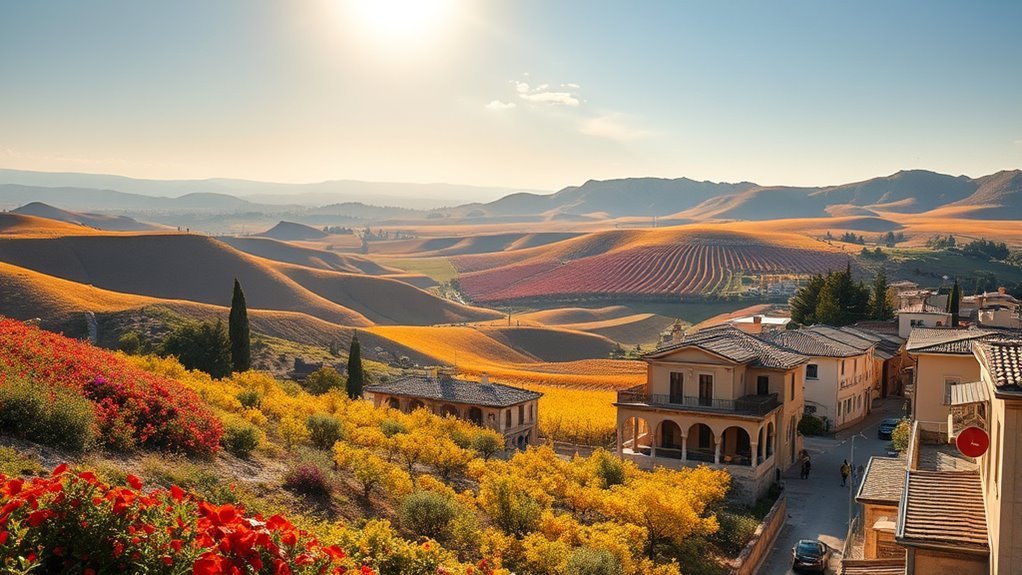
Kilis has a climate that shifts between Mediterranean and continental influences. Summers are hot and very dry, while winters are cooler and receive much more rain. Official long-term data from the Turkish State Meteorological Service show why choosing the right month makes a large difference.
| Month | Avg. High | Avg. Low | Avg. Rainfall |
|---|---|---|---|
| January | 9.9°C | 2.5°C | 83.5 mm |
| February | 11.8°C | 3.3°C | 69.7 mm |
| March | 16.2°C | 6.2°C | 68.3 mm |
| April | 21.7°C | 10.1°C | 47.7 mm |
| May | 27.7°C | 14.4°C | 26.7 mm |
| June | 33.0°C | 18.5°C | 8.9 mm |
| July | 36.4°C | 21.3°C | 2.9 mm |
| August | 36.4°C | 21.5°C | 6.8 mm |
| September | 32.9°C | 18.8°C | 6.4 mm |
| October | 26.5°C | 14.4°C | 33.4 mm |
| November | 18.4°C | 8.5°C | 55.3 mm |
| December | 11.8°C | 4.3°C | 84.9 mm |
The table makes two points clear. First, June and September are much hotter than a typical 20–25°C shoulder-season day. Second, rain is strongly concentrated from late autumn through spring, while July and August are exceptionally dry.
Official long-term records put Kilis’s average July and August daytime high at about 36.4°C, while April averages about 21.7°C and October about 26.5°C.
For long walks, historical architecture, and ordinary daytime sightseeing, April, May, and October provide the most useful balance. November is cooler but can also work if you do not mind a greater chance of rain.
Best Time to Visit Kilis: Quick Recommendation and Who It’s Best For
For weather alone, April to May and October are the strongest choices. April is mild, May is warm, and October usually cools down noticeably after the summer heat.
September is often described as an autumn shoulder month, but in Kilis it can still be hot: its long-term average maximum is approximately 32.9°C. June is similar, with an average high of about 33°C. Travelers who dislike heat should therefore avoid assuming that every part of spring or autumn is mild.
These months suit travelers who want to explore streets, cafés, cultural sites, and local food without planning the entire day around extreme temperatures.
Note: A month can have excellent weather and still be unsuitable for travel because of security conditions. In Kilis, always check your government’s latest Türkiye and Syria-border guidance separately from seasonal weather advice.
Spring in Kilis (Mar–May): Weather, Crowds, and Prices
Spring is the most convincing weather window in Kilis. March starts cool, April becomes comfortably mild, and May turns noticeably warmer.
Mild Weather Patterns
March has an average high of about 16.2°C, rising to 21.7°C in April and 27.7°C in May. Nights remain cooler, so a light jacket is useful, especially early in the season.
Spring also receives more rainfall than summer. March averages around 68 mm, April around 48 mm, and May around 27 mm. A compact umbrella or lightweight waterproof shell is useful in March and April.
If weather is your main concern, April is the gentlest spring month, while May is better if you prefer warmer afternoons.
Moderate Tourist Levels
There is not enough authoritative public data to label spring definitively as a “moderate tourist season” for Kilis. Unlike major Turkish leisure destinations, local demand can be influenced by business travel, family visits, public holidays, official events, and regional conditions as much as by holiday tourism.
That means you should compare accommodation availability for your exact dates rather than assuming spring will automatically be cheaper or quieter.
Pro Tip: If current travel guidance permits your trip, compare April and May dates separately. The weather changes quickly between them, with average daytime highs rising by about 6°C.
Summer in Kilis (Jun–Aug): Heat and Daily Timing
Summer in Kilis is defined much more by heat and dryness than by a proven tourism “peak season.” June’s average high is about 33°C, while July and August average around 36.4°C.
Intense Daytime Heat
During the hottest part of summer, outdoor sightseeing is more comfortable early in the morning or later in the day. Midday sun can make long walks tiring, and temperatures above 40°C are possible during severe hot spells.
| Time of day | Practical approach |
|---|---|
| Early morning | Best time for outdoor walking in hot weather. |
| Midday | Limit prolonged sun exposure and use indoor or shaded stops. |
| Late afternoon | Temperatures begin to ease, although heat can remain strong. |
| Evening | More comfortable for meals and ordinary city-center activity. |
Carry water, wear a hat, use sun protection, and choose breathable clothing. Heat-sensitive travelers will generally find April, May, October, or November easier.
Local Markets in Summer
Kilis has a strong food and market culture, but you should not rely on an unverified fixed weekly schedule. Market locations and operating days can change, and holiday periods or municipal arrangements may alter normal routines.
If markets are important to your trip, use current information from the municipality, your accommodation, or a local licensed guide rather than planning around an old Tuesday-or-Friday rule.
Evening Outdoor Life
Hot summer weather naturally makes evenings more comfortable for cafés, meals, and social activity. Public holidays and special municipal events can also create temporary crowd spikes.
However, recurring “night markets,” “lantern-lit concerts,” or other specific evening events should not be assumed unless they appear on a current official event calendar.
Autumn in Kilis (Sep–Nov): From Hot September to Mild October
Autumn changes quickly in Kilis. September is still hot, October is much more comfortable, and November becomes cool and wetter.
Average daytime highs fall from about 32.9°C in September to 26.5°C in October and 18.4°C in November. For travelers seeking comfortable walking weather, October is the strongest autumn choice.
November can also be pleasant for travelers who like cooler air, but rainfall rises to roughly 55 mm for the month and evenings become noticeably colder.
Pack light clothing for warmer autumn days but add a jacket or layer for evenings. By November, a rainproof outer layer is useful.
Winter in Kilis (Dec–Feb): Cold, Wet, and Quieter Weather
Winter brings Kilis’s coolest and wettest conditions. Average daytime highs are roughly 10–12°C, while average nighttime lows are around 2.5–4.3°C.
Rainfall is much higher than in summer, averaging about 85 mm in December, 84 mm in January, and 70 mm in February. Snow is possible, but it should be treated as an occasional weather event rather than the basis for a winter festival trip.
The original assumption that winter is always the cheapest season is too strong. Kilis does not have a reliable public seasonal hotel-price index that supports a guaranteed “lowest-cost” period.
If you travel in winter, compare current room rates for your exact dates and pack waterproof footwear, warm layers, and a weather-resistant outer coat.
When Kilis Gets Busy: Events, Market Days, and Weekly Rhythms
Local crowds can rise around national holidays, municipal events, celebrations, shopping periods, and special gatherings. These short-term peaks may matter more than conventional tourist “high season” patterns.
Festival and Event Periods
Do not assume that Kilis has the same annual festival schedule every year. Municipal concerts, national-holiday programs, cultural activities, and public events can change from one calendar year to the next.
If a particular event is central to your visit, verify it on an official local calendar before making non-refundable bookings.
Weekly Market Rhythm
A fixed Tuesday-and-Friday market pattern could not be verified from current official sources, so it should not be treated as permanent planning advice.
| What may affect crowds | How to plan |
|---|---|
| Local market schedules | Confirm current operating days locally. |
| National holidays | Expect possible closures, celebrations, or larger gatherings. |
| Municipal events | Check the current municipal event calendar. |
| Religious holidays | Opening hours and normal daily routines may change. |
Costs by Season: Lodging, Food, and Transport
Kilis does not have a dependable official season-by-season tourism-price index that supports a simple rule such as “summer is most expensive” or “winter is always cheapest.”
Accommodation prices can instead change according to your exact date, local demand, holidays, events, room inventory, and wider economic conditions. Compare the same hotel across several possible dates before deciding that one season offers better value.
Likewise, food and local transport prices should not be described as automatically cheaper because tourist numbers are lower. Many everyday prices are driven by local conditions rather than tourism demand.
If your goal is value, the practical strategy is to compare live rates in April, May, October, and November, then balance the price difference against weather and your government’s current travel advice.
Getting to Kilis and Planning Local Transport
The Kilis Provincial Directorate of Culture and Tourism identifies Gaziantep Airport as the nearest airport, approximately 46 km from Kilis. The remaining journey is by road.
Do not assume that a regular visitor-oriented public bus connects every archaeological or countryside site. Transport arrangements can vary by destination, and some sites may require a taxi, driver, organized transfer, or other locally confirmed option.
Security advice is especially important for road trips around the province. Follow restrictions issued by your government and Turkish authorities, avoid restricted border areas, and do not photograph military installations or operations.
Packing Checklist by Season and Practical Planning Tips
What you pack should change substantially by season.
- Spring: light layers, comfortable walking shoes, a light jacket, and rain protection.
- Summer: breathable clothing, sun hat, sunglasses, sunscreen, water bottle, and lightweight walking shoes.
- Autumn: warm-weather clothing for September, then increasing layers for October and November.
- Winter: warm layers, a waterproof jacket, closed shoes, and rain protection.
Carry secure copies of important travel documents, keep emergency contacts available offline, and read the terms of your travel-insurance policy carefully. Official government warnings can affect what an insurer will cover.
For Türkiye entry requirements, use the official Turkish Ministry of Foreign Affairs e-Visa portal. Whether you need a visa or qualify for visa-free entry depends on your nationality and travel document.
Türkiye’s unified emergency number is 112. Kilis also has the Kilis Prof. Dr. Alaeddin Yavaşca State Hospital. Access, specialist availability, and response times can vary, so travelers with important medical needs should make suitable preparations before departure.
Choose Your Trip Type: Warm Weather, Cooler Sightseeing, or Budget-Conscious Travel
If your government’s current advice permits your planned route, choose your month according to the experience you want rather than relying on broad “high season” labels.
For the mildest sightseeing: April is the strongest choice, with an average high around 21.7°C.
For warmer spring weather: May averages about 27.7°C during the day and receives much less rain than March or April.
For autumn comfort: October is far easier than September for travelers who dislike heat.
For cooler conditions: November offers daytime highs around 18.4°C, although rainfall becomes more frequent.
For heat lovers: June through September offers hotter, drier conditions, with July and August the most demanding months.
For budget-conscious travelers: compare live accommodation prices across several acceptable months. There is not enough reliable evidence to promise that one Kilis season is consistently cheapest.
Frequently Asked Questions
What is the best month to visit Kilis for comfortable weather?
April is the mildest overall choice, with an official long-term average high around 21.7°C. May is warmer at about 27.7°C, while October averages about 26.5°C. These recommendations describe weather only; check current border-region travel guidance before planning a visit.
Does the Syria-border travel warning affect Kilis?
Kilis Province borders Syria, so border-region warnings are directly relevant. As of September 1, 2026, the U.S. State Department advises against travel to Türkiye’s Syrian and Iraqi border region, while the UK FCDO advises against all travel within 10 km of the Syrian border. Check your own government’s current map and wording because restrictions can differ by nationality and exact location.
Are there visa requirements for visiting Kilis?
Kilis follows Türkiye’s national entry rules. Whether you need a visa depends on your nationality, passport, purpose of travel, and length of stay. Use Türkiye’s official e-Visa portal or your nearest Turkish diplomatic mission rather than relying on a general travel article.
Is English widely spoken by locals in Kilis?
Do not assume English will be available everywhere. Turkish is the practical language for everyday travel, so keeping essential Turkish phrases or an offline translation app available can make restaurants, transport, shopping, and other routine interactions easier.
Are there medical facilities in Kilis city center?
Kilis has the Prof. Dr. Alaeddin Yavaşca State Hospital, and Türkiye uses 112 for ambulance, fire, and police emergencies. Pharmacy opening and on-duty schedules can change, so confirm current information locally if you need medication outside standard hours.
Can I use public transport to reach nearby archaeological sites?
Do not assume that every archaeological site has a regular visitor-oriented public transport connection. Confirm transport for the specific site and date. More importantly, check current border-area security restrictions before planning travel outside central Kilis.
Are there safe options for solo female travelers in Kilis?
Solo-travel precautions such as using reputable accommodation, arranging reliable transport, staying aware of your surroundings, and sharing your itinerary remain useful, but they do not replace regional security guidance. Anyone considering Kilis—regardless of gender—should first confirm that the planned location and route are consistent with current official travel advice.
Are Tuesday and Friday definitely Kilis’s busiest market days?
A permanent Tuesday-and-Friday schedule could not be verified from current official sources. Market schedules can change, so use current municipal or local information rather than planning a trip around an unverified fixed weekday pattern.
Conclusion
For weather alone, April, May, and October are the best times to consider Kilis. April is mild, May is warmer and drier, and October brings relief after a hot September. July and August are very hot, while winter is cooler and wetter.
The more important issue, however, is Kilis’s location beside Syria. Current official travel advisories place restrictions or strong warnings on the border region, so check the latest advice for your nationality and exact route before making bookings. If travel is consistent with that guidance, use the seasonal weather data above to choose the most comfortable month.
Sources
- Turkish State Meteorological Service — Kilis Climate Statistics — monthly temperatures, rainfall, rainy days, and historical extremes.
- U.S. Department of State — Türkiye Travel Advisory — current border-region and southeastern Türkiye security guidance.
- UK Foreign, Commonwealth & Development Office — Türkiye Regional Risks — current Türkiye-Syria border travel warning.
- Republic of Türkiye Ministry of Foreign Affairs — e-Visa Portal — official visa eligibility and application information.
- Kilis Provincial Directorate of Culture and Tourism — How to Get There — road access and nearest-airport information.
- Kilis Prof. Dr. Alaeddin Yavaşca State Hospital — official hospital contact and access information.