Planning a visit to Blaundus near Uşak, Turkey? The best time to go is usually spring (April–May) or autumn (September–October), when temperatures are comfortable for exploring the ancient ruins, crowds are smaller than summer, and travel costs are often more reasonable.
Quick Answer
The ideal months to visit Blaundus are April, May, September, and October. These months offer mild weather, better walking conditions, fewer visitors, and a more comfortable experience at the archaeological site.
Key Takeaways
- Spring and autumn provide the best balance of weather, crowds, and costs.
- Summer offers long days but can be very hot for walking among ruins.
- Winter is quiet and budget-friendly but requires preparation for cold conditions.
At a Glance
| Best Months | April, May, September, October |
| Difficulty | Easy to moderate walking on uneven historical terrain |
| What to Bring | Walking shoes, water, sun protection, layers |
| Cost | Usually lower outside peak summer travel periods |
Pro Tip: Visit early in the morning during warmer months. You will avoid the strongest sun and have better conditions for photography.
Spring: The Best Balance for Visiting Blaundus
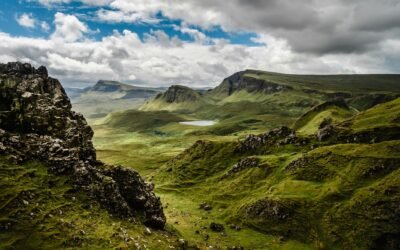
Spring is one of the most enjoyable seasons to explore Blaundus. From April through May, temperatures are generally comfortable for walking around the ruins, and the surrounding landscape becomes greener after winter.
- Weather: Mild daytime temperatures make long walks easier.
- Crowds: Usually lighter than the summer peak.
- Costs: Accommodation and travel expenses are often moderate.
Autumn: Comfortable Weather and Fewer Visitors
September and October are also excellent months for Blaundus. The summer heat fades, creating better conditions for exploring the archaeological remains.
- September: Warm days and cooler evenings make it especially pleasant.
- October: Cooler temperatures and softer light are ideal for photography.
Summer: Hot Weather but Long Days
Summer from June through August brings the warmest conditions. The site can be visited, but midday heat may make walking uncomfortable.
- Bring water and sun protection.
- Plan visits earlier or later in the day.
- Expect more visitors during holiday periods.
Winter: Quiet Exploration on a Smaller Budget
Winter offers solitude and lower travel costs, but colder weather can make outdoor exploration less comfortable.
- Rain, frost, and occasional snow are possible.
- Daylight hours are shorter.
- Check local road conditions before traveling.
Practical Tips Before Visiting Blaundus
Blaundus is an outdoor archaeological site, so preparation matters regardless of season.
- Footwear: Wear comfortable shoes because ancient sites often have uneven surfaces.
- Sun protection: Sunglasses, sunscreen, and a hat are useful in warmer months.
- Water: Carry enough drinking water, especially in summer.
- Layers: Spring and autumn evenings can feel cool.
Site Conditions and Accessibility
Weather can affect walking paths and road conditions. Heavy rain may make some areas muddy, while winter conditions can create slippery surfaces.
For the latest cultural heritage information, travelers can check official Turkish cultural resources before visiting.
Frequently Asked Questions
What is the best month to visit Blaundus?
April, May, September, and October are usually the most comfortable months because temperatures are mild and outdoor exploration is easier.
Is summer a good time to visit Blaundus?
Yes, but summer can be hot. Morning visits are recommended to avoid intense afternoon heat.
Is Blaundus worth visiting in winter?
Winter can be rewarding for travelers who prefer quiet sites and lower costs, but colder weather requires preparation.
Conclusion
The best time to visit Blaundus is during spring or autumn when the weather is comfortable and the site is easier to explore. Summer suits travelers who can handle heat, while winter offers a peaceful experience for visitors who prefer solitude. Choosing the right season will help you enjoy this remarkable ancient site near Uşak.
Sources
- Republic of Türkiye Ministry of Culture and Tourism — official cultural heritage information.
- Turkish State Meteorological Service — climate and weather information.