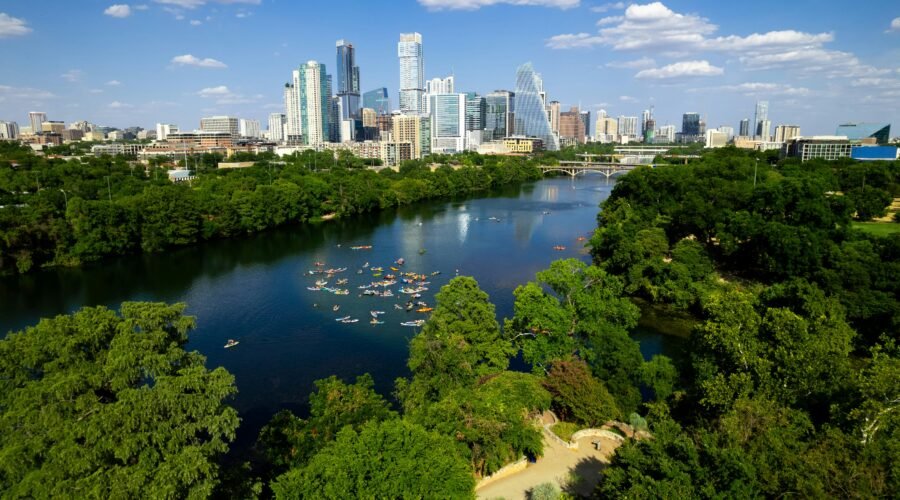
When’s the best time to visit Austin, Texas? For the easiest mix of comfortable weather, outdoor time, and manageable crowds, April and November are two of the strongest choices. March and October can also be excellent, but Austin’s biggest festivals can dramatically change hotel availability, traffic, and crowd levels during specific weeks.
Quick Answer
The best time to visit Austin is usually April or November. Both months offer comfortable weather without the worst summer heat. March is appealing outside SXSW, while October is excellent outside major festival weekends. For a quieter, potentially better-value trip, January and February are also worth comparing.
Key Takeaways
- Best overall: April and November offer some of Austin’s easiest sightseeing weather.
- Best for festivals: March and October, but expect much heavier demand around SXSW and ACL Festival.
- Best for swimming: Late spring through summer, although summer afternoons can become dangerously hot.
- Best for a quieter trip: January and February generally feel less hectic than major spring and fall event periods.
- Important weather caveat: Spring can bring severe thunderstorms, while winter occasionally brings freezes or ice.
Austin Weather by Month
Austin has mild winters, a short and changeable spring, a long hot summer, and a warm fall. The normal high and low temperatures below are based on Austin climate information published by Visit Austin using National Weather Service data.
| Month | Normal High | Normal Low | Travel Take |
| January | 62.5°F / 17°C | 41.8°F / 5°C | Cool, generally quieter |
| February | 66.5°F / 19°C | 45.8°F / 8°C | Good for a lower-key city break |
| March | 73.3°F / 23°C | 52.2°F / 11°C | Great weather; SXSW changes crowds and rates |
| April | 80.3°F / 27°C | 58.9°F / 15°C | One of the best overall months |
| May | 86.9°F / 31°C | 66.8°F / 19°C | Warm; thunderstorms can affect plans |
| June | 93.2°F / 34°C | 72.9°F / 23°C | Hot; plan water and indoor activities |
| July | 96.6°F / 36°C | 75.0°F / 24°C | Very hot |
| August | 97.8°F / 37°C | 75.1°F / 24°C | Usually the hottest month |
| September | 91.4°F / 33°C | 70.1°F / 21°C | Still hot, especially early in the month |
| October | 82.5°F / 28°C | 60.8°F / 16°C | Excellent weather; major event weekends |
| November | 71.5°F / 22°C | 50.5°F / 10°C | Excellent overall choice |
| December | 63.9°F / 18°C | 43.4°F / 6°C | Cool with holiday events |
Best Time to Visit Austin by Trip Style
- Best overall weather: April and November.
- Best for festivals and major events: March and October, if the event itself is part of your reason for visiting.
- Best for avoiding the worst heat: November through April.
- Best for swimming: Late spring through summer, with early mornings especially useful during extreme heat.
- Best for Texas wildflowers: March and April are typically the key bluebonnet period, although bloom timing changes with the weather.
- Best for bat watching: The Congress Avenue Bridge colony generally begins arriving in late March and remains through the warmer part of the year into early fall.
- Best for a quieter visit: January and February are strong candidates outside holiday and special-event dates.
1. Spring: The Sweet Spot for Austin Exploration
Spring is one of Austin’s most appealing seasons, but the experience changes quickly from March to May. March can feel comfortably mild, April becomes warmer, and May already brings temperatures that can feel summery. It is still a fantastic period for patios, parks, trails, live music, and Hill Country day trips.
The Weather You Can Expect
March has a normal high around 73°F (23°C), April around 80°F (27°C), and May around 87°F (31°C). Nights are cooler, especially early in the season. That range makes April particularly appealing if you want to spend long stretches outdoors without dealing with the normal midsummer heat.
Spring is not simply a season of harmless passing showers. The City of Austin warns that spring can bring thunderstorms, hail, damaging straight-line winds, tornado risk, and flash flooding. Check the forecast before hikes, lake trips, or long outdoor days and have an indoor backup plan.
Warning: Spring severe weather can develop quickly in Central Texas. Follow local forecasts and City of Austin severe-weather guidance, especially when thunderstorms or flash-flood watches are in effect.
Crowd Levels and Vibe
Spring is popular, but crowd levels depend heavily on your dates. SXSW can transform downtown Austin during March, while other spring weekends can feel much easier. Outside major events and school-break periods, visitors are more spread out across parks, restaurants, neighborhoods, and music venues.
Cost Considerations
Do not assume all of spring is cheap or expensive. Rates are date-sensitive. SXSW and other major events can tighten hotel availability and push prices higher, while less event-heavy dates may offer a better balance. Compare several nearby weekends before booking instead of relying only on the season.
Must-Do Activities in Spring
- Outdoor Adventures: Hike or bike the Barton Creek Greenbelt, relax around Zilker Park, or paddle on Lady Bird Lake when weather conditions are suitable.
- Wildflowers: Bluebonnets and other Texas wildflowers typically make March and April especially attractive for scenic drives and outdoor photography.
- Live Music: Austin’s music calendar is active year-round, while spring weather makes patios and outdoor shows particularly enjoyable.
- Foodie Exploration: Mild-to-warm evenings work well for food trucks, patios, farmers markets, and neighborhood dining.
If you’re planning a trip to Austin, it also helps to understand the rules that apply when using this website. You can review the site’s Terms and Conditions.
2. Fall: Another Golden Window of Opportunity
If spring is booked or does not fit your schedule, fall can be just as rewarding. The important detail is that September often still feels like summer. October becomes much more comfortable, while November is one of the easiest months for travelers who want mild days without Austin’s peak summer heat.
The Weather You Can Expect
September’s normal high is still about 91°F (33°C), so do not pack as though cool fall weather arrives immediately after Labor Day. October drops to a normal high around 83°F (28°C), and November to about 72°F (22°C). Those later-fall temperatures are much better suited to long walks, patios, cycling, and outdoor sightseeing.
Crowd Levels and Vibe
Fall demand is heavily influenced by Austin’s event calendar. ACL Festival fills two weekends in October, and other major sports, music, film, and cultural events can also make particular dates much busier. Between major events, the city can feel noticeably more relaxed.
Cost Considerations
October can become expensive when large events overlap with your stay. November is often easier to plan because the weather remains pleasant while the number of blockbuster festival weekends begins to ease. Still, hotel prices change constantly, so check your exact dates rather than treating any entire month as automatically cheap.
Must-Do Activities in Fall
- Enjoying the Outdoors: Cooler October and November temperatures make the Greenbelt, Butler Hike-and-Bike Trail, parks, and outdoor neighborhoods much more comfortable.
- Live Music and Festivals: Fall is a major event season, led by ACL Festival and many smaller performances and cultural events.
- Culinary Exploration: Comfortable evenings make fall one of the easiest times to combine sightseeing with patios, barbecue, food trucks, and longer dinners outside.
3. Summer: Embrace the Heat or Plan Around It
Austin summers are hot, and your schedule matters. June through August can still be fun if your priorities are swimming, nightlife, museums, restaurants, and morning activities, but travelers who struggle with high temperatures may enjoy the city much more in another season.
The Weather You Can Expect
Normal highs rise to about 93°F (34°C) in June, 97°F (36°C) in July, and 98°F (37°C) in August. Heat waves can push temperatures above 100°F (38°C), and warm nights provide less cooling than many visitors expect.
The City of Austin recommends staying hydrated, taking shade breaks, wearing lightweight clothing, and avoiding high-energy outdoor activity during extreme afternoon heat.
Warning: Extreme heat can cause heat exhaustion or heat stroke. During hot weather, move strenuous outdoor activities to the morning or evening and follow Austin’s official heat-safety guidance.
Crowd Levels and Vibe
Summer does not automatically mean Austin’s highest citywide visitor demand. Families on school vacation and people seeking pools and lakes can create busy conditions at popular recreational spots, but Austin’s largest event-driven crowd surges often occur during major spring and fall events. In summer, the rhythm of the city also shifts toward mornings, evenings, air-conditioned venues, and water activities.
Cost Considerations
Summer prices are a mixed bag. Holiday weekends and special events may be expensive, while some extremely hot dates can have better availability than major spring or fall festival periods. Compare live hotel and airfare prices for the specific week you want to travel.
Making the Most of a Summer Visit
- Water Activities are Key: Barton Springs Pool is a natural spring-fed pool with an average water temperature of about 68–70°F according to Austin Parks. Lake Austin and Lake Travis are also popular for boating and other water recreation.
- Embrace Austin Summer Nightlife: After sunset, restaurants, music venues, and nightlife become more comfortable than during the afternoon.
- Choose Indoor Entertainment: The Bullock Texas State History Museum, Blanton Museum of Art, and Thinkery give you air-conditioned alternatives when outdoor temperatures become uncomfortable.
- Hydrate and Pace Yourself: Carry water, use sunscreen and shade, and avoid scheduling a packed walking itinerary during the hottest part of the afternoon.
Austin’s normal July and August highs are in the upper 90s Fahrenheit, so summer sightseeing works best when you build the day around heat rather than trying to ignore it.
4. Winter: A Milder, More Budget-Friendly Escape
Winter in Austin is generally much milder than winter in northern parts of the United States. It offers a slower-paced version of the city and can be attractive if you value easier restaurant reservations, indoor entertainment, and cooler walking weather.
The Weather You Can Expect
Normal daytime highs are about 64°F (18°C) in December, 63°F (17°C) in January, and 67°F (19°C) in February. Normal lows are generally in the 40s Fahrenheit. That can feel pleasant on a sunny afternoon, but cold fronts can create much colder conditions.
Freezing temperatures, ice, and winter-weather disruptions are possible even though they are not the everyday winter pattern. Check the forecast shortly before your trip, particularly if you plan to drive.
Crowd Levels and Vibe
Outside the Christmas and New Year’s period and individual events, winter can provide a quieter Austin experience. It is often easier to explore neighborhoods, museums, restaurants, and indoor music venues without the concentrated demand caused by the city’s biggest festivals.
Cost Considerations
Winter is worth checking first if your priority is value, but there is no guaranteed cheapest month. Prices still depend on holidays, conventions, sporting events, concerts, and your booking window. January and February are particularly useful months to compare against busier spring dates.
What to Do in the Austin Winter
- Enjoy the Culinary Scene: Cooler weather is ideal for working through Austin’s barbecue restaurants, food halls, tacos, and international dining scene.
- Catch a Show Indoors: Austin’s live-music scene continues throughout winter, with plenty of indoor venues.
- Explore Local Neighborhoods: Walk areas such as South Congress and East Austin without summer’s intense afternoon heat.
- Visit Museums and Indoor Attractions: Keep museums, galleries, and historic sites as useful options during colder or rainy periods.
- Christmas Lights and Holiday Cheer: December brings seasonal lights, performances, markets, and other holiday events.
If you want to understand how this site’s travel content is researched and reviewed, see the Editorial Policy.
5. Shoulder Seasons: Finding Austin’s Best Balance
The best Austin trip often comes from choosing the right week rather than blindly choosing an entire season. Weather, festivals, university schedules, holidays, and major sporting events can make two weekends in the same month feel completely different.
Early Spring: March and April
March begins with mild normal temperatures, but SXSW makes part of the month one of Austin’s highest-profile travel periods. If you are not attending the festival, dates after the largest March events can be more appealing. April is one of the strongest all-around choices because it combines warm weather with excellent outdoor conditions before the most persistent summer heat arrives.
Late Fall: October and November
October offers great weather but a packed event calendar. Once major festival weekends are removed from the equation, it can be excellent. November is simpler: temperatures are cooler, outdoor sightseeing remains comfortable, and travelers are farther from both summer heat and March’s major festival rush.
The Benefits of Timing It Right
Choosing a good shoulder-season week can give you exactly what most Austin visitors want: comfortable walking weather, active restaurants and music venues, plenty of outdoor options, and fewer logistical headaches. Checking Austin’s event calendar before you pay for flights is just as important as checking average temperatures.
Pro Tip: Search hotel prices for several weekends in the same month. In Austin, moving your trip by seven days can sometimes move you away from a major festival, sporting event, or convention and dramatically improve availability.
6. Avoiding Peak-Event Pitfalls
Understanding when not to visit can be just as useful as knowing the best season. Austin’s biggest crowd and price swings are often tied to specific events rather than an entire three-month season.
Major Event Overlaps: SXSW and ACL Festival
SXSW brings major conferences, music, film, television, comedy, and creative-industry events to Austin each March. ACL Festival fills Zilker Park across two October weekends. If either event is the purpose of your trip, the crowds are part of the experience. If not, shifting your trip to a different week can make planning much easier.
- Impact: Popular hotels can fill earlier, rates can rise, traffic patterns change, and downtown or Zilker-area venues become much busier.
- Who Should Consider It: Travelers who specifically want festival performances, conferences, nightlife, or the energy of a major Austin event.
- Who Should Avoid It: Travelers focused on a quiet city break, spontaneous restaurant reservations, simple transportation, or maximum hotel choice.
Note: For travelers booking from September 2026, ACL Festival 2026 is scheduled for October 2–4 and October 9–11. SXSW Conferences & Festivals 2027 are scheduled for March 15–21. Event dates change each year, so recheck the official schedules before booking.
Holiday Weekends
Memorial Day weekend in late May and the July 4 holiday can increase demand at pools, lakes, parks, restaurants, and family attractions. Memorial Day also arrives as Austin is becoming much warmer, while July 4 falls during the city’s hot summer season.
Spring Break Weeks
School and university spring-break schedules vary, so different March dates can bring extra leisure travelers even outside SXSW. The effect is usually more localized than a major citywide festival, but popular attractions, restaurants, and accommodations may still be busier.
What to Pack for Austin by Season
- Spring: Light layers, comfortable walking shoes, rain protection, sunscreen, and a way to receive weather alerts.
- Summer: Breathable clothing, a hat, sunscreen, reusable water bottle, and footwear suitable for very hot pavement.
- Fall: Lightweight clothes for September and early October, plus a light layer for cooler October and November evenings.
- Winter: Layers, closed shoes, and a jacket. Check the forecast shortly before departure because warm afternoons and sharp cold fronts can occur in the same season.
Frequently Asked Questions
What is the best time of year to visit Austin, Texas?
April and November are two of the best overall months because temperatures are usually comfortable for outdoor sightseeing. March and October are also attractive, but major events such as SXSW and ACL Festival can create much heavier crowds during specific weeks.
What is the weather like in Austin throughout the year?
Winters are generally mild, spring warms quickly, summers are very hot, and fall cools gradually. Normal highs range from the low 60s Fahrenheit in winter to the upper 90s in July and August.
When are Austin’s busiest tourist periods?
Austin’s biggest crowd surges are often event-driven rather than tied to one simple tourist season. SXSW in March and ACL Festival in October are two important examples. Holiday weekends, major concerts, conventions, and sporting events can also increase demand.
What is the cheapest time to visit Austin?
There is no guaranteed cheapest month because Austin hotel prices change with events and demand. January and February are useful months to check for value, and some hot summer dates may also offer better availability. Always compare your exact dates against the local event calendar.
Which Austin festivals can affect when I should visit?
SXSW in March and ACL Festival in October are two of the biggest travel-planning considerations. Austin also hosts many music, food, film, cultural, and sporting events throughout the year, so check the current event calendar before reserving a hotel.
Is September a good time to visit Austin?
September can work, but it is usually still hot. The normal high is around 91°F, so travelers expecting crisp fall weather may prefer October or November. September is better if you are comfortable planning outdoor activities around the heat.
When is the best time to swim at Barton Springs Pool?
Warm spring days through summer are popular for swimming. Barton Springs Pool is spring-fed and averages about 68–70°F, so the water stays refreshingly cool even when Austin’s air temperature becomes very hot.
When can you see Austin’s Congress Avenue Bridge bats?
The migrating Mexican free-tailed bat colony typically begins appearing in late March and remains through the warmer months into early fall. The exact nightly emergence depends on conditions, so check current bat-viewing information before going.
Sources
- Visit Austin — Weather & Seasons — monthly normal temperatures and seasonal climate guidance.
- Ready Central Texas — Severe Weather — spring thunderstorms, hail, wind, tornado, and flash-flood preparedness.
- Ready Central Texas — Heat Awareness — official extreme-heat and heat-illness safety guidance.
- Austin Parks and Recreation — Barton Springs Pool — official pool information and average 68–70°F water temperature.
- SXSW — 2027 Dates — official March 15–21, 2027 Conferences & Festivals schedule.
- Austin City Limits Music Festival — 2026 Schedule — official October 2–4 and October 9–11, 2026 festival dates.