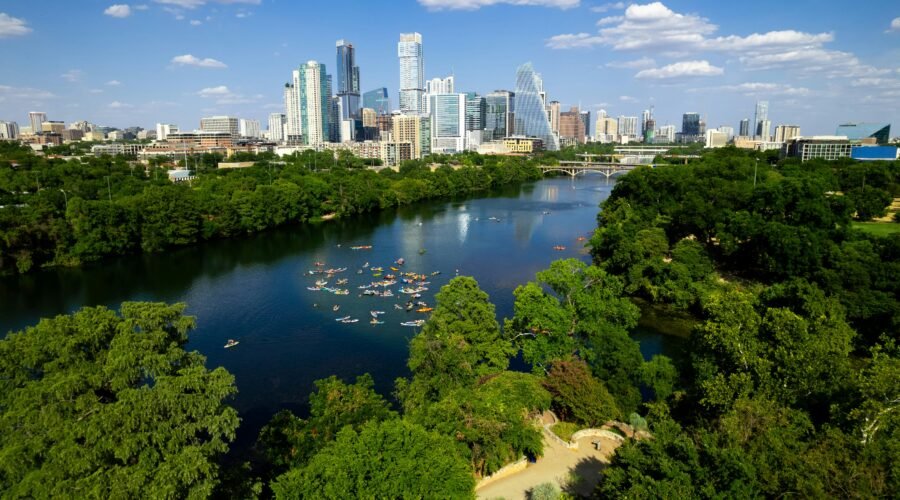
When’s the best time to visit Austin, Texas? If you’re looking for a sweet spot with pleasant weather and fewer crowds, aim for spring (March to May) or fall (September to November). These seasons offer comfortable temperatures perfect for exploring the city’s outdoors and enjoying its vibrant culture without the intense summer heat or the post-holiday lull.
1. Spring: The Sweet Spot for Austin Exploration
Spring in Austin is pretty much what they advertise. The city really comes alive after the cooler months, and it’s a fantastic time to soak in everything Austin has to offer. You’ll find the weather agreeable for pretty much any activity you can think of.
The Weather You Can Expect
Think mild and pleasant. Days are usually in the 70s Fahrenheit (around 20-25°C), which is ideal for walking around, hiking, or just chilling by the lake. Evenings are cool enough to be comfortable without needing heavy layers. You might get a few rainy days, but they’re usually quick showers that pass, refreshing the air and making everything look a little greener. Compared to the scorching summers, it’s a welcome relief.
Crowd Levels and Vibe
Spring is a popular time, so you won’t have the place entirely to yourself, but it’s generally more manageable than the peak summer season. You’ll see a good mix of locals and tourists enjoying the outdoors. Major events like SXSW (South by Southwest) in March and Austin City Limits (ACL) Fest in October can drastically increase crowds and prices during their specific weeks, so if you’re aiming for a quieter experience, try to avoid those dates. Outside of those festivals, the crowds are usually spread out, making it easy to explore without feeling overwhelmed.
Cost Considerations
Because spring is a popular travel time, expect prices for flights and accommodation to be on the higher side, especially if you’re visiting during a festival or spring break. However, if you book in advance and are flexible with your travel dates, you can still find reasonable deals. Outside of the major event weeks, prices tend to be more stable. It’s a balance between having great weather and potentially paying a bit more for it.
Must-Do Activities in Spring
- Outdoor Adventures: Barton Creek Greenbelt is a hiker’s and biker’s paradise, and the water in Barton Springs Pool is invigorating after a warm day. Kayaking or paddleboarding on Lady Bird Lake is also a fantastic way to spend an afternoon.
- Live Music: Austin’s live music scene is legendary, and spring is prime time for outdoor concerts and shows. Many venues have patios that are perfect for enjoying the milder weather.
- Foodie Exploration: Spring is perfect for exploring Austin’s renowned food truck scene and outdoor dining options. The farmers’ markets are also bursting with fresh, seasonal produce.
If you’re planning a trip to Austin, Texas, it’s essential to consider not only the best time to visit but also the various factors that can enhance your experience. For more insights on travel planning and what to expect during your stay, check out this related article on travel tips and guidelines. You can find it here: Travel Tips and Guidelines. This resource provides valuable information that complements your understanding of Austin’s weather, crowds, and costs, ensuring a memorable visit.
2. Fall: Another Golden Window of Opportunity
If spring is booked or just not your thing, fall in Austin is a very close second, and for some, it’s even better. It’s like the city gets a second wind after the summer heat, and the atmosphere shifts to something a bit more relaxed but still full of life.
The Weather You Can Expect
Fall offers a similar comfortable climate to spring. You’ll likely experience sunny days with temperatures ranging from the mid-70s to low 80s Fahrenheit (around 22-28°C) in the early fall, gradually cooling down as you move into November. The air tends to be a bit drier than in spring, which many people find particularly pleasant. It’s a great time for outdoor activities without breaking a sweat.
Crowd Levels and Vibe
Similar to spring, fall is a popular travel period, especially with events like the Austin City Limits Music Festival. Outside of those specific weekends, crowd levels are generally manageable. Many families visit during fall break, so you might see more kids around. The overall vibe is laid-back, with a focus on enjoying the cooler weather and the city’s cultural offerings. It feels somewhat more relaxed than the energetic buzz of SXSW in the spring, but still very much alive.
Cost Considerations
Prices for flights and hotels can be higher in the fall, particularly around ACL Fest. However, if you’re not visiting during a major event, you can often find better deals than during the prime spring months. Booking several months in advance is still a good strategy, especially if you’re looking for specific accommodations or flight times. Shoulder weeks (the weeks just before or after major events) can offer a good balance of decent weather and slightly lower prices.
Must-Do Activities in Fall
- Enjoying the Outdoors: The fall foliage in Texas might not be as dramatic as in some other parts of the country, but the cooler temperatures make exploring parks and trails like the Barton Creek Wilderness Park incredibly enjoyable.
- Live Music and Festivals: Besides ACL Fest, there are often smaller music and arts festivals happening throughout the fall. The outdoor venues are particularly appealing at this time of year.
- Culinary Delights: Fall brings a new set of seasonal ingredients, and Austin’s culinary scene is always ready to showcase them. Think hearty comfort food and delicious seasonal desserts.
3. Summer: Embrace the Heat (or Avoid It)
Austin summers are legendary for one thing: heat. If you’re visiting during June, July, or August, you need to be prepared for it. It’s not for the faint of heart, but some people genuinely enjoy it, and there are ways to make the most of it.
The Weather You Can Expect
Get ready for heat. July and August are typically the hottest months, with daily highs frequently soaring into the triple digits Fahrenheit (above 38°C). Humidity can also be a significant factor, making it feel even hotter. Evenings offer little respite, often remaining in the 80s Fahrenheit (around 27-32°C). While it can be intense, the sunshine is almost guaranteed.
Crowd Levels and Vibe
Despite the heat, Austin remains a popular destination in the summer, especially for families on vacation and those drawn to the city’s vibrant nightlife. You’ll find crowds at popular attractions, particularly those with water, like Barton Springs Pool and the city’s many lakes. The city has a lively, energetic vibe, but most people tend to shift their activities to earlier mornings, later evenings, or indoor venues to escape the midday sun.
Cost Considerations
Summer can be a mixed bag for costs. While it’s peak tourist season, and flights and hotels can be expensive, especially during holidays, the sheer volume of visitors means there’s also a lot of availability. If you book well in advance, you can secure decent rates. However, if you’re looking for budget-friendly options and aren’t tied to vacation schedules, you might find better deals in the shoulder seasons.
Making the Most of a Summer Visit
- Water Activities are Key: This is when you’ll want to fully embrace Austin’s aquatic offerings. Barton Springs Pool is a natural, spring-fed pool that stays a cool 68°F (20°C) year-round, making it a lifesaver. Zilker Park surrounds it and offers ample green space. Lake Travis and Lake Austin are perfect for swimming, boating, and wakeboarding.
- Embrace the “Austin Summer Nightlife”: As the sun sets and the temperatures dip slightly, Austin truly comes alive. The live music venues, many with air conditioning, pack out. Rooftop bars offer a chance to enjoy the view and cooler evening breezes.
- Indoor Entertainment: Austin has a fantastic array of museums, galleries, and indoor entertainment options. The Bullock Texas State History Museum, the Blanton Museum of Art, and the Thinkery (Children’s Museum) are excellent choices for escaping the heat.
- Hydrate and Pace Yourself: Seriously, drink more water than you think you need. Plan your outdoor excursions for early morning or late afternoon. Embrace the slower pace that the heat encourages.
4. Winter: A Milder, More Budget-Friendly Escape
Winter in Austin is a far cry from the harsh cold you might find in other parts of the country. It’s generally mild, though you can get a few chilly days, and it offers a different, more laid-back experience of the city.
The Weather You Can Expect
Austin winters are quite pleasant. Daytime temperatures typically hover in the 50s and 60s Fahrenheit (10-20°C), with occasional dips into the 40s (around 4-9°C), especially at night. You might get a few days where shorts are still a possibility for some. Snow is extremely rare, and freezing temperatures are usually short-lived. You’ll need a light jacket or sweater for evenings.
Crowd Levels and Vibe
Winter is the quietest season in Austin. After the holiday rush, crowds thin out considerably. This is the time when locals often enjoy their city the most, free from the throngs of tourists. The vibe is generally relaxed and cozy. You’ll find it easier to get reservations at popular restaurants and generally experience a more intimate version of Austin.
Cost Considerations
This is where winter shines if you’re price-conscious. Flights and accommodation are typically at their lowest during the winter months, excluding the Christmas and New Year’s period. This makes it an excellent time for budget travelers to experience Austin. You can often snag great deals on hotels and flights, allowing your travel budget to stretch further.
What to do in the Austin Winter
- Enjoy the Culinary Scene: With fewer crowds, it’s the perfect time to explore Austin’s acclaimed restaurant scene without the long waits. Try out those highly-rated BBQ joints or explore the diverse international cuisine.
- Catch a Show Indoors: Austin’s legendary live music continues year-round, and many of the iconic venues are indoors, offering a warm and lively atmosphere.
- Explore Local Neighborhoods: Wander through charming areas like South Congress Avenue or the historic East Austin. The cooler weather makes it pleasant to browse boutiques and art galleries at a leisurely pace.
- Visit Museums and Indoor Attractions: Escape any rare chilly days by exploring Austin’s numerous museums, historical sites, and indoor entertainment venues.
- Christmas Lights and Holiday Cheer: If you visit in December, you can catch some festive holiday light displays and enjoy the start of cheerful holiday markets and events.
If you’re planning a trip to Austin, Texas, it’s essential to consider not just the best time to visit but also how to make the most of your experience. For insights on how to navigate the city’s vibrant culture and attractions while managing your budget, check out this informative article on travel tips for Austin. Understanding the seasonal variations in weather, crowds, and costs can significantly enhance your visit to this lively city.
5. Shoulder Seasons: The Sweet Spot Specialists
Even within the broad categories of spring and fall, there are specific pockets that offer the absolute best balance of weather, crowds, and cost – these are the “shoulder seasons.”
Early Spring (March – April)
This period often precedes the major spring break rushes and the intense heat of summer. The temperatures are usually perfect, and while SXSW can significantly impact March, April often offers a slightly more relaxed vibe before the real summer crowds descend.
Late Fall (October – November)
October, while hosting ACL Fest, can be a fantastic month overall once the festival crowds disperse. November is generally a sweet spot, with cool, crisp air and fewer tourists. It’s before the holiday travel surge, making it a great time for a comfortable and more affordable visit.
The Benefits of Timing It Right
By strategically picking a shoulder season, you’re essentially aiming for the sweet spot on the Venn diagram of ideal conditions. You get the best of mild weather without the peak season price tags or the overwhelming crowds. It’s the kind of timing that makes a trip feel effortless and enjoyable, allowing you to focus on experiencing the city rather than navigating logistical challenges.
6. Avoiding Peak Season Pitfalls
Understanding when not to visit can be just as important as knowing when to go. Certain times in Austin can significantly impact your experience through crowds and cost.
Major Event Overlaps (SXSW & ACL Fest)
For about two weeks in March and two weekends in October, Austin is absolutely buzzing with SXSW and Austin City Limits (ACL) Music Festival, respectively. These are massive events that draw hundreds of thousands of people.
- Impact: Accommodation prices skyrocket, often doubling or tripling. Hotels book up months in advance. Flights become incredibly expensive. The city becomes extremely crowded, with long lines for everything, including transportation and popular venues.
- Who Should Consider It: If your sole purpose for visiting is to attend SXSW or ACL Fest, then these are the times to go. Embrace the energy, book incredibly far in advance, and expect a vibrant, chaotic, and often expensive experience.
- Who Should Avoid It: If you’re looking for a relaxed city break, a budget-friendly trip, or want to explore Austin without the intense hustle and bustle, steer clear of these specific event dates.
Summer Holidays (July 4th, Memorial Day)
These federal holidays, while not on the scale of SXSW or ACL, can also lead to increased crowds and slightly higher prices. Many families are on vacation, so expect more people at popular attractions, especially those involving water. The heat will also be a significant factor during these times.
Spring Break Weeks
Various university spring break weeks throughout March and April can also see a surge in visitors, particularly younger crowds. While not as disruptive as major festivals, it can mean slightly fuller restaurants and attractions.
FAQs
1. What is the best time of year to visit Austin, Texas?
The best time to visit Austin, Texas is during the spring (March to May) and fall (September to November) when the weather is mild and there are fewer crowds.
2. What is the weather like in Austin throughout the year?
Austin experiences hot summers with temperatures reaching into the 90s and mild winters with temperatures in the 60s. The city also receives a moderate amount of rainfall throughout the year.
3. When are the peak tourist seasons in Austin?
The peak tourist seasons in Austin are during the summer months (June to August) and major events such as South by Southwest (SXSW) in March and Austin City Limits Music Festival in October.
4. Are there any cost considerations when planning a trip to Austin?
Visiting Austin during the off-peak seasons of spring and fall can result in lower hotel rates and fewer crowds, making it a more cost-effective time to visit.
5. What are some popular events and festivals in Austin that may impact the best time to visit?
Popular events and festivals in Austin include South by Southwest (SXSW) in March, Austin City Limits Music Festival in October, and the Austin Food + Wine Festival in April. These events may impact the best time to visit based on individual interests and preferences.