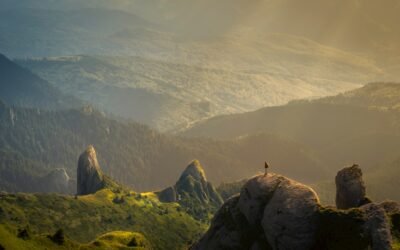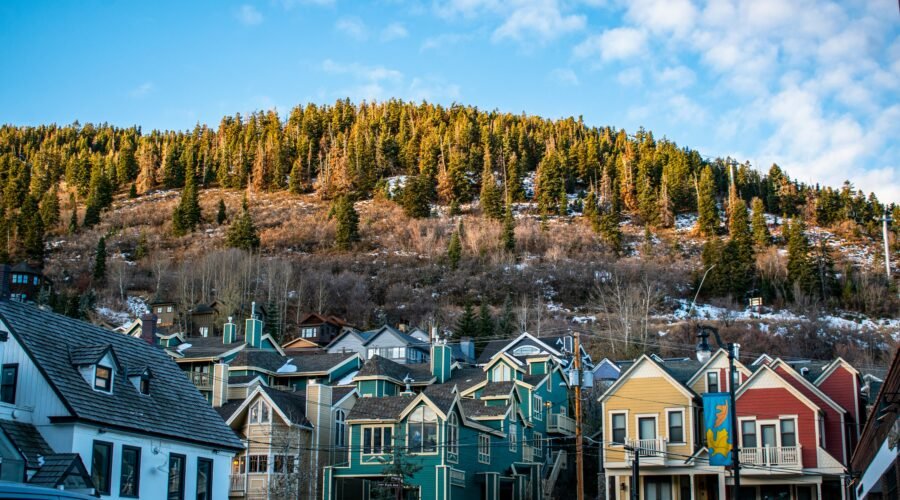
Deciding on the best time to visit Park City, Utah comes down to your personal travel priorities: world-class powder skiing, alpine wildflower hiking, vibrant autumn colors, or budget-friendly mountain escapes. Situated in the Wasatch Mountains at a base elevation of 7,000 feet, Park City delivers distinct, high-altitude seasonal experiences with dramatic variations in weather, crowd density, and accommodation rates.
Quick Answer
The best time to visit Park City is from December to March for world-class skiing and snowboarding, and from July to August for scenic mountain biking, hiking, and open-air festivals. Travelers seeking the lowest lodging rates and thinnest crowds should target the shoulder seasons of April to May or October to mid-November.
Key Takeaways
- Prime Skiing: Mid-December through February yields peak snow depth and dry powder across both Park City Mountain and Deer Valley Resort.
- Major Event Surge: Late January brings the Sundance Film Festival, driving lodging prices and Main Street foot traffic to peak annual levels.
- Summer Recreation: July and August provide pleasant daytime highs in the low 80s, opening over 400 miles of public hiking and mountain biking trails.
- Deep Discounts: “Mud season” in April and May brings lodging discounts of 40% to 70% compared to peak winter rates.
1. Winter Wonderland: Skiing & Snowboarding (December – March)
Winter is Park City’s signature season. The town operates around two major ski destinations: Park City Mountain Resort (the largest ski resort in the United States, accessible via the Epic Pass) and Deer Valley Resort (a luxury, skier-only destination accessible via the Ikon Pass). The surrounding Wasatch Range receives an average of 300 to 400 inches of light, dry snow annually.
Prime Ski Season (Mid-December to Mid-February)
This period offers the most consistent powder conditions. Both resorts typically operate at 100% terrain capacity, with deep base depths across high-alpine bowls and groomed trails.
- Weather: Daytime highs average between 24°F and 32°F (-4°C to 0°C), with overnight lows frequently dropping into the single digits. Heavy winter storm cycles are common.
- Crowds: Peak season. Major congestion occurs during Christmas week, New Year’s, Martin Luther King Jr. weekend, and Presidents’ Day weekend. Advance reservations for on-mountain dining and ski schools are essential.
- Costs: Top-tier pricing. Premium hotels along Historic Main Street and ski-in/ski-out lodging in Canyons Village command their highest nightly rates of the year.
Warning: The Sundance Film Festival takes place in late January. Unless you are attending the festival, consider visiting earlier in January or in February to avoid extreme accommodation surcharges and crowded restaurants.
Late Season & Spring Skiing (Late February – March)
Late winter brings longer daylight hours, warmer afternoon temperatures, and classic spring skiing conditions. The snow base remains deep, with soft, forgiving corn snow in the afternoons.
- Weather: Afternoon temperatures climb into the upper 30s and 40s Fahrenheit (3°C to 9°C). Mornings remain crisp and firm, softening by midday under direct alpine sun.
- Crowds: Moderate to high. Regional spring break schedules bring waves of family travelers throughout March, though lift lines generally move faster than during the December holiday rush.
- Costs: Lodging prices remain elevated through mid-March before beginning a gradual decline toward the end of the month.
2. Shoulder Season Transitions (April – May & October – November)
The “shoulder seasons” represent transition windows in the Wasatch Range. These months carry fluctuating weather patterns, but they reward budget-conscious visitors with serene mountain surroundings, empty walking paths, and substantial savings on luxury hotels.
Spring Thaw & “Mud Season” (April – May)
As ski operations wind down in mid-to-late April, the snowpack rapidly melts at base elevation. Park City settles into its quietest stretch of the year.
- Weather: Variable conditions. Highs range from 45°F to 60°F (7°C to 15°C). Expect alternating sunny afternoons, chilly spring rain showers, and the occasional late-season snowfall. High-elevation trails remain snowbound through May.
- Crowds: The lowest of the year. You will find ample open parking, uncrowded sidewalks on Main Street, and immediate seating at open restaurants.
- Costs: Lowest accommodation rates of the entire calendar year. Luxury resorts often discount rooms by 50% or more. Note that some independent restaurants and resort gondolas close temporarily for routine seasonal maintenance.
- Activities: Road cycling in lower valleys, fly fishing on the Provo River, and spring gallery strolls along Historic Main Street.
Autumn’s Golden Aspens (September – November)
Fall in Park City features crisp mountain air and vibrant gold and amber foliage as the extensive aspen groves turn color.
- Weather: September brings sunny daytime highs in the upper 60s and low 70s Fahrenheit. By late October and November, daytime temperatures drop to the 40s and 30s, bringing the season’s first significant snowstorms.
- Crowds: Weekend leaf-peeping traffic increases along Guardsman Pass in late September and early October. By November, visitor traffic drops to minimal levels until ski season opens.
- Costs: Excellent overall value. Lodging is significantly cheaper than during peak summer and winter, with restaurants running seasonal dining specials.
- Activities: Prime hiking and gravel biking through mid-October, scenic drives along Guardsman Pass Overlook, and early-season wellness retreats.
3. Summer Mountain Adventures (June – August)

Summer in Park City offers an alpine refuge from lower-valley heat. Recognized as the first Gold-Level Ride Center by the International Mountain Bicycling Association (IMBA), Park City maintains over 400 miles of contiguous, non-motorized recreational trails.
Early Summer Awakening (June)
June bridges late spring with peak summer warmth. Snow melts off mid-elevation trail networks, and wildflowers begin carpeting lower ski runs.
- Weather: Sunny with daytime highs in the upper 60s and 70s Fahrenheit (20°C to 25°C). Nights remain cool, averaging 40°F to 45°F. High alpine passes usually clear by mid-to-late June.
- Crowds: Moderate. Crowds grow toward late June as public school systems begin summer recess and lift-served bike parks open.
- Costs: Moderate. Accommodation prices rise above shoulder-season rates but remain far lower than winter ski peaks.
- Activities: Opening of resort chairlifts for scenic rides, downhill mountain biking, fly fishing on the Weber and Provo rivers, and early wildflower viewing.
Peak Summer (July – August)
July and August feature warm days, clear mountain skies, and a bustling calendar of open-air community events.
- Weather: Daytime temperatures average between 78°F and 84°F (25°C to 29°C), with low humidity. Brief, localized afternoon thunderstorms occasionally roll through high ridgelines.
- Crowds: High, particularly during the 4th of July, Utah Pioneer Day (July 24), and the annual Kimball Arts Festival in August. Weekdays offer significantly quieter trail access.
- Costs: High demand elevates weekend hotel and resort rates, though mid-week promotions remain accessible.
- Activities: Alpine slide rides, paddleboarding at Jordanelle and Deer Creek reservoirs, the weekly Park Silly Sunday Market, open-air concerts at Deer Valley’s Snow Park Amphitheater, and high-alpine ridge hiking.
Pro Tip: When hiking or biking along exposed alpine routes like the Wasatch Crest Trail in July and August, start your outing before 8:00 AM. This ensures you avoid midday heat and descend safely before afternoon monsoon storm cells develop.
4. Strategic Timing: Avoiding Peak Crowds

Visiting Park City without the friction of long lift queues, crowded shuttles, and booked restaurants requires strategic date selection:
Mid-Week Off-Peak Stays
Ski lines and trailhead parking lots swell on weekends due to regional visitors arriving from the Salt Lake City metropolitan area. Scheduling your trip from Monday through Thursday provides noticeably shorter lift lines and greater dining flexibility across town.
Early-Season Lulls (Early December & Early June)
- Early December: Resorts open in mid-to-late November, but tourist volume remains low until approximately December 20. While natural snowfall varies, early-season snowmaking guarantees open terrain with minimal congestion.
- Early June: The window between the end of spring runoff and the start of peak summer tourism offers tranquil trails and pleasant morning temperatures.
Post-Summer Shoulder Window (Late August – September)
Once schools resume in late August, family travel tapers sharply. September offers some of the best weather of the year—warm, dry afternoons and crisp evenings—with minimal trail congestion.
5. 12-Month Climate, Crowd & Cost Matrix
| Month | Avg High / Low (°F) | Conditions | Crowd Level | Relative Cost |
|---|---|---|---|---|
| January | 31° / 12° | Peak snow depth; dry powder | Very High (Sundance) | Highest ($$$$) |
| February | 34° / 14° | Excellent snow; powder days | High | High ($$$$) |
| March | 43° / 21° | Sunny spring skiing; soft snow | Moderate – High | Moderate – High ($$$) |
| April | 51° / 27° | Resorts close mid-month; snowmelt | Low | Lowest ($) |
| May | 61° / 35° | Spring thaw; low trail hiking | Very Low | Lowest ($) |
| June | 72° / 42° | Sunny; trails clear; wildflowers | Moderate | Moderate ($$) |
| July | 81° / 49° | Warm & dry; active festivals | High | High ($$$) |
| August | 80° / 48° | Sunny; afternoon mountain showers | High | High ($$$) |
| September | 70° / 39° | Fall foliage begins; crisp nights | Moderate | Moderate ($$) |
| October | 56° / 30° | Peak foliage early; first flurries | Low – Moderate | Low – Moderate ($$) |
| November | 41° / 20° | Snowmaking begins; ski openings | Low | Low – Moderate ($$) |
| December | 30° / 12° | Winter conditions; holiday rush | Very High (Holidays) | Highest ($$$$) |
Budget-Saving Strategies for Park City
- Ride the Free Bus System: Park City Transit operates a zero-fare public bus and on-demand microtransit network connecting Historic Main Street, Kimball Junction, Deer Valley, and Canyons Village, eliminating parking fees and rental car costs.
- Purchase Season Passes in Advance: Buying single-day lift tickets at the window can exceed $250–$300 per day during peak holidays. Purchasing an Epic or Ikon pass in spring or autumn yields substantial per-day savings.
- Opt for Condominium Rentals Outside Main Street: Condos and vacation rentals in Prospector Square or Kimball Junction frequently include full kitchens and lower nightly rates while staying directly on the free transit line.
Note: Park City sits at an elevation of 7,000 feet (2,134 m), with ski summits exceeding 10,000 feet. Stay hydrated, apply high-SPF sunscreen, and allow 24 hours to acclimatize before attempting strenuous high-alpine ascents.
Conclusion: Choosing Your Ideal Season
Park City is an authentic year-round mountain destination where the optimal travel window depends directly on your outdoor interests. If you seek world-renowned deep powder skiing and a bustling winter village atmosphere, target the prime ski window from mid-December to March. If you prefer high-altitude hiking, premier singletrack mountain biking, and open-air arts festivals, July and August provide ideal summer conditions. For those prioritizing tranquil mountain surroundings and significant lodging discounts, the spring (April–May) and autumn (September–October) shoulder seasons deliver maximum value.
Frequently Asked Questions
1. What is the best overall time of year to visit Park City, Utah?
The best time depends on your activities. For skiing and snowboarding, mid-December through March is ideal. For hiking, lift-served mountain biking, and outdoor festivals, July through August is best. For low crowds and budget travel, visit in May or October.
2. What is the weather like in Park City throughout the year?
Park City features an alpine mountain climate. Winters are cold and snowy, with daytime highs in the 20s and 30s Fahrenheit (-4°C to 2°C). Summers are mild, dry, and sunny, with daytime highs in the low 80s (27°C to 29°C) and cool evenings requiring light layers.
3. When are the peak tourist seasons in Park City?
Peak tourist periods occur during winter holidays (Christmas through New Year’s), Martin Luther King Jr. and Presidents’ Day weekends, the Sundance Film Festival in late January, and mid-summer festival weekends in July and August.
4. What are travel costs like during peak seasons in Park City?
During peak winter months and major festivals, lodging rates reach their highest levels, frequently exceeding $400 to $800+ per night for central accommodations. Booking accommodations, equipment rentals, and passes 4 to 8 months in advance secures the best availability and pricing.
5. When is the cheapest time to visit Park City?
The spring shoulder season (April to May) and the late autumn shoulder season (October to mid-November) are the most affordable times. Lodging rates drop substantially, and many local restaurants offer seasonal multi-course dining promotions.
Sources
- Visit Park City — Official Chamber of Commerce & Visitors Bureau event calendars, local transit guidelines, and activity data.
- National Weather Service (Salt Lake City / Wasatch Forecast Office) — Historical monthly temperature averages, precipitation data, and winter mountain storm records.
- Ski Utah — Annual Wasatch Range snowfall metrics, resort opening schedules, and terrain statistics.
- Park City Transit System — Zero-fare municipal transit route maps, Canyons Village links, and seasonal service schedules.