Deciding on the ‘best time’ to visit Bath really depends on what you’re looking for. If you’re after pleasant weather and aren’t too bothered by crowds, spring and autumn are fantastic. For those who love a buzz and don’t mind a bit of company, summer is your window. And if budget is a major concern and you prefer a quieter experience, winter offers its own unique charm, albeit with a higher chance of chilly days.
Bath experiences a temperate maritime climate, which means you’re unlikely to encounter extreme temperatures. It’s generally mild, with rain fairly evenly distributed throughout the year. However, there are subtle shifts that can significantly impact your visit.
Spring: A Gentle Awakening
Spring in Bath, from March to May, is a time of revival. The city starts to shed its winter coats, and the gardens begin to bloom.
March: The Pre-Season Quiet
March can still feel a bit crisp. Days are getting longer, but the chill is often present, especially in the mornings and evenings. This is a great time if you want to explore the main attractions without feeling rushed and if you don’t mind packing layers. The crowds are minimal as the tourist season hasn’t fully kicked off.
April: Blossom and Mildness
By April, the weather usually starts to warm up considerably. You’ll often find sunny spells, and the city’s parks and gardens, like the Royal Victoria Park, are bursting with colour. It’s a lovely month for walking around and enjoying the architecture in comfortable conditions. Crowds begin to pick up, especially around Easter holidays.
May: Verdant Beauty and Increasing Warmth
May is often considered one of the prime months for weather. Temperatures are generally pleasant, making it ideal for outdoor sightseeing and enjoying the city’s many independent cafes and shops. This is when Bath truly comes alive with its greenery and blossoming flora. Crowds are noticeable, particularly on weekends and during any bank holidays.
Summer: The Lively Season
Summer in Bath, from June to August, is characterized by longer days, warmer temperatures, and, unfortunately for some, larger crowds.
June: The Early Summer Bloom
June offers a beautiful balance. The weather is usually warm and sunny, but the peak summer crowds haven’t quite arrived yet. It’s a fantastic time for outdoor activities, like canal boat trips or simply strolling along the River Avon. The days are long, giving you plenty of daylight to explore.
July & August: The Bustling Heart of Summer
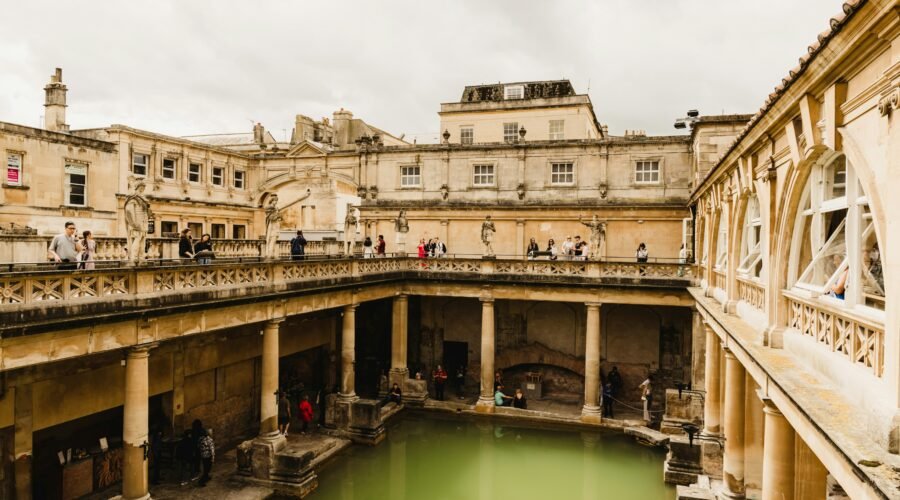
These are the months when Bath sees its highest influx of visitors. The weather is typically the warmest and sunniest of the year, perfect for enjoying the open-air Roman Baths at leisure or exploring the surrounding countryside. However, expect queues at popular attractions, higher accommodation prices, and a generally more energetic atmosphere on the streets. If you envision a lively experience with everything open and buzzing, this is your time.
Autumn: A Golden Glow
Autumn, from September to November, brings a different kind of beauty to Bath, often with fewer crowds and a welcome return to more settled weather after the summer rush.
September: Lingering Summer Warmth
September often feels like an extension of summer, with warm days and plenty of sunshine. The main summer rush begins to subside, making it a particularly pleasant month to visit. The student population returns to Bath for the new academic year, slightly increasing footfall, but it’s generally a more relaxed vibe than July or August.
October: Crisp Air and Changing Leaves
October offers crisp, clear days interspersed with cooler, wetter periods. The city’s golden stone architecture looks particularly beautiful against the backdrop of autumn foliage in areas like Prior Park Landscape Garden. It’s a great time for enjoying cosy pubs and museums. Crowds are significantly lower than in summer, making it easier to get into restaurants and attractions.
November: The Approach of Winter
November starts to feel decidedly autumnal, with shorter days and a noticeable drop in temperature. Rain becomes more frequent. However, the city often begins to decorate for Christmas towards the end of the month, offering a festive prelude. It’s a quiet month, ideal for those seeking a more introspective visit.
Winter: The Quiet Charm
Winter in Bath, from December to February, can be chilly and damp, but it also offers a unique, often romantic, atmosphere with fewer tourists and lower prices.
December: Festive Twinkles
If you visit in December, Bath often sparkles with Christmas decorations and markets. The Roman Baths can feel particularly atmospheric in the dimmer light, and the prospect of a warm pub after a day of sightseeing is very appealing. Crowds can be busy around the Christmas market period, but generally, it’s less crowded than summer.
January & February: The Deep Winter Calm
These are the quietest months in Bath. The weather can be cold and wet, occasionally seeing frost or even a light dusting of snow, but extreme cold is rare. It’s an excellent time for budget travelers, as accommodation prices tend to be at their lowest. You’ll be able to explore the famous sites at your own pace without feeling like you’re battling crowds. Perfect for museum hopping and enjoying the city’s culinary scene in peace.
If you’re planning a trip to Bath and want to make the most of your visit, you might also find it helpful to read our article on the Best Time to Visit Bath: Weather, Crowds, and Costs. This resource provides valuable insights into the ideal seasons for exploring the city’s stunning architecture and rich history, as well as tips on how to navigate the crowds and manage your budget effectively. Whether you’re interested in the thermal baths or the charming streets, understanding the best times to go can enhance your overall experience in this beautiful city.
Navigating the Crowds: When to Go for Peace or Buzz
The number of people in Bath can significantly alter your experience. Some people thrive on the energy of a busy city, while others prefer a more tranquil exploration.
Low Season: Fewer People, More Space
Generally, the low season aligns with the colder months.
- January and February: These are typically the quietest months. You’ll find it easiest to get around, and there will be less competition for restaurant tables or popular viewpoints. This is ideal if your priority is a relaxed and unhurried visit.
- Early March and November: These shoulder months offer a good compromise, with significantly fewer crowds than peak summer, but with a moderate chance of pleasant weather.
Shoulder Seasons: A Balance of Weather and Crowds
The periods just before and after the peak summer months often provide the best of both worlds.
- April and May: As the weather warms up, crowds gradually increase, but they are usually manageable, especially on weekdays.
- September and October: Following the summer holidays, these months see a decrease in visitor numbers, but the weather can remain very agreeable. You get many of the benefits of summer without the overwhelming numbers.
High Season: The Buzz of Activity
The high season is when Bath is at its most vibrant and, consequently, its busiest.
- June, July, and August: These months attract the most visitors due to favourable weather. Expect to share attractions with many others. Booking accommodation and popular tours well in advance is highly recommended. Easter holidays also see a significant surge in visitors.
Budgeting Your Trip: Cost Considerations Throughout the Year

The time of year can have a substantial impact on how much your trip to Bath will cost, particularly when it comes to accommodation and flights.
Peak Season Prices: The Summer Premium
- Accommodation: Hotels and rental properties in Bath are at their most expensive during the summer months (June-August) and around major holidays like Easter and Christmas. Expect to pay a premium for rooms.
- Flights/Train Tickets: While not as dramatic as accommodation, prices for travel to Bath can also rise during the peak season due to demand.
- Attraction Tickets: Prices for major attractions like the Roman Baths are generally consistent year-round, but you might find package deals or special events during busier periods that could slightly alter overall spending.
Off-Season Savings: Budget-Friendly Travel
- Accommodation: January and February are usually the cheapest months for accommodation. Many hotels offer discounted rates to entice visitors during the colder, quieter period.
- Flights/Train Tickets: Travelling in the deep winter months often means finding the best deals on transportation.
- Dining and Shopping: While not directly tied to the season, you might find fewer special offers during peak times, whereas during quieter periods, some restaurants might have lunchtime deals or happy hours to attract custom.
Shoulder Season Value: A Good Middle Ground
- April, May, September, October: These months often offer a good balance between decent weather and more reasonable prices. You can typically find better deals on accommodation than in the summer, and while it won’t be as cheap as winter, you’re getting more value for money with pleasant conditions.
Special Events and Festivals: Enhancing Your Visit

Bath hosts a variety of events throughout the year that can either draw you there specifically or impact your experience regarding crowds and prices.
Literary and Arts Focus
- The Times and The Sunday Times Cheltenham Literature Festival: While not directly in Bath, it’s a major event in nearby Cheltenham (usually September/October) and can draw people to the wider region.
- Bath Comedy Festival: Typically held in the spring, this festival brings laughter and a vibrant atmosphere to the city.
- Bath Festival: A broad arts festival that usually takes place in late spring, covering music, literature, and arts, attracting a diverse crowd.
Food and Drink Celebrations
- Bath Food & Drink Festival: Usually held in the autumn, this event showcases local produce and culinary talent.
Seasonal Spectacles
- Christmas Market: Bath’s famous Christmas Market (late November to mid-December) is a huge draw. The city transforms into a festive wonderland, but it also brings significant crowds.
- Bath Rugby Matches: If you’re a fan of rugby, the season runs from autumn through spring, and match days in Bath (usually Saturdays) can bring a lively atmosphere and increased demand for accommodation.
If you’re planning a trip to Bath, you might also find it helpful to read about the best times to explore the city’s attractions and enjoy its unique charm. A related article that provides insights into the weather, crowds, and costs can enhance your travel experience. For more information, check out this helpful guide that offers tips on making the most of your visit.
Planning Your Activities Based on the Season
| Month | Weather | Crowds | Costs |
|---|---|---|---|
| January | Cold, occasional snow | Low | Low |
| April | Mild, occasional rain | Medium | Medium |
| July | Warm, occasional showers | High | High |
| October | Cool, occasional fog | Medium | Medium |
Your chosen travel time will influence how you can best enjoy Bath’s attractions and activities.
Outdoor Exploration
- Spring and Autumn: These are ideal for long walks, exploring the city’s gardens (like the Botanical Gardens or Prior Park), and enjoying open-top bus tours. The weather is pleasant enough for sustained outdoor activity without the intense heat of summer.
- Summer: While it can get warm, summer is perfect for picnics in Royal Victoria Park, enjoying outdoor seating at cafes, and even taking a dip in the Lido (if open). However, be prepared for sunscreen and water to be essential.
- Winter: Outdoor activities need to be planned around the weather. Shorter days mean less daylight for sightseeing, and chilly temperatures might shorten your exploration time. Focus on areas well-lit in the evenings.
Indoor Attractions
- All Year Round: Bath’s indoor attractions are fantastic options no matter the season. The Roman Baths, Victoria Art Gallery, Holburne Museum, and Jane Austen Centre are all excellent choices for any time of year.
- Winter Advantage: Visiting indoor attractions in winter means you can escape the cold and wet weather and often enjoy them with far fewer people around. It’s an excellent strategy for this time of year.
Evening Activities
- Summer: Longer daylight hours allow for extended evenings exploring the city, dining al fresco, and enjoying river cruises.
- Winter: Shorter days mean evenings are best enjoyed by seeking out cosy pubs, attending theatre performances, or enjoying a warm meal. The city lights can be particularly charming in the winter months.
By considering these factors, you can pinpoint the time of year that best aligns with your priorities, whether it’s the perfect weather, a specific event, or a budget-conscious adventure.
FAQs
1. What is the best time to visit Bath in terms of weather?
The best time to visit Bath in terms of weather is during the summer months of June, July, and August when the temperatures are mild and the city experiences the least amount of rainfall.
2. When is the best time to visit Bath to avoid crowds?
To avoid crowds, it is best to visit Bath during the shoulder seasons of spring (March to May) and autumn (September to November) when the tourist numbers are lower compared to the peak summer months.
3. What is the most cost-effective time to visit Bath?
The most cost-effective time to visit Bath is during the winter months of December to February when accommodation and attraction prices are lower due to the off-peak tourist season.
4. When is the peak tourist season in Bath?
The peak tourist season in Bath is during the summer months of June, July, and August when the city experiences the highest number of visitors and the attractions are the most crowded.
5. What are the main events and festivals in Bath throughout the year?
Bath hosts various events and festivals throughout the year, including the Bath Festival in May, the Bath Christmas Market in December, and the Jane Austen Festival in September. These events attract visitors and may impact the crowds and costs during specific times of the year.