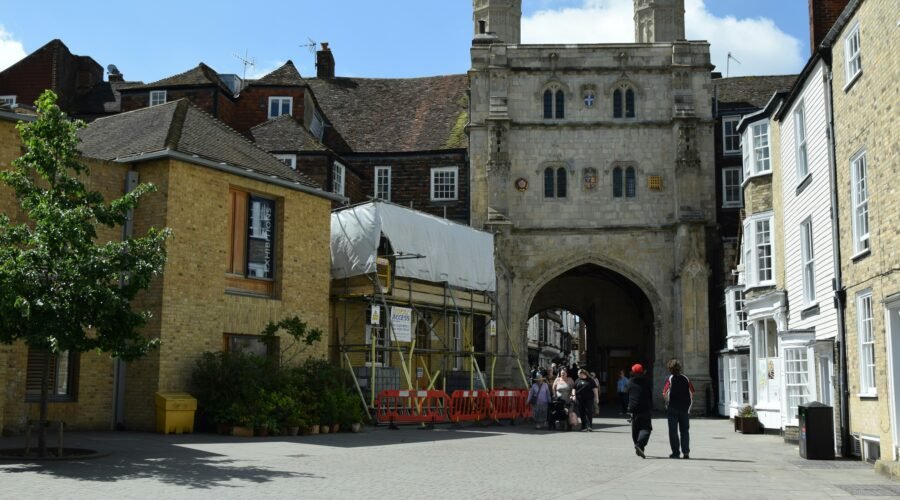
Planning a trip to the historic heart of Kent requires balancing pleasant walking weather with manageable crowds. Canterbury’s cobbled medieval streets, riverside gardens, and world-famous cathedral take on distinct personalities throughout the year. Generally speaking, late spring (May to early June) and early autumn (September to early October) are the best times to visit Canterbury. During these shoulder windows, you will enjoy comfortable sightseeing temperatures, long daylight hours, and vibrant gardens while avoiding the dense tour groups and inflated peak-season hotel rates of mid-summer.
Quick Answer
The best time to visit Canterbury is during the late spring (May to early June) and early autumn (September to early October). These shoulder months offer pleasant daytime temperatures between 15°C and 19°C (59°F–66°F), moderate rainfall, open punting on the River Stour, and significantly shorter queues at major sites like Canterbury Cathedral.
Key Takeaways
- Peak Season (July–August): Warmest weather (20°C–24°C) and energetic festival atmosphere, but accompanied by peak lodging rates, busy pedestrian streets, and crowded heritage sites.
- Shoulder Seasons (May–June & September–October): Ideal sweet spot combining mild weather, lush gardens, autumn foliage, and relaxed access to attractions.
- Low Season (November–February): Coldest and shortest days, offering the lowest accommodation prices, atmospheric winter walks, and festive Christmas markets in December.
- Transportation Advantage: Canterbury is just 55 minutes from London St Pancras via Southeastern High Speed 1 rail, making shoulder-season day trips exceptionally convenient.
Canterbury Seasonal Comparison at a Glance
East Kent benefits from being one of the warmest and driest corners of the United Kingdom. However, visitor density and prices fluctuate dramatically across the calendar.
| Season / Month | Average Temperatures | Crowd Levels | Accommodation Rates | Best For |
|---|---|---|---|---|
| Late Spring (May–Jun) | 15°C–19°C (59°F–66°F) | Moderate | Moderate | Gardens, river punting, walking tours |
| Summer (Jul–Aug) | 20°C–24°C (68°F–75°F) | High (Peak) | High | Outdoor festivals, evening dining, long daylight |
| Early Autumn (Sep–Oct) | 14°C–19°C (57°F–66°F) | Moderate-Low | Moderate | Autumn colours, arts festivals, photography |
| Winter (Nov–Feb) | 4°C–9°C (39°F–48°F) | Low (Excl. Dec) | Low (Best Deals) | Budget travel, cathedral services, Christmas markets |
| Early Spring (Mar–Apr) | 9°C–14°C (48°F–57°F) | Low-Moderate | Moderate-Low | Spring blooms, quiet historic exploration |
1. Late Spring: May to Early June (The Prime Balance)
Why Spring is Ideal
Spring in Canterbury is vibrant and fresh. As the winter frost lifts, the floral displays in Westgate Gardens and the Dane John Gardens come into full bloom along the River Stour. Daylight stretches past 9:00 PM by June, giving visitors ample time to admire the medieval timber-framed houses along the King’s Mile and explore the UNESCO World Heritage site comprising Canterbury Cathedral, St Augustine’s Abbey, and St Martin’s Church.
Weather in Detail
- Temperature: Expect pleasant daytime averages between 15°C and 18°C (59°F–64°F), with early June afternoons frequently reaching 20°C (68°F). Evening lows average 7°C to 10°C (45°F–50°F).
- Rainfall: According to long-term Met Office UK climate averages, May and June are among the drier months in Kent, characterized by brief convective showers rather than prolonged grey washouts.
- Sunshine Hours: Daily sunshine averages 6 to 7 hours, offering bright natural light for photography along the historic city walls.
Crowds & Pricing
Because UK primary and secondary schools remain in session until late July, May and June avoid the heavy school holiday rushes. Aside from the late May Bank Holiday weekend, queues at the Cathedral and local museums are minimal. Accommodation providers offer standard shoulder rates before implementing peak summer price surges.
Pro Tip: May is the optimal month for historic river tours. Historic river punting along the Stour operates fully, providing uncrowded views of the 13th-century Greyfriars Franciscan friary and Dominican Blackfriars.
2. Golden Autumn: September & Early October
Why Autumn Shines
Early autumn delivers rich golden foliage across the Great Stour valley and a calm, cultured atmosphere in the city centre. As summer holidaymakers disperse, Canterbury returns to an authentic pace. October also marks the commencement of the renowned annual Canterbury Festival, Kent’s flagship international arts festival, featuring two weeks of music, theatre, and walking tours.
Weather in Detail
- Temperature: September retains summer warmth with afternoon highs of 16°C to 19°C (61°F–66°F). Early October cools to crisp averages of 13°C to 16°C (55°F–61°F), with nighttime lows dropping to 6°C to 9°C (43°F–48°F).
- Rainfall: September remains relatively dry. Mid-to-late October experiences an uptick in autumn rainfall, so packing a waterproof coat and layered clothing is advised.
- Sunshine Hours: Averages range between 4 and 6 hours per day, with clear, crisp mornings perfect for outdoor heritage trails.
Crowds & Pricing
International tour group volumes drop sharply after the first week of September. While students return to the University of Kent and Canterbury Christ Church University, their presence primarily enlivens the coffee shops, bookstores, and pubs along Palace Street without congesting historic tourist attractions.
3. Summer Haze: July & August (Peak Energy)

Why Summer is Popular
July and August bring long, sun-drenched days and open-air theatrical performances. Major community events take place, including the Canterbury Medieval Pageant and celebrations for the St Thomas Becket pilgrimage traditions. The city’s gardens and riverside terraces buzz with outdoor diners and buskers.
Weather in Detail
- Temperature: The warmest time of the year, with average daily highs of 21°C to 24°C (70°F–75°F). Regional heatwaves can occasionally push temperatures above 30°C (86°F).
- Rainfall: Rainfall is generally low, though warm afternoons can occasionally culminate in brief, heavy summer thunderstorms.
- Sunshine Hours: Peak daylight with 7 to 8 hours of direct sunshine per day, remaining bright until nearly 10:00 PM in midsummer.
Crowd Control & Travel Planning
Summer is Canterbury’s busiest window. Expect bustling foot traffic around the Buttermarket and high demand at major heritage sites. Pre-booking entry tickets for Canterbury Cathedral, the Canterbury Roman Museum, and St Augustine’s Abbey is highly recommended to secure your preferred entry slot.
Warning: City-centre parking in historic Canterbury fills up early on summer weekends. Drivers should utilize Canterbury’s Park and Ride facilities (Wincheap, New Dover Road, or Sturry Road) or travel directly via high-speed rail to Canterbury West station.
4. Winter Charm & Off-Peak: November to February

Why Winter Can Be Charming
Winter brings quiet contemplation and dramatic Gothic beauty to Canterbury. Free from summer crowds, visitors can experience the vast Norman and Perpendicular Gothic architecture of the Cathedral crypt and Quire in peace. From late November through Christmas Eve, the city hosts the Canterbury Christmas Market, transforming the Whitefriars district and the historic precincts with wooden chalets, mulled wine stalls, and seasonal lights.
Weather in Detail
- Temperature: Average daytime highs range from 5°C to 9°C (41°F–48°F), with nighttime lows dipping near freezing (0°C–3°C / 32°F–37°F). Frost is common, while significant snowfall remains occasional.
- Rainfall: Winter is the wettest period, requiring warm waterproof outerwear and sturdy footwear for damp stone pavements.
- Sunshine Hours: Daylight is short, averaging 1.5 to 3 hours of sunshine, with dusk arriving around 4:00 PM in December and January.
Cost Considerations & Quiet Sightseeing
Excluding the festive period between mid-December and New Year’s Day, winter offers the most economical accommodation rates of the year. Boutique guesthouses and historic coaching inns frequently offer discounted multi-night winter packages. However, double-check winter opening hours, as some smaller independent heritage sites operate on reduced off-season timetables.
5. Shoulder Transitions: March to April & Late Autumn
March & April: Spring Awakening
Early spring brings blossoming daffodils across the city wall embankments and milder walking weather (9°C–14°C / 48°F–57°F). March can still feel chilly, but April sees the reopening of full-schedule guided walking tours. Note that the two-week Easter school holiday period brings a noticeable spike in family visitors and hotel pricing.
Late October & November: Quiet Transition
Following the conclusion of the Canterbury Festival in late October, November settles into a calm, crisp rhythm (6°C–10°C / 43°F–50°F). It represents an excellent window for budget travelers, heritage researchers, and food enthusiasts visiting Canterbury’s farmers’ markets, such as The Goods Shed next to Canterbury West station.
Note: High-speed commuter rail services operated by Southeastern run hourly from London St Pancras International to Canterbury West, offering a reliable, traffic-free arrival year-round in under an hour.
Wrapping It Up: Making Your Choice
Selecting your travel window comes down to your personal priorities for weather, budget, and atmosphere:
- For the Best Overall Balance: Visit in May, early June, or September for pleasant walking temperatures, lush scenery, open river tours, and manageable crowd levels.
- For Warm Weather & Lively Festivals: Choose July or August if you enjoy buzzing outdoor dining, medieval pageants, and long daylight hours (just ensure you book hotels well in advance).
- For the Lowest Prices & Quiet Monuments: Target January, February, or November to explore world-class heritage at your own unhurried pace without tourist congestion.
- For Festive Spirit: Visit in December to experience traditional choir services and seasonal markets across the medieval centre.
Frequently Asked Questions
What is the best time to visit Canterbury in terms of weather?
The best time for warm, dry weather is from June to August, when daytime temperatures average 20°C to 24°C (68°F–75°F) with maximum daylight. For comfortable sightseeing without excessive heat, late May and September offer optimal conditions averaging 16°C to 19°C (61°F–66°F).
When is the peak tourist season in Canterbury?
Peak tourist season runs from late June through August, coinciding with UK and European school summer holidays. Weekend visitor numbers also peak during the Canterbury Christmas Market in December.
When is the off-peak season in Canterbury?
The off-peak season is during the winter months of November, January, and February (excluding Christmas week). During this time, visitor numbers drop significantly and hotel rates are at their annual low.
What is the cost of visiting Canterbury during the peak tourist season?
During peak summer (July–August), hotel and guesthouse rates increase by 30% to 50% compared to off-peak periods, and central parking garages charge peak rates. Major attraction entrance fees remain constant throughout the year, but booking tickets early is necessary to guarantee entry.
When is the best time to visit Canterbury to avoid crowds?
To avoid crowds while still enjoying pleasant weather, visit during the shoulder months of May, early June, September, or early October on Tuesday through Thursday, avoiding UK Bank Holiday weekends and school half-term dates.
Sources
- Met Office UK — Climate averages, temperature data, and regional rainfall statistics for East Kent.
- Canterbury Cathedral — Official visitor hours, ticketing guidance, and historical conservation information.
- Visit Canterbury — Official tourism guide for local cultural festivals, seasonal events, and heritage sites.
- UNESCO World Heritage Centre — Heritage registry details for Canterbury Cathedral, St Augustine’s Abbey, and St Martin’s Church.
- Southeastern Railway — Rail route details and high-speed timetable connections to Canterbury West.