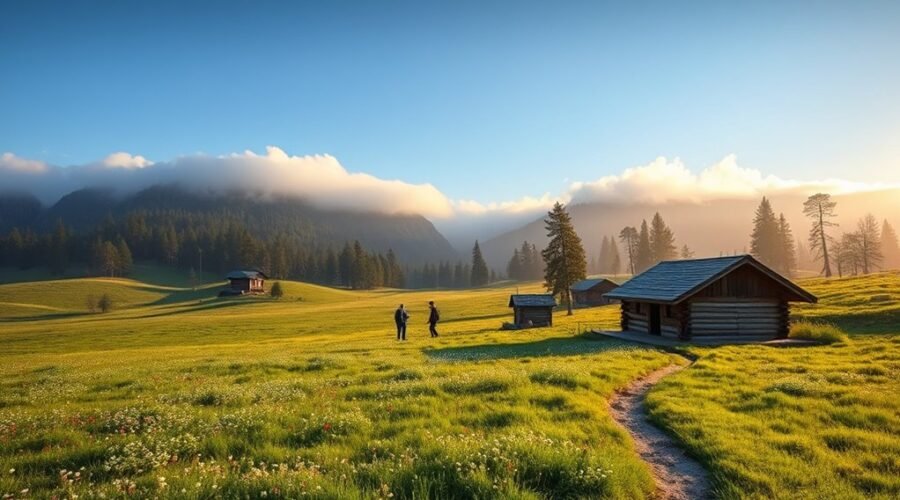
Located at an elevation of approximately 1,650 meters (5,413 feet) in the Amanos (Nur) Mountains of southern Turkey’s Osmaniye Province, Zorkun Plateau (Zorkun Yaylası) offers a refreshing alpine escape from the Mediterranean heat. Timing your trip correctly ensures pleasant mountain temperatures, manageable crowds, accessible hiking trails, and authentic regional cuisine at local lokantas. Whether you are traveling for vibrant spring wildflower blooms, traditional summer highland festivals, or crisp autumn photography, selecting the right season is key to getting the most out of your visit.
Quick Answer
The best time to visit Zorkun Plateau is from late May through June for lush wildflower meadows and mild trekking weather, or in September through October for crisp air, golden autumn foliage, and peaceful trails. If you want to experience traditional highland culture and open-air markets, visit during July and August, though you should expect peak weekend crowds.
Key Takeaways
- Late May to June: Ideal conditions for hiking, lush green pastures, blooming alpine flora, and moderate visitor traffic.
- July to August: Peak highland season; warm days provide a cool haven from city heat, featuring local festivals and lively markets.
- September to October: Best for photography, tranquil trails, autumn foliage, and comfortable walking temperatures.
- December to March: Heavy snowfall and quiet landscapes; suited for experienced winter hikers, but requires tire chains and 4WD vehicles due to road conditions.
- Local Specialties: Do not miss Zorkun Tavası (baked lamb and vegetable casserole) prepared fresh in local village wood-fired bakeries.
When to Visit Zorkun Plateau: Picks by Traveler Goal
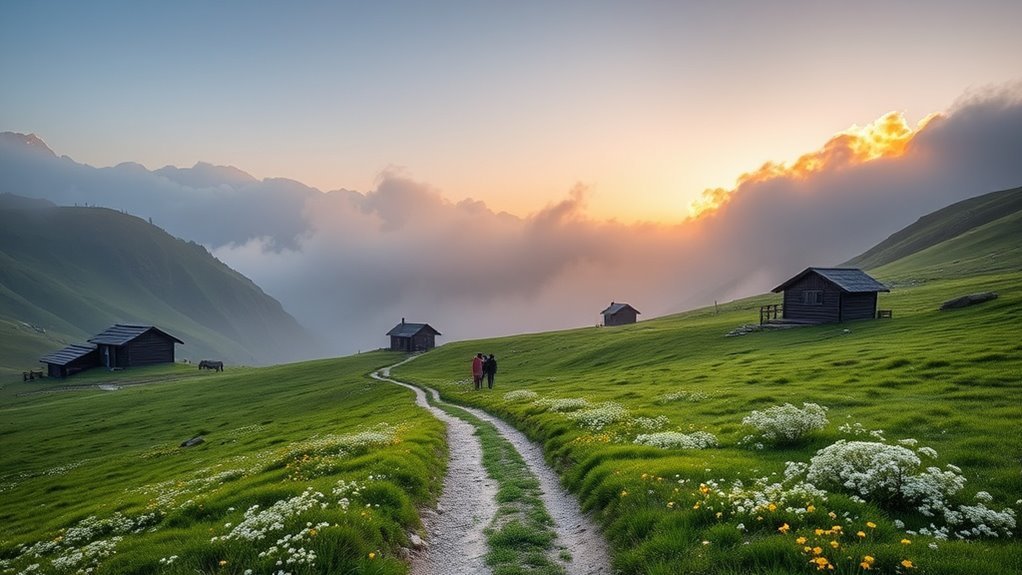
Every season in the Amanos Mountains brings a distinct atmosphere to Zorkun Plateau, matching different travel styles and outdoor interests:
- For Wildflower Enthusiasts & Botanists: Visit between late May and mid-June. Meltwater feeds the high-altitude meadows, bringing vibrant displays of crocuses, alpine anemones, and endemic mountain flora.
- For Traditional Highland Culture: Aim for July or August. Local families from Osmaniye, Adana, and the wider Çukurova region migrate to their summer wooden houses (yayla evleri), opening bustling markets, roadside eateries, and cultural gatherings like the annual Children’s Festival (Çocuk Şenliği).
- For Solitude & Landscape Photography: Choose mid-September through October. The plateau quietens down significantly on weekdays, and the surrounding mixed pine and deciduous forests shift to warm copper, amber, and gold tones.
- For Winter Stargazing & Snowshoeing: Plan for January or February. The plateau is draped in thick snow, offering a tranquil alpine setting for self-sufficient winter adventurers equipped for freezing nights and icy mountain roads.
Pro Tip: If visiting during the peak summer months (July–August), schedule your main outdoor hikes for weekday mornings. Most domestic visitors arrive on Friday afternoon and stay through Sunday, leaving weekday trails quiet.
Zorkun Weather by Month (Climate Overview)
Sitting at an altitude of 1,650 meters, Zorkun Plateau experiences a montane Mediterranean climate that is markedly cooler and wetter than the low-lying plains of Osmaniye city center (26 km to the north). Data from the Turkish State Meteorological Service (MGM) highlights a distinct contrast between warm, dry summers and cold, snowy winters.
Monthly Temperature Trends
Summer daytime temperatures rarely exceed 28°C (82°F), offering welcome relief when the nearby Çukurova valley regularly surpasses 40°C (104°F). Even during the hottest months, night temperatures drop quickly due to the alpine altitude, often hovering around 12°C to 15°C (54°F to 59°F).
| Month | Avg High (°C / °F) | Avg Low (°C / °F) | Precipitation & Conditions |
|---|---|---|---|
| January | 3°C / 37°F | -4°C / 25°F | Heavy snowfall; icy roads |
| February | 5°C / 41°F | -3°C / 27°F | Snow cover; sub-freezing nights |
| March | 9°C / 48°F | 0°C / 32°F | Snowmelt begins; occasional rain |
| April | 14°C / 57°F | 4°C / 39°F | Brisk, variable spring showers |
| May | 19°C / 66°F | 8°C / 46°F | Lush blooms; moderate rainfall |
| June | 24°C / 75°F | 12°C / 54°F | Sunny, clear days; ideal trekking |
| July | 27°C / 81°F | 15°C / 59°F | Dry, warm; peak visitor season |
| August | 28°C / 82°F | 15°C / 59°F | Warm days; very low precipitation |
| September | 24°C / 75°F | 11°C / 52°F | Crisp, stable mountain weather |
| October | 18°C / 64°F | 7°C / 45°F | Golden foliage; intermittent rain |
| November | 11°C / 52°F | 2°C / 36°F | Chilly, wet; early high snow |
| December | 5°C / 41°F | -2°C / 28°F | Persistent snow; winter conditions |
Precipitation and Snowfall
Precipitation on Zorkun is heavily concentrated between November and April. Autumn storms bring steady rainfall that nourishes the dense cedar and black pine stands managed by the General Directorate of Forestry (OGM). Snow usually begins dusting the higher ridges by late November, forming a reliable snowpack from late December through early March.
Summers, by comparison, are dry with low humidity, broken only by occasional short afternoon convective showers over the mountain crests.
Best Months for Hiking
The optimal window for day hikes and ridge treks runs from late May through October:
- May to June: Rushing seasonal streams, soft earth, and blooming mountain meadows.
- July to August: Dry, reliable trail surfaces; best suited for early morning climbs along the surrounding ridges.
- September to October: Cooler daytime temperatures, firm ground, and clear long-range views across the Gulf of İskenderun on clear days.
Spring (Apr–May): Wildflowers, Hiking & Weather
Spring marks the awakening of the Amanos highlands. In April, the plateau transitions from melting snowpacks into vibrant green meadows. By May, conditions stabilize, making this one of the most rewarding periods for botany and outdoor walks.
Blooming Alpine Meadows
As the snow retreats, Zorkun’s meadows become blanketed in wild crocuses, buttercups, mountain anemones, and wild herbs. The surrounding forests of Calabrian pine, black pine, and Lebanon cedar come alive with songbirds, woodpeckers, and migrating raptors traversing the Belen Pass corridor.
Ideal Hiking Conditions
May brings daytime temperatures between 16°C and 20°C (61°F to 68°F), creating comfortable conditions for hiking without the heat fatigue common in the summer. Trails linking Zorkun to adjacent plateaus—such as Olukbaşı, Mitisin, and Fenk—offer gentle elevation changes suitable for walkers of all fitness levels.
Crisp, Variable Weather
Spring conditions can change rapidly at high altitude. A bright morning can quickly give way to mountain fog or a sudden afternoon rain shower. Hikers should pack a waterproof outer shell, wear moisture-wicking layers, and wear supportive waterproof footwear to handle muddy trail sections.
Summer (Jun–Aug): Weather, Crowds & Activities
Summer is the cultural high season on Zorkun. As heat settles into the southern plains, thousands of seasonal residents open their wooden cottages, turning the plateau into a self-contained mountain settlement with lively village squares, butcher shops, bakeries, and tea houses.
“Zorkun’s summer identity centers on its traditional yayla life: cool pine-scented breezes by day, family dinners around communal bakeries in the evening, and blankets required at night.”
Key highlights of the summer season include:
- Zorkun Yaylası Çocuk Şenliği: Held annually in August, this long-running traditional children’s festival features games, folk theater, and athletic competitions sponsored by local civic organizations and the Osmaniye Municipality.
- Local Food Culture: The plateau is celebrated for Zorkun Tavası, a regional specialty of spiced minced or diced lamb, garlic, tomatoes, and hot peppers baked in communal wood-fired ovens, served alongside freshly baked flatbread.
- Outdoor Life: Horseback riding, family picnics under shaded pine groves, and evening stargazing under dark skies away from urban light pollution.
Note: Summer weekends see heavy vehicle traffic on the 26 km winding mountain road connecting Osmaniye to Zorkun. Driving up early in the morning or using local public minibuses helps avoid congestion.
Autumn (Sep–Nov): Colors, Temperatures & Tips
From September to early November, the plateau experiences a quiet transformation. Seasonal residents return to the lowlands for the school year, leaving the plateau tranquil and crisp.
Daytime highs range from 18°C to 24°C in September and drop to 11°C to 16°C in October. The deciduous trees interspersed among the evergreen cedar and pine forests turn rich shades of yellow, rust, and crimson. This is the best season for uninterrupted photography, relaxed trail walks, and sampling fresh seasonal harvest goods like highland honey, walnuts, and dried mountain herbs.
Winter (Dec–Mar): Snow, Access & Safety Notes
Between December and March, Zorkun Plateau is cloaked in deep snow. Most seasonal shops and pensions close their doors, leaving only a handful of year-round caretakers and local foresters.
While the plateau does not operate as a commercial ski resort with mechanical lifts, it attracts backcountry snowshoers and day visitors looking for snow scenery.
Warning: The winding mountain road from Osmaniye to Zorkun frequently experiences black ice and heavy snowdrifts in winter. Ensure your vehicle has winter tires and carry functional snow chains. Check municipal road status updates before departure, and note that cell phone reception can be intermittent along higher mountain passes.
Zorkun Crowd Levels: When It Gets Busy
Visitor numbers on Zorkun fluctuate dramatically based on seasonal weather and school calendars:
- High Season (Late June – August): Maximum occupancy. Expect busy markets, bustling roadside restaurants, full parking areas, and heavy weekend traffic.
- Shoulder Season (May – Early June & September – October): Moderate to low crowd levels. Weekdays offer almost total solitude on the hiking routes, while restaurants and essential shops remain open.
- Low Season (November – April): Minimal visitor traffic. Ideal for nature lovers seeking peace, but requiring complete self-sufficiency for food and winter gear.
Zorkun Costs: Accommodation, Food, Transport, Activities
Visiting Zorkun Plateau is generally budget-friendly compared to coastal Mediterranean resorts:
- Accommodation: Modest family-run pensions, wooden guest bungalows, and rental chalets vary from affordable off-peak rates to higher prices on July and August weekends. Free wild camping is widely permitted in designated forest recreational clearings.
- Dining: Local lokantas and village butcher-bakeries provide hearty, affordable meals. A generous portion of authentic Zorkun Tavası with fresh salad and bread offers excellent value.
- Transportation: Shared minibuses (dolmuş) operate regular, low-cost services between Osmaniye city center and Zorkun throughout the summer season. Private car rentals offer more flexibility for exploring adjacent plateaus like Mitisin and Çona.
- Activities: Hiking, trail running, photography, and birdwatching on the plateau are completely free.
Frequently Asked Questions
Are there guided wildlife or birdwatching tours available?
While formal commercial tour agencies do not operate permanent desks on the plateau, local nature walking clubs and regional birding groups from Osmaniye and Adana regularly organize guided excursions during the spring raptor migration through the Amanos Mountain corridor.
Is there reliable mobile phone and internet coverage on the plateau?
Major Turkish mobile carriers (Turkcell, Vodafone, Türk Telekom) provide reliable 4G cellular coverage within the central settlement of Zorkun. However, coverage can become patchy or drop entirely in deep forested valleys and on isolated ridge trails.
Can I camp overnight, and are permits required?
Yes, tent camping is popular in designated forest recreation clearings around Zorkun and nearby Mitisin Plateau. Individual permits are generally not required for temporary camping, but open campfires may be strictly restricted during hot, dry summer months by the General Directorate of Forestry to prevent wildfire risks.
Are there medical facilities or emergency services nearby?
A seasonal health clinic (Sağlık Ocağı) and pharmacy operate in central Zorkun during the peak summer months to handle minor ailments. For major medical emergencies, Osmaniye State Hospital is located approximately 26 km (a 40-minute drive) down the mountain. Turkey’s universal emergency number is 112.
Is the plateau suitable for cycling or mountain biking?
Yes, the network of paved access roads and unpaved forestry tracks across the plateau provides excellent terrain for mountain biking and gravel cycling. The asphalt road from Osmaniye to Zorkun also offers a challenging 1,500-meter vertical climb for road cyclists.
Conclusion
Timing your visit to Zorkun Plateau depends on what you want out of your trip. For crisp air, wildflower meadows, and optimal trekking conditions, visit in late May or June. If you want to immerse yourself in the lively social atmosphere of Turkish highland culture, sample authentic Zorkun Tavası, and escape Mediterranean summer heat, plan for July and August. For peaceful walks under autumn foliage and uncrowded viewpoints, September and October offer the ideal balance. Pack layers for cool mountain evenings, respect the natural environment, and enjoy one of the Mediterranean region’s most scenic highlands.
Sources
- Osmaniye Provincial Directorate of Culture and Tourism — Official guide to Osmaniye plateaus, cultural heritage, and regional geography.
- Turkish State Meteorological Service (MGM) — Regional climate normals, precipitation patterns, and highland weather data.
- General Directorate of Forestry (OGM) — Amanos mountain forest management, biodiversity information, and wildfire safety regulations.
- Osmaniye Municipality — Public services, traditional festival schedules, and regional infrastructure notes.