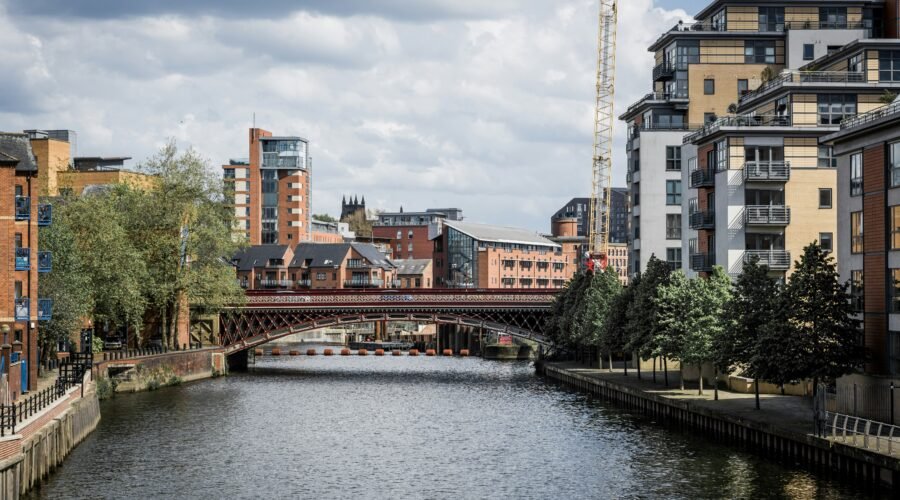
Determining the best time to visit Leeds depends on whether your priority is catching warm outdoor festival energy, wandering world-class galleries in peaceful shoulder months, or securing off-peak accommodation rates. Nestled in West Yorkshire in the rain shadow of the Pennines, Leeds experiences milder and drier conditions than many travelers expect from northern England, making it an engaging year-round destination for urban culture, historic shopping arcades, and scenic parklands.
Quick Answer
The best time to visit Leeds is during late spring (May to June) and early autumn (September to October). These shoulder months deliver comfortable temperatures between 13°C and 18°C (55°F–64°F), manageable crowds, reasonable hotel rates, and ideal conditions for exploring city parks and cultural festivals.
Key Takeaways
- Peak Season (July–August): Warmest weather (19°C–22°C / 66°F–72°F) and vibrant outdoor events, paired with peak accommodation rates.
- Shoulder Seasons (May–June & September–October): Optimal balance of mild weather, cultural festivities, and moderate lodging prices.
- Low Season (January–February): Coldest months with the lowest hotel prices, perfect for indoor museums and dining.
- December Rush: High weekend hotel rates and bustling crowds due to citywide Christmas markets and holiday shopping.
Leeds at a Glance: Month-by-Month Overview
| Month | Avg High / Low | Rain Days | Crowd Level | Best For |
|---|---|---|---|---|
| March | 10°C / 3°C (50°F / 37°F) | 10 days | Low | Budget travel, museum visits |
| April | 13°C / 5°C (55°F / 41°F) | 9 days | Moderate | Spring blooms, Easter city breaks |
| May | 16°C / 8°C (61°F / 46°F) | 9 days | Moderate | Parks, gardens, terrace dining |
| June | 19°C / 11°C (66°F / 52°F) | 8 days | Moderate–High | Long daylight hours, walking tours |
| July | 21°C / 13°C (70°F / 55°F) | 9 days | High | Outdoor festivals, canal strolls |
| August | 21°C / 13°C (70°F / 55°F) | 9 days | Peak | Carnival, major music festivals |
| September | 18°C / 10°C (64°F / 50°F) | 8 days | Moderate | Sightseeing, heritage weekends |
| October | 14°C / 7°C (57°F / 45°F) | 11 days | Moderate | Autumn foliage, Light Night Leeds |
| November | 9°C / 4°C (48°F / 39°F) | 11 days | Low–Moderate | Film festival, cozy pub dining |
| December | 7°C / 2°C (45°F / 36°F) | 10 days | High (Weekends) | Christmas markets, festive shopping |
| January | 6°C / 1°C (43°F / 34°F) | 11 days | Low | Budget stays, winter retail sales |
| February | 7°C / 1°C (45°F / 34°F) | 9 days | Low | Quiet cultural visits, theater |
Note: According to official climate observations from the Met Office, Leeds benefits from its position east of the Pennines, receiving roughly 660–700 mm of annual rainfall. This makes Leeds significantly drier than western UK cities like Manchester or Glasgow.
1. Spring (March – May): Fresh Blooms and Mild Exploration
Spring is a refreshing period to explore Leeds as the city emerges from winter. Daylight stretches out, trees line Briggate with fresh greenery, and open spaces across the city host early seasonal gatherings.
1.1 Weather in Spring
- March: Cool and changeable, with daytime highs around 10°C (50°F) and brisk nights near 3°C (37°F). Occasional morning frost and light showers are normal.
- April: Temperatures rise to an average high of 13°C (55°F). Sunny intervals increase, though carrying a compact umbrella remains sensible.
- May: Consistently pleasant, averaging highs of 16°C (61°F) with frequent 18°C–20°C days. May features some of the lowest average precipitation rates of the year.
1.2 Crowds and Atmosphere
Early spring (March to April) remains relatively uncrowded, making it easy to tour major heritage sites without lines. Late spring (May) sees more foot traffic along the River Aire and around outdoor dining areas like Call Lane, especially during the two May bank holiday weekends.
1.3 Costs and Accommodation
Hotel rates remain competitive throughout March and April. While holiday weekends in May trigger slight price increases, overall travel costs during spring stay well below peak summer rates.
1.4 Why Spring Might Be for You
Spring is ideal for travelers who appreciate mild walking weather and vibrant botanical displays. It is the perfect time to visit Roundhay Park (one of Europe’s largest urban parks), the Tropical World glasshouses, or the expansive grounds of Kirkstall Abbey.
Pro Tip: Visit Kirkstall Abbey in late April or early May to see the 12th-century ruined Cistercian monastery surrounded by blooming spring wildflowers along the banks of the River Aire.
2. Summer (June – August): High Season Vibrancy and Festivals
Summer brings the warmest weather, bustling al fresco dining, and the busiest events calendar to Leeds. The city center buzzes with energy as students, locals, and international travelers gather around Millennium Square and the South Bank.
2.1 Weather in Summer
- June: Long daylight hours (up to 17 hours of light) with average highs of 19°C (66°F).
- July: The warmest month, averaging 21°C (70°F) with heatwaves periodically pushing temperatures past 28°C (82°F).
- August: Warm and summery, averaging 21°C (70°F) with pleasant evenings averaging 13°C (55°F).
2.2 Crowds and Atmosphere
July and August represent the peak tourist season in Leeds. Attractions like the Royal Armouries Museum, Leeds Waterfront, and Victoria Quarter experience steady foot traffic, particularly on weekends and during school summer holidays.
2.3 Costs and Accommodation
Demand for accommodation peaks during the summer months. Hotel room rates in central Leeds reach their annual highs on weekends hosting major regional events. Booking hotels 2 to 3 months ahead is strongly advised.
2.4 Why Summer Might Be for You
Summer is perfect for visitors who thrive on high energy, outdoor music, canal-side dining, and community celebrations. The city’s public squares transform with outdoor screen viewings, beer gardens, and street food markets.
Warning: During the late August Bank Holiday weekend, Leeds Festival at nearby Bramham Park and the Leeds West Indian Carnival draw tens of thousands of visitors. City center transit and hotels sell out weeks in advance.
3. Autumn (September – November): Cultural Calendar and Autumn Colors
Autumn brings crisp air, golden tree canopies across the Meanwood Valley Trail, and the full resumption of the city’s theatrical, musical, and university cultural seasons.
3.1 Weather in Autumn
- September: Mild and comfortable, with average highs of 18°C (64°F). It often feels like a gentle extension of late summer.
- October: Crisper mornings and average highs around 14°C (57°F), accompanied by shorter daylight hours and increased rainfall.
- November: Noticeably cooler, averaging highs of 9°C (48°F) and lows of 4°C (39°F). Warm layers and waterproof coats become essential.
3.2 Crowds and Atmosphere
As the primary school term resumes in September, tourist numbers drop noticeably, offering a relaxed environment for gallery browsing and shopping. Crowd levels briefly spike during mid-October for signature evening events before dropping again in November.
3.3 Costs and Accommodation
Autumn offers some of the best value for city-center accommodation. Outside of specific event weekends (such as university move-in days in late September), room rates are significantly lower than in July and August.
3.4 Why Autumn Might Be for You
If you enjoy photography, heritage architecture, cozy pub hearths, and cultural festivals without summer crowds, autumn is an outstanding window. It is also the premier season for indoor arts, live theater at Leeds Playhouse, and classical concerts at Leeds Town Hall.
4. Winter (December – February): Festive Markets and Off-Peak Quiet
Winter in Leeds presents two distinct experiences: a high-energy, festive December followed by the peaceful, cost-effective winter stillness of January and February.
4.1 Weather in Winter
- December: Chilly and damp, with average highs of 7°C (45°F) and lows of 2°C (36°F). Daylight fades by 4:00 PM.
- January: Statistically the coldest month, averaging daytime highs of 6°C (43°F) and night lows near 1°C (34°F). Frost is frequent, with occasional light snowfall.
- February: Similar to January with highs around 7°C (45°F). Late February often brings the first signs of early spring bulbs.
4.2 Crowds and Atmosphere
December is busy and bustling. Christmas markets across City Square, Briggate, and Millennium Square draw thousands of regional shoppers. In contrast, January and February are the quietest months of the year, leaving national museums and shopping arcades virtually uncrowded.
4.3 Costs and Accommodation
Hotel rates vary sharply during winter:
- December: High rates on Friday and Saturday nights due to corporate parties, shoppers, and festive events.
- January to February: The most budget-friendly time of the year. Hotels offer substantial off-peak discounts, making this the prime season for budget-conscious travelers.
4.4 Why Winter Might Be for You
Visit in December if you love twinkling holiday light displays, artisan market stalls, and ice skating on Millennium Square. Choose January or February if you want maximum savings on accommodation and prefer quiet, contemplative visits to the Leeds Art Gallery and Royal Armouries.
5. Timing Your Visit by Major Events and Interests
Leeds hosts world-class sporting, musical, and artistic events throughout the calendar year according to Leeds City Council. Timing your trip around these specific fixtures can elevate your itinerary:
5.1 Key Annual Festivals
- Leeds International Film Festival (November): One of the UK’s largest qualifying film festivals, presenting hundreds of screenings across historic venues like the Hyde Park Picture House.
- Light Night Leeds (October): The UK’s largest annual arts and light festival, transforming city landmarks, squares, and facades with large-scale illuminated installations.
- Leeds West Indian Carnival (Late August Bank Holiday): Europe’s longest-running authentic Caribbean carnival, bringing vibrant costumes, music, and Caribbean food stalls to Chapeltown and Potternewton Park.
- Leeds Christmas Markets & Ice Cube (Late November – December): Festive stalls, seasonal artisan food, and outdoor ice skating across Millennium Square, Victoria Gardens, and downtown pedestrian hubs.
5.2 Sports Fixtures
- Cricket at Headingley: County Championship, The Hundred, and International Test matches run from April through September.
- Football (Leeds United): The league season at Elland Road runs from August through May.
- Rugby League (Leeds Rhinos): Super League fixtures take place at AMT Headingley Stadium between February and September.
“Whether you are exploring the Grand Arcade’s independent cafes in October or paddling along the Leeds & Liverpool Canal in June, Leeds rewards travelers who match their plans to its shifting seasonal rhythm.”
Conclusion
While late spring (May to June) and early autumn (September to October) offer the most balanced combination of comfortable weather, manageable crowds, and reasonable rates, every season in Leeds offers a distinct appeal. Summer delivers unbeatable festival energy and vibrant outdoor dining along the waterfront, December sparkles with holiday cheer and festive artisan markets, and late winter provides unbeatable hotel bargains for museum and culture lovers. By aligning your trip dates with your personal interests, budget, and weather preferences, you can ensure a memorable visit to Yorkshire’s cultural hub.
Frequently Asked Questions
What is the best time to visit Leeds for good weather?
The best months for good weather in Leeds are June, July, and August, when average daytime temperatures range between 19°C and 21°C (66°F–70°F) with the longest daylight hours. Late spring (May) is also relatively dry and sunny.
When is the best time to visit Leeds to avoid crowds?
To avoid crowds, visit during the shoulder months of March to April or September to November (excluding event weekends). For the fewest tourists at major museums and shopping centers, January and February are the quietest months.
What is the most cost-effective time to visit Leeds?
The most cost-effective time to visit Leeds is in January and February. Post-holiday travel dips significantly, prompting hotels and serviced apartments to offer their lowest room rates of the year.
When is the peak tourist season in Leeds?
Peak tourist season occurs during the summer months of July and August, as well as on weekends in December. These periods experience elevated accommodation prices and high footfall around major shopping and cultural districts.
What are the busiest events that affect accommodation and travel in Leeds?
The busiest annual events include the Leeds Festival and Leeds West Indian Carnival (both over the August Bank Holiday weekend), Light Night Leeds (October), the Leeds International Film Festival (November), and the Christmas Markets on December weekends. Booking accommodation months in advance is essential during these dates.
Sources
- Met Office UK — Climate averages and regional rainfall data for West Yorkshire.
- Visit Leeds — Official tourist board guidance on major cultural events, seasonal attractions, and venue hours.
- Leeds City Council — City events calendar, public spaces, and seasonal community programming.
- Royal Armouries Museum — Visitor schedules and exhibition timings for one of Leeds’ flagship national attractions.