Manchester is one of the United Kingdom’s most vibrant cultural hubs, defined by its rich industrial heritage, iconic music legacy, world-class football, and a celebrated culinary scene. Deciding on the best time to visit depends on whether you prioritize warm pub-garden weather, catching a Premier League fixture at Old Trafford or the Etihad, exploring world-renowned Christmas markets, or securing off-season accommodation rates. Understanding how the city transitions through each season ensures you pack correctly and maximize your itinerary.
Quick Answer
The best time to visit Manchester for warm weather and outdoor events is from June to August. For lower hotel prices and manageable crowds, visit during the shoulder months of May or September. Football enthusiasts should plan between August and May, while festive marketgoers should visit from late November through December.
Key Takeaways
- Peak Season (June–August & December): Best for outdoor festivals, Manchester Pride, beer gardens, and festive markets, but accommodation rates are at their highest.
- Shoulder Season (April–May & September–October): Offers the optimal balance of mild weather, cultural events, manageable foot traffic, and moderate hotel rates.
- Low Season (January–February): The cheapest and quietest time to explore museums, galleries, and theatre, though days are short and temperatures average 3°C to 7°C.
- Football Calendar: The Premier League season runs from mid-August through late May, requiring advance ticket and hotel bookings for home match weekends.
1. Summer in Manchester (June to August): Festivals and Energy
Summer in Manchester brings long daylight hours, packed canal-side terraces in Castlefield, open-air cinema screenings, and high-energy music festivals. With daylight stretching past 9:30 PM in midsummer, the city takes full advantage of its public squares and outdoor venues.
June: The Gentle Start
June is widely regarded as one of the best months to visit Greater Manchester. Average daytime highs reach 18°C to 20°C, and school holiday crowds have not yet arrived. It is the month of major music events, most notably Parklife Festival at Heaton Park, which brings over 80,000 music fans to the city. Accommodation demand spikes sharply over festival weekends, so securing central hotel rooms early is essential.
July & August: Peak Season Power
July and August represent the warmest months of the year, with temperatures regularly reaching the low-to-mid twenties Celsius, alongside occasional heatwaves. The city buzzes with high-profile cultural gatherings, including the biennial Manchester International Festival and the renowned Manchester Pride Festival over the late August Bank Holiday weekend. Note that hotel prices peak during these months, and popular indoor attractions—such as the Science and Industry Museum—experience longer queues.
Pro Tip: Summer is pre-season for football. While no competitive Premier League matches occur, both Old Trafford and the Etihad Stadium run comprehensive behind-the-scenes stadium and museum tours with lower wait times than during the competitive season.
Weather Considerations for Summer
While summer delivers the greatest number of sunny days, Manchester’s maritime climate means passing showers can happen at any time. The region’s geography against the Pennine hills contributes to sudden weather shifts. Packing light, breathable layers alongside a compact waterproof jacket or umbrella ensures you are prepared for sudden downpours between sunny spells.
2. Autumn in Manchester (September to November): Culture and Transition
As summer tourists clear out, autumn offers colourful foliage across the city’s parks, a vibrant student return to the Oxford Road corridor, and the opening of major arts seasons.
September: The Golden Days
September frequently offers some of the most consistent travel conditions of the year. Daytime temperatures remain comfortable at 16°C to 18°C, while flight and accommodation rates drop from their August peaks. It is an exceptional month for walking tours around the Northern Quarter, exploring Ancoats’ dining scene, and canal walks toward the Quays without midsummer congestion.
October: The Cosy Embrace
October brings cooler air, with temperatures settling between 11°C and 14°C, along with shorter daylight hours. It is prime time to experience Manchester’s indoor culture. You can spend afternoons exploring the John Rylands Research Institute and Library, browsing the Manchester Art Gallery, or catching independent live music across venues along Oldham Street.
November: The Pre-Christmas Sparkle
November marks the transition into the festive period. Temperatures drop to single digits (6°C to 10°C), and the city prepares for the holidays. By mid-November, the award-winning Manchester Christmas Markets open across Albert Square, Piccadilly Gardens, and St Ann’s Square. While mid-week visits remain accessible, weekend hotel rates begin to rise sharply as regional visitors arrive for holiday shopping.
3. Winter in Manchester (December to February): Markets and Budget Travel

Winter in Manchester is divided into two distinct experiences: a high-energy, crowded holiday period in December, followed by a quiet, budget-friendly low season in January and February.
December: Christmas Cheer Central
December is one of the busiest months on Manchester’s calendar. Hundreds of market stalls serve bratwurst, mulled wine, and handmade crafts across the central squares. The atmosphere is festive and lively, but travellers must contend with premium hotel rates and crowded public transport. If you plan to attend a festive matchday or explore the markets on a December weekend, reserve your accommodation months in advance.
January & February: The Quiet Spell
Once New Year celebrations conclude, tourism drops significantly. January and February are Manchester’s coldest months, with daytime highs around 6°C to 8°C and night-time lows frequently hovering near freezing. However, this is also the most cost-effective window to visit. City-centre hotels offer their lowest room rates of the year, museums and galleries are calm, and tickets for theatre productions and mid-week Premier League fixtures are much easier to source.
Note: Winter weather is typically cold and damp rather than heavily snowy. Snow rarely settles for long in the city centre, though frost and icy pavements are common. Thermal underlayers, water-resistant footwear, and a heavy winter coat are recommended.
4. Spring in Manchester (March to May): The Reawakening

Spring is a transitional season characterized by lengthening days, blooming public gardens, and rising temperatures. It provides an ideal window for travellers looking to avoid summer price spikes.
March: The Lingering Chill
March can remain brisk, with temperatures averaging 10°C to 12°C. Rain and brisk winds are common, but daylight hours increase substantially. The city hosts significant St Patrick’s Day festivities and cultural exhibitions. March remains part of the shoulder season, offering competitive room rates outside of major match weekends.
April: The Gradual Warm-Up
April brings noticeable improvements in climate, with average highs reaching 13°C to 15°C and statistically fewer rainy days according to long-term UK climate data from the Met Office. Parks like Fletcher Moss Botanical Garden and Whitworth Park begin to bloom. Outside of the Easter bank holiday weekend, tourist volumes remain moderate.
May: The Pre-Summer Sweet Spot
May is widely considered one of the very best months for exploring Manchester. Temperatures frequently climb into the high teens and low twenties Celsius. Outdoor hospitality returns along Cutting Room Square in Ancoats and the Corn Exchange, yet hotel rates remain lower than during peak July and August. The Great Manchester Run also takes place in May, filling the city with runners and spectators.
5. Considerations: Beyond the Seasons
| Month | Avg High / Low (°C) | Crowd Level | Hotel Pricing | Top Focus |
|---|---|---|---|---|
| January | 7°C / 2°C | Low | Budget | Indoor museums, galleries, low hotel rates |
| February | 8°C / 2°C | Low | Budget | Theatre, live music, Premier League matches |
| March | 10°C / 4°C | Moderate | Moderate | St Patrick’s Parade, cultural walking tours |
| April | 13°C / 5°C | Moderate | Moderate | Spring blooms, Easter events, canal walks |
| May | 17°C / 8°C | Moderate-High | Moderate | Great Manchester Run, outdoor dining |
| June | 19°C / 11°C | High | Peak | Parklife Festival, long daylight hours |
| July | 21°C / 13°C | High | Peak | Manchester International Festival, beer gardens |
| August | 20°C / 13°C | High | Peak | Manchester Pride, start of Premier League season |
| September | 18°C / 10°C | Moderate | Moderate | Food & drink festivals, pleasant sightseeing |
| October | 14°C / 8°C | Moderate | Moderate | Autumn foliage, indoor culture, Halloween events |
| November | 10°C / 4°C | Moderate-High | Moderate-Peak | Opening of Manchester Christmas Markets |
| December | 7°C / 2°C | High | Peak | Christmas Markets, festive fixtures, holiday shows |
Planning your trip extends beyond temperature averages. Key seasonal dynamics significantly influence crowd sizes, travel logistics, and overall pricing across Greater Manchester.
Football Fixtures: A Major Draw
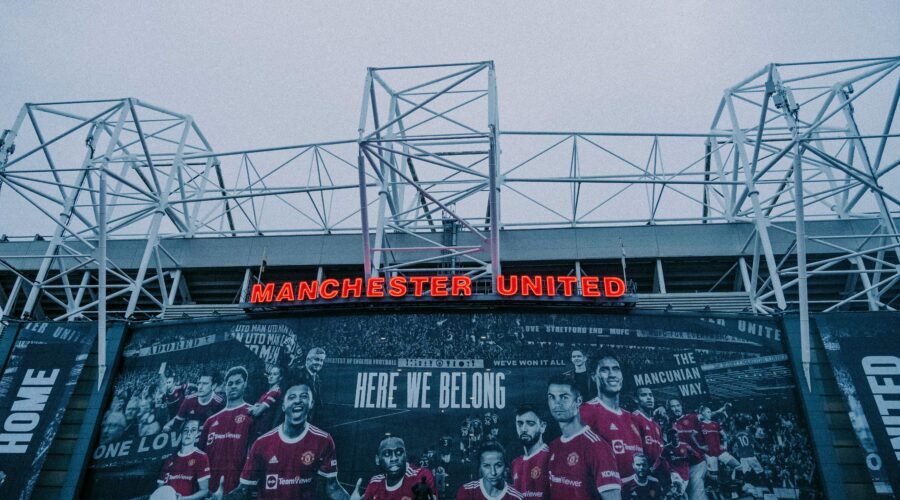
Manchester is home to two of the world’s most prominent football clubs: Manchester United (Old Trafford) and Manchester City (Etihad Stadium). The English football season runs from mid-August through late May. Match weekends bring tens of thousands of visiting fans into the city centre, increasing hotel occupancy and driving up room rates. If you plan to attend a fixture, match tickets must be acquired well in advance through official club memberships. If you are not attending a match, checking fixture lists beforehand helps you avoid peak travel congestion around stadium transport links.
Cost of Travel and Accommodation
- Peak Season (June–August, December): Flight and hotel prices reach their highest levels. Early booking is necessary for city-centre locations.
- Shoulder Seasons (April–May, September–October): Excellent value with moderate accommodation pricing, lower flight costs, and pleasant walking conditions.
- Off-Season (January–February): Significant cost savings across boutique and central hotels, accompanied by low attraction wait times.
Major Events and Festivals
Annual events shape the city’s pulse throughout the year according to official event listings from Visit Manchester. In addition to Parklife (June) and Manchester Pride (August), major stadium concerts at the Etihad, Old Trafford Cricket Ground, and Co-op Live frequently sell out hotel rooms months ahead. Checking the city’s arena and stadium schedules before locking in travel dates prevents unexpected accommodation price surges.
Matching Your Travel Style to the Season
- For warm weather and outdoor energy: Late May through August.
- For the best value and fewer crowds: January through February, or early spring.
- For festive holiday charm: Late November through December.
- For live Premier League football: August through May (aligning with home fixture schedules).
- For optimal balance (weather, cost, crowds): May and September.
Frequently Asked Questions
What is the best time to visit Manchester based on weather?
The best time for warm, pleasant weather is during the summer months of June through August, when average daytime highs hover around 19°C to 21°C and daylight hours are at their longest. For lower rainfall probability, late spring (April and May) also offers reliable, mild sightseeing conditions.
When is the best time to visit Manchester to avoid crowds?
To avoid heavy tourist crowds, visit during the shoulder seasons of spring (March to early May) and autumn (September to October), or during the post-holiday winter lull in January and February. Attractions, museums, and restaurants are much quieter compared to midsummer and December.
What is the most cost-effective time to visit Manchester?
The most budget-friendly time to visit Manchester is in January and February. Following the festive season, hotel rates drop to their annual lows, airfare and train tickets are discounted, and indoor cultural attractions can be explored at minimal cost.
When is the peak tourist season in Manchester?
Manchester experiences two primary peak periods: summer (June to August) for music festivals, Manchester Pride, and outdoor events; and December for the world-famous Manchester Christmas Markets and holiday shopping.
What are the busiest times in Manchester to avoid when planning a visit?
The busiest periods include Parklife weekend in early June, the late August Bank Holiday (Manchester Pride), December weekends during the Christmas Markets, and major Manchester Derby match weekends when accommodation demand peaks across the city.
Sources
- Visit Manchester — Official Tourism Board for Greater Manchester event calendars, market schedules, and visitor data.
- Met Office UK — Official climate averages, monthly rainfall data, and seasonal temperature records for Northwest England.
- Factory International / Manchester International Festival — Official programming schedules for biennial summer festival dates and year-round arts events.
- Parklife Festival — Official event scheduling and Heaton Park venue information.