Thinking of visiting Alberta? You’ve picked a fantastic, and surprisingly diverse, place. The best time to visit really depends on what you want to do, as Alberta offers vastly different experiences across its seasons. Generally speaking, for outdoor adventures in the Rockies, late spring (late May to June) and early fall (September to early October) are your sweet spots, offering a good balance of decent weather, fewer crowds, and more manageable costs. If you’re into winter sports, January and February are prime.
1. Weather: Expect the Unexpected (and Prepare for It)
Alberta’s weather is, shall we say, vibrant. It can flip on a dime, especially in the mountains. Don’t let a sunny morning fool you into underdressing. Always layer.
1.1 Mountain Weather: A Law Unto Itself
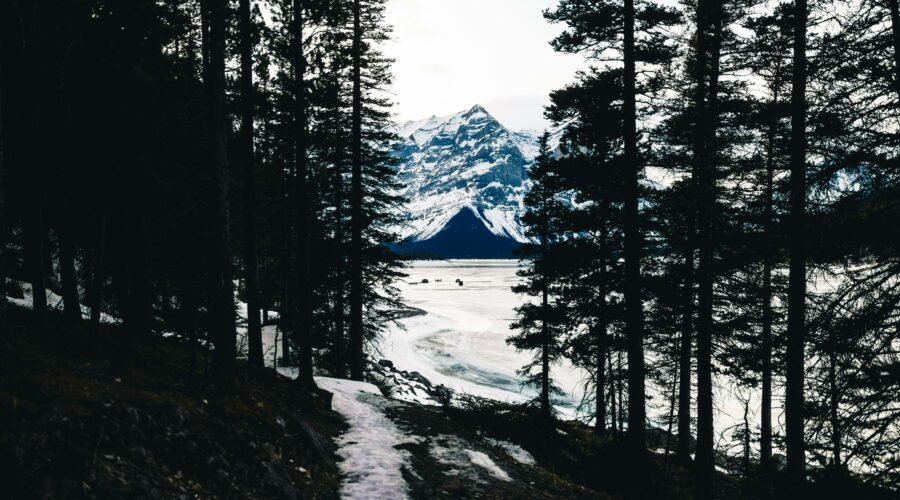
The Rocky Mountains (Banff, Jasper, Lake Louise) are a different beast. Temperatures can drop significantly as you gain elevation, and storms can roll in quickly, even in summer.
- Summer (June – August): Daytime highs typically range from 20-25°C (68-77°F) in the valleys, but nights can still be cool, around 5-10°C (41-50°F). Rain showers are common, so a waterproof jacket is essential. Higher elevations will be colder.
- Fall (September – October): Crisp days, 10-20°C (50-68°F), with vibrant golden larches in late September. Nights dip below freezing. Expect occasional early snowfalls, especially at higher altitudes.
- Winter (November – March): Cold, with average daytime temperatures of -5 to -15°C (23-5°F), but it can easily dip to -30°C (-22°F) or colder during cold snaps. Snow is abundant.
- Spring (April – May): A transition period. Valleys start to melt and warm (10-15°C/50-59°F), but higher trails remain snowy and often inaccessible until late May or even June. River levels will be high due to snowmelt.
1.2 Prairie and City Weather: More Predictable, Still Variable
The provincial capital, Edmonton, and Calgary sit in the prairie/foothills region, which has its own weather patterns.
- Summer (June – August): Warmer here than in the mountains, often 25-30°C (77-86°F), with less humidity. Thunderstorms are common in the late afternoon.
- Fall (September – October): Pleasant, sunny days, 10-20°C (50-68°F), with cool nights. The leaves turn beautiful shades.
- Winter (November – March): Cold, similar to the mountains but often with less snow. Both cities experience chinooks – warm, dry winds that can rapidly raise temperatures above freezing, melting snow and offering a break from the cold. These can happen all winter.
- Spring (April – May): Variable, with temperatures fluctuating between 5-15°C (41-59°F). Expect a mix of sun, rain, and occasionally even late snow showers.
If you’re planning a trip to Alberta, you might also find it helpful to read the article on travel tips and itineraries for exploring the Canadian Rockies. This resource provides insights into the best routes, must-see attractions, and local experiences that can enhance your visit. For more information, check out the article here: Travel Tips for the Canadian Rockies.
2. Crowds: Navigating the Popularity Factor
Alberta’s popularity has soared, especially in the national parks. Avoiding crowds requires a bit of savvy planning.
2.1 Peak Season: Summer’s Bustle
July and August are undeniably gorgeous, but also the busiest months.
- Mountains (July – August): Expect full parking lots by 8 AM at popular spots like Lake Louise and Moraine Lake (the latter often requires shuttle booking far in advance). Trails will be busy, restaurants require reservations, and accommodation prices peak. Banff Avenue can feel like a theme park.
- Cities (July – August): While still busy, cities like Calgary and Edmonton handle summer crowds better. Festivals, Stampede (Calgary), and outdoor events draw visitors, but daily life continues without the same saturation as the national parks.
2.2 Shoulder Seasons: Your Best Bet
Late spring and early fall offer a fantastic compromise.
- Late Spring (Late May – June): The snow has largely melted in the valleys, trails are opening up, and the wildflowers are starting to bloom. The weather is improving, and most attractions are open. Fewer people are around, especially before mid-June. Note: Some higher elevation trails and roads (like the road to Moraine Lake) may still be closed until early June. Water levels are high in rivers, making for dramatic waterfalls.
- Early Fall (September – Early October): Arguably the best time for hiking. The air is crisp, the larch trees turn golden yellow (a spectacle in late September), and the summer crowds have thinned out. Daytime temperatures are pleasant for hiking, though nights can be chilly. Most services are still fully operational.
2.3 Winter: Embrace the Quiet (and the Cold)
If you’re into skiing or snowboarding, winter offers its own kind of quiet.
- Mountains (November – April): While ski resorts are bustling, the general national park areas are much quieter. Many hiking trails are covered in snow, transforming them into cross-country skiing or snowshoeing paths. Lake Louise and Banff can still see a fair number of visitors, but it’s a different vibe. January and February are generally the coldest, but often also have the best snow.
- Cities (November – April): Very few “tourist” crowds during winter, unless there’s a specific event. This is a great time to explore museums, indoor attractions, and local eateries without vying for space.
3. Costs: From Budget to Boutique
Alberta can be done on a budget or as a luxury trip, but careful planning will prevent sticker shock.
3.1 Accommodation: Where Your Money Goes
This is often the largest variable cost.
- Peak Season (July – August & Major Holidays/Events): Prices in the national parks are at their highest. Expect well over $300-$500+ CAD per night for a mid-range hotel in Banff or Lake Louise. Booking 6-12 months in advance is often necessary, especially for popular spots. Campgrounds (many require reservations 3-5 months out) are a more affordable option, around $30-$40 CAD/night.
- Shoulder Seasons (Late May – June & September – October): A noticeable drop in prices compared to peak. You might find rooms for $200-$350 CAD, and more availability. Still advisable to book a few months ahead.
- Off-Peak/Winter (November – April, excluding ski season weekends/holidays): The most budget-friendly time for accommodation. You can often find deals for $150-$250 CAD a night, sometimes even less. Ski-in/ski-out resorts will be more expensive during ski season.
- Cities vs. Mountains: Accommodation in Calgary and Edmonton is generally more affordable than within the national parks, especially if you’re willing to stay slightly outside the downtown core.
3.2 Transportation: Getting Around
Gas prices fluctuate, but generally, a rental car offers the most flexibility.
- Rental Cars: Essential for exploring the national parks independently. Book well in advance, especially during peak season, as demand can outstrip supply, driving up prices. Expect to pay $70-$150+ CAD per day, depending on vehicle size and season. Factor in gas, which is generally cheaper than in the US but more expensive than some other parts of Canada.
- Shuttles/Public Transit: For Banff & Lake Louise, there are excellent shuttle services (Roam Transit, Parks Canada shuttles) that can help you get to popular trailheads and points of interest without a car. This can save you parking headaches and costs. Jasper has more limited public transit. Inter-city buses (e.g., from Calgary to Banff) are also available.
- Park Passes: If you’re visiting Banff, Jasper, Kootenay, or Yoho National Parks, you’ll need a Parks Canada Discovery Pass. A daily pass is around $10.50 CAD per person, or $21.00 CAD per vehicle (up to 7 people). An annual family/group pass ($145.25 CAD) is often worthwhile if you’re staying for more than 7 days or visiting multiple parks. Purchase online or at park gates.
3.3 Activities & Food: Budgeting for Fun
This is where personal preferences dictate costs.
- Outdoor Activities: Many of Alberta’s best experiences are free (hiking, photography, exploring viewpoints). Guided tours (e.g., glacier skywalk, rafting, wildlife tours) can add up, ranging from $50-$200+ CAD per person. Ski lift tickets are expensive, $100-$200+ CAD per day.
- Dining: Like anywhere, varies wildly.
- Budget: Grocery stores (stock up for picnics and trail snacks), fast food, casual diners. Expect $15-$25 CAD per person per meal.
- Mid-range: Pubs, family restaurants, international cuisine. $30-$50 CAD per person per meal.
- Fine Dining: Especially in Banff/Jasper, can be $70-$100+ CAD per person per meal.
- Alcohol: Be aware that alcohol in Canada is generally more expensive than in the US, whether at a restaurant or a liquor store.
4. Activities by Season: What to Do When
Choosing your timing means choosing your adventure.
4.1 Summer Fun (June – August): Hiking Heaven & Lakeside Bliss
This is prime time for classic Rocky Mountain experiences.
- Must-Do Hikes: Moraine Lake trails (Larch Valley, Consolation Lakes), Lake Louise Shoreline and Plain of Six Glaciers, Johnston Canyon, Parker Ridge (Icefields Parkway), Valley of the Five Lakes (Jasper).
- Water Activities: Canoeing on Lake Louise or Moraine Lake, rafting on the Bow or Kananaskis Rivers, paddleboarding.
- Scenic Drives: Icefields Parkway (between Lake Louise and Jasper) is world-renowned. Bow Valley Parkway (between Banff and Lake Louise) is also lovely.
- Wildlife Viewing: Dawn and dusk are best. Keep an eye out for elk, deer, bighorn sheep, and occasionally bears (from a safe distance!).
- Festivals: Calgary Stampede, Edmonton Folk Music Festival, various smaller town festivals.
4.2 Fall Splendor (September – October): Golden Larches & Crisp Air
A truly magical time, especially for photographers and hikers.
- Larch Hikes: Sentinel Pass via Larch Valley (Moraine Lake), Pocaterra Ridge (Kananaskis), Ptarmigan Cirque. The color explosion lasts about 2-3 weeks, typically late September.
- Quiet Exploration: Enjoy popular trails with fewer crowds. The crisp air makes for invigorating hikes.
- Wildlife Migration: Keep an eye out for animals preparing for winter.
- City Activities: Local farmers’ markets, pumpkin patches, harvest festivals.
4.3 Winter Wonderland (November – March): Skiing, Snowshoeing & Northern Lights
Embrace the cold and discover a different beauty.
- Skiing/Snowboarding: World-class resorts: Lake Louise Ski Resort, Sunshine Village, Norquay (Banff), Marmot Basin (Jasper).
- Snowshoeing/Cross-Country Skiing: Rent gear and explore numerous groomed trails.
- Ice Skating: On frozen lakes like Lake Louise or outdoor rinks in cities.
- Ice Walks: Johnston Canyon is stunning in winter, with frozen waterfalls.
- Northern Lights: Jasper National Park (a Dark Sky Preserve) offers good chances, especially on clear, cold nights.
- Christmas/Holiday Festivities: Banff and Lake Louise have charming seasonal events.
4.4 Spring Thaw (April – May): Reawakening & Waterfalls
A transitional period, but still plenty to enjoy.
- Early Season Hikes: Lower elevation trails that melt out first (e.g., Tunnel Mountain in Banff, Grassi Lakes near Canmore).
- Waterfall Chasing: Snowmelt means powerful, impressive waterfalls.
- Wildlife Spotting: Animals are emerging from hibernation or migrating.
- Lakes & Rivers: Watch the ice melt off the iconic turquoise lakes, a beautiful process.
- City Exploration: Excellent time for indoor attractions (museums, galleries) before the summer rush.
When planning your trip to Alberta, it’s essential to consider not just the best time to visit, but also how to make the most of your experience. For insights on optimizing your travel plans, you might find this article on travel tips particularly helpful. It covers various aspects such as weather patterns, crowd levels, and budgeting, ensuring you have a well-rounded understanding of what to expect during your stay.
5. Practical Tips for a Smooth Trip
A few pointers to make your Alberta adventure even better.
5.1 Book Ahead, Especially for Parks
This cannot be stressed enough. Accommodation, popular restaurant reservations, and shuttle bookings (for Lake Louise/Moraine Lake) should be secured months in advance for peak season. Even shoulder seasons benefit from advance planning.
5.2 Layer Your Clothing
Seriously. Alberta weather is unpredictable. Even in summer, you might start your day in a light t-shirt, add a fleece mid-morning, pull on a rain jacket by afternoon, and bundle up in a warmer coat at night.
5.3 Bear Safety
You’re in bear country. Carry bear spray (and know how to use it), make noise on trails, and never leave food unattended. Check Parks Canada websites for current bear warnings and closures.
5.4 Park Your Car Strategically
In national parks during peak season, parking lots for popular trailheads and lakes fill up extremely early. Plan to arrive before 8 AM or utilize shuttle services. Have a backup plan in case your first choice is full.
5.5 Respect Wildlife
Keep a safe distance (30 meters for large animals like elk, 100 meters for bears and cougars). Never feed animals. Pull over safely if you spot wildlife on the road.
5.6 Stay Hydrated and Sun Protected
Even on cloudy days or in cooler weather, the mountain sun can be intense at higher altitudes. Drink plenty of water and use sunscreen.
5.7 Get an Early Start
For most popular activities, beating the crowds means setting your alarm a little earlier. The early bird truly gets the worm (and the parking spot, and the peaceful trail).
5.8 Have a “Plan B”
Weather can change plans, or popular spots might be too crowded. Having an alternative activity or trail in mind can save the day.
By keeping these points in mind, you’re well on your way to planning an incredible trip to Alberta, one that’s tailored to your unique interests and preferences. Enjoy!
FAQs
1. What is the best time to visit Alberta for favorable weather?
The best time to visit Alberta for favorable weather is during the summer months of June to August. During this time, the weather is generally warm and pleasant, making it ideal for outdoor activities such as hiking, camping, and exploring the national parks.
2. When is the peak tourist season in Alberta?
The peak tourist season in Alberta is during the summer months of June to August. During this time, popular attractions and national parks can be crowded, and accommodations may be more expensive. It is advisable to book accommodations and activities in advance during this period.
3. What is the shoulder season in Alberta and is it a good time to visit?
The shoulder season in Alberta is during the spring months of April and May, as well as the fall months of September and October. During these times, the weather is still favorable, and there are fewer crowds compared to the peak summer season. Additionally, accommodations and activities may be more affordable during the shoulder season.
4. What is the winter like in Alberta and is it a good time to visit?
The winter in Alberta can be cold and snowy, especially in the mountainous regions. However, it is a popular time for winter sports enthusiasts, as Alberta offers world-class skiing and snowboarding opportunities. The winter months of December to February are ideal for those interested in winter activities.
5. How does the cost of visiting Alberta vary throughout the year?
The cost of visiting Alberta varies throughout the year, with the peak summer season being the most expensive in terms of accommodations and activities. The shoulder season and winter months may offer more affordable options for visitors. It is important to consider the cost of accommodations, activities, and transportation when planning a trip to Alberta.