Thinking about when to visit Edmonton? The sweet spot for a well-rounded trip is generally June to August. You’ll catch the best weather, though you might encounter more crowds and slightly higher prices. However, Edmonton has something to offer year-round, so depending on your priorities – whether it’s warm sunshine, winter sports, or budget travel – there’s a perfect time for you.
Edmonton experiences four distinct seasons, each with its unique charm and challenges. Understanding these shifts is key to planning your ideal visit.
1.1. Summer (June, July, August): The Golden Ticket
If sunshine, warm temperatures, and a bustling atmosphere are what you’re after, summer is your prime time. Edmonton truly comes alive during these months.
1.1.1. Weather: Sunshine and Long Days
Expect average daytime temperatures ranging from a comfortable 20°C (68°F) to a warm 25°C (77°F), often creeping into the low 30s. The humidity is generally low, making even warmer days quite pleasant. One of the biggest draws? The long daylight hours. You’ll witness beautiful sunsets pushing past 10 PM, giving you ample time for outdoor activities and exploration. While summer is generally sunny, be prepared for occasional thunderstorms, especially in July. These are usually short-lived and clear up quickly.
1.1.2. Crowds: Bustling and Energetic
This is peak tourist season, so yes, expect more people. Attractions like the West Edmonton Mall, Fort Edmonton Park, Mutart Conservatory, and the Royal Alberta Museum will see higher visitor numbers. Popular festivals also draw significant crowds. If you’re looking for a quiet, solitary experience, summer might not be it. However, the energy is infectious, and there’s a palpable excitement in the air.
1.1.3. Costs: At Their Peak
Accommodation and flight prices tend to be at their highest during the summer months. Tour operators and rental car agencies also see increased demand, which can translate to higher rates. Booking well in advance (at least 3-6 months) is highly recommended for better deals and availability. Consider staying slightly outside the immediate downtown core, or exploring vacation rentals for potentially better value.
1.1.4. Activities: A Plethora of Options
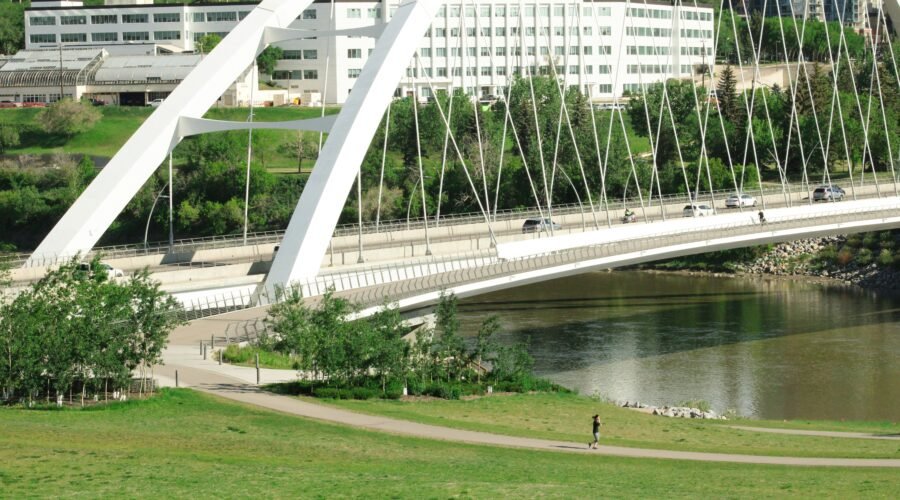
From river valley trails perfect for cycling and walking, to outdoor patios full of life, summer offers endless possibilities. This is festival season in Edmonton, with events like the Edmonton Folk Music Festival, Freewill Shakespeare Festival, and the Edmonton Fringe Festival adding vibrant cultural experiences. Don’t miss exploring the expansive river valley parks, visiting the Edmonton Zoo, or enjoying a day at a local lake nearby.
1.2. Fall (September, October, November): A Beautiful Transition
Fall offers a serene and picturesque experience, combining crisp air with stunning natural beauty.
1.2.1. Weather: Crisp Air and Colorful Foliage
September often feels like an extension of summer, with pleasant temperatures averaging 15-20°C (59-68°F). As October progresses, temperatures drop to 5-15°C (41-59°F), and by November, you’re looking at colder weather, often dipping below freezing with the first snowfalls. The main attraction of fall is the vibrant display of changing leaves, especially along the river valley – a true visual treat. Be prepared for cooler evenings and mornings, and pack layers.
1.2.2. Crowds: Manageable and Relaxed
Post-summer, the crowds thin out considerably. You’ll find popular attractions less busy, making for a more relaxed viewing experience. Restaurants and shops are also less congested. This is a great time to visit if you prefer a calmer pace.
1.2.3. Costs: Moderate and Value-Oriented
Accommodation and flight prices typically begin to drop from their summer highs, offering good value, especially in October and November. Car rentals also see a reduction in demand and price. You might find some excellent deals on packages if you’re flexible with your travel dates.
1.2.4. Activities: Scenic and Cultural
Enjoy leisurely walks or bike rides amidst the fall colors. Many outdoor activities are still enjoyable, and the cooler temperatures are perfect for hiking. Festivals wind down, but cultural venues like galleries, theaters, and museums remain active and accessible with fewer crowds. Apple picking and pumpkin patches are popular rural excursions.
1.3. Winter (December, January, February): A Wonderland of Snow and Ice
Edmonton fully embraces winter, transforming into a snowy wonderland with options for both indoor and outdoor pursuits.
1.3.1. Weather: Cold, Snowy, and Bracing
Winter is cold, there’s no way around it. Average daytime temperatures range from -5°C (23°F) to -15°C (5°F), often dipping much lower, especially in January. Snowfall is common and can be heavy. Prepare for proper winter attire: warm layers, a heavy coat, hat, gloves, and waterproof boots are essential. Despite the cold, many days are sunny, creating stunning snowy landscapes.
1.3.2. Crowds: Minimal, Except for Holiday Peaks
Outside of the Christmas and New Year’s holiday period, crowds are minimal. You’ll have many attractions almost to yourself. The holiday season, however, sees a spike in local tourism and family visits, so expect busier shops and events.
1.3.3. Costs: Best for Bargain Hunters
This is generally the cheapest time to visit, especially in January and February. Flights and hotels offer some of the lowest rates of the year, outside of specific holiday surges. If you don’t mind the cold and are looking to save money, winter can be an excellent choice. Some attractions might offer off-season discounts.
1.3.4. Activities: Winter Sports and Indoor Comforts
Embrace the cold! Edmonton offers fantastic opportunities for ice skating (e.g., at the Legislature Grounds or Hawrelak Park, though it’s closed for redevelopment in 2024), cross-country skiing, snowshoeing, and even downhill skiing/snowboarding at nearby resorts like Rabbit Hill or Snow Valley. The Muttart Conservatory offers a tropical escape from the cold. West Edmonton Mall is a massive indoor playground. Enjoy cozy evenings by a fireplace in a local pub or explore the city’s vibrant culinary scene. Check out the Ice Castles festival (when active) or the Flying Canoe Volant festival for unique winter experiences.
1.4. Spring (March, April, May): The Melt and Rebirth
Spring is a season of transition, with the city slowly waking up from its winter slumber.
1.4.1. Weather: Thawing and Unpredictable
March can still feel very wintry, with temperatures around -5°C (23°F) to 5°C (41°F) and plenty of snow on the ground. April brings a noticeable thaw, with temperatures often fluctuating between 0-10°C (32-50°F), but still capable of late-season snowfalls. By May, things are much milder, ranging from 5-18°C (41-64°F), and the city’s parks begin to green. Be prepared for anything in spring – layered clothing is a must. Mud is also a common feature as the snow melts.
1.4.2. Crowds: Low to Moderate
Crowds remain relatively low in March and April, picking up slightly in May as the weather improves. This is another good time for visitors who prefer fewer people and a more relaxed pace.
1.4.3. Costs: Excellent Value
Similar to fall and deep winter, spring offers very good value on flights and accommodation, particularly in March and April before summer rates kick in. You can often find some excellent deals as tourism starts to pick up but hasn’t reached its peak.
1.4.4. Activities: Witnessing Nature’s Reawakening
Spring is perfect for observing the natural world coming back to life. The river valley trails become accessible (though muddy at times), and parks bloom with early flowers. It’s a great time for birdwatching. Indoor attractions like museums and galleries continue to be popular, and local markets start to open up as the weather warms. May sees more outdoor events and restaurant patios beginning to reopen.
If you’re planning a trip to Edmonton, Alberta, you might find it helpful to read an article that discusses the best time to visit the city, taking into account factors such as weather, crowds, and costs. For a comprehensive guide that covers these aspects in detail, check out this related article on travel tips and insights at Lele Tours. This resource will help you make informed decisions to enhance your travel experience in Edmonton.
2. Edmonton’s Event Calendar: When the City Comes Alive
Edmonton is known as “Festival City” for good reason. Its event calendar is packed year-round, but especially in summer.
2.1. Summer Festivals: A Cultural Feast
June, July, and August are jam-packed. Think the Edmonton International Fringe Theatre Festival (August), the Edmonton Folk Music Festival (August), K-Days (Amusement park and fair in July), Taste of Edmonton (July), and various Indigenous cultural celebrations. If you’re looking for vibrant community events, summer is your go-to. Attending these festivals is a fantastic way to experience the local culture, but it also means heightened crowds and demand for services.
2.2. Fall and Spring Happenings: Niche & Local
While less numerous, fall and spring still offer compelling events. The Edmonton International Film Festival (September/October), LitFest (Canada’s national non-fiction festival in October), and various cultural heritage days often take place during these seasons. These are typically smaller, more focused events that attract a dedicated audience.
2.3. Winter Celebrations: Embracing the Cold
Winter brings its own magic. The Ice Castles (a stunning outdoor art installation, dates vary by year, usually Jan-Mar), the Flying Canoe Volant Festival (February, celebrating French-Canadian and Indigenous culture), and the Deep Freeze: A Byzantine Winter Festival (January) transform the city into a wonderland. The Christmas season also brings festive markets and light displays.
3. Avoiding the Crowds: Your Serene Edmonton Experience

If peace and quiet are high on your priority list, strategizing your visit is essential.
3.1. Off-Peak Seasons for Tranquility
Late fall (October, November) and early spring (March, April) are generally the least crowded times to visit. You’ll find attractions quieter, restaurant reservations easier to come by, and a more relaxed pace throughout the city. Even during these months, avoid major holiday weekends (e.g., Thanksgiving, Easter).
3.2. Weekday Visits
Regardless of the season, visiting attractions and popular areas during weekdays (Tuesday to Thursday) will always be less busy than on weekends, especially during peak hours. Mornings are often the calmest.
3.3. Hidden Gems and Lesser-Known Spots
Edmonton has many beautiful parks and areas outside of the main tourist circuit. Explore neighborhoods like Old Strathcona (outside of Friday/Saturday nights), the expansive river valley network, or some of the smaller community parks for a more laid-back experience.
4. Budget-Friendly Travel: Making Your Dollar Go Further

Edmonton can be an affordable destination if you plan smart.
4.1. The Cheapest Times to Fly and Stay
January, February, and November (excluding the last week of November for holiday travel) are typically the cheapest months for flights and accommodation. Airlines and hotels offer lower rates to entice travelers during these slower periods. Flexibility with your travel dates can yield significant savings.
4.2. Savvy Spending in Edmonton
- Public Transit: Edmonton has a good public transit system (ETS). Consider a day pass if you plan on multiple trips, or just pay per ride.
- Free Activities: The city boasts numerous free attractions. The Muttart Conservatory is free for children 6 and under, and has various free art installations. Exploring the river valley, walking through the Legislature Grounds, visiting various public art displays, or enjoying city parks won’t cost you a dime. Many festivals offer free entry to their general grounds, with costs only for specific events or food.
- Food Choices: Explore diverse areas like Old Strathcona, Chinatown, or Little Italy for budget-friendly and delicious dining options. Local markets (especially in summer) are great for fresh, affordable produce and baked goods. Cooking some of your own meals if staying in accommodation with a kitchen can also cut costs.
- Discount Passes: Look into any city tourism passes that might offer discounts on multiple attractions if you plan on seeing many paid sites. Sometimes combinations yield better value.
If you’re planning a trip to Edmonton, Alberta, understanding the best time to visit is crucial for maximizing your experience. For insights into the ideal weather conditions, crowd levels, and cost considerations, you might find this article on the Best Time to Visit Edmonton particularly helpful. It provides a comprehensive overview that can assist you in making informed decisions about your travel plans.
5. Practical Packing Tips for Edmonton’s Climate
| Month | Weather | Crowds | Costs |
|---|---|---|---|
| June | Mild and pleasant | Moderate | Moderate |
| July | Warm and sunny | High | High |
| August | Warm and sunny | High | High |
| September | Cooling down | Moderate | Moderate |
Edmonton’s weather can be a bit of a rollercoaster, so packing smart is crucial.
5.1. Layer Up: Your Best Strategy
No matter the season, layers are your friend. Even in summer, evenings can be cool. In spring and fall, temperatures can swing wildly throughout the day. In winter, multiple thin layers trap heat better than one thick one.
5.2. Footwear: Comfort and Practicality
Comfortable walking shoes are a must, especially if you plan to explore the extensive river valley or city attractions. In winter, waterproof, insulated boots with good grip are non-negotiable. For spring and fall, water-resistant shoes can be very helpful due to potential mud or unexpected rain/snow.
5.3. Gear for Each Season: Don’t Get Caught Off Guard
- Summer: Light clothing, sunscreen, hat, sunglasses, a light jacket or sweater for evenings. Insect repellent is a good idea, especially near water.
- Fall: Layers (long-sleeved shirts, sweaters, light to medium jacket), scarf, sturdy shoes.
- Winter: Heavy, waterproof winter coat, thermal layers (top and bottom), hat, scarf, warm gloves/mittens, insulated waterproof boots. Hand warmers can be a lifesaver.
- Spring: Rain jacket, waterproof shoes, layers (t-shirts, long-sleeved shirts, sweaters), hat or umbrella.
By considering these different aspects of Edmonton travel, you can pinpoint the best time for your personal adventure, ensuring a memorable and enjoyable visit to Alberta’s capital.
FAQs
1. What is the best time to visit Edmonton, Alberta for favorable weather?
The best time to visit Edmonton for favorable weather is during the summer months of June to August, when temperatures are mild and there is plenty of sunshine.
2. When is the peak tourist season in Edmonton, Alberta?
The peak tourist season in Edmonton is during the summer months of June to August, when the weather is most favorable and many outdoor events and festivals take place.
3. What is the off-peak season in Edmonton, Alberta?
The off-peak season in Edmonton is during the winter months of December to February, when temperatures are cold and many outdoor activities are limited. This is also when you can find lower hotel rates and fewer crowds.
4. When is the best time to visit Edmonton to avoid crowds?
To avoid crowds, it is best to visit Edmonton during the shoulder seasons of spring (April to May) and fall (September to October), when the weather is still pleasant but there are fewer tourists.
5. How can I save on costs when visiting Edmonton, Alberta?
To save on costs when visiting Edmonton, consider visiting during the off-peak winter months, booking accommodations in advance, and taking advantage of any off-season discounts and deals offered by attractions and restaurants.