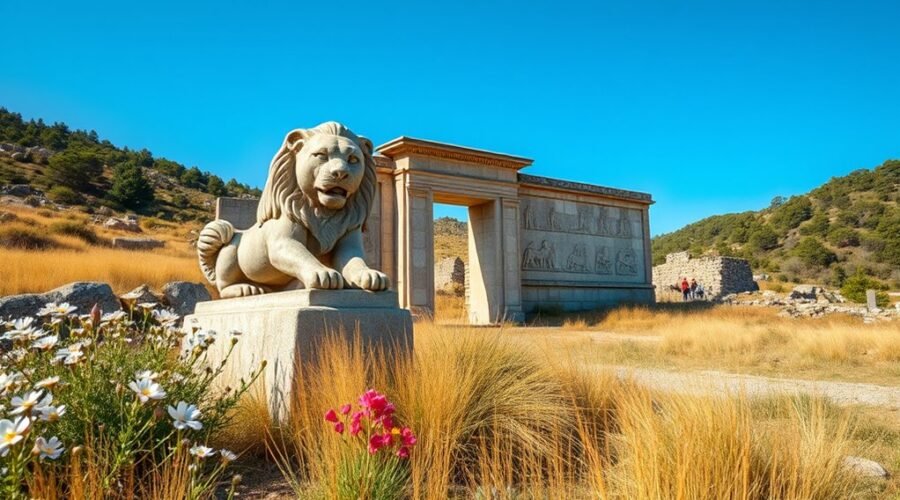
On a cool May morning at Karatepe‑Aslantaş, the open-air pathways sit nearly empty, the ancient basalt reliefs are illuminated by soft Mediterranean sunlight, and the surrounding pine forest smells of damp earth and wild thyme. Visiting during late spring (April to May) or early autumn (September to October) offers mild temperatures, crystal-clear photographic light, and minimal crowds, while avoiding the sweltering summer heat of the Cilician plain.
Quick Answer
The best time to visit Karatepe-Aslantaş is during late spring (April–May) and early autumn (September–October). During these shoulder windows, daytime temperatures hover comfortably between 20°C and 26°C (68°F–79°F), avoiding the intense 40°C+ summer heat of Osmaniye, while low-angled sunlight illuminates the 8th-century BCE Neo-Hittite bilingual inscriptions perfectly for photography.
Key Takeaways
- Prime Seasons: April–May and September–October provide ideal hiking weather and clear visibility across Aslantaş Dam Lake.
- Daily Timing: Weekday mornings between 08:30 and 11:00 offer silent trails and ideal side-lighting for reading basalt relief carvings.
- Weather Hazards: Midsummer (July–August) frequently exceeds 38°C (100°F) with high humidity, while mid-winter brings heavy rain to the Taurus foothills.
- Budget Windows: Late autumn (November) and early spring (March) feature the lowest rates on regional flights into Adana and rental cars.
- Site Unique Feature: The ruins are protected by pioneering exposed concrete canopies designed by Halet Çambel, making visits feasible during light overcast or drizzle.
Best Months to Visit Karatepe‑Aslantaş
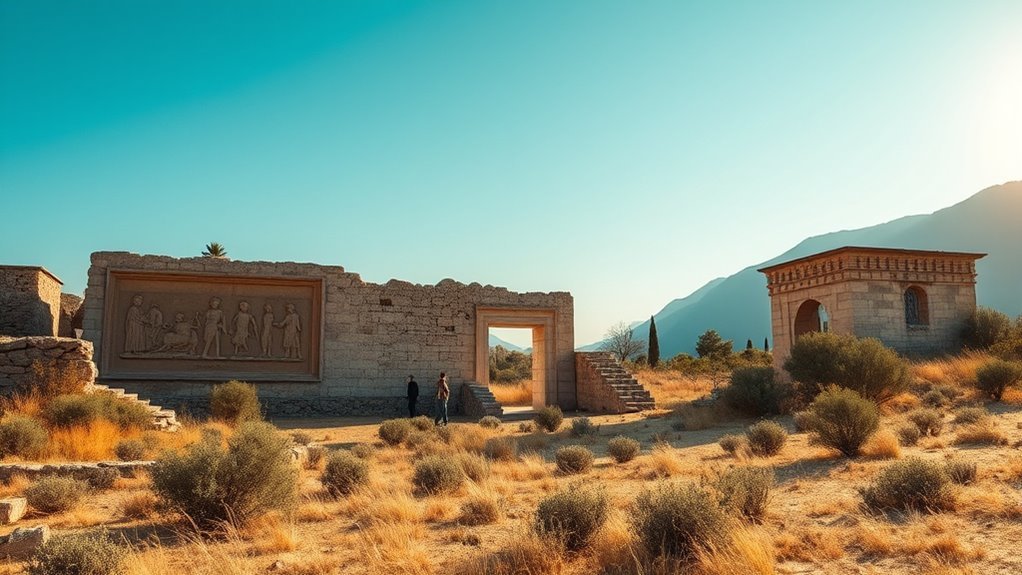
Timing your trip to Karatepe-Aslantaş depends primarily on balancing manageable walking temperatures with photographic conditions. Because this 8th-century BCE fortress site is situated atop a wooded hill within Karatepe-Aslantaş National Park, your entire visit involves walking uncovered and semi-covered outdoor stone ramps and forested ridge trails.
“May to June and September to October offer the perfect intersection of comfortable temperatures, vibrant forest scenery, and clear atmospheric light across the Ceyhan River basin.”
During late spring, the surrounding hills of Kadirli are carpeted with blooming wildflowers, terebinth, and wild herbs. Autumn, particularly October, brings dry paths, cooling mountain breezes, and golden foliage reflected across the Aslantaş Dam reservoir. Both seasons allow you to inspect the intricate stone orthostats without the draining heat of midsummer or the slick mud of deep winter.
Karatepe‑Aslantaş Weather by Season
The climate in this corner of Osmaniye Province transitions between Mediterranean warmth and Taurus Mountain foothill conditions. Knowing what each season brings ensures you pack correctly and manage your physical exertion.
Summer Heat and Dryness (June to August)
Summer across the Çukurova plain and Osmaniye interior is exceptionally hot and arid. Afternoon temperatures regularly climb past 38°C (100°F), and intense sun reflects off the stone citadel foundations. While the pine trees provide intermittent shade, exploring the uncovered northern and southern gates during midday can quickly cause heat exhaustion.
Warning: If visiting between late June and August, arrive right at opening (08:30 AM) and conclude outdoor walking before 11:30 AM. Always carry at least 1.5 liters of water per person, as there are no beverage vendors once you pass the main gate onto the ramparts.
Winter Cool and Wetness (December to February)
Winter brings frequent rainstorms to the Taurus range. While daytime temperatures stay relatively mild (ranging from 8°C to 14°C / 46°F–57°F), persistent showers can make natural dirt trails slick and muddy. However, the site’s legendary stone reliefs are sheltered by permanent architectural canopies built by pioneering archaeologist Halet Çambel, ensuring the carvings themselves remain dry and accessible even during a downpour.
Pro Tip: Winter visits require waterproof hiking boots with deep lugs. The basalt stone surfaces and pine-needle-covered steps become very slippery when wet.
Crowd Patterns and Quiet Times at the Site
Karatepe-Aslantaş remains one of Turkey’s most serene open-air museums, but daily visitor rhythms still fluctuate depending on school trips, regional tour coaches, and weekend family excursions from Adana and Osmaniye.
Peak Visitor Months
The highest visitor volumes occur in April, May, and early autumn, when school groups and cultural tour buses arrive. Weekend afternoons (Saturday and Sunday between 11:00 AM and 3:00 PM) see the heaviest foot traffic around the primary gate complexes and picnic zones of the surrounding national park.
Daily Attendance Patterns
Understanding the standard daily visitor flow helps you time your walk for optimal solitude and clear photo sightlines:
- Early Morning (08:30–10:30): The quietest window of the day. Ideal for contemplative walking, birdsong, and unobstructed views of the relief panels.
- Mid-Morning to Early Afternoon (10:30–14:30): Arrival of organized bus tours and school groups. The narrow gate passages can become congested.
- Late Afternoon (15:00–17:30 / 19:00 in Summer): Tour groups depart, temperatures decline, and golden-hour lighting hits the western slopes.
Quiet Hours and Tips
To experience the fortress in peace, plan your arrival for a Tuesday, Wednesday, or Thursday morning. Entering right at opening gives you roughly two hours of total solitude across the entire hilltop fortress before regional day-trippers arrive.
Cost Calendar and Cheapest Travel Windows
Karatepe-Aslantaş is an affordable cultural destination. Admission is regulated under the Republic of Türkiye Ministry of Culture and Tourism (valid with the Turkish Museum Pass / Müzekart). The largest variables in your travel budget are regional flights, car rentals, and boutique accommodation in Kadirli or Osmaniye.
- November to March (Lowest Rates): Off-peak airfares into Adana (Çukurova International Airport) and substantial discounts on car rentals and provincial hotels.
- April to May & September to October (Best Value): Moderate rates for flights and lodging. Book rental cars 4 to 6 weeks in advance to secure standard rates.
- June to August (Peak Summer Transit): Higher airfare due to domestic holiday travel across southern Turkey, though regional hotels in Osmaniye remain reasonably priced.
Hiking & Sightseeing: Best Seasons for Trails and Ruins
Karatepe-Aslantaş is unique because it combines an Iron Age walled citadel with a dense Mediterranean woodland preserve bordering the Aslantaş Dam Lake. The archaeological circuit winds through defensive ramparts, monumental gate chambers, and royal palaces built by King Azatiwada of the Danunians around 700 BCE.
Spring (April–May) offers the most comfortable trail conditions. The scrub and pine undergrowth are lush, wild orchids bloom along the pathway edges, and panoramic lookouts over the Ceyhan River basin provide clear visibility. In autumn (October–November), the crisp air makes the 1.5-kilometer forested loop trail around the ramparts an effortless, scenic hike.
Note: The site features genuine Neo-Hittite and Luwian architecture, famous for its in-situ basalt orthostats depicting mythological beasts, royal banquets, and protective deities. Unlike Hellenistic or Roman sites in Cilicia, Karatepe represents a pure Late Bronze/Early Iron Age indigenous Anatolian fortress.
Photo and Inscription Timing for Photographers and Readers
Karatepe-Aslantaş holds monumental historical value as the discovery site of the Karatepe Bilingual—lengthy parallel inscriptions written in both Phoenician alphabetic script and Anatolian Hieroglyphic Luwian. This bilingual text served as the “Rosetta Stone” that enabled scholars to decipher Hieroglyphic Luwian.
Photographing these carved basalt orthostats requires understanding how natural light interacts with the protective canopies:
- South Gate Carvings: Best photographed in mid-to-late morning when angled sunlight creates natural side-relief shadows across the hieroglyphs.
- North Gate Inscriptions: Best captured during early morning or late afternoon when low horizontal light accentuates the shallow Phoenician letter carvings.
- Overcast / Diffused Days: Mild cloud cover is actually ideal for reading the inscriptions; it eliminates harsh contrast and hot spots caused by canopy support pillars.
- Camera Settings: Bring a lens with a wide aperture (f/2.8 to f/4) or a tripod. The shaded canopies lower ambient light levels compared to the open forest outside.
Practical Tips: Getting There, Hours, Tours, and Facilities
Karatepe-Aslantaş sits approximately 30 kilometers north of Osmaniye city center and roughly 22 kilometers southeast of Kadirli district. Planning your transport in advance is essential, as public transit directly to the park gate is extremely limited.
“Renting a car from Adana (Çukurova International Airport) or Osmaniye provides the most practical access via the paved, scenic provincial road.”
- Operating Hours: Open daily. Summer schedule (April 1 – October 31): 08:30 to 19:00 (Ticket counter closes at 18:30). Winter schedule (November 1 – March 31): 08:30 to 17:00.
- Parking: A designated visitor parking area is located directly in front of the museum administration building.
- Facilities: Restrooms, drinking water fountains, and a small visitor center with informative bilingual display panels are available at the entrance.
- Accessibility: The main paths consist of stepped stone and compacted gravel. While motorized wheelchair access is difficult due to historical steps, handrails are installed along major ascent ramps.
How to Choose Your Visit Window: Budget, Comfort, or Solitude
Select your travel dates based on your personal travel priority:
At a Glance: Travel Window Comparison
| Optimal Comfort | April–May & September–October. Mild 22°C (72°F) weather, lush nature, perfect hiking conditions. |
| Maximum Solitude | November or March on midweek mornings. Near-empty trails and private viewing of the reliefs. |
| Budget Economy | Late autumn and winter (Nov–Feb). Lowest flight and car rental rates across Çukurova region. |
Quick Packing Checklist and Day‑Of Itinerary Suggestions
Preparing for Karatepe-Aslantaş requires gear suitable for walking over uneven stone and gravel surfaces under varying canopy conditions:
- Footwear: Sturdy walking shoes or trail runners with non-slip rubber soles.
- Sun Protection: Wide-brimmed hat, UV sunglasses, and broad-spectrum sunscreen.
- Hydration & Sustenance: Refillable water bottle and trail snacks (local dried figs and walnuts from Kadirli markets).
- Photography: Camera with wide-angle lens for architecture and prime lens (35mm or 50mm) for relief details.
Suggested Half-Day Itinerary:
- 09:00 – Arrival & Lower Gate: Enter the site and ascend through the lower ramparts to the South Gate complex before tour groups arrive.
- 10:15 – Citadel Crest & Royal Palace: Explore the upper foundations and take in views of the Aslantaş Dam reservoir.
- 11:00 – North Gate Inscriptions: Inspect the bilingual Luwian and Phoenician inscription orthostats under the northern canopy.
- 12:15 – Visitor Center & Picnic: View the artifact exhibits in the museum hall, then enjoy lunch at the shaded tables overlooking the reservoir.
- Afternoon – Nearby Sights: Drive 25 minutes south to visit the ruins of ancient Hierapolis Castabala or Toprakkale Castle.
Frequently Asked Questions
Are there guided tours available in English at Karatepe-Aslantaş?
Official on-site guides speaking fluent English are not always stationed at the ticket kiosk. However, the site features clear bilingual (Turkish and English) informational signage at all major relief stations and gate complexes. If you require an in-depth guided experience in English, arrange a licensed regional guide through travel agencies in Adana or Osmaniye prior to your arrival.
Is Karatepe-Aslantaş wheelchair or stroller accessible?
The site is only partially accessible. The visitor center and immediate surrounding walkways are flat, but the path up to the fortress gates and citadel crest contains ancient stone steps, uneven cobblestones, and natural dirt inclines. Standard wheelchairs and strollers will encounter significant barriers on the upper rampart trails.
Can I purchase food and water inside the archaeological park?
Basic cold drinks, water, and prepackaged snacks can be purchased near the entrance kiosk and national park picnic area. However, there is no full-service restaurant inside the ruins. For full meals, head to the nearby lakeside trout restaurants or visit traditional eateries in Kadirli town center (22 km away) for local specialties like kömbe and Adana kebab.
Are drones permitted for aerial photography over the ruins?
No. Recreational drone flying is strictly prohibited over Karatepe-Aslantaş without official prior permits from the Turkish Ministry of Culture and Tourism, the Directorate General of Civil Aviation (SHGM), and local provincial security authorities.
Is there secure luggage storage at the site?
No automated public luggage lockers are available at the site. If you arrive with large luggage, you may ask the staff at the entrance ticket office if they can hold your bags behind the desk during your visit, but this is at staff discretion. It is best to store excess luggage at your hotel or at the central bus terminals in Kadirli or Osmaniye.
Conclusion
Planning your trip to Karatepe‑Aslantaş for late spring (April to May) or early autumn (September to October) guarantees the ideal combination of mild hiking temperatures, soft photographic light across the ancient relief orthostats, and peaceful walking conditions. Arriving early on a weekday morning lets you explore this world-class Neo-Hittite open-air museum in near-total silence, surrounded by the pine forests and waters of the Aslantaş National Park. Pack sturdy footwear, bring your camera, and experience one of Anatolia’s most remarkable archaeological treasures at its finest.
Sources
- UNESCO World Heritage Centre — Karatepe-Aslantaş Archaeological Site Official Tentative List Documentation.
- Republic of Türkiye Ministry of Culture and Tourism (Müze.gov.tr) — Karatepe-Aslantaş Open-Air Museum visiting hours, ticketing, and museum regulations.
- General Directorate of Nature Conservation and National Parks (DKMP) — Karatepe-Aslantaş National Park environmental data and visitor facilities.
- Osmaniye Provincial Directorate of Culture and Tourism — Regional transportation, cultural heritage inventory, and seasonal visiting guidelines.