The sweet spot for visiting Fort Worth, Texas, generally falls in the spring (March to May) and fall (September to November). These seasons offer the most comfortable weather, manageable crowds, and reasonable prices, making them ideal for exploring everything this vibrant city has to offer. While some specific events might pull you to other times of the year, for a broad, enjoyable experience, those shoulder seasons are your best bet.
Quick Answer
The best time to visit Fort Worth is April or October, when highs sit in the 70s°F, humidity is low, and major festivals like the MAIN ST. Arts Festival and Mayfest are in full swing. Avoid late July and August unless you don’t mind highs regularly topping 100°F.
Key Takeaways
- Spring (March–May) and fall (September–November) offer the mildest weather and lowest humidity.
- Summer (June–August) is hot and humid, with highs regularly exceeding 100°F in July and August, but it’s the most convenient time for school-age families.
- Winter is mild overall, but the Fort Worth Stock Show & Rodeo (mid-January to early February) brings the year’s biggest crowds and highest hotel rates.
- January and early February (outside rodeo dates) are typically the cheapest and least crowded months to visit.
Spring: The Goldilocks Zone (March–May)
If you’re looking for that “just right” feeling when you visit Fort Worth, spring is likely your answer. The city comes alive with pleasant temperatures and a calendar full of activities.
Comfortable Temperatures
- March: Daytime highs typically run in the mid-60s to low-70s°F (18-23°C), with nighttime lows in the mid-40s (7-9°C). Cool enough for a jacket in the evening, warm enough for comfortable daytime exploring.
- April: Widely considered the most idyllic month. Highs generally range from the mid-70s to low-80s°F (24-28°C), with lows in the low to mid-50s (10-13°C). Perfect patio weather.
- May: Temperatures climb toward summer, with highs often reaching the mid-80s (29-31°C) and lows in the upper 60s (18-20°C). Still generally pleasant, though it can feel warm by month’s end.
Humidity during spring is usually low, which makes the warmer afternoons far more bearable than in summer. You’ll find outdoor attractions like the Fort Worth Stockyards National Historic District and the Fort Worth Botanic Garden easy to enjoy without feeling overwhelmed by heat.
Warning: Spring is also North Texas’s peak severe-weather season. Thunderstorms, hail, and occasional tornadoes are possible from March through May, particularly in the afternoon and evening. Keep an eye on local forecasts and know how your hotel handles severe-weather alerts if you’re visiting during this window.
Manageable Crowds and Events
Spring brings a good balance of activity without the overwhelming throngs of major holiday periods or peak summer.
- Fort Worth Botanic Garden: The gardens are in full bloom this time of year, and the Japanese Garden is a particular highlight.
- MAIN ST. Fort Worth Arts Festival (mid-April): One of the largest fine-arts festivals in the Southwest, spanning 18 blocks of downtown with over 200 juried artists, live music, and food. It draws large crowds, so book accommodations well in advance if you plan to attend.
- Mayfest (late April/early May): A large, long-running family festival at Trinity Park featuring live music, carnival rides, an arts and gift market, and food vendors along the Trinity River.
- Fort Worth Food + Wine Festival (April): A multi-day culinary event at Clearfork featuring local and regional chefs, tastings, and themed dinners — a good pick if food is part of your travel priorities.
- Stockyards Championship Rodeo: This year-round rodeo at the historic Cowtown Coliseum in the Stockyards continues on weekends through spring — a taste of authentic Texas culture without the scale of the January/February Stock Show crowds.
Note: Don’t confuse the weekly Stockyards Championship Rodeo with the Fort Worth Stock Show & Rodeo, which is a much larger, once-a-year event held at Dickies Arena and the Will Rogers Memorial Center from mid-January to early February. They’re separate rodeos in different parts of the city.
Outside these specific event dates, general city exploration is usually pleasant, without extreme waits at popular spots like the Kimbell Art Museum.
Cost Considerations
- Flights: Decent deals are often available in early spring (March) before prime summer travel season kicks off. Book early for April and May.
- Accommodation: Hotel prices are typically moderate, but rise during major festivals like MAIN ST. or when a large convention is in town — check local event calendars before booking, especially for April.
- Activities: Most attractions have flat pricing year-round, so travel and lodging are the main seasonal cost variables.
Overall, spring offers the best blend of weather, activities, and reasonable costs for most travelers.
Fall: Another Great Contender (September–November)
Fall in Fort Worth is just as charming as spring, bringing a welcome cooldown after summer heat — a great choice if you prefer lower humidity and a cozier atmosphere.
Pleasant Weather with a Crisp Edge
- September: The transition month. Early September can still feel like summer, with highs in the upper 80s (31-32°C), but by month’s end you’ll feel crispness setting in, with highs in the low 80s (27-28°C) and lows in the mid-60s (16-18°C).
- October: Often considered another perfect month, with highs comfortably in the low-70s (21-23°C) and cool evenings dropping to the low-50s (10-12°C). Prime time for walking the Trinity Trails or enjoying the patios at Sundance Square.
- November: Temperatures cool further, with highs in the mid-60s (18-20°C) and lows in the mid-40s (7-9°C) — distinctly autumnal, good for warm drinks and museum-hopping.
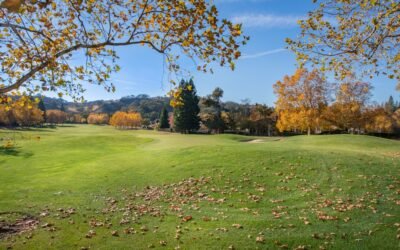
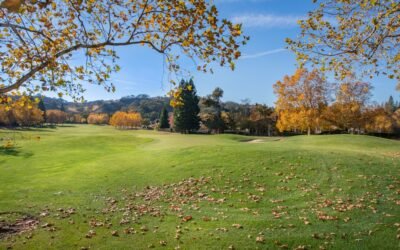
Humidity consistently drops through fall, making even warmer days feel more comfortable. You may catch some changing leaf color by late October, particularly in the city’s parks.
Fewer Crowds, Festive Atmosphere
Like spring, fall offers a good balance: summer crowds are gone, but the holiday rush hasn’t fully set in until late November.
- Smaller local festivals: Fall brings a variety of community-focused festivals, farmers’ markets, and harvest events for a more intimate experience of the city.
- College football season: Expect a lively atmosphere around campus when the TCU Horned Frogs play a home game — a good buzz without overwhelming the whole city.
- Halloween and Thanksgiving: Late October and November bring festive decorations and activities; Thanksgiving week sees an uptick in visiting families.
Visiting popular spots like the National Cowgirl Museum and Hall of Fame or the Fort Worth Zoo on weekdays in fall generally means shorter lines and a more relaxed pace.
Cost Considerations
- Flights: Good deals are often available in early fall (September/early October) before the Thanksgiving surge; prices creep up as November progresses.
- Accommodation: Generally moderate; book further ahead for October when weather is ideal. Thanksgiving week sees inflated prices.
- Attraction tickets: Standard pricing applies — look for package deals or city passes for multiple paid attractions.
Fall is a wonderful alternative to spring, especially if you prefer slightly cooler weather and a more laid-back vibe before the winter holidays.
Summer: The Heat of the Action (June–August)
Visiting Fort Worth in summer is doable, but you’ll need to prepare for the heat. This is peak family travel season, driven largely by school breaks.
Hot and Humid Weather
- June: Starts hot, with highs in the low-to-mid-90s (33-35°C) and lows in the low-70s (22-23°C).
- July & August: The hottest months. Average daytime highs sit in the mid-to-upper 90s, and individual days frequently exceed 100°F (37-38°C+). Nighttime lows rarely drop below the mid-70s (24-25°C), and humidity can make it feel even hotter.
Warning: Heat safety matters in a Fort Worth summer. Schedule outdoor activities for early morning or evening, drink water consistently even if you don’t feel thirsty, and watch for signs of heat exhaustion (heavy sweating, dizziness, nausea) in yourself and your group, especially kids and older travelers.
Peak Crowds, Family Fun
Summer is a popular time for families due to school breaks.
- Fort Worth Zoo: A major draw for families; expect larger crowds and longer lines, especially on weekends. Go early in the day.
- Sundance Square: Always bustling, and even livelier with outdoor dining and events in summer.
- Stockyards National Historic District: Fascinating, but direct midday sun can be intense — plan to spend time in the shade of shops or saloons.
- Indoor attractions: The Kimbell Art Museum, the Modern Art Museum of Fort Worth, and the Amon Carter Museum of American Art are excellent, popular escapes from the heat.
- Water activities: Locals head for pools, splash pads, and nearby lakes this time of year.
Despite the crowds and heat, there’s a palpable energy in the city during summer, with plenty of events geared toward families and tourists.
Cost Considerations
- Flights: Generally higher during peak summer travel — book well in advance for better rates.
- Accommodation: Prices can be elevated due to family vacations and conventions; look for deals and book early.
- Activities: Standard pricing. Consider attractions with strong indoor sections or evening hours.
Summer can still be a fun time to visit if you’re prepared for the heat and crowds, and it’s often the most convenient season for families with school-aged children.
Winter: Mild and Festive (December–February)
Winter in Fort Worth is a pleasant surprise for many, especially visitors from colder climates. It’s generally mild, though occasional cold snaps do occur.
Generally Mild Weather
- December: Festive, with highs in the mid-50s to low-60s (13-17°C) and lows in the mid-30s (2-4°C). You’ll need a coat, but significant snow is rare.
- January: Usually the coldest month, with average highs around the low-50s (10-12°C) and lows near freezing (0-2°C). A few days may dip below freezing, sometimes with ice — rarely snow — that can briefly disrupt travel.
- February: Similar to January, with a gentle warming trend by month’s end. Highs in the mid-50s (13-14°C), lows in the mid-30s (2-4°C).
Freezes can happen, especially overnight, but it’s generally far milder than winters in much of the northern U.S., with plenty of sunshine even in winter.
Holiday Cheer and Major Events
Winter brings a different kind of energy, especially around the holidays.
- Christmas in Cowtown and Sundance Square: Fort Worth embraces the holiday spirit with festive decorations, light displays, and special events, including a popular Sundance Square Christmas tree lighting.
- Fort Worth Stock Show & Rodeo (mid-January to early February): A huge, 23-day event held at Dickies Arena and the Will Rogers Memorial Center — the city’s biggest annual draw. Expect hotels booked solid and prices higher; book well in advance if you’re visiting for this.
- Smaller crowds outside major events: Apart from the Stock Show & Rodeo and the Christmas rush, general tourist crowds are lighter, especially in January — a great time for museums and indoor attractions at a leisurely pace.
Winter is ideal if you want a cozy visit, holiday festivities, or the Stock Show & Rodeo experience specifically.
Cost Considerations
- Flights: Unpredictable. December runs high due to holiday travel; January and February (outside Stock Show dates) often offer some of the year’s lowest prices.
- Accommodation: High in December and during the Stock Show & Rodeo; otherwise, January and February can bring the best hotel deals of the year.
- Activities: Standard pricing for most attractions; holiday-themed events may carry separate ticket prices.
Pro Tip: If you want lower winter prices without the Stock Show & Rodeo crowds, target the back half of February or plan around the specific dates published each year at fwssr.com before booking.
If you don’t mind cooler weather and want to experience the holiday season or the iconic Stock Show & Rodeo, winter can be an excellent — and, outside peak events, sometimes budget-friendly — time to visit.
Quick Recap: Best Time for Specific Needs
To quickly summarize based on your priorities:
- Best overall experience (weather & activities): Spring (March-May) or fall (September-November)
- Mildest weather: April or October
- Lowest crowds (excluding specific events): January, early February, parts of September and November
- Best value/budget travel: January, early February (avoiding the Stock Show & Rodeo), or late August
- Best for outdoor activities: Spring and fall
- Best for festivals and events: Spring (MAIN ST. Arts Festival, Mayfest, Food + Wine Festival), fall (numerous smaller festivals), winter (Stock Show & Rodeo, holidays)
- Best for families with school-aged kids: Summer (June-August)
- Best for holiday ambiance: December
- Must-see rodeo: Mid-January to early February
Ultimately, Fort Worth has something to offer year-round. Your ideal visit largely depends on your personal preferences for weather, the activities you want to do, and your tolerance for crowds and fluctuating prices. Planning with these factors in mind will help ensure a fantastic trip to Cowtown.
Frequently Asked Questions
What is the best time of year to visit Fort Worth, Texas?
Spring (March to May) and fall (September to November) are best, when the weather is mild, humidity is lower, and the city hosts most of its major festivals.
What is the weather like in Fort Worth throughout the year?
Summers are hot and humid, with highs regularly in the 90s and often above 100°F in July and August. Winters are mild, with highs typically in the 50s and 60s. Spring also brings occasional thunderstorms, hail, and a risk of tornadoes.
When are the peak tourist seasons in Fort Worth?
Peak seasons are summer (June to August), thanks to school breaks, and major holiday periods like Thanksgiving, Christmas, and the Fort Worth Stock Show & Rodeo in January and February. These times bring higher crowds and hotel prices.
What are the average costs for visiting Fort Worth, Texas?
Costs vary by season. Hotel prices and, to a lesser extent, flight prices rise during peak tourist seasons and major events like the Stock Show & Rodeo or MAIN ST. Arts Festival. Visiting during off-peak windows, such as January or late August, generally costs less.
Are there any annual events or festivals in Fort Worth that visitors should consider when planning their trip?
Yes — the Fort Worth Stock Show & Rodeo in January and February, the MAIN ST. Fort Worth Arts Festival and Mayfest in April, and the Fort Worth Food + Wine Festival in April are the city’s biggest annual draws and are worth building a trip around if they interest you.
Sources
- National Weather Service, Fort Worth/Dallas — monthly temperature normals used throughout this guide
- Fort Worth Stock Show & Rodeo — official dates, venue, and event details
- MAIN ST. Fort Worth Arts Festival — festival dates, scale, and programming
- Mayfest — official festival information
- Fort Worth Food + Wine Foundation — Fort Worth Food + Wine Festival details