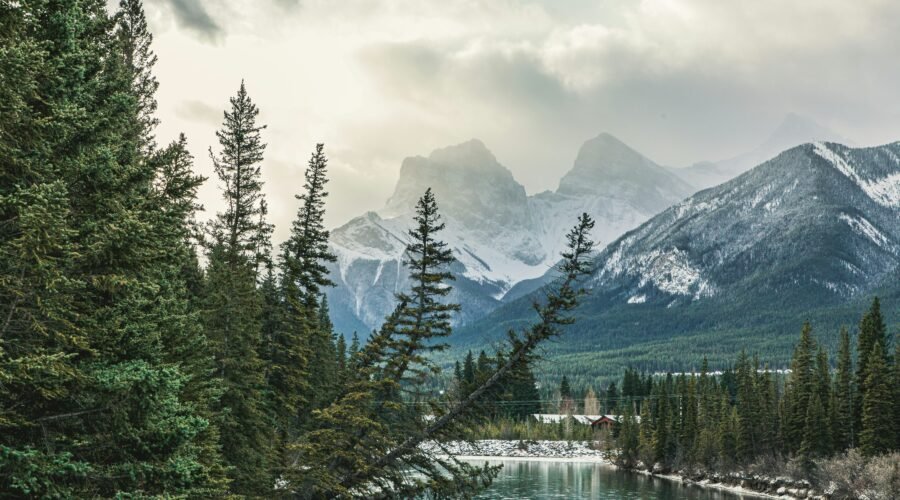
So, you’re wondering about the best time to visit Canmore, Alberta? The quickest answer is that it really depends on what you’re looking for. If you’re after abundant snow and winter sports, December to March is your sweet spot. For hiking, biking, and warmer weather without the absolute peak summer crowds, June and September are fantastic. If budget is your primary concern, shoulder seasons (late April/May and October/November) often offer the best deals with fewer people, though weather can be a bit unpredictable.
Let’s break it down further so you can pick the perfect time for your Canmore adventure.
1. Understanding Canmore’s Seasons
Canmore, nestled in the Canadian Rockies, experiences four distinct seasons, each offering a unique charm and set of activities. Your ideal time will largely hinge on whether you prefer snow, sunshine, or something in between.
1.1 Winter Wonderland (December – March)
This is prime time for snow enthusiasts. The mountains are blanketed in white, and the air is crisp.
- Average Temperatures: Expect daytime highs from -5°C to -10°C (23°F to 14°F), often dipping much lower overnight. January and February are typically the coldest months.
- Weather Conditions: Consistent snowfall is common, creating ideal conditions for skiing, snowboarding, and other winter sports. Canmore usually gets a good amount of sunny, clear days even in winter, but be prepared for cold snaps and occasional heavy snow. Wind can also be a factor, especially at higher elevations.
- Activities: Downhill skiing/snowboarding (Nakiska, Sunshine Village, Lake Louise are all within easy reach), cross-country skiing, ice skating (Canmore’s pond or Quarry Lake when frozen), snowshoeing, dog sledding, ice climbing, and exploring the town’s cozy shops and restaurants.
- Crowds: This is a peak season, especially around Christmas, New Year’s, Family Day long weekend (February), and spring break. Weekends are always busier than weekdays.
- Costs: Accommodation and activity prices are at their highest during peak winter dates. Booking well in advance is highly recommended.
1.2 Spring Thaw & Green Shoots (April – May)
Spring in Canmore is a transitional period, offering a mix of lingering winter and emerging summer.
- Average Temperatures: Daytime highs range from 5°C to 15°C (41°F to 59°F). Nights can still be chilly, often dropping below freezing.
- Weather Conditions: Highly variable. You might experience sunny, mild days perfect for lower-elevation hikes, or sudden snow showers. Expect muddy trails as the snow melts. Higher elevation trails will still be snow-covered and unsuitable for hiking without proper gear.
- Activities: Lower elevation hiking and biking start to become accessible. Golf courses usually open by late April/early May. Whitewater rafting might be possible later in May depending on melt. It’s also a good time for wildlife viewing as animals become more active. Many winter activities wind down by mid-April.
- Crowds: Significantly fewer crowds than peak winter or summer. It’s considered shoulder season.
- Costs: Generally lower accommodation and activity prices compared to peak seasons. Good deals can be found.
1.3 Summer Sunshine (June – August)
Canmore truly comes alive in the summer. Long daylight hours and warmer temperatures make it a haven for outdoor enthusiasts.
- Average Temperatures: Daytime highs typically range from 20°C to 25°C (68°F to 77°F), though sometimes reaching into the low 30s°C (80s°F). Nights are comfortably cool.
- Weather Conditions: Generally sunny and pleasant, but afternoon thunderstorms are not uncommon, especially in July and August. Be prepared for rain. Wildfire smoke can occasionally be an issue in late summer depending on regional fire activity.
- Activities: This is prime hiking season, with all trails (including high elevation) usually snow-free by mid-July. Mountain biking, rock climbing, kayaking, canoeing, fishing, camping, and leisurely strolls around town or by the river.
- Crowds: This is the busiest time of year. July and August see the highest visitor numbers, especially on weekends and long weekends (Canada Day, Heritage Day). Popular trails and attractions will be packed.
- Costs: Peak season pricing for accommodation, car rentals, and some activities. Booking months in advance is essential, especially for popular lodging or campsites.
1.4 Autumn Colours (September – November)
Fall offers a beautiful, quieter time to visit, with vibrant larch trees in late September.
- Average Temperatures: Daytime highs from 5°C to 15°C (41°F to 59°F) in September, gradually cooling to 0°C to 5°C (32°F to 41°F) by November. Nights become increasingly cold, often dropping below freezing.
- Weather Conditions: September can still feel quite summery, often with clear, crisp air. October brings colder temperatures and the first significant snowfalls, though it can still have beautiful sunny days. November is a true shoulder month, a transition to winter, often grey and colder with increasing snow.
- Activities: September is fantastic for hiking, especially for spotting the golden larch trees. Mountain biking is still popular. As the weather cools, cozy indoor activities or drives through the scenic landscape become appealing. Ski hills often start to open in mid-November.
- Crowds: Significantly fewer crowds after early October. September, especially larch season (typically the last two weeks of September), can still be quite busy, particularly on weekends.
- Costs: Good value can be found, especially in October and November when prices dip before the winter rush. September accommodation can still be on the higher side due to its popularity.
If you’re planning a trip to Canmore, Alberta, understanding the best time to visit can greatly enhance your experience. For insights on how to navigate the weather, crowds, and costs, you might find it helpful to read a related article on travel tips and recommendations. Check out the team at Lele Tours for expert advice by visiting their page here.
2. Best Time for Specific Interests
Tailoring your visit to your specific interests is key.
2.1 Winter Sports Enthusiasts
- Ideal Time: Mid-December to March.
- Why: Reliable snow conditions, all ski resorts are open and operating, plenty of winter activities readily available.
- Considerations: Higher costs, larger crowds, especially on weekends and holidays. Be prepared for very cold temperatures.
2.2 Serene Summer Hiking & Backpacking
- Ideal Time: Late June to early July, or early September.
- Why:
- Late June/Early July: Many high-elevation trails are opening up, wildflowers are blooming, and the main summer rush hasn’t quite peaked yet. Bugs (especially mosquitoes) might still be active, but less so than later in July/August.
- Early September: Milder temperatures for hiking, fewer bugs, and before the heavy larch crowds descend. Trails are generally dry.
- Considerations: July and August provide the warmest weather and all trails being open, but come with the highest crowds and potential for wildfire smoke.
2.3 Budget-Conscious Travelers
- Ideal Time: Late April/May (Spring Shoulder) or October/November (Fall Shoulder).
- Why: These periods see a significant drop in tourist numbers, leading to lower prices for accommodation, car rentals, and sometimes even flights if you’re flying into Calgary.
- Considerations: Weather can be unpredictable. You might experience beautiful, mild days or periods of rain/snow. Some businesses might have reduced hours or be closed for the season. Not ideal for specific peak-season activities (e.g., guaranteed snow for skiing, or reliably dry trails for high-elevation summer hiking). However, if you’re flexible and enjoy a mix of weather, these seasons offer fantastic value.
2.4 Photography & Scenery
- Ideal Time: Late September (for fall larch colours) or Winter (for snow-covered peaks).
- Why:
- Larch Season (late September): The subalpine larch trees turn a spectacular golden yellow before shedding their needles, offering stunning contrast against the dark evergreens and rocky peaks. This is a bucket-list photographic opportunity.
- Winter: Snow-capped mountains, frozen lakes, and crisp, clear days make for dramatic and beautiful landscapes.
- Considerations: Larch season is extremely popular, with trails like Larch Valley (near Moraine Lake, accessible via shuttle from Canmore) or Ha Ling Peak becoming very crowded. Winter photography requires preparedness for cold and often difficult conditions.
2.5 Avoiding Crowds
- Ideal Time: Mid-week during the shoulder seasons (May, late October, early November).
- Why: Minimal tourists generally mean more peaceful experiences on trails, easier parking, and less waiting at restaurants.
- Considerations: You’ll sacrifice peak weather conditions or the full breadth of seasonal activities. However, if peace and quiet are your priority, this is your best bet.
3. How to Plan Your Canmore Trip
Regardless of when you decide to go, a little planning goes a long way.
3.1 Accommodation Booking
- Peak Seasons (Winter and Summer): Book 6-12 months in advance, especially if you have specific dates or types of accommodation in mind. Options fill up very quickly.
- Shoulder Seasons: 2-4 months in advance is generally sufficient, though earlier is always better for specific preferences or popular weekends.
3.2 Transportation
- Rental Cars: Essential for flexibility, especially if you plan to explore beyond Canmore itself (e.g., Banff National Park, Lake Louise, hiking trailheads). Book well in advance during peak seasons, as prices surge and availability dips.
- Roam Transit: Canmore has a public transit system, and there’s also Banff’s Roam Transit system which connects Canmore to Banff and other popular spots like Lake Minnewanka. Check their schedules and routes – these can be great for mitigating parking headaches in busy areas.
- Parking: Finding parking in downtown Canmore and at popular trailheads can be a challenge during peak times. Go early or consider using transit/shuttles where available.
3.3 Activity Reservations
- Guided Activities: For things like dog sledding, guided hikes, rock climbing courses, or whitewater rafting, book several weeks or even months ahead, especially during busy periods.
- Restaurant Reservations: For popular restaurants, especially on weekends, making a reservation is a good idea.
3.4 Packing Wisely
- Layering is Key: No matter the season, mountain weather can change rapidly. Always pack layers you can add or remove.
- Winter: Warm, waterproof (windproof) outerwear, base layers, warm hat, gloves/mittens, insulated waterproof boots, sunglasses.
- Summer: Light layers, rain jacket, sturdy hiking shoes, sun hat, sunscreen, insect repellent.
- Spring/Fall: A mix of winter and summer gear. Waterproof outer shells are essential, as is proper footwear for potentially muddy or snowy conditions.
4. Special Events and Their Impact
Canmore hosts various events throughout the year which can impact availability and crowd levels.
4.1 Major Sporting Events
- Canmore Nordic Centre Events: Often hosts national and international cross-country ski races during winter. These raise local traffic and fill accommodations.
- Various Races: Running, cycling, triathlons, and adventure races occur throughout the warmer months. Check local calendars to see if your visit coincides with one, as it can make finding parking or quiet trails harder.
4.2 Festivals and Celebrations
- Canmore Highland Games (September): A popular cultural event that draws crowds.
- Christmas in Canmore: The town decks out for the holidays, creating a festive atmosphere, but also peak tourist numbers.
- Canada Day (July 1st) and Heritage Day (August long weekend): These are always extremely busy weekends in Canmore and the Rockies in general. Expect maximum crowds and fully booked accommodations.
If you’re planning a trip to Canmore, Alberta, understanding the best time to visit can greatly enhance your experience. For insights on how to navigate the weather, crowds, and costs, you might find this related article helpful. It offers valuable tips that can assist you in making the most of your journey. To explore more about travel tips and policies, check out this informative resource on cookie policies which can help you stay informed while planning your adventure.
5. Final Thoughts on Finding Your Perfect Time
Ultimately, there’s no single “best” time for everyone to visit Canmore. It truly comes down to your personal priorities:
- If you crave winter sports and snowy landscapes: Aim for December to March. Be ready for cold and crowds.
- If hiking in warm weather is your priority: Head there in July or August. Expect peak tourist numbers and prices.
- If you want a balance of good weather and fewer crowds: June or September are excellent choices.
- If budget and avoiding crowds are your main drivers: Consider the shoulder seasons of May or October/November. Be flexible with activities due to variable weather.
Canmore is a fantastic destination year-round. With a little planning and an understanding of its seasons, you can absolutely choose the perfect time to experience this stunning mountain town.
FAQs
What is the best time to visit Canmore, Alberta for favorable weather?
The best time to visit Canmore, Alberta for favorable weather is during the summer months of June to August. During this time, the weather is generally warm and pleasant, making it ideal for outdoor activities such as hiking, biking, and exploring the surrounding natural beauty.
When is the best time to visit Canmore, Alberta to avoid crowds?
To avoid crowds, it is best to visit Canmore, Alberta during the shoulder seasons of spring (April to May) and fall (September to October). During these times, the tourist crowds are generally smaller, allowing for a more peaceful and relaxed experience.
What is the peak tourist season in Canmore, Alberta?
The peak tourist season in Canmore, Alberta is during the summer months of June to August. This is when the town experiences the highest influx of visitors due to the favorable weather and abundance of outdoor activities.
When is the best time to visit Canmore, Alberta for lower costs?
To experience lower costs, it is best to visit Canmore, Alberta during the shoulder seasons of spring (April to May) and fall (September to October). During these times, accommodations and activities may be more affordable compared to the peak summer season.
What is the winter like in Canmore, Alberta?
The winter in Canmore, Alberta is cold and snowy, making it a popular destination for winter sports enthusiasts. The town offers opportunities for skiing, snowboarding, snowshoeing, and other winter activities, making it an attractive destination for those who enjoy the winter season.