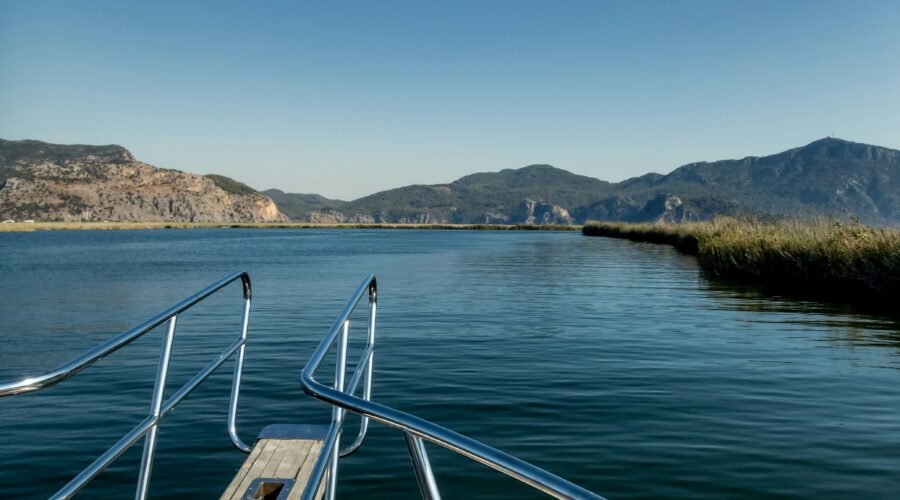
Planning a trip to the Turquoise Coast requires balancing warm Mediterranean sunshine, tranquil waterways, and comfortable sightseeing conditions. Knowing the best time to visit Dalyan ensures you experience its famous river delta, ancient ruins, and protected beaches at their absolute peak without getting caught in overwhelming summer crowds or off-season closures.
Quick Answer
The best time to visit Dalyan is during late spring (May to June) and early autumn (September to October). During these shoulder months, daytime temperatures average a comfortable 25°C to 30°C (77°F to 86°F), the Mediterranean sea remains warm enough for swimming, riverboat excursions run smoothly, and tourist crowds are significantly lower than in peak summer.
Key Takeaways
- Prime Weather: May, June, September, and October offer sunny skies, manageable heat, and warm waters ideal for outdoor exploring.
- Peak Summer Heat & Crowds: July and August bring intense temperatures exceeding 35°C (95°F), peak hotel rates, and crowded waterways.
- Sea Turtle Season: Loggerhead sea turtles (Caretta caretta) nest on İztuzu Beach from May through July, with hatchlings emerging through September.
- Budget & Tranquility: April and late October provide great accommodation bargains and quiet ancient trails, though evening temperatures are cool.
- Low Season (Winter): November through March is quiet and rainy, with many seasonal restaurants and excursion boats paused until spring.
Dalyan, set within the Muğla province of southwestern Turkey, features a distinct Mediterranean climate sheltered by surrounding pine-covered mountains and nourished by the brackish Dalyan Delta. While summer delivers uninterrupted heat, the shoulder seasons provide the perfect climate for hiking through historical ruins, cruising the reed-lined channels, and relaxing on the sands of İztuzu Beach.
Seasonal Breakdown: Month-by-Month Guide to Dalyan
Every season in Dalyan brings distinct advantages depending on whether your priority is swimming, archaeological exploration, wildlife observation, or peaceful relaxation.
Spring: Wildflowers and Mild Temperatures (April to May)
Spring transforms the Dalyan River basin into a lush, green landscape filled with blooming citrus trees and coastal wildflowers. It is an exceptional period for active travelers who want to hike and sightsee without the oppressive heat of midsummer.
April: The Early Season Awakening
April represents the start of Dalyan’s tourism season. The days are pleasantly fresh with average daytime highs around 21°C (70°F), though evenings remain crisp. The sea is brisk at around 18°C (64°F), making swimming suitable primarily for the brave, but walking through the Kaunos Ancient City ruins is exceptionally comfortable. Visitor numbers are low, allowing for unhurried boat trips along the river.
May: Warm Sunshine and Blooming Nature
May is one of the most rewarding months to explore Dalyan. Daytime temperatures climb to an average of 26°C (79°F), offering warm, sunny days without intense midday humidity. The Aegean and Mediterranean waters warm up to 21°C (70°F), initiating the swimming season at İztuzu Beach. May also marks the start of the sea turtle nesting season, when adult loggerhead turtles approach the shore under strict conservation guidelines.
Pro Tip: Late May combines optimal swimming conditions with low crowd density before European school holidays begin. It is the ideal time to book private river charters to Lake Köyceğiz at standard rates.
Summer: Peak Heat, Vibrant Energy, and Beach Days (June to August)
Summer is Dalyan’s liveliest period. The town buzzes with international travelers, riverboats crisscross the delta, and waterfront dining terrace tables fill up each evening along the riverbanks.
June: The Early Summer Transition
June delivers hot, dry weather with daytime temperatures averaging 31°C (88°F). The sea temperature rises comfortably to 24°C (75°F). Early June still retains moderate crowds, making it a great choice for families wanting warm swimming conditions before peak July rates take effect.
July & August: High Season and Maximum Heat
July and August are the hottest and busiest months in Dalyan. Daytime temperatures frequently exceed 36°C (97°F), accompanied by high sunshine hours and virtually no rainfall according to data from the Turkish State Meteorological Service (MGM). Life moves at a slower pace during the midday hours, with visitors heading to the cooling breezes of İztuzu Beach or cruising on covered riverboats.
Warning: The ancient ruins of Kaunos and the Lycian rock tombs offer very little shade. If visiting during July or August, explore these outdoor archaeological sites between 08:30 and 10:30 AM to prevent heat exhaustion, and carry plenty of water.
Autumn: Golden Sunsets and Warm Waters (September to October)
Many experienced travelers consider autumn the premier time to visit Dalyan. The intense summer heat softens into warm days, and the seawater holds its accumulated warmth well into the fall.
September: The Extended Summer
September delivers daytime highs averaging 31°C (88°F) paired with sea temperatures at their annual peak of roughly 26°C (79°F). Major family crowds disperse as schools resume across Europe, restoring tranquility to the town and beaches. River cooperative boats run regularly, and all restaurants and tour operations remain fully open.
October: Peaceful Atmosphere and Warm Swims
October continues the pleasant weather with daytime temperatures around 25°C (77°F). The water remains warm enough for comfortable swimming through mid-to-late October. As the month progresses, evening breezes become crisp, requiring a light sweater or jacket for outdoor riverside dining. It is also the pomegranate harvest season, when local orchards around Dalyan burst with fresh fruit.
Winter: Off-Season Solitude (November to March)
Winter brings peace, green hillsides, and a quiet local rhythm to Dalyan. While it is not a beach holiday season, it offers an authentic glimpse into local Turkish life.
November to March: Mild Weather and Peaceful Landscapes
During winter, daytime highs range from 13°C to 17°C (55°F to 63°F), with nighttime lows dipping to 5°C to 8°C (41°F to 46°F). This is the wettest season for the Muğla coastline, with December and January receiving the majority of annual rainfall. Many resort hotels and excursion operators close for maintenance, but central guesthouses, local markets, and thermal springs remain open.
“The shoulder months of May and September strike the ultimate balance in Dalyan: the Mediterranean Sea is warm, the ancient Lycian cliff paths are comfortable to hike, and the river labyrinth remains peaceful.”
Monthly Climate & Travel Overview
The table below summarizes average monthly weather conditions, sea temperatures, crowd levels, and pricing trends in Dalyan to help you plan your travel window.
| Month | Avg High (°C/°F) | Sea Temp (°C/°F) | Rainy Days | Crowd Level | Price Level |
|---|---|---|---|---|---|
| April | 21°C / 70°F | 18°C / 64°F | 6 | Low | Moderate |
| May | 26°C / 79°F | 21°C / 70°F | 4 | Moderate | Moderate |
| June | 31°C / 88°F | 24°C / 75°F | 2 | High | High |
| July | 35°C / 95°F | 26°C / 79°F | 0 | Peak | Peak |
| August | 36°C / 97°F | 27°C / 81°F | 0 | Peak | Peak |
| September | 31°C / 88°F | 26°C / 79°F | 2 | Moderate | Moderate |
| October | 25°C / 77°F | 24°C / 75°F | 4 | Low–Mod | Moderate |
| Nov–March | 14–18°C / 57–64°F | 16–19°C / 61–66°F | 9–12 | Very Low | Budget |
Navigating the Crowds: When to Go for Peace and Quiet
Dalyan’s compact center and river canal system mean that crowd levels directly influence the atmosphere of your stay.
Avoiding the Tourist Rush
If you prefer open beach space, quiet river cruising, and immediate seating at waterfront restaurants, schedule your trip for May, late September, or the first three weeks of October. During these weeks, you can explore the Kaunos theater and visit the sulfur springs without queuing behind large tour bus groups arriving from Marmaris and Fethiye.
Experiencing the Summer Energy
July and August provide a vibrant, lively ambiance. Riverside promenade bars, night markets, and town squares stay active well past midnight. If traveling during peak summer, reserve your riverboat transfers, private day gulets, and boutique accommodations 2 to 4 months in advance.
Cost Considerations: Getting the Best Value for Your Money

Travel costs in Dalyan vary in direct proportion to international flight availability at nearby Dalaman Airport (DLM), situated just 30 kilometers (18 miles) away.
High Season Rates (June through August)
Peak season brings premium rates for flights, riverside boutique hotels, and rental cars. While Dalyan remains reasonably priced compared to neighboring Bodrum or Kalkan, hotel room rates during July and August increase by 40% to 70% relative to shoulder season pricing.
Shoulder Season Value (May & September–October)
The shoulder periods offer the best value. Direct charter flights into Dalaman from across Europe operate frequently, while accommodation providers offer attractive mid-tier rates. Riverboat cooperative fares remain fixed, and tour operators are more flexible with private charter negotiations.
Low Season Savings (November through March)
Winter provides the lowest nightly hotel rates. However, direct international flights to Dalaman cease during winter, requiring travelers to connect via Istanbul Airport (IST) or Sabiha Gökçen (SAW). Many tourism-focused businesses operate on limited hours or close entirely.
Weather Patterns: What to Pack and What to Expect

Packing correctly for Dalyan depends on your planned activities and travel dates.
What to Pack by Season
- Spring (April–May): Pack lightweight layers, comfortable walking shoes for ancient ruins, breathable cotton shirts, sunglasses, and a medium jacket or fleece for evening river breezes.
- Summer (June–August): Bring high-SPF sunscreen, wide-brimmed hats, polarized sunglasses, swimwear, quick-dry beach towels, and breathable linen clothing. Insect repellent is recommended for riverside evenings.
- Autumn (September–October): Pack swimwear and summer clothing for warm daytime hours, along with a light cardigan or denim jacket for dinner by the water.
- Winter (November–March): Waterproof outerwear, an umbrella, sturdy walking boots, and warm sweaters for cool, damp days.
Activities and Their Best Times
Because Dalyan is a protected ecological sanctuary with diverse historical sites, aligning your itinerary with the right season ensures the best experience.
İztuzu Beach and Loggerhead Turtle (*Caretta caretta*) Watching
The 4.5-kilometer sandbar of İztuzu Beach is an essential nesting habitat for endangered loggerhead sea turtles. Nesting occurs between May and July, with eggs incubating for roughly 50 to 60 days before hatchlings emerge from July through late September.
Note on Beach Regulations: To protect turtle nests, İztuzu Beach is closed to the public between 20:00 and 08:00 from May 1 to September 30. You can visit the DEKAMER Sea Turtle Research, Rescue, and Rehabilitation Center located at the southern end of the beach year-round.
Exploring Ancient Kaunos and the Lycian Rock Tombs
The 4th-century BC Lycian rock-cut tombs of the Kings of Kaunos stand carved into the cliffs opposite town. Crossing the river by small rowing boat and hiking to the ancient city of Kaunos is best enjoyed in April, May, September, or October. Mild temperatures make the uphill hike to the ancient acropolis and amphitheater comfortable and enjoyable.
Dalyan River Cruises and Köyceğiz Lake
Public cooperative boats (Dalyan Tekne Kooperatifi) run regular routes between the town harbor and İztuzu Beach through the delta reed beds from April through October. Full-day tours upriver to Lake Köyceğiz, combining fresh lake swimming with visits to local markets, are best taken during warm summer and early autumn days.
Sultaniye Thermal Mud Baths and Hot Springs
Located on the southwestern shore of Lake Köyceğiz, the mineral-rich thermal springs and sulfur mud baths of Sultaniye have been utilized since Hellenistic times. Because the thermal pool water temperatures hover around 39°C (102°F), visiting during the cooler air of spring (April–May) or autumn (October–November) offers a much more refreshing and therapeutic soak than during hot summer afternoons.
Making Your Final Decision
Selecting your travel window comes down to your personal travel style and main priorities:
- Choose May or June for fresh scenery, active hiking, turtle nesting activity, and warm, uncrowded beaches.
- Choose September or early October for the warmest sea temperatures, relaxed dining, calm boat trips, and optimal outdoor comfort.
- Choose July or August if you thrive in lively summer atmospheres, long sunbathing sessions, and vibrant nightlife.
- Choose November to March if your goal is quiet nature walks, visiting the thermal baths, and enjoying peaceful local life away from all tourist crowds.
Frequently Asked Questions
What is the best time to visit Dalyan in terms of weather?
The best weather in Dalyan occurs in May, June, September, and October. Daytime temperatures hover between 25°C and 31°C (77°F to 88°F), accompanied by low rainfall, low humidity, and comfortable conditions for swimming, riverboat tours, and hiking around ancient ruins.
When is the best time to visit Dalyan to avoid crowds?
To avoid large crowds, visit during the shoulder windows of late April to May, or from late September through October. During these months, major tour buses from nearby resort hubs are infrequent, and İztuzu Beach offers ample personal space.
What is the best time to visit Dalyan to save on costs?
The most affordable time to visit is during the low season from November to March, when boutique guesthouses offer their lowest rates. For a balance of warm beach weather and discounted rates, travel in early May or mid-to-late October before seasonal flights wind down.
What is the peak tourist season in Dalyan?
Peak tourist season spans July and August. These months experience daytime highs reaching 36°C (97°F), the highest concentration of domestic and international visitors, fully booked river cooperatives, and peak flight and lodging prices.
What are the average temperatures in Dalyan throughout the year?
Dalyan averages daytime highs of 14°C to 18°C (57°F to 64°F) in winter, 21°C to 26°C (70°F to 79°F) in spring, 31°C to 36°C (88°F to 97°F) in summer, and 25°C to 31°C (77°F to 88°F) in autumn. Seawater temperatures range from a low of 16°C (61°F) in February to a peak of 27°C (81°F) in August.
Sources
- GoTürkiye Official Tourism Portal — Regional travel guidelines, coastal climate overview, and seasonal activities across the Muğla coastline.
- Turkish State Meteorological Service (MGM) — Official historical meteorological averages, precipitation records, and sea water temperatures for Dalyan and Ortaca.
- DEKAMER (Sea Turtle Research, Rescue and Rehabilitation Center) — Conservation guidelines, nesting schedules, and seasonal beach access rules for İztuzu Beach.
- Republic of Türkiye Ministry of Culture and Tourism — Visitor hours, operational seasons, and conservation details for Kaunos Ancient City.