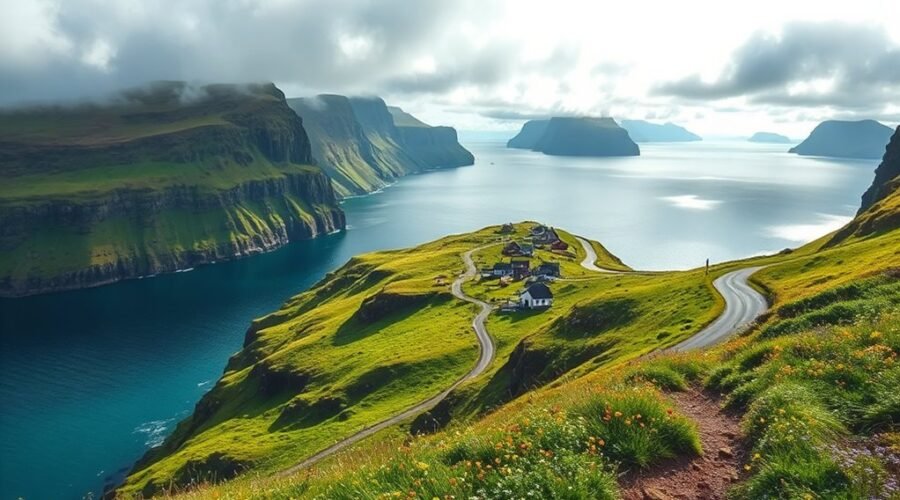
Planning a trip to the Faroe Islands isn’t simple — the weather’s unpredictable, the crowds shift dramatically by season, and your budget can stretch or shrink depending on when you go. You’ll want to time your visit carefully to get the most out of this remote archipelago. Whether you’re chasing puffins, dramatic hiking trails, or the Northern Lights, the right month makes all the difference. Here’s what you need to know before you book.
Faroe Islands Weather and Seasons: What Each Time of Year Actually Delivers
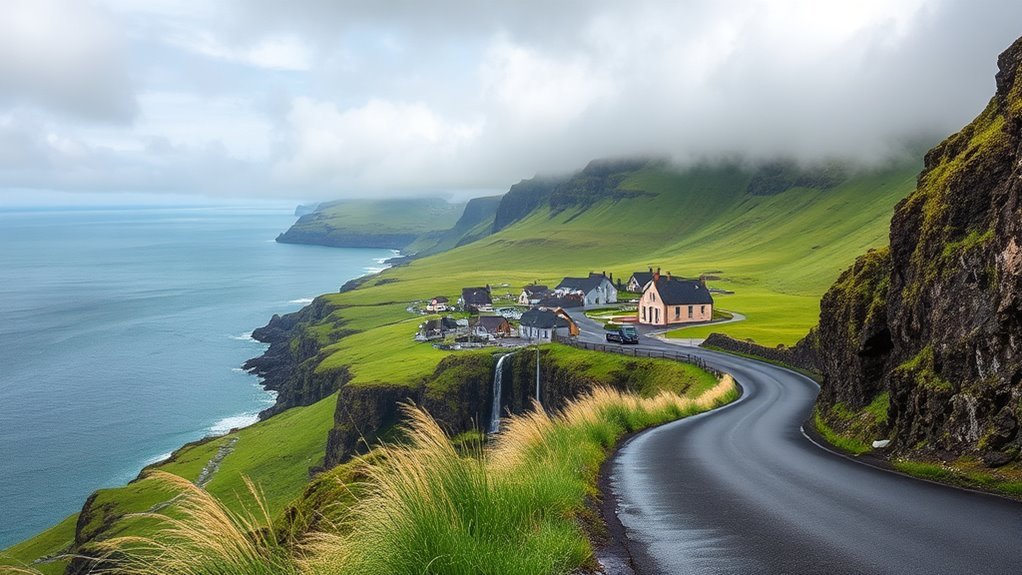
The Faroe Islands don’t follow the typical seasonal playbook you might expect from a North Atlantic destination. The weather patterns here operate on their own terms — sometimes delivering all four seasons within a single afternoon. You’ll need to embrace that unpredictability rather than fight it.
Summer (June–August) gives you the longest daylight hours and mildest temperatures, hovering around 12–15°C. Winter drops temperatures to 3–5°C, but rarely freezes.
The seasonal variations are surprisingly subtle — this isn’t a destination that transforms dramatically between January and July.
The Faroe Islands don’t do dramatic seasonal transformations. What changes is subtler — and far more interesting.
What actually shifts is light. Midsummer gifts you near-endless golden hours. December shrinks daylight to barely five hours.
Spring brings dramatic storm energy, while autumn layers the landscape in deep, moody greens. No season locks you out entirely — each one simply offers a different version of freedom.
When Are the Faroe Islands Most Crowded?
Knowing what each season delivers is only half the equation — you’ll also want to know when you’ll be sharing those clifftop trails with hundreds of other people.
Peak tourism hits the Faroe Islands hard between June and August, when cruise ships dock regularly and hiking routes get genuinely congested.
Here’s what crowd patterns actually look like:
- June–August brings peak tourism, longer queues, and fully booked guesthouses weeks in advance.
- July is the single busiest month — expect trail traffic on Sørvágsvatn and Gásadalur.
- Shoulder seasons (May and September) balance decent weather with noticeably thinner crowds.
- Winter months (November–February) offer true solitude but demand serious weather resilience.
- Weekend ferry crossings fill fast year-round — these travel tips apply even outside summer.
If freedom means having a waterfall to yourself, shoulder season is your answer.
Plan accordingly and book early regardless.
Puffins, Hiking, and Festivals: What You Can Do in the Faroe Islands by Season
Each season in the Faroe Islands reveals a different set of experiences, so timing your visit around what you actually want to do matters more than chasing ideal weather.
Summer opens up the most freedom. Puffin watching peaks between May and August when colonies crowd the cliffs at Mykines. Hiking trails become fully accessible, letting you push into dramatic landscapes without battling ice or mud.
June’s Atlantic Airways Marathon adds festival highlights worth planning around.
Spring offers quieter trails and striking seasonal photography as snow retreats and waterfalls surge with meltwater. You’ll share fewer viewpoints with strangers.
Autumn brings the Ólavsøka cultural energy and moody, cinematic light — a photographer’s unexpected reward. Trails remain walkable into October.
Winter strips everything back. Hiking trails narrow, puffins disappear, and crowds vanish entirely.
What remains is raw: northern lights, storm-lashed coastlines, and a version of the islands most visitors never see.
How to Visit the Faroe Islands on a Budget
Visiting the Faroe Islands doesn’t have to drain your savings, but it does require planning around the costs that catch most travelers off guard. You’ll find freedom in knowing where to cut costs without sacrificing the raw, unfiltered experience this archipelago delivers.
Smart budget accommodations include guesthouses and farm stays, which often run notably cheaper than hotels while placing you closer to dramatic landscapes.
Guesthouses and farm stays cost less than hotels and drop you right into the landscape.
Here’s where your money stretches furthest:
- Camp legally at designated sites for minimal fees
- Cook your own meals using local supermarkets in Tórshavn
- Use free public buses connecting major villages
- Choose shoulder season (May or September) for lower prices
- Book affordable activities like self-guided hikes instead of expensive tours
The islands reward independent travelers who embrace simplicity. You don’t need luxury to feel the wind tear across Sørvágsvatn or watch cliffs dissolve into Atlantic fog.
You just need the right timing.
Which Month Is Best for Your Trip to the Faroe Islands?
Once you’ve secured your budget strategy, picking the right month sharpens everything else into focus. Each month offers something distinct, so your best month depends entirely on what you’re chasing.
June and July deliver the longest daylight hours, dramatic green cliffs, and the iconic puffin season — ideal if you want landscapes at their most vivid.
August balances warmth, accessibility, and slightly thinner crowds as summer peaks fade.
May suits adventurous spirits who want blooming wildflowers without peak pricing.
September brings moody skies, golden light, and authentic quietude — perfect for photographers and free-thinkers craving solitude over spectacle.
Winter months — November through February — test your resilience but reward you with raw, untamed atmosphere and near-empty trails.
Among the most practical travel tips: align your month with your priorities — wildlife, photography, budget, or solitude — and you’ll reveal the Faroe Islands on your own terms.
Frequently Asked Questions
Do I Need a Visa to Visit the Faroe Islands?
Visa requirements vary based on your nationality. If you’re from the EU or Schengen Area, you don’t need a visa. Confirm your travel documents are valid, and you’ll access the Faroe Islands’ breathtaking freedom effortlessly!
What Currency Is Used in the Faroe Islands?
You won’t need Bitcoin here. The Faroe Islands use the Danish Krone (DKK). Plan your currency exchange before arriving to maximize your local spending, ensuring you’ve got funds ready for your liberating island adventures.
How Do I Get to the Faroe Islands From Mainland Europe?
You’ve got two exciting options! You can take flight routes from Copenhagen, Reykjavik, or Edinburgh, or you’ll find ferry options departing from Denmark, letting you sail through breathtaking North Atlantic waters to reach this stunning archipelago.
Is English Widely Spoken by Locals in the Faroe Islands?
You’ll find English widely spoken across the Faroe Islands! Locals embrace it warmly, though you’ll enrich your experience by appreciating their local dialects and cultural nuances, revealing a deeper, more authentic connection with this breathtakingly free-spirited community.
Are the Faroe Islands Safe for Solo Female Travelers?
You’ll find the Faroe Islands remarkably safe for solo female travelers! You don’t need many safety precautions here, as crime’s very low. Follow basic solo travel tips, trust your instincts, and you’ll explore this stunning archipelago with empowering freedom.
Conclusion
You’ve weighed the seasons, the crowds, the costs — but here’s what no guide can fully prepare you for: the Faroe Islands have a way of surprising you, regardless of when you arrive. Choose May or September for that perfect balance, or dare to visit in winter’s haunting quiet. The real question isn’t which month is *best* — it’s whether you’re ready for what’s waiting beyond those dramatic, mist-shrouded cliffs.