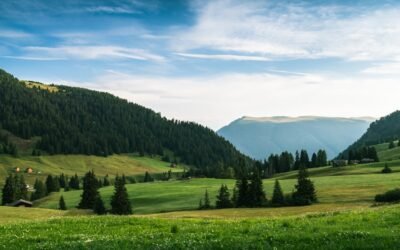
Picking the “best” time to visit Woodstock, New Brunswick really depends on what you’re looking for, but generally, early to mid-fall (September-October) or late spring/early summer (late May-June) offer the sweet spot. You’ll find pleasant weather, manageable crowds, and pretty decent prices during these periods. If you’re a fan of vibrant fall foliage and comfortable exploring temperatures, September and October are fantastic. For those who prefer warmer days and don’t mind a bit more activity, late May and June provide a growing sense of summer without peak season chaos.
1. Spring: A Fresh Start (March – May)
Spring in Woodstock is a time of awakening, transforming from winter’s chill to a lush green landscape. It’s a shoulder season, meaning you can often find good deals and fewer crowds, especially in the earlier months.
March: Still Shivering, But Signs of Life
March is often still quite wintry. You can expect cold temperatures, with averages hovering around -5°C (23°F), and snowfall is still very possible, though it’s typically wet and slushy as things start to thaw.
- Weather: Expect changeable conditions. You might get a surprisingly mild day, but be prepared for cold snaps and lingering snow. The ground can be muddy as frost leaves.
- Crowds: Very low. Most tourists haven’t started arriving yet. You’ll largely share the town with locals.
- Costs: Generally on the lower end for accommodations and some activities, as it’s off-peak.
- What to Do: Indoor activities are still your best bet – historical sites like the Old Carleton County Court House (check hours as they might be limited), local cafes, and perhaps some early-season birdwatching as migratory birds begin to return.
April: Thaw and Budding Green
April brings a more noticeable shift. Temperatures average around 5°C (41°F), and while there might be some late-season snow, rain is more common. The landscape starts to green up, and maple syrup season is in full swing.
- Weather: Milder, but still cool and damp.Layers are essential. Expect some rain showers.
- Crowds: Increasing slightly, but still low. You’ll encounter more locals out and about enjoying the improving weather.
- Costs: Still quite reasonable. Accommodations haven’t hit peak season rates.
- What to Do: Maple sugar bush tours are a highlight. Hiking trails might still be a bit muddy, but easier walks are enjoyable. River views as the ice breaks up (if it hasn’t already) are impressive.
May: Mild and Inviting
May is arguably the unofficial start of the warmer season. Average temperatures reach around 12°C (54°F), and everything is green and vibrant. It’s a beautiful time, just before the summer rush.
- Weather: Generally pleasant, with warmer days and cool evenings. Rain is still a possibility, but sunshine becomes more frequent.
- Crowds: Moderate. Locals are out, and some early summer travelers start to appear, especially on weekends. It’s not crowded, but you won’t have popular spots entirely to yourself.
- Costs: Start to creep up slightly towards mid-season rates, but you can still find good value before the peak summer surge.
- What to Do: Excellent for outdoor activities like hiking, cycling along the scenic riverfront, and exploring local parks. Farmers’ markets might start to open for the season. Fishing opportunities improve.
If you’re planning a trip to Woodstock, New Brunswick, understanding the best time to visit can greatly enhance your experience. For insights on how to navigate the weather, crowds, and costs associated with your visit, you might find it helpful to read a related article that discusses the criteria used for reviewing travel products and destinations. This can provide you with valuable tips and recommendations to make the most of your journey. For more information, check out this article on how products are reviewed at Lele Tours.
2. Summer: Peak Season Buzz (June – August)
Summer is when Woodstock truly comes alive. The weather is at its best, and there’s a wider array of events and activities. However, this also means more crowds and higher prices.
June: Warm and Pleasant, Less Crowded
June offers a fantastic balance. Average temperatures are around 17°C (63°F). The weather is reliably warm, but the intense heat of high summer often hasn’t set in yet.
- Weather: Beautiful, warm days and comfortable evenings. Less humid than July or August. Expect sunshine with occasional refreshing showers.
- Crowds: Moderate to high, especially towards the end of the month as schools let out. It’s lively but generally not overwhelming.
- Costs: Mid-range to high. Accommodation prices begin their peak season climb. Booking ahead is advisable, especially for weekends.
- What to Do: Kayaking or canoeing on the Saint John River, exploring the Carleton County Historical Society Museum, enjoying local festivals that begin to kick off, and dining at outdoor patios.
July: Sunshine and Festivities
July is the heart of summer in Woodstock. Average temperatures are around 20°C (68°F), with plenty of sunshine and the occasional heatwave. This is when the town is most vibrant.
- Weather: Warm to hot, with muggy periods. Expect long daylight hours. Occasional thunderstorms can bring dramatic changes.
- Crowds: High. This is peak tourist season. Popular attractions, restaurants, and accommodations will be busy.
- Costs: Highest. Expect to pay peak season rates for everything from hotels to specific activities. Book well in advance.
- What to Do: Enjoying the River Valley Scenic Drive, swimming or picnicking at local beaches (if you venture a bit outside town), attending the Woodstock Old Home Week (usually late July/early August), and exploring the local craft breweries. Outdoor dining is popular.
August: Still Sunny, Preparing for Fall
August continues the summer trend, with average temperatures similar to July. Towards the end of the month, you might notice the first subtle hints of autumn in the air.
- Weather: Warm and usually sunny, though the humidity can lessen towards month-end. Days are noticeably shorter than in July.
- Crowds: High at the beginning of the month, tapering off somewhat towards the end as holidays conclude and schools prepare for reopening. Still busy overall.
- Costs: High at the start of the month, with some potential for slight reductions in the last week, mainly for accommodations.
- What to Do: Similar to July, enjoying watersports, exploring nature trails, and taking advantage of the last full month of summer events. Consider day trips to nearby towns and attractions.
3. Fall: A Colorful Retreat (September – November)
Fall is a truly magical time in New Brunswick, and Woodstock is no exception. It’s often cited as one of the best times to visit for its stunning foliage and comfortable temperatures, while crowds begin to thin out.
September: Golden Hues and Crisp Air
September is arguably one of the best months. Average temperatures are around 15°C (59°F), offering comfortable days for exploration, and the fall foliage starts to become spectacular.
- Weather: Delightful, with warm, sunny days turning into cool, crisp evenings. The air starts to have that distinct autumn smell. Rain is possible but often refreshing.
- Crowds: Moderate. Fewer families compared to summer, but outdoor enthusiasts and “leaf peepers” start to arrive. It’s a lively yet not overly busy atmosphere.
- Costs: Mid-range. Accommodation prices typically drop from summer highs but can see slight upticks on weekends with peak foliage. Booking a bit in advance is still wise.
- What to Do: Scenic drives along the Saint John River, enjoying fall harvest festivals, visiting local orchards for apple picking, and hiking to view the vibrant reds, oranges, and yellows. Photography opportunities are endless.
October: Peak Foliage and Cozy Vibes
October is all about the dazzling fall colors. Average temperatures drop to around 8°C (46°F), so warm layers are a must, especially in the mornings and evenings.
- Weather: Cool and often sunny, though frost becomes common. Rain can be frequent, especially later in the month. The peak of fall color usually occurs in early to mid-October.
- Crowds: Moderate, focusing heavily on scenic drives and outdoor attractions related to fall colors. Weekends can still be busy in prime viewing spots.
- Costs: Mid-range, with similar pricing patterns to September. You can still find good deals, especially midweek.
- What to Do: Continue enjoying fall foliage tours, visit local pumpkin patches, explore antique shops, and warm up in local cafes. This is a great month for cozy, scenic experiences.
November: Quiet and Preparing for Winter
November sees a significant drop in temperatures, averaging around 0°C (32°F). Most of the leaves will have fallen, and the landscape starts to look starker, preparing for winter.
- Weather: Cold and often damp. The first significant snowfalls are possible, though it’s often more rain mixed with flurries. Days are short.
- Crowds: Very low. This is a quiet time to visit if you enjoy solitude and don’t mind the colder weather.
- Costs: Lower. You’ll likely find the best deals on accommodations and potentially some activities if they’re still open.
- What to Do: Ideal for indoor museum visits, enjoying local dining without crowds, and perhaps some early-season cross-country skiing or snowshoeing if snowfall permits.
4. Winter: A Quiet Wonderland (December – February)
Winter in Woodstock is a peaceful, often snowy affair. If you enjoy winter sports or a cozy retreat, this season has its charms.
December: Festive and Snowy
December brings a festive atmosphere, especially towards Christmas. Average temperatures are around -5°C (23°F), and snow becomes a consistent feature of the landscape.
- Weather: Cold, with regular snowfall. Expect snow-covered landscapes. Dress warmly in layers, including hats, gloves, and waterproof outerwear.
- Crowds: Low overall, with a slight increase around the Christmas holidays as people visit family or take short breaks.
- Costs: Moderate. Can fluctuate due to holiday demand. Early December often sees good rates before the festive rush.
- What to Do: Enjoying local Christmas markets and events, ice skating (if local rinks are open), and exploring festive decorations. Opportunities for cross-country skiing and snowshoeing emerge.
January: Deep Winter and Outdoor Sports
January is typically the coldest month, with average temperatures around -10°C (14°F), often dipping much lower. Snowfall is usually abundant, creating a beautiful winter wonderland.
- Weather: Very cold and snowy. Expect consistent snow cover and icy conditions. Plan for short daylight hours.
- Crowds: Very low, making it a great time for a quiet getaway if you embrace the cold.
- Costs: Lowest of the year. You’ll generally find the best deals on accommodations during this period.
- What to Do: Excellent for serious winter sports like cross-country skiing, snowshoeing, and ice fishing. If downhill skiing/snowboarding is your thing, nearby Crabbe Mountain is accessible. Enjoy cozy evenings by a fire.
February: Still Cold, Longer Days
February continues the cold weather, averaging around -7°C (19°F), but the days start to noticeably lengthen, hinting at spring’s eventual arrival.
- Weather: Cold and snowy, similar to January, but with more prominent sunshine and a gradual increase in daylight.
- Crowds: Very low. Continues to be a quiet time in town.
- Costs: Lowest. Still a great time for budget-conscious travelers who are well-equipped for winter.
- What to Do: Continue with winter sports. Look for local winter festivals or events that might be planned towards the end of the month. Photography of the pristine, snowy landscape is particularly rewarding.
If you’re planning a trip to Woodstock, New Brunswick, you might also find it helpful to read about the best times to explore the surrounding areas. A related article on travel tips can provide insights into local attractions and seasonal events that enhance your visit. For more information, check out this helpful guide that covers various aspects of travel planning in the region.
5. Other Considerations for Your Visit
Beyond just weather and crowds, here are a few more things to keep in mind when planning your trip to Woodstock.
Local Events and Festivals
Woodstock, while a smaller town, has a strong community spirit that manifests in various local events.
- Summer Festivals: Woodstock Old Home Week in late July/early August is a significant event with a parade, agricultural exhibits, harness racing, and fairground fun. Other smaller local fairs and markets pop up throughout the warmer months.
- Fall Harvest Events: September and October often feature apple picking events, pumpkin patches, and craft fairs celebrating the harvest season.
- Holiday Celebrations: December sees various Christmas-themed events, light displays, and local artisan markets.
- Check Local Listings: Always check the official Town of Woodstock website or local tourism New Brunswick sites for the most current event calendars. Specific dates can vary year to year.
Budgeting Your Trip
Understand that prices fluctuate significantly based on the season.
- Peak Season (July-August): Accommodations, particularly popular B&Bs and hotels, will be at their highest rates. Some activities might also see slight price increases.
- Shoulder Seasons (May-June, September-October): Prices are generally mid-range. You can often find decent deals, especially if you book a bit in advance or travel midweek.
- Off-Season (November-April): This is when you’ll find the lowest prices for accommodations. Some attractions might have reduced hours or be closed, but if you’re prepared for the weather, it can be a very economical time to visit.
- Food and Drink: Local restaurants and cafes generally maintain consistent pricing, but special seasonal menus might appear. Groceries for self-catering are always an option to save money.
Transportation and Accessibility
How you get around can also influence your “best” time to visit.
- Driving: A car is highly recommended for exploring Woodstock and the surrounding Carleton County region, especially if you plan to venture beyond the immediate town center. Roads are well-maintained, but winter conditions (snow, ice) can make driving challenging, requiring appropriate tires.
- Walking/Cycling: The town center is walkable, and there are some pleasant trails. Spring, summer, and fall are ideal for cycling or walking tours.
- Public Transit: Public transportation options within Woodstock are very limited or non-existent, making a personal vehicle or rideshare services your primary method for getting around if you don’t walk.
- Accessibility: Most newer facilities and popular attractions are accessible, but some historic sites might have limitations. If accessibility is a concern, it’s wise to call ahead to specific venues.
Ultimately, Woodstock offers something lovely in every season. Your ideal time hinges on your personal preferences for weather, the activities you want to enjoy, and your budget limitations. For a balance of pleasant weather, local flavor, and moderate crowds, consider the shoulder seasons. If you love the heat and a bustling atmosphere, summer is your pick. And if crisp air and vibrant colors call to you, fall is unbeatable.
FAQs
1. What is the best time to visit Woodstock, New Brunswick for favorable weather?
The best time to visit Woodstock, New Brunswick for favorable weather is during the summer months of June to August when the temperatures are mild and the days are longer.
2. When is the peak tourist season in Woodstock, New Brunswick?
The peak tourist season in Woodstock, New Brunswick is during the summer months of June to August when the weather is favorable and many outdoor activities and events are available.
3. What is the off-peak season in Woodstock, New Brunswick?
The off-peak season in Woodstock, New Brunswick is during the winter months of December to February when the temperatures are cold and many outdoor activities are limited.
4. When can visitors expect lower costs for accommodations and activities in Woodstock, New Brunswick?
Visitors can expect lower costs for accommodations and activities in Woodstock, New Brunswick during the off-peak seasons of spring (March to May) and fall (September to November).
5. What are the busiest events or festivals in Woodstock, New Brunswick that visitors should be aware of?
The Old Home Week festival in August and the Woodstock Summer Slammer in July are some of the busiest events and festivals in Woodstock, New Brunswick that visitors should be aware of when planning their trip.