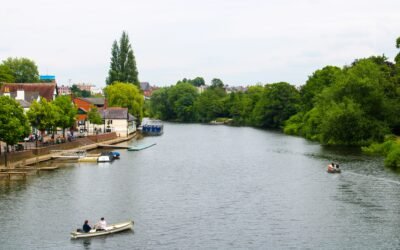
For most travelers, the best time to visit Peace River, Alberta is from late June through August, when daytime temperatures are mild to warm, daylight is exceptionally long, trails are easier to enjoy, and many community events take place. September is another strong choice if you prefer cooler weather, changing foliage, and a quieter trip.
Quick Answer
For most travelers, late June through August is the best time to visit Peace River for mild-to-warm days, very long daylight, open trails, and summer events. September is a strong alternative for cooler weather and fall scenery. Winter works best if snow activities and cold-weather travel are the main goal.
Key Takeaways
- Best overall: Late June through August for warmer weather, long days, trails, riverfront activities, and summer events.
- Best balance: September for cooler temperatures, fall scenery, and generally less event-driven demand.
- Warmest month: July, with a 1991–2020 normal daily high of 22.7°C (73°F).
- Best for winter lovers: December through February, provided you are prepared for temperatures well below freezing.
- Before you leave: Check the weather forecast, Alberta 511 road conditions, local events, and wildfire-smoke/AQHI information.
Summer: Best for Warm Weather and Long Days
Summer is the easiest season to recommend for a first trip to Peace River. Temperatures are at their warmest, daylight lasts well into the evening, and outdoor attractions are generally at their most accessible.
Warm Temperatures Without Consistent Extreme Heat
According to Environment and Climate Change Canada’s 1991–2020 Peace River climate normals, the normal daily maximum is 20.7°C (69°F) in June, 22.7°C (73°F) in July, and 21.8°C (71°F) in August. Normal nighttime lows are much cooler at about 8–10°C (46–50°F), so a light jacket is useful even in midsummer.
July is Peace River’s warmest month by normal daily temperature, but its normal daytime high is about 22.7°C (73°F), not the mid-20s Celsius every day.
Exceptionally Long Summer Days
Peace River’s northern latitude gives you very long summer days. Around the June solstice, daylight lasts well over 17 hours. That gives you more flexibility for sightseeing, walking, photography, picnics, and evening activities without trying to fit everything into a short daytime window.
Note: Climate averages describe what is typical, not what you will experience on a specific trip. Check the current Environment Canada forecast for Peace River shortly before departure.
Outdoor Activities Are Easier to Plan
Summer is a good time to explore parks, riverfront areas, and local trails. The Town of Peace River reports more than 17 km of public paved and unpaved trails, including walking and cycling options.
The Peace River and surrounding region also support boating, paddling, fishing, camping, and other outdoor recreation when local weather and water conditions are suitable. Check current regulations and conditions before any water-based activity.
Summer Events Can Shape Your Travel Dates
Summer brings some of the region’s largest community events. Dates change from year to year, so check the current calendar rather than relying on an old schedule. As an example of the seasonal pattern, the 2026 Rotaract River Days and Peace River Gold Cup took place June 19–21, while Peace Mud Bogs & Fair was held in July.
You can review current events through the Town of Peace River community calendar and Mighty Peace Tourism’s event listings.
Accommodation Demand Can Rise Around Events
Do not assume that every summer date will automatically be expensive, but popular event weekends can reduce accommodation availability. If your trip overlaps a major festival, race, tournament, or community celebration, compare prices and reserve your room earlier than you would for an ordinary weekday stay.
Pro Tip: Check the event calendar before booking your hotel. Moving a trip by even a few days may give you more room choices if a large event is filling local accommodation.
For information about this site’s travel-content limitations, see the site disclaimer.
Spring: A Time of Renewal and Changing Conditions
Spring in Peace River is a transition from a long northern winter into the warmer travel season. It can be rewarding if you want fewer summer-style activities and do not mind variable weather, muddy trails, or cold nights.
Temperatures Rise Quickly by May
April’s normal daily high is 9.4°C (49°F), while May reaches 17.1°C (63°F). Nights remain much cooler: the normal daily minimum is -2.9°C (27°F) in April and 3.3°C (38°F) in May.
That means a pleasant afternoon can still be followed by a cold evening. Bring layers rather than packing as if spring in northern Alberta will feel like summer.
Snowmelt Can Affect Trails and River Conditions
As temperatures rise, melting snow can leave unpaved trails soft, wet, or muddy. River levels and ice conditions can also change quickly during freeze-up and breakup periods.
Warning: Do not treat frozen river surfaces as automatically safe. Moving water, changing temperatures, and breakup can create highly variable ice. Alberta’s river-advisory system specifically warns that water and ice levels can change rapidly during freeze-up and breakup.
Spring Wildlife and Bird Activity
Spring can be an interesting season for birdwatching and wildlife observation as migration and seasonal activity increase. Wildlife sightings are never guaranteed, so avoid planning a trip around a promise of seeing a particular species. Keep a respectful distance and do not feed wildlife.
Shoulder-Season Advantages
May can work well if you value a calmer trip more than maximum warmth. Accommodation may also be easier to find outside major events, but there is no reliable rule that spring will always be cheaper. Compare live rates for your exact dates.
Fall: Cooler Weather and Changing Landscapes
September is one of the strongest alternatives to midsummer. Days become cooler, nights are crisp, and deciduous trees across the Peace Country begin their seasonal colour change.
September Is Mild; October Is Much Cooler
September’s normal daily high is 16.3°C (61°F), with a normal low of 3.3°C (38°F). By October, the normal daily high falls to 8.4°C (47°F), while the normal low is -2.7°C (27°F).
If you travel in October, pack for freezing overnight temperatures even if the daytime forecast looks comfortable.
Fall Colours Are a Major Seasonal Draw
Aspen, poplar, shrubs, and other vegetation can create attractive yellow, gold, orange, and occasional reddish tones during the fall transition. Exact timing varies with temperature, wind, moisture, and the year, so there is no guaranteed peak-colour weekend.
September usually gives you a better combination of foliage potential and comfortable daytime temperatures than late October.
A Quieter Style of Trip
After the busiest summer event period, fall can feel more relaxed. However, local events still occur in September and October, so check the live event calendar before assuming a particular weekend will be quiet or inexpensive.
Winter: Best for Snow, Cold-Weather Scenery, and Solitude
Winter transforms Peace River into a much colder destination. It can be beautiful and peaceful, but it requires more preparation than a summer visit.
Expect Temperatures Well Below Freezing
Environment Canada’s climate normals show normal daily highs of -2.5°C (28°F) in November, -8.2°C (17°F) in December, -9.9°C (14°F) in January, and -6.2°C (21°F) in February.
Normal nighttime temperatures are much colder. January’s normal daily minimum is -20.1°C (-4°F), while December is -18.1°C (-1°F).
Those are averages rather than limits. Individual cold spells can be considerably colder, so check the forecast closely and pack proper insulated layers, gloves, a warm hat, and winter footwear.
Winter Activities Depend on Snow and Local Conditions
Winter can suit visitors interested in snowshoeing, cross-country skiing, snowmobiling, winter photography, or other cold-weather recreation. Conditions vary throughout the season, so verify trail access, snow depth, operating schedules, and land-use rules before setting out.
If fishing is part of your plan, review the current Alberta sportfishing regulations. Never assume river ice is safe simply because the weather is cold.
Winter Road Conditions Require Extra Planning
Snow, ice, reduced visibility, and extreme temperatures can affect travel in northern Alberta. Before driving, check Alberta 511 for current highway conditions, incidents, closures, snow or ice coverage, and travel advisories.
Keep winter clothing accessible in the vehicle rather than packed at the bottom of your luggage, and carry basic emergency supplies when traveling outside town in cold conditions.
Winter May Offer More Availability, but Do Not Assume a Bargain
Winter is generally less attractive to warm-weather tourists, so you may find more accommodation flexibility on some dates. However, prices vary by property, weekday, work travel, local events, and availability. Compare current rates instead of assuming winter automatically means very low prices.
For information about how this site handles visitor information, see the privacy policy.
Best Time to Visit Peace River by Trip Style
| Your Priority | Best Time | Why |
|---|---|---|
| Best overall weather | Late June–August | Warmest normal temperatures and very long daylight. |
| Walking and trails | June–September | Generally more comfortable trail conditions than during snowmelt or winter. |
| Summer events | June–August | Many regional festivals, races, fairs, and community events occur in summer. |
| Fall scenery | September | Good balance of changing foliage and manageable daytime temperatures. |
| Quieter sightseeing | May or September | Outside the core midsummer travel period, though events can still affect demand. |
| Snow recreation | December–February | Most suitable period for reliably cold winter conditions. |
Peace River Weather Month by Month
The following temperatures use Environment and Climate Change Canada’s 1991–2020 climate normals. They are climate averages, not forecasts for a specific year.
| Month | Normal High | Normal Low | Travel Feel |
|---|---|---|---|
| January | -9.9°C / 14°F | -20.1°C / -4°F | Deep winter; serious cold-weather preparation needed. |
| February | -6.2°C / 21°F | -17.2°C / 1°F | Cold winter recreation season. |
| March | -0.5°C / 31°F | -11.9°C / 11°F | Winter-to-spring transition; freezing nights remain normal. |
| April | 9.4°C / 49°F | -2.9°C / 27°F | Cool and changeable with possible muddy conditions. |
| May | 17.1°C / 63°F | 3.3°C / 38°F | Pleasant shoulder-season option with cool nights. |
| June | 20.7°C / 69°F | 8.1°C / 47°F | Long daylight and comfortable outdoor weather. |
| July | 22.7°C / 73°F | 9.9°C / 50°F | Warmest month and a strong all-around choice. |
| August | 21.8°C / 71°F | 8.2°C / 47°F | Warm days with gradually shortening daylight. |
| September | 16.3°C / 61°F | 3.3°C / 38°F | Cooler weather and fall-scenery potential. |
| October | 8.4°C / 47°F | -2.7°C / 27°F | Cold nights and increasing winter-like conditions. |
| November | -2.5°C / 28°F | -11.6°C / 11°F | Winter conditions become established. |
| December | -8.2°C / 17°F | -18.1°C / -1°F | Cold, short days and winter recreation. |
Planning Beyond the Seasons
Choosing a month is only part of planning a Peace River trip. Events, smoke, insects, road conditions, and a short-term weather forecast can matter just as much as the historical average.
Check Local Events Before Choosing Your Weekend
Community events can turn an otherwise quiet weekend into one of the busiest and most interesting times to visit. Summer commonly includes fairs, cultural celebrations, markets, races, and outdoor events, while other activities continue into fall and winter.
Use the current Town of Peace River and Mighty Peace Tourism calendars before reserving accommodation. Event dates can move from year to year.
Wildlife Viewing Varies by Season and Time of Day
You may encounter birds, deer, and other wildlife around the Peace Country, but sightings depend on habitat, season, weather, food availability, and time of day. Spring and fall can be particularly interesting for migratory birds.
For a better experience, observe wildlife from a distance, avoid approaching animals for photographs, and never feed them.
Do Not Base Your Budget on the Season Alone
Accommodation prices are influenced by more than weather. Local events, work travel, weekends, room inventory, and how early you book can all affect what you pay.
Instead of assuming July is always expensive or January is always cheap, compare actual rates for several nearby dates. Flexibility is often more useful than relying on a fixed “peak season” rule.
Prepare for Fast Weather Changes
Northern Alberta weather can change quickly, especially during spring and fall transitions. Pack layers and check the forecast again shortly before you head out for a long walk, river activity, or road trip.
Watch for Wildfire Smoke in the Warmer Months
Wildfire smoke can reduce visibility and air quality even when a wildfire is far from town. Alberta recommends using the Air Quality Health Index to understand current health risk and adjust outdoor activities when needed.
You can also check the province’s wildfire status dashboard for active fires and Peace River Forest Area updates.
Warning: A clear summer itinerary can change quickly if wildfire smoke, severe weather, high water, or a road advisory develops. Check conditions on the day of any major outdoor activity instead of relying only on the forecast you saw when you booked the trip.
Expect Mosquitoes and Other Biting Insects in Summer
Mosquitoes are a normal warm-season consideration in Alberta, especially around vegetation and standing water. Alberta health guidance recommends covering exposed skin where practical and using a Health Canada-approved insect repellent such as one containing DEET or icaridin according to its label instructions.
If you plan to spend significant time hiking or around grassy or wooded areas, also check yourself for ticks after returning indoors.
What to Pack by Season
- June–August: Light layers, a rain shell, comfortable walking shoes, sun protection, insect repellent, and a light jacket for cool evenings.
- September–October: Warm layers, waterproof outerwear, closed shoes or boots, gloves or a light hat later in fall.
- November–March: Insulated coat, winter boots, gloves or mittens, warm hat, thermal layers, and vehicle emergency supplies for longer drives.
- April–May: Layered clothing, waterproof footwear, and outerwear suitable for rain, wind, mud, and cold mornings.
Frequently Asked Questions
What is the best time to visit Peace River, Alberta for good weather?
Late June through August is the most reliable choice for warmer temperatures and long daylight. July has the highest normal daily maximum at 22.7°C (73°F), followed closely by August and June.
What is the warmest month in Peace River?
July is the warmest month based on Environment and Climate Change Canada’s 1991–2020 normals. The normal daily high is 22.7°C (73°F), and the normal daily low is 9.9°C (50°F).
When is the main summer travel season in Peace River?
June through August offers the warmest weather, longest days, and many local events. Major event weekends can increase accommodation demand, so check the current community calendar before booking.
What are the best shoulder-season months for Peace River?
May and September are good shoulder-season choices. May has a normal high of 17.1°C (63°F), while September averages a normal high of 16.3°C (61°F). Both can be cooler at night, so pack layers.
When is the best time to see fall colours in Peace River?
September is usually the best month to combine changing foliage with relatively comfortable daytime temperatures. Exact peak colour varies each year with weather conditions.
Is Peace River worth visiting in winter?
Yes, if you enjoy snow-covered scenery and cold-weather recreation and are comfortable with northern Alberta winter conditions. January’s normal daily high is -9.9°C (14°F), so proper clothing and winter driving preparation are essential.
Are mosquitoes or wildfire smoke a concern in summer?
They can be. Mosquitoes are common during Alberta’s warm season, while wildfire smoke can occasionally affect air quality and visibility. Pack insect repellent and check Alberta’s AQHI and wildfire-status tools before major outdoor activities.
When can I find lower accommodation prices in Peace River?
There is no month that guarantees the lowest price. Rates depend on property availability, weekdays versus weekends, events, work travel, and booking timing. May, September, and winter dates may offer more flexibility, but always compare live prices for your exact dates.
Sources
- Environment and Climate Change Canada — Peace River 1991–2020 Climate Normals — monthly normal temperatures and climate data.
- Town of Peace River — Visiting Peace River — official visitor, recreation, accommodation, and local-facility information.
- Town of Peace River — Trails — local public trail network and trail-use information.
- Mighty Peace Tourism — Signature Events — current regional festival and event information.
- Alberta 511 — current road conditions, closures, visibility, snow, and ice information.
- Government of Alberta — Wildfire Smoke Information — wildfire-smoke, air-quality, and AQHI planning guidance.