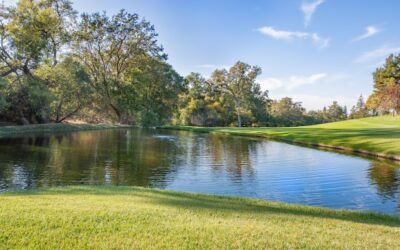
Picking the best time to visit Woodstock, New Brunswick, depends on what you want to experience. Late spring and early summer bring comfortable weather and plenty of outdoor opportunities, while autumn turns the surrounding Saint John River Valley into a colourful landscape. Summer is ideal for festivals and warmer days, and winter offers a quieter getaway with seasonal recreation.
Quick Answer
For a balanced trip to Woodstock, New Brunswick, choose late May or June for mild weather or late September to early October for fall colours. The upper Saint John River Valley often reaches peak colour around the first weekend of October. July and August suit summer events; winter suits snow-based activities.
Key Takeaways
- Best overall balance: Late May through June offers comfortable conditions for sightseeing, walking, and exploring the countryside.
- Best for fall foliage: Plan around late September and early October, allowing flexibility for changing weather and leaf conditions.
- Best for summer activities: July and August offer the warmest weather and a greater concentration of outdoor events.
- Best for quieter travel: November through early spring can be peaceful, although weather and attraction availability may limit your plans.
- Best for winter recreation: January and February are suitable months to consider, provided snow, ice, and operating conditions cooperate.
Best Time to Visit Woodstock, New Brunswick, at a Glance
Not everyone wants the same kind of vacation. Use this quick comparison to choose a travel window that matches your interests.
At a Glance
| Travel Goal | Suggested Time |
| Comfortable sightseeing | Late May to June |
| Warm-weather activities | July to August |
| Fall foliage | Late September to early October |
| Summer festivals | July to early August, depending on event dates |
| Winter recreation | January to February, depending on conditions |
For the weather figures below, this guide uses Environment and Climate Change Canada’s 1991–2020 climate normals for Woodstock/Newbridge. Monthly means combine daytime and nighttime temperatures. Individual days may be considerably warmer or colder.
1. Spring in Woodstock (March–May)
Spring is a time of change in Woodstock. The landscape gradually shifts from snow-covered fields to green riverbanks, but the transition can be unpredictable. You might enjoy sunshine one afternoon and face cold rain the next.
It’s a useful season for travellers who prefer a quieter pace, particularly toward the end of May when outdoor conditions generally improve.
March: Still Chilly, With Signs of Spring
March is often wintry. The average monthly temperature is approximately -3.2°C (26°F), and the average daytime high is only about 2°C (36°F).
- Weather: Expect freezing nights, occasional milder afternoons, lingering snow, and wet or muddy ground during thaws.
- Crowds: Tourism activity is generally quieter than during summer, making it a reasonable time for a low-key visit.
- Costs: Off-season accommodation deals may be available, but compare actual rates rather than assuming every property will be cheaper.
- What to Do: Explore downtown, visit local cafes, and consider heritage attractions such as the Old Carleton County Courthouse or Honourable Charles Connell Museum when open. Early birdwatching may become possible as spring approaches.
March is better suited to flexible sightseeing than a packed outdoor itinerary.
April: Thawing Rivers and Budding Green
April’s monthly mean rises to approximately 3.9°C (39°F), with an average daytime high near 9.3°C (49°F). Rain becomes an important part of trip planning, although late snow is still possible.
- Weather: Cool, damp conditions are common. Waterproof shoes and layered clothing are useful.
- Crowds: Expect a generally relaxed atmosphere outside special events and holiday periods.
- Costs: Accommodation prices vary, but there may be opportunities to find value before the main summer travel period.
- What to Do: Look for maple-related experiences offered by local producers, take short walks on suitable trails, and enjoy views of the changing river landscape from safe public areas.
Maple activities depend on weather, production schedules, and individual businesses. Check availability before making a special trip.
Warning: Spring thaw can create dangerous river conditions. Fast currents, cold water, floating debris, and unstable banks can make waterways unsafe. Stay away from floodwater and deteriorating ice. Check the official New Brunswick River Watch information before planning riverside activities.
May: Mild Weather and Outdoor Opportunities
May is one of the more appealing months for visitors who want outdoor activities without midsummer heat. Its monthly mean is approximately 11°C (52°F), with an average daytime high of 17.2°C (63°F).
- Weather: Days become noticeably warmer, although evenings remain cool and rain is possible.
- Crowds: Outdoor areas become more active, particularly during pleasant weekends, but the main summer event season has not fully arrived.
- Costs: Compare accommodation rates for different weekends and look for midweek availability.
- What to Do: Enjoy walking, cycling, local parks, nature trails, and the surrounding countryside. Fishing may be an option where permitted and in season.
The Town of Woodstock’s trail directory is a useful starting point for selecting walking and outdoor destinations.
Woodstock Farm & Craft Market is another worthwhile stop. Rather than waiting for a seasonal opening, visitors can explore its year-round market offerings and look for seasonal produce when available.
For readers interested in the site’s publishing standards, Lele Tours also provides information about how products are reviewed. For destination-specific operating hours and local events, use the official visitor information linked throughout this guide.
2. Summer in Woodstock (June–August)
Summer offers Woodstock’s warmest weather and a greater selection of outdoor events. It’s a practical time for families, festival visitors, and anyone hoping to explore the Saint John River Valley.
Accommodation availability can become tighter around important events and holiday weekends, so checking dates before booking is worthwhile.
June: Warm Days and Comfortable Exploring
June’s monthly mean is approximately 16.2°C (61°F), while the average daytime high reaches 22.3°C (72°F). It’s a pleasant transition into summer, although cool evenings and rain showers remain possible.
- Weather: Generally comfortable for walking and outdoor activities, with occasional rain and warmer spells.
- Crowds: Activity increases as summer approaches, particularly on weekends.
- Costs: Prices vary by property and date. Checking several nights or nearby accommodation options can help you compare value.
- What to Do: Explore riverside areas, visit local heritage attractions, enjoy outdoor dining, and consider canoeing or kayaking through a suitable local operator when conditions are safe.
June is a particularly useful choice if you want a balance of sightseeing and outdoor recreation.
July: Sunshine, Festivals, and Outdoor Activities
July is Woodstock’s warmest month by long-term average. The monthly mean is approximately 19.4°C (67°F), with an average daytime high of 25.3°C (78°F).
- Weather: Expect warm days, occasional hot or humid periods, and possible thunderstorms.
- Crowds: Event weekends can attract more visitors and create extra demand for local accommodation.
- Costs: Popular dates may have higher rates or fewer available rooms, although prices differ between properties.
- What to Do: Explore the River Valley Scenic Drive, walk local trails, enjoy outdoor dining, visit nearby communities, and attend scheduled arts or community events.
The Dooryard Arts Festival is a notable Woodstock cultural event featuring music and other artistic activities. Its confirmed 2026 dates were July 16–18. Future schedules are available through the official festival website.
For a nature-focused outing, consider the Meduxnekeag Valley Nature Preserve, which has trails with different lengths and difficulty levels.
Pro Tip: If your visit includes a festival, confirm the event dates first and then compare accommodation options. This is more reliable than assuming the same festival takes place during the same week every year.
August: Summer Activities and Community Celebrations
August remains warm, with a monthly mean of approximately 18.6°C (65°F) and an average daytime high of 24.6°C (76°F).
- Weather: Warm summer conditions continue, although rain, humidity, and thunderstorms are still possible.
- Crowds: Local event dates and holiday weekends can influence visitor numbers.
- Costs: Check actual rates rather than assuming that accommodation prices automatically fall during the final week of the month.
- What to Do: Enjoy nature trails, riverside scenery, community events, and day trips into the surrounding region.
Woodstock Old Home Week is one of the town’s established annual celebrations. The 2026 event ran from August 1–8, with activities at Connell Park and around town.
For upcoming editions, consult the official Tourism New Brunswick event listing.
3. Fall in Woodstock (September–November)
Fall is one of Woodstock’s most attractive seasons, especially if you enjoy colourful landscapes, scenic drives, and cooler walking weather.
The surrounding upper Saint John River Valley is known for its autumn colours. Timing matters, though: foliage changes from year to year, and peak colour does not arrive everywhere at once.
September: Golden Hues and Comfortable Days
September has a monthly mean of approximately 13.9°C (57°F), with an average daytime high of 19.9°C (68°F).
- Weather: Early September can still feel summery, while mornings and evenings become cooler as the month progresses.
- Crowds: The pace may ease after the main summer holiday period, although popular outdoor destinations can remain active.
- Costs: Compare accommodation prices carefully, especially around weekends and autumn events.
- What to Do: Take scenic drives, explore local trails, visit farm markets, enjoy photography, and look for seasonal harvest activities.
For fall colours, the second half of September is a useful starting point. The strongest displays in the upper river valley often develop closer to the beginning of October.
October: Fall Foliage and Cooler Weather
October is a particularly rewarding month for visitors interested in autumn scenery. Its monthly mean is approximately 7.2°C (45°F), with an average daytime high of 12.1°C (54°F).
- Weather: Expect cool mornings, crisp afternoons, possible frost, and occasional rain.
- Crowds: Popular foliage-viewing areas may be busier on pleasant weekends.
- Costs: Midweek stays may offer more flexibility, but prices are not guaranteed to be lower during peak foliage periods.
- What to Do: Explore scenic river-valley roads, enjoy autumn walks, browse antique shops, visit local markets, and relax in cafes after outdoor activities.
According to Tourism New Brunswick’s fall foliage guide, the upper Saint John River Valley typically reaches peak colour around the first weekend of October.
That’s a useful planning reference, not a fixed annual date. Temperature, rainfall, wind, and local conditions can change the timing and length of the display.
Pro Tip: If fall foliage is your main reason for visiting, allow several days around the late-September to early-October window. That gives you flexibility to adjust scenic drives and walks around weather and changing leaf conditions.
November: A Quiet Transition Toward Winter
November’s monthly mean falls to approximately 0.7°C (33°F). Average daytime highs are around 4.7°C (40°F), and freezing nights become common.
- Weather: Expect cold, damp conditions, shorter days, and the possibility of snow or freezing precipitation.
- Crowds: Outdoor tourism generally becomes quieter after the main foliage period.
- Costs: Some accommodation deals may be available, but individual property rates and opening schedules vary.
- What to Do: Explore downtown, visit museums and historic sites when open, enjoy local dining, and take short walks when conditions permit.
Early-season snowshoeing or cross-country skiing should only be considered when there is enough suitable snow and the relevant trails are open.
4. Winter in Woodstock (December–February)
Winter offers a different experience. Woodstock can be quiet and scenic under snow, but cold temperatures, short daylight hours, and changing road conditions require more preparation.
If you enjoy winter recreation or a relaxed indoor getaway, this season may appeal to you. Just keep your plans flexible.
December: Festive Atmosphere and Early Winter
December’s monthly mean is approximately -6.1°C (21°F), with an average daytime high near -2°C (28°F).
- Weather: Freezing temperatures and snowfall are common, but snow cover and storm timing vary.
- Crowds: The town may be quieter overall, with additional activity around holiday events and family visits.
- Costs: Rates can change around Christmas and New Year’s, so compare dates before booking.
- What to Do: Look for seasonal markets, holiday lights, community celebrations, skating facilities, and other scheduled winter activities.
Cross-country skiing and snowshoeing may become possible when snow conditions allow.
January: Cold Weather and Winter Recreation
January is the coldest month in the official climate normals, with a monthly mean of approximately -10.4°C (13°F). The average daytime high is -5.5°C (22°F), while the average nighttime low reaches -15.3°C (4°F).
- Weather: Expect very cold conditions, possible snowstorms, icy surfaces, and limited daylight.
- Crowds: Outdoor tourism can be quieter outside popular winter-recreation periods.
- Costs: Compare accommodation prices, since winter savings depend on the property and booking dates.
- What to Do: Consider snowshoeing, cross-country skiing, winter photography, and indoor heritage attractions.
For downhill skiing or snowboarding, Crabbe Mountain in Central Hainesville is a regional option rather than an attraction within Woodstock itself.
Check the official Crabbe Mountain website for operating days, snow conditions, lessons, and ticket information before planning the drive.
Ice fishing should only be considered where legally permitted and when ice conditions have been assessed by qualified local authorities or operators.
February: Winter Continues, With Longer Days
February remains cold. Its monthly mean is approximately -9.2°C (15°F), with an average daytime high of -3.6°C (26°F).
- Weather: Snow, ice, and freezing temperatures remain important considerations, although daylight gradually increases.
- Crowds: Visitor activity depends on weather, school holidays, and winter events.
- Costs: Budget-conscious travellers may find attractive rates, but compare real listings rather than relying on a seasonal price guarantee.
- What to Do: Continue enjoying suitable winter trails, look for scheduled local events, and photograph snowy landscapes from safe, accessible areas.
Winter photography can be rewarding, especially after fresh snowfall, but avoid entering frozen waterways or closed trails for a better viewpoint.
For information about this site’s content standards, see the Lele Tours editorial policy. Local operating schedules, travel advisories, and event dates should always be checked against the relevant official source.
5. Other Considerations for Your Woodstock Visit
Weather is only part of choosing the right time to travel. Events, accommodation availability, transportation, and the activities you want to enjoy can all influence your ideal dates.
Local Events and Festivals
Woodstock has a strong community spirit, and local celebrations can add something special to a trip.
- Summer Festivals: Woodstock Old Home Week is an established annual celebration featuring agricultural activities, entertainment, and community traditions. Its 2026 dates were August 1–8.
- Arts and Culture: Dooryard Arts Festival brings performances and cultural activities to Woodstock. Its confirmed 2026 event dates were July 16–18.
- Fall Harvest Activities: Look for seasonal produce, local farm experiences, craft events, and harvest-related activities in September and October.
- Holiday Celebrations: December may feature community events, seasonal markets, and festive displays.
Specific dates and programming can change from year to year.
For current information, check the Town of Woodstock’s visitor information and Tourism New Brunswick’s event listings.
Budgeting Your Trip
Prices can vary significantly between properties and travel dates. Seasonal patterns provide a starting point, but they should not replace checking actual accommodation availability.
- Summer (July–August): Festival dates, holidays, and popular weekends may increase accommodation demand. Book ahead if you need a particular room or property.
- Shoulder Seasons (May–June and September–October): These months may offer a useful balance between weather and availability. Peak foliage weekends can still attract visitors.
- Colder Months (November–April): Off-season rates may be available, although holidays, local events, and winter activities can affect pricing.
- Food and Drink: Check local restaurant hours and consider self-catering or farm-market purchases if they suit your travel plans.
Instead of assuming that a particular month is always cheapest, compare the total cost of accommodation, transportation, meals, and planned activities.
Note: This guide does not quote fixed hotel prices because rates change with inventory, demand, property policies, and booking dates. Actual prices should be compared for the intended travel period.
Transportation and Accessibility
How you get around Woodstock can influence which season works best for your trip.
- Driving: A car gives you flexibility for reaching nearby trails, historic attractions, and scenic routes around Carleton County.
- Walking and Cycling: Downtown is suitable for exploring on foot, while the wider area offers walking and cycling opportunities. Choose routes that match your ability and the weather.
- Public Transportation: Do not assume that frequent public transport or app-based rideshare service will be available for every destination. Confirm local options before travelling without a car.
- Accessibility: Accessibility varies by attraction, trail, and historic building. Contact individual venues for information about entrances, paths, washrooms, and other facilities.
The Meduxnekeag Valley Nature Preserve has a network of trails with different difficulty levels. Visitors can review the official preserve listing before selecting a route.
For longer walks or cycling outings, the Saint John River Valley Trail provides another way to experience the region.
What to Pack for Each Season
Woodstock’s seasonal changes make packing an important part of planning.
- Spring: Bring a waterproof jacket, layers, comfortable waterproof footwear, and an extra warm layer for evenings.
- Summer: Pack breathable clothing, sunscreen, insect repellent, comfortable walking shoes, and a light rain jacket.
- Fall: Carry layers, a warm jacket, waterproof footwear, and a hat or gloves if travelling late in the season.
- Winter: Bring insulated boots, thermal layers, a warm coat, gloves, a hat, and weather-appropriate outerwear.
For outdoor activities, bring enough water and suitable equipment for the conditions. A short nature walk and a longer backcountry outing require different levels of preparation.
Weather and Outdoor Safety
Woodstock’s rivers, forests, and winter landscapes offer plenty of recreation opportunities, but conditions can change quickly.
- Spring Rivers: Watch for flooding, cold water, fast currents, and unstable riverbanks during snowmelt.
- Summer Heat: Carry drinking water, take breaks during hot weather, and watch for thunderstorms.
- Swimming and Paddling: Use designated or locally approved locations, wear an appropriate personal flotation device when boating, and check water and weather conditions. Do not assume that every riverside area is suitable for swimming.
- Autumn Trails: Expect wet leaves, muddy areas, changing temperatures, and reduced daylight.
- Winter Roads: Prepare for snow and ice, use suitable tires, and follow official road-condition and closure information.
- Frozen Waterways: Never assume that natural ice is safe because temperatures have been below freezing.
Warning: Weather conditions can change rapidly in New Brunswick. Before driving in winter or during flooding, check New Brunswick 511 for road conditions, closures, and travel advisories. During spring breakup, use the provincial River Watch service for flood-related information.
Planning a Short Woodstock Getaway
If you have only a weekend, choose a few attractions that suit the season rather than trying to fit every activity into one trip.
- For a spring or summer visit: Explore downtown, visit a heritage attraction, browse Woodstock Farm & Craft Market, and enjoy a suitable riverside or woodland trail.
- For an autumn visit: Allow time for a scenic river-valley drive, photography, a local market, and a short nature walk.
- For a winter visit: Combine indoor sightseeing and local dining with a snow-based activity if conditions permit.
Before leaving, check the forecast, confirm attraction opening hours, review event schedules, and allow extra travel time when road conditions are uncertain.
Ultimately, Woodstock offers something different in every season. Your ideal travel window depends on the weather you enjoy, the activities you want to experience, and your budget. Late May and June provide a comfortable balance for many visitors. July and August suit summer recreation and community events, while late September and early October offer especially appealing autumn scenery. If you prefer peaceful surroundings and winter activities, the colder months are worth considering with suitable preparation.
Frequently Asked Questions
1. What is the best time to visit Woodstock, New Brunswick, for favourable weather?
June through August offers the warmest weather and longer daylight hours. Late May and June are especially useful for visitors who prefer comfortable walking and sightseeing conditions. July is the warmest month by long-term average.
2. When is the peak tourist season in Woodstock, New Brunswick?
Summer is the main period for warm-weather activities and local festivals. Visitor demand can be particularly noticeable around major events and holiday weekends, although crowd levels vary by attraction and date.
3. What is the off-peak season in Woodstock, New Brunswick?
November through early spring is generally quieter for warm-weather tourism. Winter can still attract visitors interested in snow-based recreation, while holidays and community events may create busier periods.
4. When can visitors expect lower accommodation and activity costs in Woodstock?
Lower rates may be available outside major summer events and popular holiday weekends. However, prices depend on the property, booking date, and availability. Compare actual rates for your intended travel dates rather than assuming that every off-season stay will be cheaper.
5. What major events should visitors know about when planning a Woodstock trip?
Woodstock Old Home Week and Dooryard Arts Festival are two established events. In 2026, Old Home Week ran August 1–8, while Dooryard Arts Festival took place July 16–18. Check official event calendars for future dates and programming.
6. When is the best time to see fall colours near Woodstock?
Late September through early October is a useful planning window. Tourism New Brunswick identifies the first weekend of October as the typical peak for the upper Saint John River Valley, although the actual timing varies each year.
7. Do I need a car to explore Woodstock and the surrounding area?
A car is useful if you want to visit nearby trails, scenic viewpoints, and attractions outside downtown. Walking works for parts of the town centre, but visitors travelling without a vehicle should confirm local transportation options before booking activities farther away.
Sources
- Environment and Climate Change Canada — Woodstock/Newbridge Climate Normals, 1991–2020. Supports the monthly temperature averages and seasonal weather comparisons.
- Tourism New Brunswick — Fall Foliage Season Guide. Supports the recommended autumn colour-viewing window and regional timing.
- Tourism New Brunswick — Woodstock Old Home Week. Supports festival details and the published 2026 event dates.
- Town of Woodstock — Trails. Provides official information about local walking, hiking, cycling, and nature destinations.
- Government of New Brunswick — River Watch. Provides flood-related information, river conditions, and safety guidance.
- New Brunswick 511 — Official Traveller Information. Provides road conditions, closures, and travel advisories.