So, you’re wondering when’s the sweet spot to visit Quebec City, eh? Let’s cut to the chase: the ideal time to visit Quebec City is typically during the shoulder seasons – late spring (May to June) and early fall (September to October). This is when you get a fantastic blend of pleasant weather, fewer crowds than the peak summer months, and generally more reasonable prices for accommodation and flights. Of course, “best” is a bit subjective, so let’s break down Quebec City’s calendar by what actually matters.
You’re probably thinking about what it’ll feel like when you step out of your hotel. Weather plays a huge role in how you experience a city, and Quebec City has quite distinct seasons.
1.1. Embracing May and June: The Reawakening
Spring in Quebec City is like watching a flower bloom. After a long winter, the city shrugs off its snowy coat and comes alive.
- Temperature: Expect comfortable temperatures, generally ranging from the mid-50s to the low 70s Fahrenheit (10-22°C). It’s warm enough for walking around in a light jacket or sweater most days, but you’ll still need a warmer layer for evenings, especially in early May.
- Sunshine and Showers: While you’ll get plenty of sunshine, spring also brings a fair share of rain. Don’t be discouraged by a few drizzly days; they often pass quickly, and the city has plenty of indoor attractions to explore.
- Nature’s Display: Parks and gardens start to burst with color. The Plains of Abraham are a beautiful spot to wander, and the views from the Citadel are lovely when the trees are leafing out.
1.2. September and October: The Golden Glow
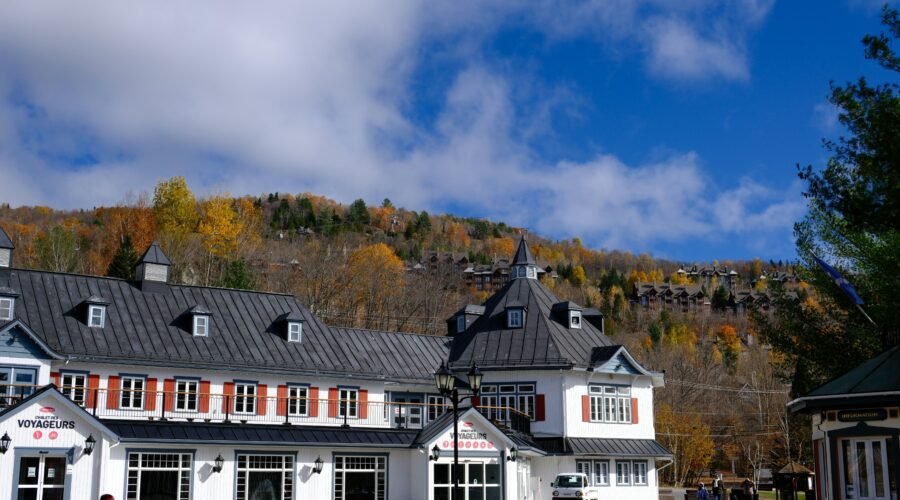
This is arguably the most picturesque time to visit. The summer heat has mellowed, and a different kind of beauty takes hold.
- Crisp Air and Colors: Temperatures are similar to late spring, typically in the 50s to low 70s Fahrenheit (10-22°C). The air is crisp and invigorating, perfect for exploring the cobblestone streets.
- The Fall Foliage Spectacle: This is the undeniable star of the show. The maple trees and other deciduous foliage turn brilliant shades of red, orange, and yellow, transforming the city and surrounding areas into a painter’s dream. It’s a visual feast.
- Post-Summer Calm: The frantic energy of summer tourists has subsided, leaving a more relaxed atmosphere. You can enjoy the sights and sounds without feeling rushed.
If you’re planning a trip to Quebec City and want to know more about the best times to visit, you might find our related article on Travel Tips for Exploring Quebec City particularly helpful. This article provides insights into the local culture, must-see attractions, and seasonal events that can enhance your experience. Understanding these aspects can help you better navigate the weather, crowds, and costs associated with your visit.
2. Dodging the Biggest Crowds: When to Visit for Peace
If your idea of a good vacation involves a bit more breathing room and shorter lines, then avoiding peak season is key.
2.1. The Summer Frenzy: The Bustling High Season
June, July, and August are undeniably popular, and for good reason – the weather is fantastic. However, this is also when Quebec City is at its most crowded.
- Peak Tourist Numbers: Expect more people on the streets, in restaurants, and at major attractions like the Old Quebec walls and the Château Frontenac.
- Longer Waits: You might find yourself waiting longer for popular restaurants or ticketed attractions.
- Higher Accommodation Prices: Hotels and other accommodations will be at their most expensive during these months.
2.2. Winter Whites: The Quieter, Colder Spell
Winter (December to February) is a stark contrast to summer. It’s quiet, cold, and can be magical, but it’s a different kind of trip altogether.
- Charming But Cold: Temperatures often dip well below freezing, with plenty of snow. If you love winter sports and a cozy atmosphere, it’s wonderful.
- Significantly Fewer Tourists: Outside of the Christmas and New Year holidays, and the Quebec Winter Carnival, you’ll find very few tourists. This means a peaceful experience.
- Cost Savings (Mostly): Outside of the specific holiday periods, you can find some good deals on accommodation.
2.3. The Sweet Spot Between Busy and Empty: The Shoulder Seasons
This is where May, June, September, and October shine.
- Balanced Tourist Flow: You’ll encounter other travelers, but not on the overwhelming scale of July. You can still get great photos without a hundred people in the background.
- Easier Access: Attractions are generally less crowded, and wait times are significantly reduced.
- A More Authentic Feel: With fewer tourists, you might feel a bit more connected to the local rhythm of the city.
3. Keeping an Eye on Your Wallet: Cost Considerations

Let’s talk about the practicalities of travel budgeting. When you go can significantly impact how much you spend.
3.1. Summer Premium: The Most Expensive Time
As mentioned, summer is peak season for a reason.
- Flights: Airfare tends to be at its highest from June through August. Booking in advance is crucial.
- Accommodation: Hotels, B&Bs, and rental apartments will see their highest rates. This is when that charming boutique hotel in Old Quebec can really add up.
- Activities: While not always marked up, the cost of tours and popular attractions remains consistent. However, with more people wanting to do them, you might feel pressured to book popular ones in advance.
3.2. Winter Deals: Potential for Savings (with a Caveat)
Winter can offer some attractive prices, but there are a couple of big draws that skew this.
- Accommodation Savings: Outside of the holiday period and Winter Carnival, you can find some excellent deals on hotels. Prices can drop considerably.
- The Winter Carnival Factor: If your visit coincides with the Quebec Winter Carnival (late January to mid-February), expect prices to surge for accommodation, and tickets for certain events. It’s a major draw.
- Flight Prices: Flights can be more affordable in winter, especially if you’re not traveling around Christmas or New Year’s.
3.3. Shoulder Season Value: The Best Bang for Your Buck
This is where you truly get the most out of your travel budget.
- Moderate Flight Prices: Flights are typically less expensive than in summer but more than in the deep winter, offering a good balance.
- Reasonable Accommodation Rates: Hotels and rentals are considerably cheaper than in the summer months. You can often find attractive deals, especially if you book a few months ahead.
- Value for Experiences: While attraction prices are consistent, being able to experience them without peak crowds often feels like better value. You have more time to savor each experience.
4. What’s Happening? Events and Festivals to Consider

Quebec City isn’t just about the weather and costs; it’s a vibrant place with a packed calendar of events.
4.1. Summer’s Festivities: A Lively Atmosphere
Summer is packed with outdoor events and a general celebratory mood.
- Festival de la Nouvelle-France: Celebrates Quebec’s history and heritage.
- Festival d’été de Québec (Quebec City Summer Festival): One of North America’s largest outdoor music festivals, drawing international artists. This is a massive draw and significantly increases crowds and prices around this time.
- Various cultural events, outdoor markets, and street performances.
4.2. Winter’s Unique Charms: A Magical Season
Even with the cold, winter has its own special events.
- Quebec Winter Carnival (Carnaval de Québec): The most famous winter festival in the city, with ice canoe races, ice sculptures, the famous Bonhomme Carnaval, and all sorts of winter-themed activities. It’s a huge event and very popular.
- Christmas Markets: Several charming Christmas markets pop up in Old Quebec, offering a festive atmosphere and local crafts.
- Ice Hotel: For a truly unique experience, the Ice Hotel (Hôtel de Glace) is open for a limited time in winter.
4.3. Spring and Fall’s Understated Appeal: Smaller but Significant
While not as headline-grabbing as summer festivals, spring and fall still offer interesting cultural happenings.
- Fête de la Musique: A celebration of music with free performances across the city.
- Various art exhibitions and smaller cultural events.
- The general beauty of the season often feels like an event in itself.
If you’re planning a trip to Quebec City, it’s essential to consider not just the best time to visit but also how to make the most of your experience while managing your budget. For more insights on exploring this beautiful destination, you can check out a related article that offers tips on maximizing your travel experience. This resource provides valuable information on various attractions and activities that can enhance your stay. To learn more, visit this article for helpful suggestions and recommendations.
5. The Pros and Cons of Each Season: A Quick Summary
| Month | Weather | Crowds | Costs |
|---|---|---|---|
| January | Cold, snowy | Low | Low |
| April | Cool, rainy | Low | Low |
| July | Warm, sunny | High | High |
| October | Cool, colorful foliage | Medium | Medium |
To help you make the final call, here’s a quick rundown of what to expect when.
5.1. Spring (April – May): The Gradual Awakening
- Pros: Pleasant temperatures starting to emerge, beautiful blooming nature, fewer crowds than summer, generally good prices.
- Cons: Can still be chilly at times, especially in early April. Rain is possible. Some attractions might have limited hours early in the season.
5.2. Summer (June – August): The Peak of Activity
- Pros: Warmest weather, longest days, most vibrant atmosphere, packed with festivals and outdoor activities.
- Cons: Very crowded, most expensive for flights and accommodation, potential for long waits at attractions.
5.3. Fall (September – October): The Golden Season
- Pros: Beautiful fall foliage, comfortable temperatures, fewer crowds than summer, good prices.
- Cons: Days get shorter, and it can get quite chilly by late October. Rain is also a possibility.
5.4. Winter (November – March): The Snowy Wonderland
- Pros: Potentially the most affordable outside of holidays and Winter Carnival, magical snowy atmosphere, unique activities like the Ice Hotel and Winter Carnival (if you plan for it).
- Cons: Very cold temperatures, short daylight hours, many outdoor activities are limited or require specialized gear. If visiting during Winter Carnival or holidays, prices will be higher.
5.5. The “Just Right” Times: Why May, June, September, and October Stand Out
- Weather: Generally mild and pleasant for extensive walking and sightseeing.
- Crowds: Manageable, allowing for a more relaxed experience.
- Cost: Offers a good balance of value without the extreme prices of peak summer.
- Aesthetics: Spring brings fresh greenery, while fall offers stunning foliage.
Ultimately, the “best” time to visit Quebec City depends on your priorities. Are you chasing the sun and festivals despite the crowds? Do you dream of snow-dusted streets and cozy evenings? Or are you looking for that sweet spot of good weather, manageable crowds, and reasonable prices? For most people seeking a balanced and enjoyable experience, the shoulder seasons of late spring and early fall are your strongest contenders.
FAQs
1. What is the best time to visit Quebec City for favorable weather?
The best time to visit Quebec City for favorable weather is during the summer months of June to August, when the temperatures are mild and the city experiences the least amount of rainfall.
2. When is the peak tourist season in Quebec City?
The peak tourist season in Quebec City is during the summer months of June to August, when the city experiences the highest number of visitors and the most crowded attractions.
3. What is the off-peak season in Quebec City?
The off-peak season in Quebec City is during the winter months of December to February, when the city experiences colder temperatures and fewer tourists, making it a quieter time to visit.
4. When can visitors find the best deals and lower costs in Quebec City?
Visitors can find the best deals and lower costs in Quebec City during the off-peak seasons of winter and early spring, when hotels and attractions may offer discounted rates to attract visitors during the quieter months.
5. What are the shoulder seasons in Quebec City?
The shoulder seasons in Quebec City are during the spring months of March to May and the fall months of September to November, when the weather is still pleasant and the city experiences fewer crowds compared to the peak summer season.